Are pole beans and green beans the same thing?
The simple answer to whether pole beans and green beans are the same thing is: sometimes yes, sometimes no, depending on which word you focus on. The terms actually describe different aspects of the bean plant or the resulting vegetable, which often leads to confusion in the garden shed and at the grocery store. [4] To clear this up, we need to separate the bean's growth habit from the bean's maturity. [2][5]
# Maturity Status

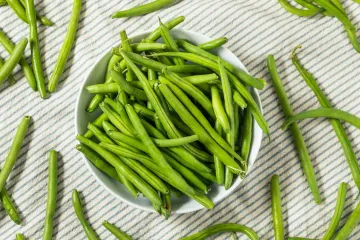
When people talk about green beans, they are usually referring to the stage at which the bean pod is harvested and eaten. [8] A green bean, also commonly called a snap bean or string bean, is the immature pod of certain bean cultivars, eaten whole, before the seeds inside have fully developed and hardened. [4][8] These are the long, green (or sometimes yellow or purple) pods you find fresh, canned, or frozen. [8] If you let that same pod stay on the vine until it dries out, the seeds inside mature, and you are no longer harvesting a "green bean," but rather a shell bean or dry bean. [9] Essentially, "green bean" is a culinary term describing the edible product. [4]
# Plant Growth
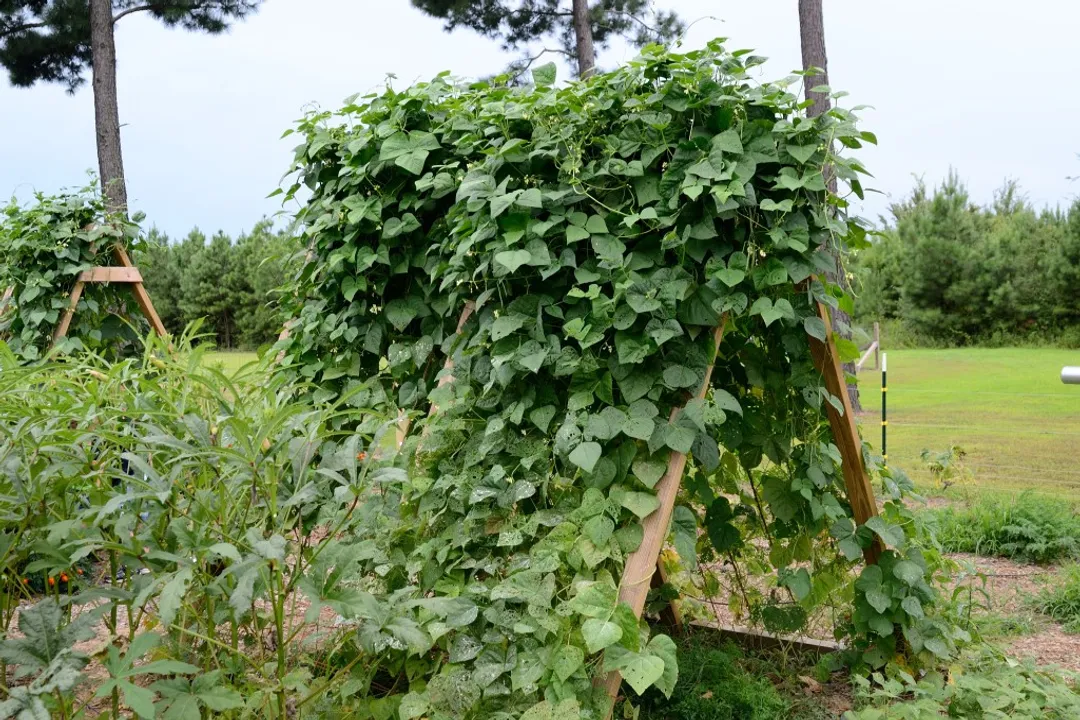
The term pole bean describes the way the plant grows—it is a vine. [2][3][5] Pole beans are climbers; they naturally produce long, trailing vines that can grow quite tall, often needing external support like a trellis, teepee, or fence to keep them off the ground. [2][3][7] This growth habit is in direct contrast to bush beans, which grow into short, self-supporting, shrub-like plants that do not require staking. [2][3][5][7]
# Connecting the Concepts
Here is where the overlap occurs: both pole bean plants and bush bean plants can produce pods that qualify as green beans if picked at the correct immature stage. [7] A 'Kentucky Wonder' pole bean picked young is a pole bean producing a green bean. A 'Blue Lake' bush bean picked young is a bush bean producing a green bean. [4] Therefore, all pole beans can become green beans if harvested immaturely, but not all green beans come from pole beans, as many come from bush varieties. [1] It is inaccurate to use "pole bean" and "green bean" interchangeably because one speaks to structure and the other to use. [4]
# Yield Patterns
Understanding the difference in growth habit—pole versus bush—is more than just a botanical detail; it significantly impacts how a gardener approaches the harvest schedule. [3] Bush beans are genetically programmed for a short, intense production window. They put all their energy into producing one large crop over a few weeks. [2][7] This makes them wonderful for gardeners who want a massive yield all at once for preserving, like canning or freezing a big batch. [2] However, once the bush bean plant is done producing, its season is largely over. [3]
Pole beans, conversely, are built for endurance. Because they are vining plants, they continually produce new flowers and pods throughout the entire warm season, right up until the first hard frost. [2][7] They don't offer that massive single-day dump of beans that a bush variety does. [3] Instead, they provide a steady, reliable supply for week-to-week fresh eating. [2]
If you are deciding which type to plant based on your preservation goals, consider this: planning for bush beans requires dedicating a specific week or two in mid-summer to processing your entire harvest. With pole beans, you might spread out your processing, perhaps canning a few quarts every other week or simply enjoying fresh salads consistently. It’s a choice between a focused preservation marathon versus a sustained fresh eating sprint. [2]
# Support Systems
The structural difference between the two necessitates different gardening real estate planning. Bush beans are straightforward; they need the space their small shrub occupies on the ground. [5] Pole beans, however, are masters of vertical gardening. [7] While they require support, they make excellent use of small garden footprints. A single, well-built A-frame trellis can support several pole bean plants, maximizing the harvest area vertically rather than horizontally. [7] This vertical efficiency is a major advantage when garden space is limited, such as in an urban setting or on a small balcony where a traditional row planting isn't feasible. When setting up support for pole beans, it's important to install the structure before planting the seeds or seedlings, as transplanting established vines can damage them. [7]
# Types and Classification
Bean classification can get layered, as we have climbing habits (pole/bush) and pod characteristics (snap/shell/dry). [9] Most common beans grown today, whether pole or bush, are intended to be harvested as Phaseolus vulgaris, the common bean, specifically for its fresh, tender pod—making them green beans. [8] There are different types of pole beans, just as there are different types of bush beans, often related to pod shape or color, but the fundamental difference remains the climbing nature. [5] For instance, some varieties may produce wax beans (yellow pods) or filet beans (very slender pods), but if they grow as a vine, they are pole beans producing an immature pod. [8]
When looking at seed packets or nursery tags, the labels are usually quite specific, using terms like 'Pole Snap Bean' or 'Bush Snap Bean,' which clarifies both the growth habit and the intended use. [7] Always check the description to avoid surprises; planting a pole variety without a trellis will likely result in a tangled, unproductive mess on the ground. [2][3]

# Flavor Considerations
While maturity dictates the "green bean" status, gardeners sometimes speculate on flavor differences between the growth habits. [1] Generally, expert advice indicates that the primary difference in flavor or texture comes down to the specific cultivar (variety) rather than whether it climbs or bushes. [4] A premium bush bean variety will likely taste better than a mediocre pole bean variety, and vice versa. [1] The texture difference noted by some cooks often relates back to the harvest timing—over-mature green beans, regardless of the plant type, become stringy or tough. [1]
For home gardeners, the decision often boils down to maintenance versus consistency. Do you prefer the minimal setup of a bush bean that requires one quick succession planting, or are you willing to put in the initial effort to install robust vertical structures for the steady, season-long production of pole beans? [3] Both paths lead to delicious green beans on your dinner plate. [1]
#Videos
Bush Beans VS Pole Beans + Shell Beans VS Green Beans
Related Questions
#Citations
Can pole beans be cooked the same as regular green beans? - Reddit
The Great Debate! Choosing Between Bush Beans vs Pole Beans
Are pole beans the same as green beans? - Facebook
What's the difference between pole and bush beans? - Fulton Sun
Bush Beans VS Pole Beans + Shell Beans VS Green Beans
How to Tell the Difference Between Bush Beans and Pole Beans
Pole vs. Bush Beans: Choosing the Right Type - Burpee
Snap Beans, Green Beans, or String Beans...Whats the Difference?
What Kind of Green Beans Should You Grow?