Health Benefits of Green Bean
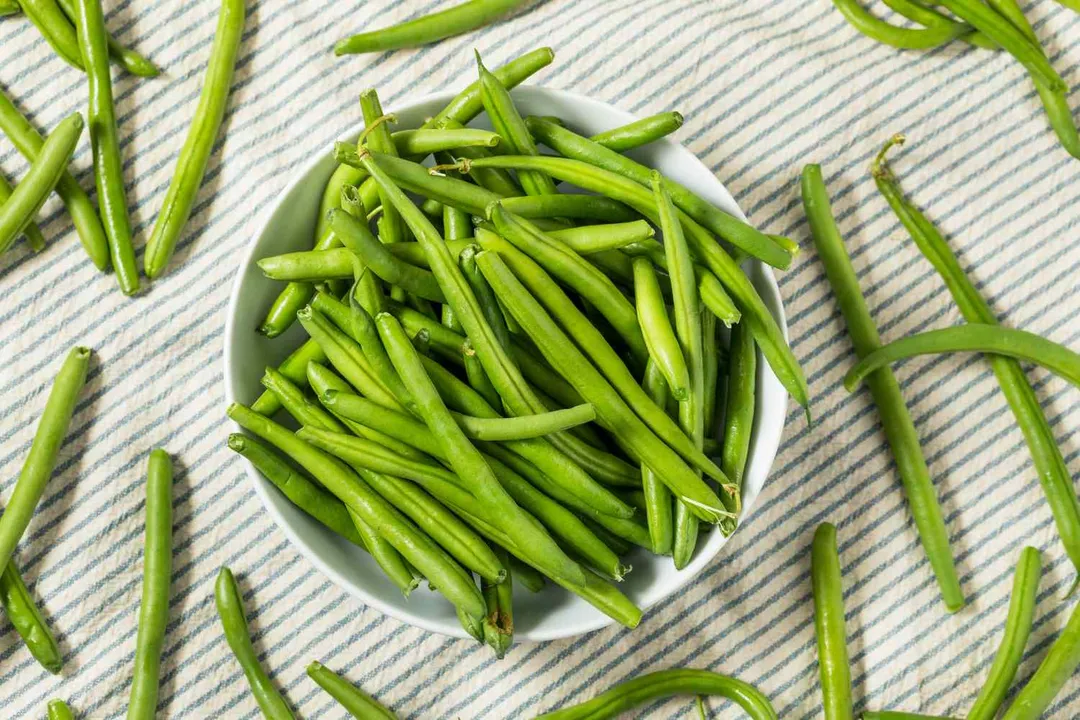
This classic legume, often relegated to a side dish role, especially during holiday gatherings, is far more dynamic than its simple appearance suggests. Green beans, botanically known as Phaseolus vulgaris, are among the oldest cultivated crops and are available year-round, even though their peak season tends to be between May and October. Whether you know them as string beans or snap beans, these edible-podded legumes—which can also naturally occur in yellow or purple varieties—deliver a dense package of vitamins, minerals, and plant compounds that contribute to overall wellness. Regularly incorporating them into your diet can support several key bodily functions, from bone density to immune defense.
# Gut Health Fiber
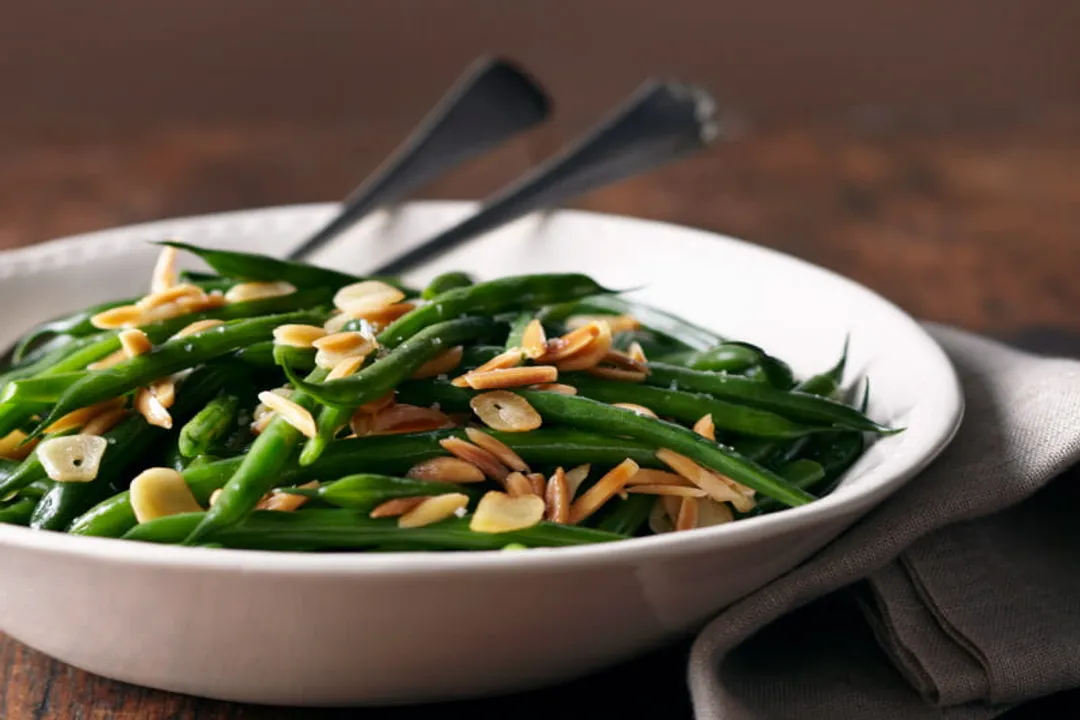
The fiber content in green beans is a primary driver of their health promotion, providing both soluble and insoluble types. Dietary fiber is fundamental for keeping the digestive tract functioning smoothly, encouraging regularity, and softening stool, which aids in easier passage. Beyond physical movement, this fiber acts as a prebiotic, feeding the beneficial bacteria that constitute a healthy gut microbiome. Furthermore, green beans are noted for being low in FODMAPs (Fermentable Oligosaccharides, Disaccharides, Monosaccharides, and Polyols). FODMAPs are carbohydrates that some individuals, particularly those with Irritable Bowel Syndrome (IBS), find difficult to digest, leading to gas, bloating, and abdominal pain. The low-FODMAP nature of green beans makes them a gentle source of fiber for many people who must carefully manage their carbohydrate intake for digestive comfort. This dual benefit—providing necessary bulk and promoting good bacteria while minimizing common irritants—is a significant advantage, especially when compared to many other legumes that are higher in FODMAPs and might be restricted for those with chronic digestive issues.
# Heart Health Support
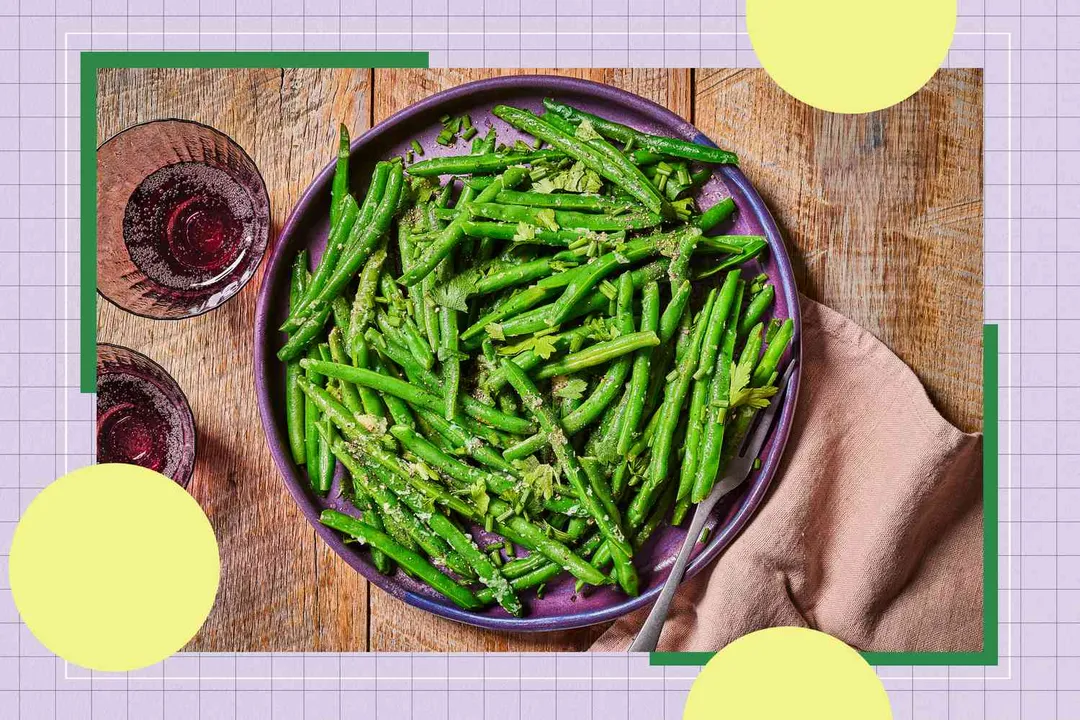
Cardiovascular wellness receives significant attention from the nutrients packed within green beans. They are a good source of potassium and folate, both important for managing blood pressure, a key factor in heart disease risk. Moreover, the fiber they contain, particularly the soluble variety, is linked to favorable changes in cholesterol profiles, specifically helping to reduce levels of low-density lipoprotein (LDL), often termed "bad" cholesterol. The support extends to the blood vessels themselves, thanks to powerful plant compounds known as flavonoids. Compounds like quercetin and kaempferol possess anti-inflammatory and anti-platelet qualities, which serve to protect the artery walls and help prevent the formation of blood clots. In their natural state, green beans are inherently low in sodium, aligning well with recommendations to limit salt intake for optimal blood pressure. However, a crucial consideration arises with preservation methods: canned varieties often contain added salt, which can counteract these benefits; rinsing canned beans thoroughly before consumption can mitigate this risk.
# Strong Bones
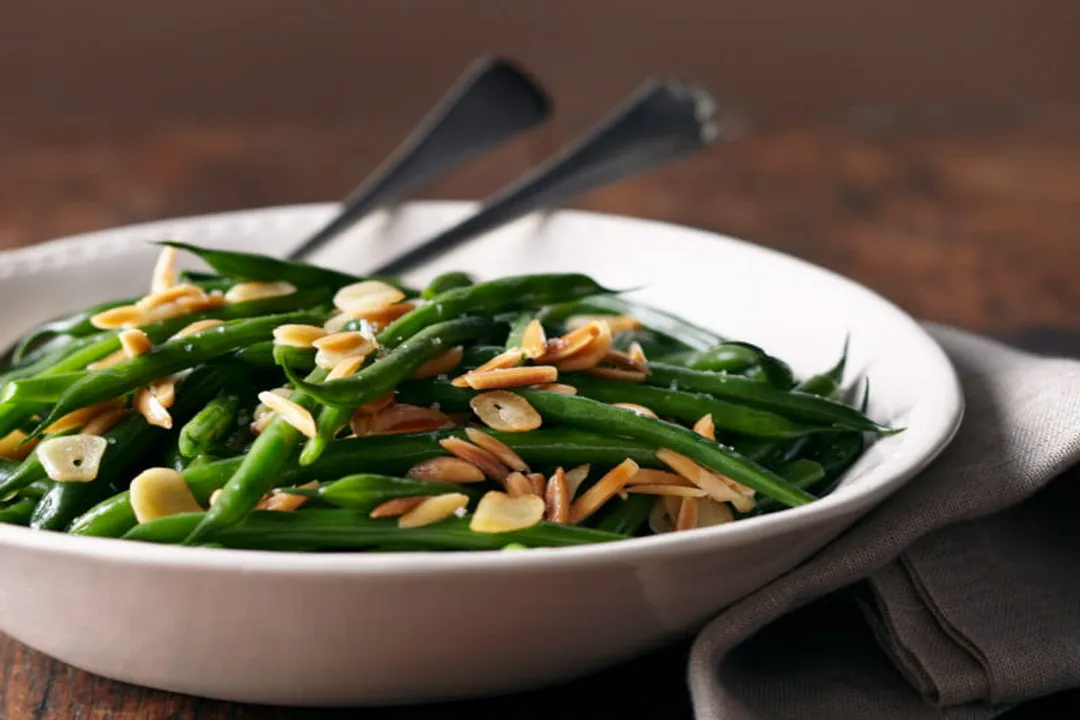
When discussing skeletal strength, calcium often receives the spotlight, but green beans remind us that other nutrients are equally necessary for building and maintaining resilient bones. Green beans are an excellent source of Vitamin K. This specific vitamin is vital because it plays a role in bone metabolism by helping to activate osteocalcin, a protein essential for bone mineralization. Research has indicated that adequate Vitamin K intake can significantly reduce the risk of bone fractures. In addition to Vitamin K, green beans also contribute smaller, but still meaningful, amounts of calcium and magnesium, both minerals critical for maintaining overall bone density throughout life.
# Pregnancy Mood
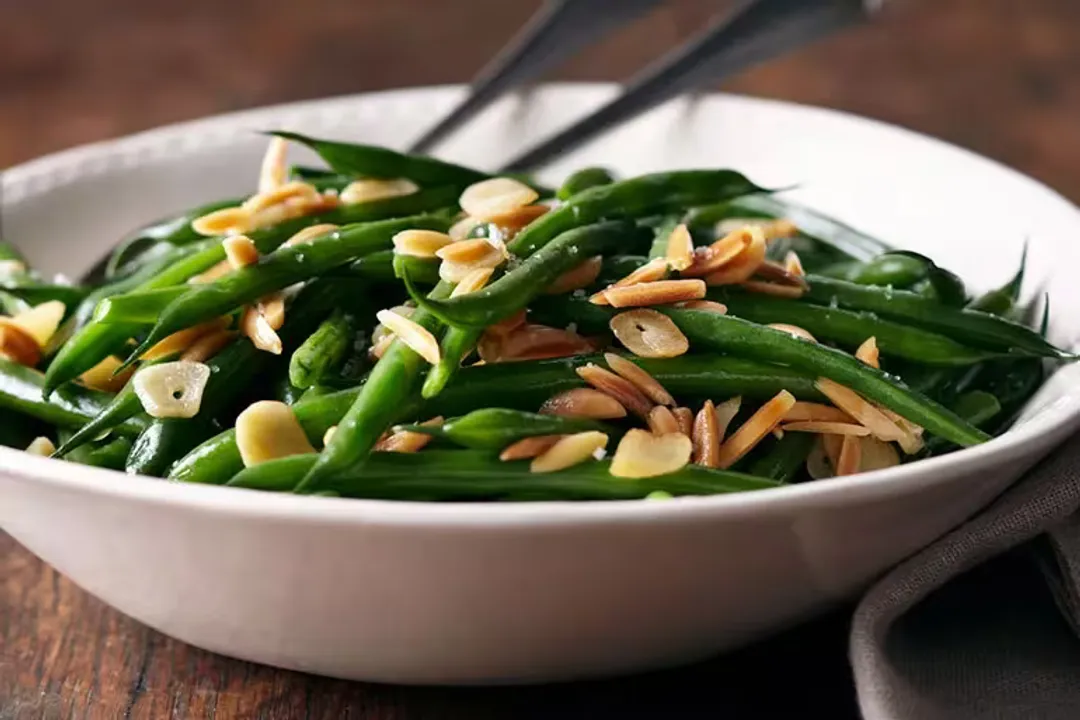
Two distinct health aspects—fetal development and mental well-being—benefit greatly from the folate (Vitamin B9) present in green beans. For expectant mothers, folate is non-negotiable; it is required for the proper formation of the fetal brain and spinal cord, thereby substantially lowering the risk of major congenital disorders like anencephaly and spina bifida. While prenatal vitamins are common, obtaining folate from nutrient-dense food sources like green beans is highly beneficial, especially in the weeks leading up to conception. Furthermore, this B vitamin supports mood regulation in everyone. Folate helps the body manage levels of homocysteine; excessive amounts of this amino acid can disrupt the production of neurotransmitters responsible for governing mood, sleep, and appetite, such as serotonin and dopamine. Thus, consistently consuming folate-rich green beans may serve as a supportive dietary measure in managing depressive symptoms.
# Antioxidants Immune Defense
The vibrant color of the green bean hints at its high concentration of protective compounds. Green beans are rich in various antioxidants, including Vitamin C, beta-carotene, carotenoids, and flavonols. These compounds work by fighting off free radicals in the body, which limits cell damage and general inflammation.
Vitamin C is a standout component, renowned for its role in immune defense. While citrus is famous for it, a single cup of green beans can provide a notable percentage of the daily recommended intake, helping to potentially lessen the severity and duration of common cold symptoms. Vitamin C is also essential for producing collagen, which is critical for healthy skin integrity. Beyond this, green beans supply Vitamin A, important for vision and skin health, and Manganese, a mineral that assists with metabolism and wound healing. Interestingly, some sources suggest that the chlorophyll found in green beans may have anti-cancer effects by potentially slowing tumor growth, although more research is needed in this specific area. The combination of fiber, phenolic acids, and saponins also contributes to the vegetable’s overall cell-protective profile.
# Preparation Choices
The methods used to prepare green beans directly influence their nutritional retention and suitability for different health goals. Boiling, while simple, can result in the loss of water-soluble nutrients like Vitamin C. If you are aiming to maximize the nutrient profile, particularly Vitamin C, a strategic approach to cooking is beneficial. For instance, blanching for a very short duration, then immediately transferring the beans to ice water to halt the cooking process (shocking), followed by a quick sauté with heart-healthy oil like olive oil, can preserve texture and significantly minimize nutrient washout. This method ensures a crisp-tender result while retaining more of the temperature-sensitive vitamins.
For those focused on heart health, cooking with high-fat additions like heavy creams or fatback should be swapped for heart-healthy oils or low-fat dairy alternatives like Greek yogurt. To maintain their low-sodium profile, individuals should season them with cayenne pepper, garlic, or lemon juice rather than relying on excessive salt. While fresh beans are often the best source, frozen varieties are excellent, as they are typically flash-frozen shortly after harvest, locking in nutrients. Canned versions are convenient but require vigilance regarding sodium content.
One area requiring caution involves medication management due to the high Vitamin K content. Anyone taking anticoagulant medications, such as warfarin (Coumadin), must be mindful of their intake because Vitamin K is integral to the blood clotting process, which can interfere with the drug's intended effect. This does not necessitate total avoidance, but rather consistency; maintaining a stable, regular daily amount of Vitamin K intake is advised, and all dietary changes should be discussed with a healthcare provider. Furthermore, raw green beans contain lectins that can cause gastrointestinal upset; thorough cooking is the standard recommendation to deactivate these compounds.
# Nutritional Snapshot
Green beans offer a fantastic nutrient-to-calorie ratio, which makes them excellent for appetite control and weight management. A standard one-cup serving of cooked green beans hovers around 31 to 44 calories and contains virtually no fat or cholesterol. The high fiber and water content contribute significantly to satiety, helping you feel fuller for longer without consuming excess calories, which directly supports a caloric deficit necessary for weight loss.
For context, here is a comparison of key nutrients in a typical one-cup serving of cooked green beans:
| Nutrient | Approximate Amount | Key Contribution |
|---|---|---|
| Calories | 31–44 | Low-calorie density |
| Dietary Fiber | 3–4 grams | Digestive regularity, satiety, cholesterol management |
| Vitamin K | Up to 50% DV | Bone mineralization |
| Vitamin C | 13% DV | Immune function, antioxidant |
| Folate (B9) | 10–18% DV | Fetal development, mood regulation |
| Potassium | ~182 mg | Blood pressure regulation |
| Iron | ~1 mg | Oxygen transport (absorption boosted by Vitamin C) |
When assessing vegetable choices, it is worth noting that while green beans are highly nutritious, variety is key. For example, comparing them to broccoli, broccoli may contain higher levels of Vitamin A, calcium, and folate, underscoring the importance of rotating vegetable sources to capture a wider spectrum of micronutrients rather than relying on any single vegetable exclusively.
Related Questions
#Citations
Health Benefits of Green Beans - WebMD
Green Beans Nutrition: Health Information - Healthline
The Health Benefits of Green Beans
The Health Benefits of Green Beans - AANMC
Green Beans: Simple, Nutritious, and Versatile | Silva International
[PDF] Health Benefits of Green Beans
What Happens to Your Body When You Eat Green Beans Every Day
7 health benefits of green beans - SingleCare
What Happens to Your Body When You Eat Green Beans Regularly
Green beans can be one of the healthiest dishes at the holiday table