Health Benefits of Asian Greens
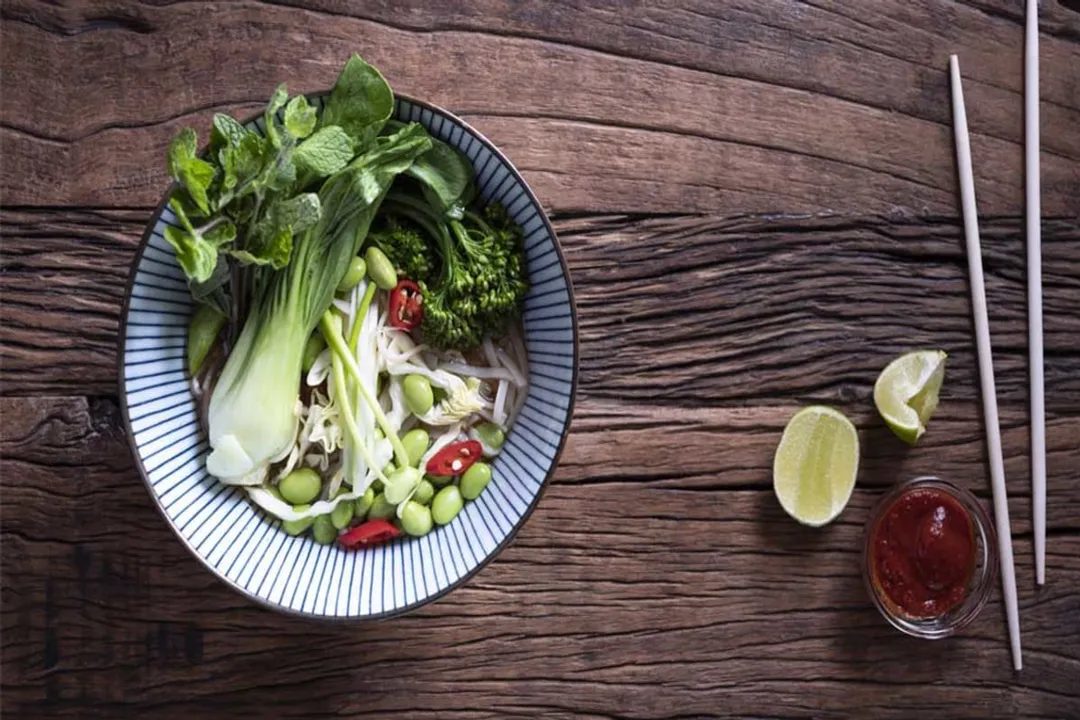
Asian greens, a category spanning numerous distinct vegetables popular across various Eastern cuisines, offer a powerful nutritional punch that often flies under the radar when discussions focus solely on broccoli or kale. [9] These leafy vegetables, which frequently feature delicate stems and tender leaves, are fundamentally part of the Brassica family, grouping them with familiar cruciferous vegetables. [7] Their appeal isn't just in their versatility in the kitchen—from stir-fries to light steaming—but in the wealth of vitamins, minerals, and beneficial compounds they deliver in a remarkably low-calorie package. [3] Understanding these greens means appreciating that names like Bok Choy, Tatsoi, and others represent a diverse set of eating experiences, each carrying its own specific health advantages. [1][4]
# Nutrient Density
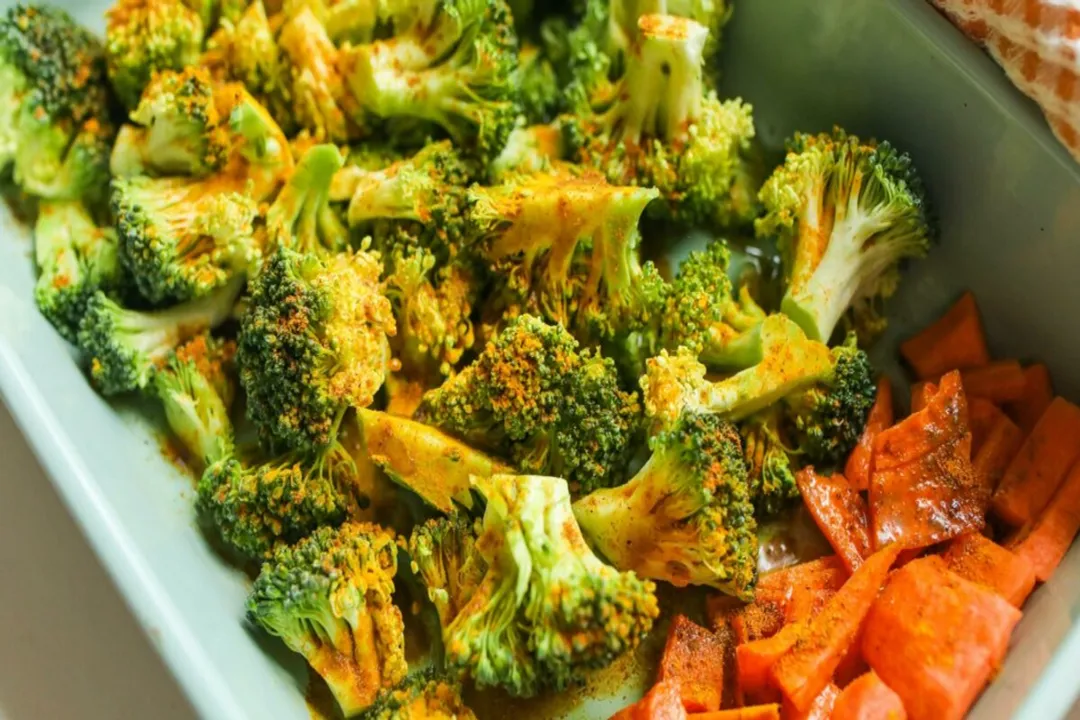
When evaluating the nutritional merit of any food, looking at density—the amount of good stuff packed into a small serving—is key. [3] Asian greens perform exceptionally well here, providing significant micronutrients without adding many calories or excessive sodium. [1]
# Vitamins Abundant
The vitamin content across this vegetable group is impressive, supporting various bodily functions from immunity to blood clotting. [3]
- Vitamin K: Many Asian greens are excellent sources of Vitamin K, which is essential for proper blood coagulation and bone health. [3]
- Vitamin A Precursors: They frequently contain high levels of beta-carotene, a precursor to Vitamin A, crucial for vision and immune function. [3] Tatsoi, for instance, is noted for providing a substantial amount of this nutrient. [4]
- Vitamin C: These vegetables contribute Vitamin C, an important antioxidant that aids in tissue repair and immune defense. [8] Bok Choy, specifically, is a good source of this vitamin. [8]
# Minerals Highlighted
Beyond the vitamins, the mineral profile contributes significantly to their health value.
- Folate: Essential for cell division and DNA synthesis, folate is present in these greens. [8]
- Potassium: This mineral is vital for regulating blood pressure and maintaining proper fluid balance in the body. [3]
- Calcium: While not always replacing dairy, the calcium found in greens like Bok Choy is bioavailable, playing a role in bone maintenance. [8]
It is worth noting that while many people turn to ingredients like kale for these benefits, some sources suggest that Asian greens can compete or even surpass them nutritionally in certain metrics, meaning diversification in your green intake is highly beneficial. [6] If you are swapping out a traditional green for an Asian variety, consider the known profile of what you are replacing to ensure you maintain the same micronutrient targets, though in many cases, the swap will be nutritionally equal or superior. [2]
# Specific Vegetable Benefits
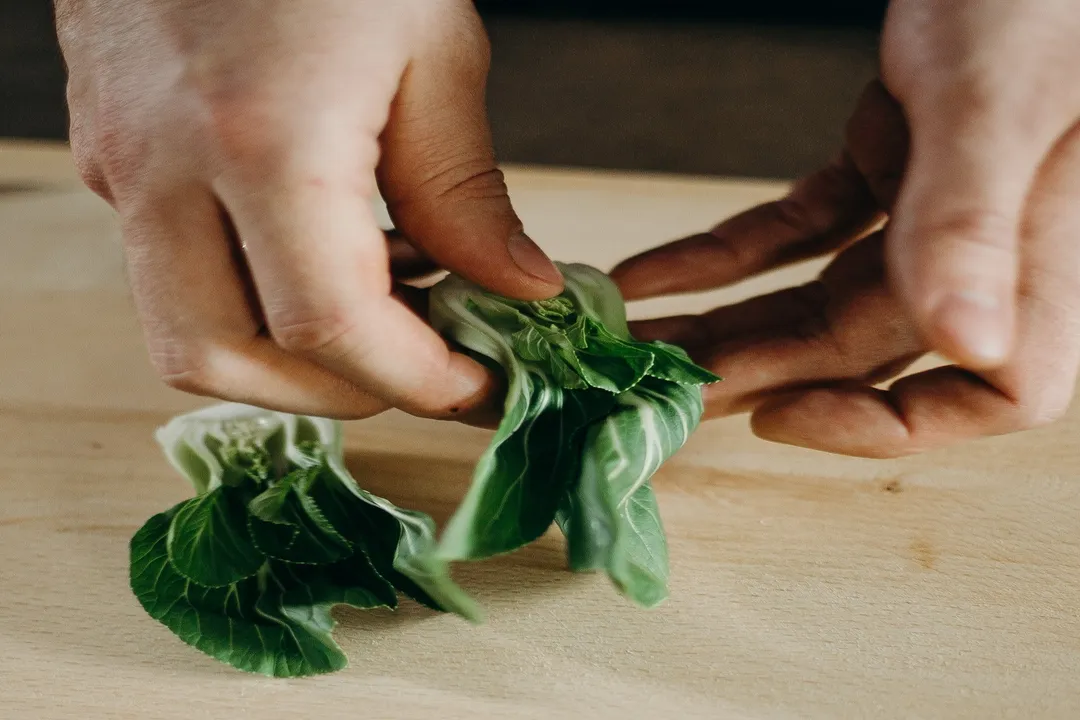
While the overall family is healthy, focusing on individual varieties reveals specialized advantages.
# Bok Choy Profile
Bok Choy, perhaps one of the most widely recognized, demonstrates a strong nutritional makeup. [8] It is known to be low in calories, carbohydrates, and fat. [8] A single cup of raw Bok Choy offers about 90% of the recommended daily intake of Vitamin K and a good amount of Vitamin A. [8] Furthermore, its Vitamin C content is notable, offering about 45% of the daily value in that same serving size. [8] Its contribution to folate and potassium is also significant for a leafy vegetable. [8]
# Tatsoi Advantages
Tatsoi, another member of this group, stands out for its high content of Vitamin A, specifically beta-carotene. [4] Like other greens in this category, it supplies Vitamin C and Vitamin K, contributing to antioxidant protection and blood health. [4] Its nutritional density means that even relatively small amounts incorporated into meals can make a measurable difference in daily nutrient goals. [4]
# The Cruciferous Connection
Since many Asian greens are cruciferous vegetables, they naturally contain glucosinolates. [7] These sulfur-containing compounds are what give many vegetables in this family their characteristic slightly pungent flavor. [7] When these vegetables are chewed or chopped, glucosinolates are converted into biologically active compounds, such as isothiocyanates. [7] Research into cruciferous vegetables often focuses on these compounds because they have demonstrated anti-cancer properties, suggesting a potential protective effect against certain types of cancer. [7] This mechanism places them within a respected group of vegetables studied for long-term health protection. [7]
# Bone and Vision Support
The combined effect of the vitamins and minerals found in these greens directly supports two critical areas of long-term health: skeletal integrity and eyesight.
# Sight Protection
The concentration of beta-carotene in many Asian greens is a major component in supporting eye health. [3] Beta-carotene converts to Vitamin A in the body, which is essential for the formation of rhodopsin, a light-absorbing molecule vital for low-light and color vision. [3] Consuming regular sources of these greens helps ensure the body has the necessary building blocks to maintain healthy vision over time. [4]
# Skeletal Structure
Bone health relies heavily on a trio of nutrients: calcium, Vitamin K, and Vitamin D (though the latter is less directly provided by the vegetable itself). [3] Asian greens like Bok Choy are good contributors to the Vitamin K requirement, which is needed for the synthesis of proteins involved in bone metabolism. [8] By supplying this critical vitamin alongside minerals like calcium, these greens support the maintenance of bone density. [3]
One helpful way to view this nutrient synergy is to think of Vitamin K as the "gatekeeper" for calcium utilization within the bone matrix; without sufficient K, the calcium you consume might not be directed as effectively to where it's needed most. [3]
# Culinary Insights and Integration
The appeal of Asian greens extends past the laboratory to the dinner plate, where their distinct textures and mild flavors make them easy to incorporate into everyday cooking. [1]
# Texture Contrast
A simple analysis of the common types reveals textural differences that cooks can exploit. Bok Choy has crisp, watery white stalks and tender dark green leaves, offering a delightful dual texture when cooked briefly. [8] Tatsoi, in contrast, often has dark, spoon-shaped leaves and a milder, slightly sweeter flavor profile than some other mustard-like greens. [4] Understanding this variation allows for better pairing; for instance, the sturdy stalks of Bok Choy can handle slightly longer cooking times in a braise, while delicate Tatsoi wilts almost instantly in a hot pan. [1]
# Cooking Method Matters
The health benefits, particularly the anti-cancer potential linked to the glucosinolates, are best retained when the vegetables are cooked minimally. [7] Heat is required to break down certain compounds, but excessive boiling can leach water-soluble vitamins like Vitamin C. [3]
An actionable approach for maximizing nutrient retention while ensuring palatability is to adopt a two-stage cooking method for greens with distinct stalk and leaf structures, like Bok Choy. First, quickly blanch or lightly steam the thicker, whiter stalks for about 60 to 90 seconds until they begin to turn bright green but retain significant crunch. Then, toss the leaves into the same pan or pot for the final 30 seconds; they will wilt perfectly using the residual heat and moisture, preserving more of their heat-sensitive nutrients like Vitamin C. [8] This technique respects the different cooking needs of the vegetable parts while minimizing nutrient loss to water.
# Comparing Nutritional Weight
While many sources praise kale, it’s instructive to see where other greens stand when directly compared. If we look at a rough measure of vitamin density, while kale is a powerhouse, the sheer variety within the Asian green category means that a rotation incorporating Bok Choy or Tatsoi ensures a broader spectrum of phytonutrients rather than relying on just one source. [6] For instance, while one green might edge out another in Vitamin A, the second might have a more favorable profile for certain B vitamins or minerals. [3] This realization pushes home the idea that variety—a rotation of Asian greens throughout the week—is the most effective strategy for broad nutritional coverage.
When sourcing these vegetables, look for signs of freshness. Vibrant color and firm, unblemished stalks indicate recent harvest and preserved nutrient content. [5] Furthermore, consider how you are sourcing them; if you have access to local growers, selecting greens that have traveled fewer miles often means they were picked closer to peak ripeness, potentially locking in higher initial vitamin levels before the natural degradation process begins. [5]
The simple act of swapping out an occasional serving of a more common vegetable for something like Gai Lan or Mizuna can introduce different antioxidants and support varied bodily systems, reinforcing the idea that these greens are not just substitutes, but valuable additions in their own right. [9][1] Their ease of cultivation and rapid growth also make them an accessible option for home gardeners looking to produce nutrient-dense food quickly. [5]
Related Questions
#Citations
Asian Greens - Food Smart Colorado
Are asian greens also top level nutritionally? : r/PlantBasedDiet
The Nutritional Value of Asian Greens - The Farmers' Store
Are There Health Benefits of Tatsoi? - WebMD
Choy Sum: Nutritional Benefits and Identification - Facebook
The Greens That are Better Than Kale | Runner's World
Nutritional benefits of cruciferous vegetables - Heart Research Institute
Bok Choy: Nutrition, Benefits, Risks, and How to Cook It - Healthline
7 Asian Vegetables to Try Now - Consumer Reports