What textural contrast does Bok Choy offer when cooked briefly, making it desirable for cooks?
Answer
Crisp, watery white stalks and tender dark green leaves
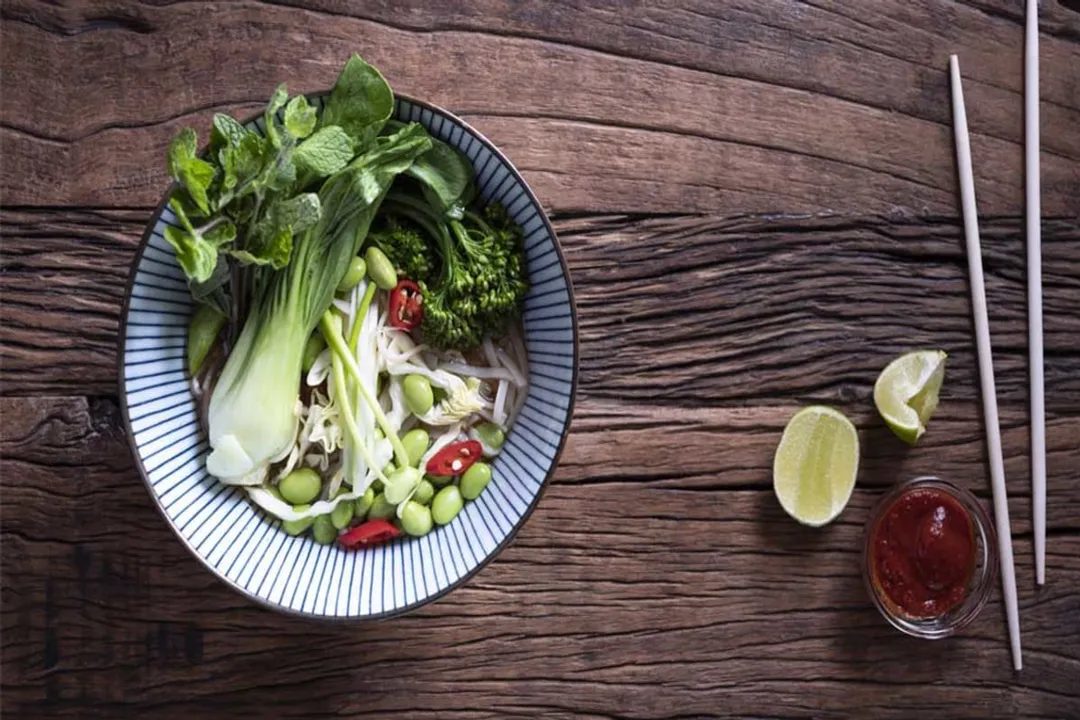
Bok Choy presents a compelling textural profile because its structure consists of two distinct parts: the thicker, white stalks and the thinner, dark green leaves. When cooked appropriately—briefly—the stalks maintain a desirable crispness and wateriness, contrasting sharply with the tender, wilted texture achieved by the leaves in the final moments of cooking. This dual texture adds complexity to dishes where it is featured.
Related Questions
To which major vegetable family do Asian greens like Bok Choy fundamentally belong?What essential bodily function requires Vitamin K, which many Asian greens are excellent sources of?Which specific nutrient does Tatsoi stand out for providing a substantial amount of?Approximately what percentage of the daily value of Vitamin C does a single cup of raw Bok Choy offer?When chewed or chopped, glucosinolates in cruciferous Asian greens convert into which biologically active compounds?How does beta-carotene from Asian greens support sight protection in the body?What textural contrast does Bok Choy offer when cooked briefly, making it desirable for cooks?Which two-stage cooking technique is recommended for retaining maximum nutrients in stalk-and-leaf greens like Bok Choy?In the context of skeletal structure, Vitamin K acts as a functional "gatekeeper" for what specific process?Why is rotating intake among Asian greens like Bok Choy and Tatsoi encouraged over relying solely on kale?