Health Benefits of Mustard Greens
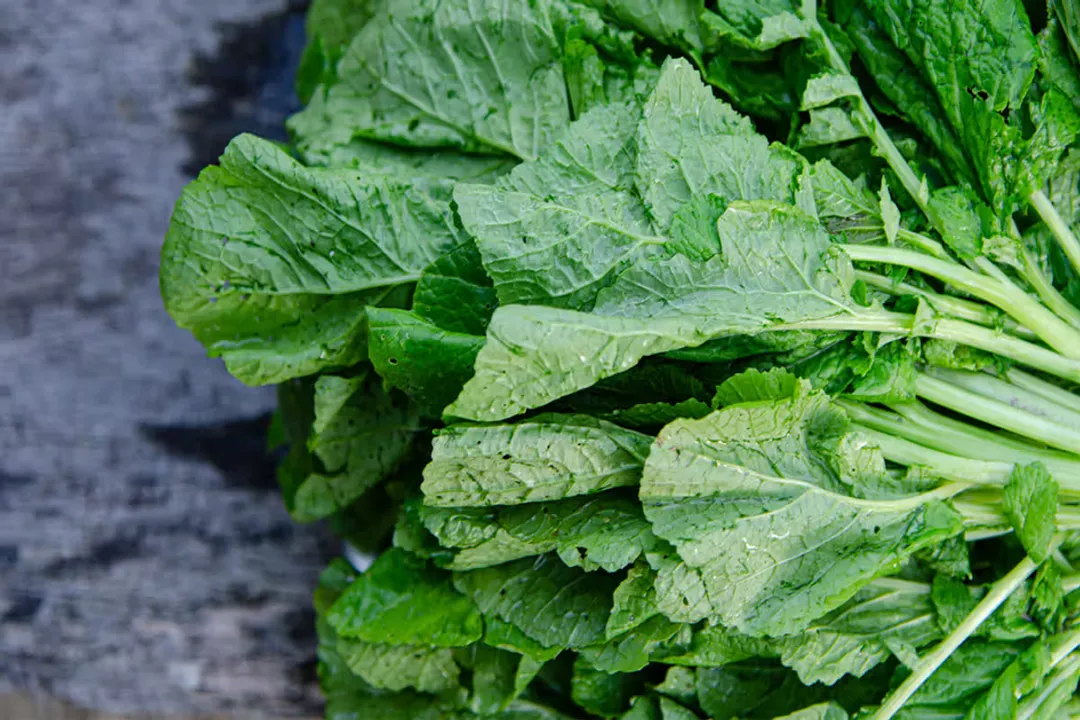
Mustard greens, often recognized by their distinctive peppery, slightly bitter bite, are far more than just a sharp addition to a plate; they are nutritional dynamos packed into deep green leaves. [5] While sometimes overshadowed by more mainstream salad greens, these cruciferous vegetables deliver an impressive spectrum of vitamins, minerals, and potent plant compounds that support overall wellness from bone strength to cellular protection. [1][4] Understanding the depth of their nutritional profile reveals why they deserve a more prominent place in our weekly meal rotation.
# Key Vitamins
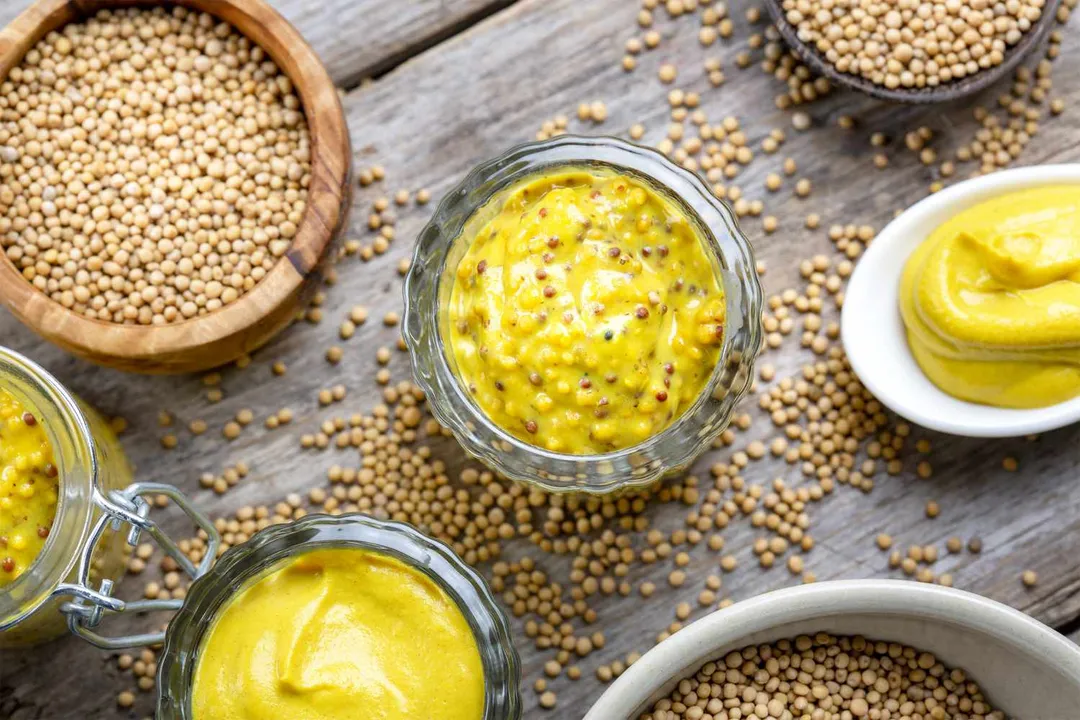
The density of micronutrients in mustard greens is remarkable, especially considering they are naturally low in calories and fat. [1][4] They provide significant amounts of several essential vitamins required for daily bodily functions.
Chief among these is Vitamin K, which is present in very high quantities. [1][2][5] Vitamin K is indispensable for the body's clotting mechanisms, ensuring that when you sustain a small cut, the repair process can begin efficiently. [1] Beyond blood health, this fat-soluble vitamin also plays a significant, supportive role in bone metabolism. [1][3] Given how concentrated the Vitamin K content is—often exceeding daily recommendations in a single serving—it’s worth noting that when preparing mustard greens, those who are on blood-thinning medications should monitor their intake consistently, as this vitamin directly impacts how those medications function to slow clotting. [1]
Another major contributor is Vitamin A, primarily in the form of beta-carotene, a powerful antioxidant precursor. [1][5] Beta-carotene is essential for maintaining healthy vision and supporting immune function. [2][5] Furthermore, mustard greens are a decent source of Vitamin C, an antioxidant known for its role in immune response and collagen synthesis. [1][2] Folate, necessary for cell division and DNA formation, is also provided by these greens. [1]
# Mineral Content
It is not just vitamins that make these greens shine; their mineral profile is equally noteworthy. They contain healthy amounts of minerals vital for muscle function, fluid balance, and structural integrity. [1][3]
Mustard greens are a good source of calcium, which is crucial for maintaining strong bones and teeth. [1][3][5] While dairy is often the first source people think of for calcium, leafy greens offer a compelling alternative. When you consume the greens cooked, some studies suggest the body may absorb the calcium content slightly more efficiently than when consumed raw, although the presence of oxalic acid in some greens can inhibit absorption. [3]
Other important minerals include potassium, which helps regulate blood pressure by counteracting the effects of sodium, and magnesium, involved in hundreds of biochemical reactions throughout the body, including nerve and muscle function. [1][3]
# Chronic Defense
Perhaps the most compelling long-term health advantages of regularly consuming mustard greens come from their unique phytochemical content, particularly compounds known to help manage chronic disease risk. [1][4]
As part of the Brassica family (like broccoli and cabbage), mustard greens contain glucosinolates. [1][4] When these greens are chopped or chewed, these compounds are converted into biologically active substances called isothiocyanates. [4] These isothiocyanates are heavily researched for their potential protective effects against certain cancers, largely because they aid the body’s natural detoxification processes. [1][4]
The high antioxidant capacity also contributes significantly to defense against cellular damage caused by free radicals. [2][5] Sources of these antioxidants include carotenoids like lutein and zeaxanthin, which are particularly important for overall eye health. [2][5] By neutralizing oxidative stress, these compounds help reduce the underlying inflammation that can lead to heart disease and other age-related conditions. [1]
# Gut Weight
For those focused on digestive health or weight management, mustard greens offer significant benefits derived from their texture and composition. [4] They are remarkably low in calories, meaning you can consume large, satisfying portions without a significant caloric load. [4]
The inclusion of dietary fiber is a key feature. [4] Fiber adds bulk to the digestive tract, which promotes regularity and helps prevent constipation. [4] Consuming adequate fiber also supports the growth of beneficial gut bacteria, creating a healthier internal environment. The satiety derived from eating a high-volume, high-fiber food like mustard greens can naturally assist in appetite control, making sticking to a healthy weight easier without feeling deprived. [4]

# Vision Bones
The synergy between different nutrients in mustard greens directly benefits two critical physical structures: the eyes and the skeletal system.
For eye health, the presence of carotenoids is key. [2][5] Lutein and zeaxanthin, which are types of carotenoids found in these greens, accumulate in the retina and macula of the eye. [2] These pigments act as a natural internal sunscreen, filtering out damaging high-energy blue light and protecting the delicate tissues from oxidative damage over time. [5] Consistent intake is linked to a reduced risk of age-related macular degeneration. [2]
For bones, the combination of Calcium and Vitamin K works together. [1][3] While calcium provides the raw material for bone density, Vitamin K helps ensure that calcium is properly directed to the bones and teeth, rather than accumulating inappropriately in soft tissues. [1] Building strong bones early and maintaining that strength through adulthood relies on this kind of nutrient teamwork.
# Cooking Uses
Mustard greens are versatile, though their strong, pungent flavor profile—especially noticeable when raw—means they pair best with strong flavors or when cooked down slightly to mellow their edge. [5]
One practical consideration when preparing them is how you apply heat. While cooking can reduce the content of certain heat-sensitive vitamins, like Vitamin C, it also helps break down the plant structure, which can sometimes improve the bioavailability of certain minerals. [3]
When preparing a batch, especially if you are new to the taste, think about balancing that characteristic heat. If you sauté them, adding a splash of acid, like a good vinegar or a squeeze of lemon juice, towards the end brightens the flavor and cuts through any lingering bitterness. [5] Another excellent approach is to pair them with fats, such as olive oil or bacon fat, which can enrich the overall experience and help the body absorb fat-soluble vitamins like Vitamin A. [1] Whether wilted down as a side dish or blended into a hearty soup, incorporating mustard greens regularly ensures a steady supply of their powerful nutritional components. [5]
#Videos
Mustard Greens 101 - Nutrition and Health Benefits - YouTube
Related Questions
#Citations
Health Benefits of Mustard Greens - WebMD
Mustard Greens: Nutrition Facts and Health Benefits - Healthline
Mustard Greens: Nutrition Facts, 11 Health Benefits, Side Effects
Health Benefits of Nutrient-Packed Wild Mustard Greens
Mustard Greens Nutrition, Health Benefits and Recipes - Dr. Axe
mustard greens | Health Topics - NutritionFacts.org
What are the health benefits of mustard greens? - Facebook
Mustard Greens Magic: A Surprising Recipe You Need to Try Today!
The Benefits of Mustard, According to Dietitians - Martha Stewart
Mustard Greens 101 - Nutrition and Health Benefits - YouTube