What is the cheapest thing to eat right now?
The quest for the most budget-friendly sustenance often leads back to a handful of incredibly versatile, low-cost staples that form the bedrock of economical eating across many cultures. While the absolute cheapest item can fluctuate based on local sales, seasonality, and whether you buy dried or pre-cooked, certain food groups consistently offer the lowest cost per calorie or gram of protein. [1][7] Understanding these core ingredients is the first step to mastering an inexpensive diet. [9]
# Core Staples

When the budget is tightest, the focus shifts entirely to energy density and nutrient returns for the lowest price tag. [7] Several items consistently rise to the top of these lists, often centered around whole grains and legumes. [1][9]
# Grains and Starches
Grains form the foundation of inexpensive meals for many people because they are shelf-stable, versatile, and inexpensive, especially when purchased in larger quantities. [1]
Oats stand out as a prime contender. Whether rolled or quick-cooking, oatmeal is remarkably cheap, particularly when bought in bulk containers. [1][7][9] It offers fiber and complex carbohydrates, making a bowl substantial enough to power you through the morning. [7]
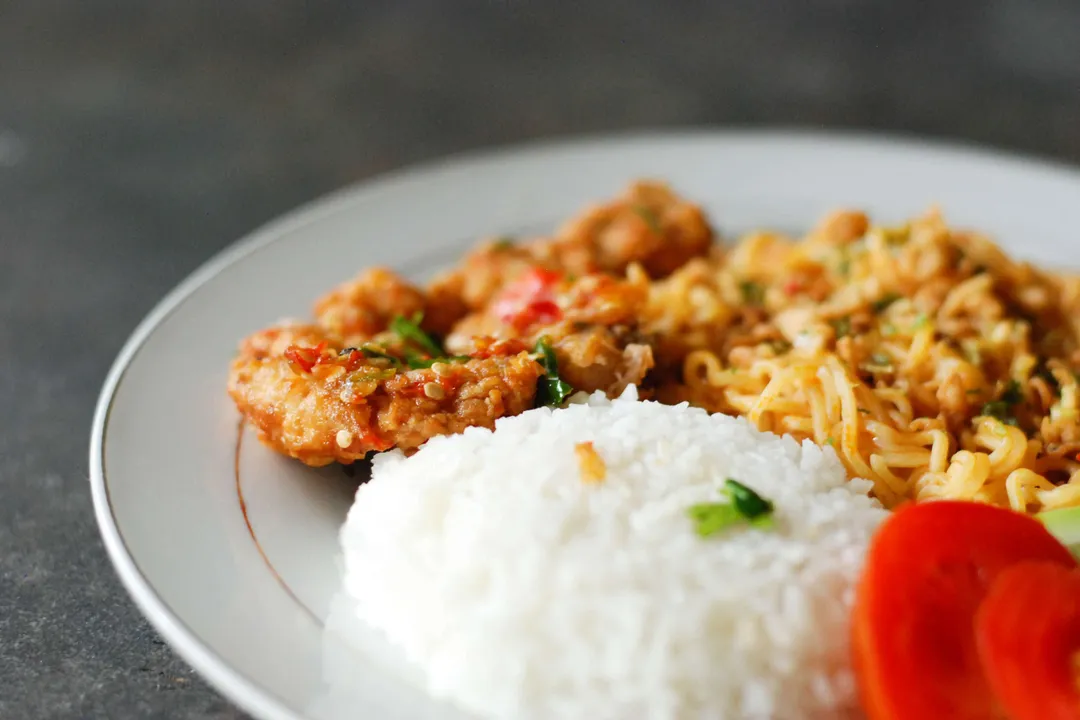
Rice, particularly white or brown rice, is another powerhouse of low-cost calories. [1][7] If you can commit to buying it in large bags—think 5-pound or larger—the per-serving price drops dramatically. [1] Brown rice offers more fiber and nutrients, but white rice is often slightly cheaper per unit weight. [7]
Pasta offers high caloric density for a very low price. [1][9] A box of dried spaghetti or macaroni can stretch over several meals, serving as the base for simple sauces or additions to soups. [4]
If we consider the absolute lowest cost per unit of energy, a comparison between dried beans and white rice is illuminating. A pound of dried white rice might yield around 2,000 calories for, say, 0.0005 per calorie. Dried beans, while slightly more expensive upfront per pound, often have a higher net yield of cooked calories and a superior nutritional profile (protein/fiber) for a similar or slightly higher price point, making them arguably the best overall value when factoring in satiety and nutrition. [7][9]
# Legumes Power
Legumes—beans, peas, and lentils—are arguably the single most important category for budget eating because they provide both cheap carbohydrates and significant amounts of protein and fiber. [7]
Dried beans (like black beans, pinto beans, or kidney beans) are frequently cited as one of the cheapest sources of nutrition available. [1][5][9] While they require soaking and a longer cooking time than canned versions, the cost savings when buying dried far outweigh the minimal energy expenditure of the stove. [1] Lentils, perhaps even more convenient than dried beans because they often do not require pre-soaking, cook relatively quickly and are fantastic in soups or as a rice substitute. [7][9]
# Affordable Protein Sources
Protein is often the most expensive part of a grocery bill, but several options remain inexpensive even during tight times. [1]
# Eggs and Dairy
Eggs are consistently mentioned as a gold standard for cheap, high-quality protein. [1][7][9] They cook quickly, are easily portable (as a hard-boiled snack), and can be incorporated into countless meals, from breakfast scrambles to dinner additions. [4]
In the dairy aisle, milk and plain yogurt often hold their value price-wise, offering calcium and protein without the high cost of specialty cheeses or pre-packaged yogurts. [1][7]
# Canned and Jarred Goods
When fresh options are too pricey or have a short shelf life, the canned goods aisle provides sturdy, long-lasting protein. [1]
Canned tuna or canned salmon provide excellent omega-3 fatty acids and protein at a fraction of the cost of fresh fish. [1][7] Keeping a few cans stocked allows for instant, no-cook meals like tuna salad served on crackers or mixed with rice. [4]
Peanut butter is another pantry staple that offers a substantial amount of protein and healthy fats for a relatively small outlay. [1][7] It pairs naturally with bread, tortillas, or even sliced apples. [4][7]
# Meat Value
If meat must be purchased, looking for less popular, yet highly nutritious cuts can save money. Chicken thighs are often significantly cheaper per pound than chicken breasts and possess more flavor due to their higher fat content. [1][7] Buying larger packages of inexpensive meats and freezing them in smaller, useable portions is a standard practice for stretching the grocery budget. [1]

# Produce Savings
Fresh fruits and vegetables can quickly inflate a grocery bill, but strategic purchasing, especially utilizing frozen options, keeps these essentials accessible. [1][7]
# Long-Lasting Fresh Picks
Certain fresh produce items are cheap and possess remarkable staying power, reducing food waste which is a hidden expense. [9]
Potatoes (white or sweet) are incredibly inexpensive sources of vitamins, minerals, and complex carbohydrates. [1][7] They can be baked, boiled, mashed, or roasted, offering versatility for minimal cost. [4]
Cabbage, onions, and carrots are frequently cited as some of the most economical vegetables because they last a long time in cool storage and form the flavor base for countless inexpensive soups and stews. [1][7]
# Frozen Advantage
The nutritional value of frozen fruits and vegetables often rivals that of fresh, and the price point is almost always lower, as they are harvested at peak ripeness and flash-frozen. [1][7] Stocking up on frozen peas, spinach, corn, and mixed vegetables means you always have a nutritious side dish or addition for your rice or pasta dishes without worrying about spoilage. [1][7] For fruits, frozen berries are excellent additions to oatmeal or blended into smoothies if you have a blender. [7]
# Maximizing Flavor and Adherence
Eating the same few staples repeatedly can lead to diet fatigue, which is a major reason people abandon their budgets. The true cost-saving strategy isn't just about the base ingredients; it's about making those ingredients taste good enough to eat consistently.
# Flavor Boosters
A small investment in shelf-stable flavor enhancers can transform bland, cheap meals into something enjoyable. Consider what you can acquire for a few dollars that will last for months. Things like dried herbs (oregano, thyme), stock or bouillon cubes, garlic powder, onion powder, and inexpensive vinegars (like white or apple cider vinegar) are game-changers. [5] For instance, cooking a large pot of dried black beans with just water is cheap, but simmering them with a bouillon cube and a bay leaf (often sold cheaply in bulk spice jars) adds a depth of flavor that prevents boredom. [9] This small upfront cost significantly increases the adherence to the budget plan by making the staples palatable day after day.
# Cooking Strategy
The act of cooking itself is crucial. Relying on restaurants or pre-made items, no matter how cheap they seem per serving, almost always costs more than preparing food from raw ingredients. [9] Making large batches is another efficiency gain. When you cook dried beans or a large pot of rice, you are minimizing the energy cost (gas or electricity) per serving compared to cooking small amounts frequently. [1]
If you find a fantastic sale on ground meat or a seasonal bounty of cheap vegetables, processing them immediately prevents waste. For vegetables, learning to quickly blanch and freeze excess fresh produce—even things like peppers or broccoli that you bought on a special—can preserve that low price point for later use. [4]

# Beyond the Basics
To truly stretch the dollar, a slight broadening of the pantry beyond the absolute cheapest items can add variety without sacrificing overall cost control.
# Tortillas
While bread is a staple, flour tortillas are often extremely cheap when bought in large packs. [1] They can serve as wraps for canned tuna, scrambled eggs, or beans, offering a completely different textural experience than a bowl of rice, thereby reducing menu monotony. [4]
# Peanut Butter Alternatives
While peanut butter is a go-to, exploring other nut or seed butters when they are on sale can introduce different fats and nutrients. More importantly, considering items like canned sardines or mackerel, often overlooked, can provide a potent dose of high-quality fat and protein at a lower cost than tuna in some markets. [7]
Ultimately, the "cheapest thing to eat" isn't one item; it's a formula: . When you multiply the low cost of dried beans or oats by their high satiety and nutrition factors, they become the undisputed champions of budget eating. [7]
#Videos
Eating on $12 a Week | Easy, Healthy & Cheap Recipes ... - YouTube
39 Meals For $20 | Quick & EASY Cheap Meal Ideas | Julia Pacheco
Related Questions
#Citations
Cheap Foods to Buy if You're Broke or on a Budget - US News Money
Very Cheap Foods? : r/EatCheapAndHealthy - Reddit
Eating on $12 a Week | Easy, Healthy & Cheap Recipes ... - YouTube
20 Easy and Cheap Foods To Eat If You Are on A Budget
What are some cheap foods that are also healthy and tasty? - Quora
What are affordable grocery items to stock up on? - Facebook
28 Healthy Foods That Are Incredibly Cheap - Healthline
How to Eat Healthy on a Budget: 15 of the Cheapest Foods You ...