Where is the cheapest place to eat in Europe?
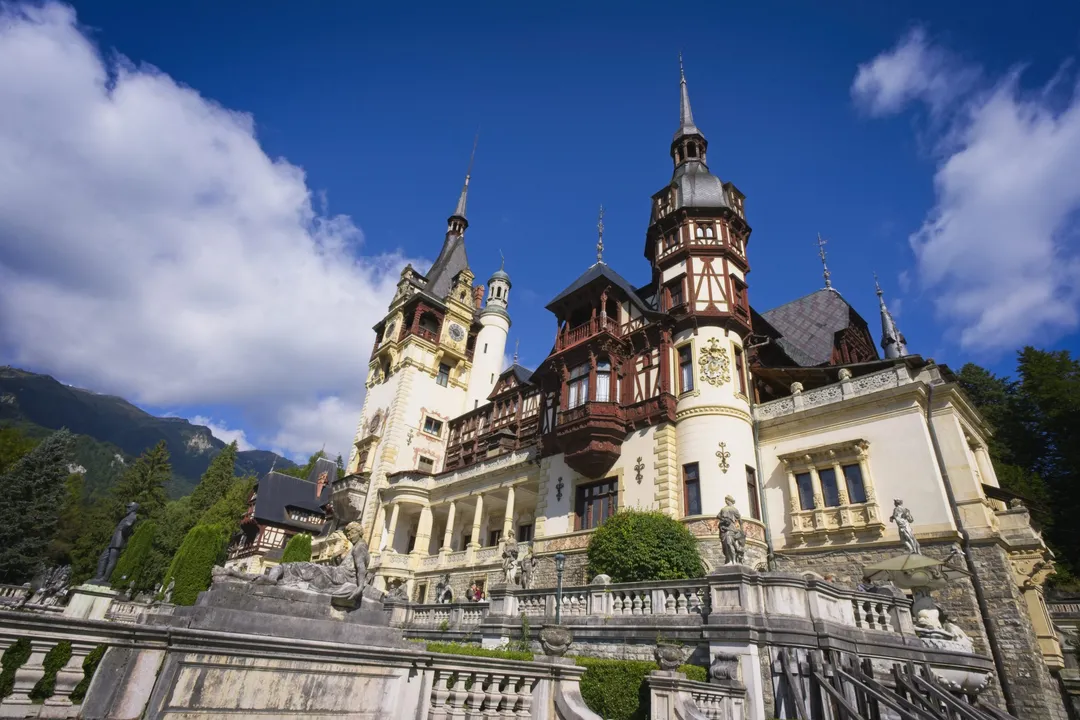
Finding the cheapest place to eat in Europe is less about locating a single, hidden street vendor and more about understanding which countries and cities prioritize culinary value for the everyday resident, not just the passing tourist. While the romanticized capitals of Western Europe often demand a hefty premium for a simple plate of pasta or steak frites, a fascinating value proposition exists across the continent, particularly in the Balkans and parts of Eastern and Southern Europe. The truth is that the continent does not operate on a single price scale; a budget of €50 for a three-course dinner for two might be considered expensive in one nation but a genuine steal in another.
# Balkan Value Zone
When looking purely at national averages for a mid-range dinner for two—a three-course affair—the data strongly points eastward. Countries like North Macedonia (averaging just over €24 for that meal) and Bosnia and Herzegovina (around €25.55) consistently top the charts for affordability. These locations offer an exceptional baseline cost of living that directly translates to cheaper grocery bills and lower restaurant overheads.
Sarajevo, in Bosnia and Herzegovina, is frequently cited as a favorite food city where money stretches surprisingly far. Here, hearty staples are incredibly inexpensive. A plate of ćevapi—grilled sausages served with fluffy somun bread, onions, and kajmak (a creamy dairy product)—can be secured for roughly €4 to €6. For a light, traditional lunch, a large, flaky burek pastry, stuffed with cheese or meat, often costs between €2.50 and €3.50, frequently accompanied by a small pot of yogurt. Even the ritualistic Bosnian coffee, served in its traditional copper pot, typically costs only about €1.50.
Similarly, Belgrade, Serbia, stands out as potentially the best overall value city right now, according to some travel writers. A full, multi-course dinner for two in a traditional kafana—including mixed grill, salads, drinks, and dessert—might total only €30 to €35. Here, the aforementioned ćevapi is also a cornerstone of cheap eats, costing around €6–€7 for a generous serving.
Bulgaria's capital, Sofia, also appears on multiple "cheapest" city lists, making it a strong contender for value. You can start a meal with a shopska salad—a simple but refreshing mix of tomatoes, cucumbers, peppers, and white cheese—for about €2.50 to €3. Even main dishes like hearty bean stews or grilled meats often fall within the €5 to €9 range, even centrally located. Breakfast can be as cheap as €1.50 for a warm banitsa pastry.
# Southern Charms
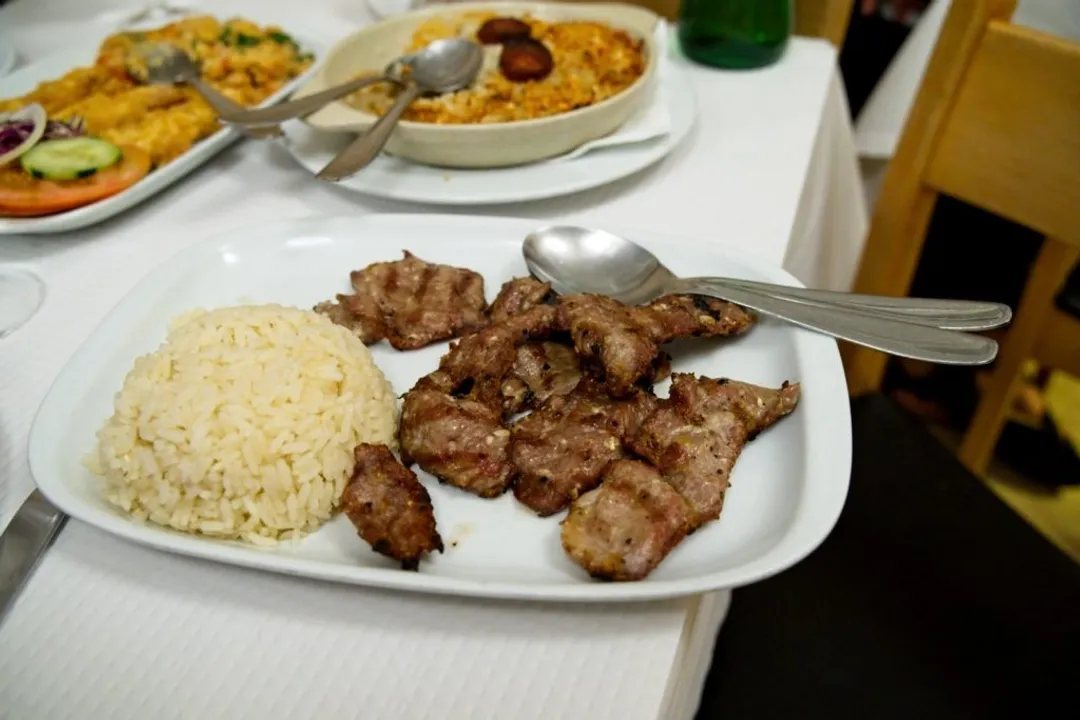
While the Balkans often claim the absolute lowest prices, popular Mediterranean destinations like Portugal, Spain, and Greece provide a far more famous tourist backdrop while remaining remarkably budget-friendly compared to Northern Europe. In these countries, a three-course dinner for two averages around €50, meaning you are still only paying about €25 per person.
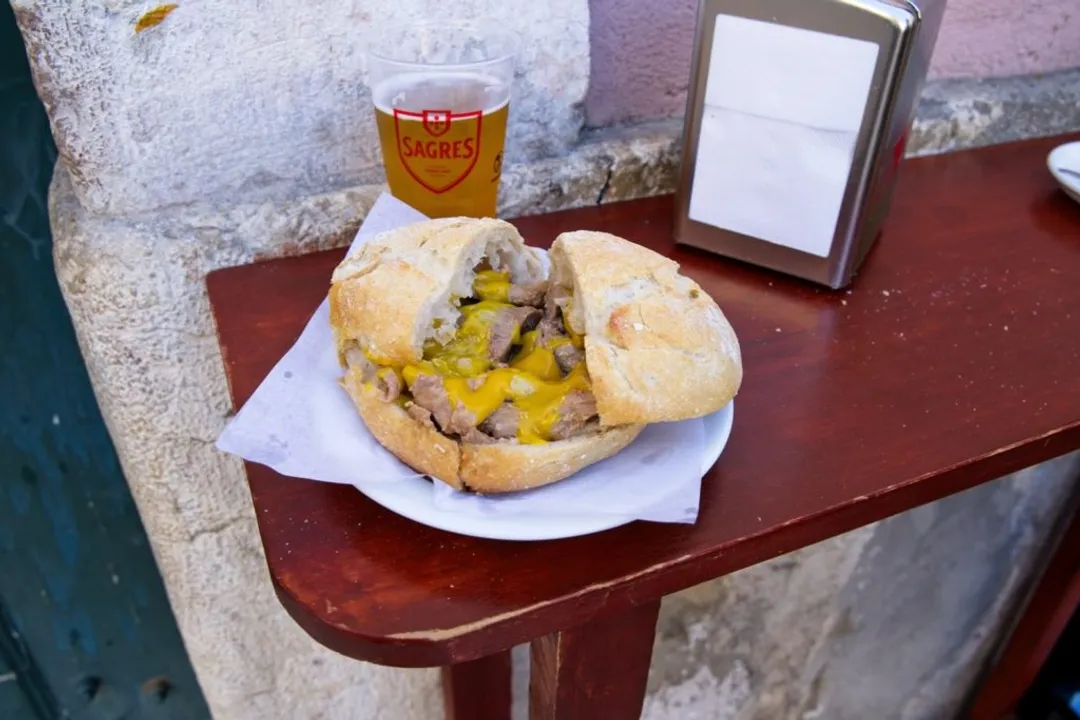
Lisbon, Portugal, is repeatedly highlighted for offering superb food at an affordable price point. The key here is seeking out tascas, which are local, often family-run eateries. At these spots, €10 to €12 can often cover soup, a main course (like grilled fish or pork), a drink, and coffee. For a snack that defines budgetary bliss, the bifana—thin slices of pork cooked in wine, garlic, and spices piled onto a roll—can cost as little as €3.
In Granada, Spain, the affordability is less about low menu prices and more about an ingrained local tradition: free tapas. In Granada, the practice of receiving a free small plate of food with every drink purchase remains strong. If you buy three reasonably priced drinks (€2–€5 each), you’ve essentially had a complete, varied meal for €10–€15. This strategy allows a traveler to sample everything from seafood rice to stewed meats without the cost escalating.
Athens, Greece, maintains its appeal for the frugal foodie. The iconic souvlaki wrap, hot, juicy, and loaded with tzatziki and even fries, is readily available from street stalls for €2.50 to €4. For a more relaxed sit-down experience in a local taverna, ordering a classic moussaka, a Greek salad, and a half-litre of house wine can often keep the cost near €15 per person.

# Eastern & Central Price Pockets
Beyond the immediate Balkan region, several Central and Eastern European cities offer excellent value, often mixing historical charm with low daily expenditure.
Prague, Czechia, consistently offers great value, even in the central areas if one knows where to look. One highly effective strategy is opting for the daily lunch specials, known as denní menu. For €8 to €10, you can often secure a multi-course lunch, including soup, a main dish like goulash or schnitzel, and even a beer. While the beer is always cheap—often €2 to €2.50 for a half-litre of lager—these set menus provide the best bang for your buck during the day.
Warsaw, Poland, offers a unique historical approach to affordable dining through its Milk Bars (Bar Mleczny). Born from a post-war necessity to provide nutritious meals cheaply to workers, these cafeterias continue this tradition. You can find surprisingly excellent meals here; for instance, two entrees, two soups, and two sodas might cost around $10 USD total. While Warsaw also boasts excellent international food and rising fine dining prices, the Milk Bar remains a true budget staple.
For the traveler seeking something unique and less trafficked, Tirana, Albania, is noted for its surprisingly delicious, affordable cuisine. Seafood, which is often expensive elsewhere, is fresh and extremely well-priced here, sometimes half the cost seen in other parts of Europe. Furthermore, simple grilled meats cooked over hard wood coals—like meatballs or roasted chicken—can be enjoyed for as little as 5 USD.
# Strategic Spending Insights
Navigating Europe on a budget requires recognizing that the type of meal or dining structure matters as much as the location. While comparing national averages is a good starting point, travelers must also weigh the experience against the cost.
Consider the trade-off between structured savings and spontaneous discovery. In Granada, the "free" tapas require you to consume alcohol to unlock the value, meaning if you only want water and a small bite, the cost-per-item might actually be higher than a standard cafe menu. Conversely, Prague's denní menu provides a full, hot, multi-component meal—soup, main, beer—for a set, low price, making it arguably the most efficient way to consume a large, traditional volume of food during the midday slump. This midday saving is often more substantial than trying to find the cheapest dinner deal when restaurants are operating at peak tourist pricing.
It is also important to avoid pigeonholing your search to only the absolute cheapest countries. Cities like Istanbul, Turkey, frequently appear on both "cheap eats" lists and higher-end dining indexes. While one can certainly spend a lot, the street food culture ensures basic sustenance is cheap. Grabbing a simit (sesame bread ring) and tea for about €1.50, or a grilled fish sandwich (balık ekmek) by the Bosphorus for €2 to €2.50, keeps daily spending low, even if the average national dinner price creeps up due to more expensive districts. The ability to subsist on exceptional street food in major hubs like Istanbul, or even Naples, Italy (where a world-class Margherita pizza can cost only €5 to €7), proves that location alone isn't the only factor; the local culinary structure is equally important.

# City Price Comparison Table
To contrast the sheer variety of affordable options across the continent, here is a look at specific budget anchors drawn from various sources, highlighting the difference between a quick snack and a full sit-down experience:
| City | Country | Budget Staple | Approximate Cost | Meal Type Context |
|---|---|---|---|---|
| Granada | Spain | Glass of wine + Tapa | €3–€4 total | Inexpensive/Free |
| Athens | Greece | Souvlaki Wrap | €2.50–€4 | Street Food |
| Sarajevo | Bosnia & H. | Burek Pastry | €2.50–€3.50 | Quick Lunch |
| Lisbon | Portugal | Bifana Sandwich | ~€3 | Street Food |
| Prague | Czechia | Daily Lunch Menu | €8–€10 (with beer) | Set Midday Meal |
| Belgrade | Serbia | Dinner for Two | €30–€35 | Full Sit-Down |
| Naples | Italy | Pizza Margherita | €5–€7 | Traditional Pizzeria |
| Bucharest | Romania | Papanasi Dessert | ~$3.5 USD | Local Specialty |
It is worth noting that for many of the most affordable cities, like Zagreb or Tirana, the dining experiences often center on local, non-international fare—Strukli in Zagreb or simple grilled meats in Tirana. Travelers seeking familiar comfort food might find slightly better value and variety in Milk Bars in Warsaw or through the diverse international food scene found in Prague, though these often carry a slightly higher price tag than pure, local Balkan staples.
# Mastering Frugal Dining
Beyond choosing the right city, mastering the how of eating cheaply is essential for any budget-conscious traveler in Europe. While asking locals for advice is always recommended, a few habits consistently yield savings across all affordable regions.
- Embrace the Local Market: Visiting a sprawling farmers’ market, such as Dolac Market in Zagreb, allows you to assemble a superb, fresh picnic for mere euros. Buying local cheese, cured meats, and fruit allows you to bypass restaurant markups entirely. This also allows you to taste ingredients that would otherwise be prohibitively expensive in a prepared dish.
- Prioritize Lunch Specials: As seen in Prague, lunch is almost universally cheaper than dinner. Many higher-priced cities that don't make the "top 10 cheapest" list still offer fantastic lunch deals where a main course is heavily discounted compared to its evening menu price.
- Go Local for Sweets and Coffee: Whether it is grabbing a pastel de nata in Lisbon for €1 or less, or a strong espresso and a sfogliatella pastry in Naples for under €3 total, focusing on local pastry shops and cafes for morning or afternoon treats saves significantly over sit-down cafe culture, where a simple brunch item can easily cost €12.
Ultimately, the cheapest place to eat in Europe isn't a single geographic point, but rather a mindset focused on consuming local, time-tested dishes where the national economy supports low price points, or mastering the local secret—be it a free tapa or an inexpensive worker’s canteen—in any corner of the continent.
Related Questions
#Citations
The 10 Cheapest Cities in Europe for Great Food (2025)
9 CHEAP Countries In Europe to Visit With AMAZING Food
Cheap Eats in Europe 2024 - English - OAD Guides