What is the cheapest fast food chain to eat at?
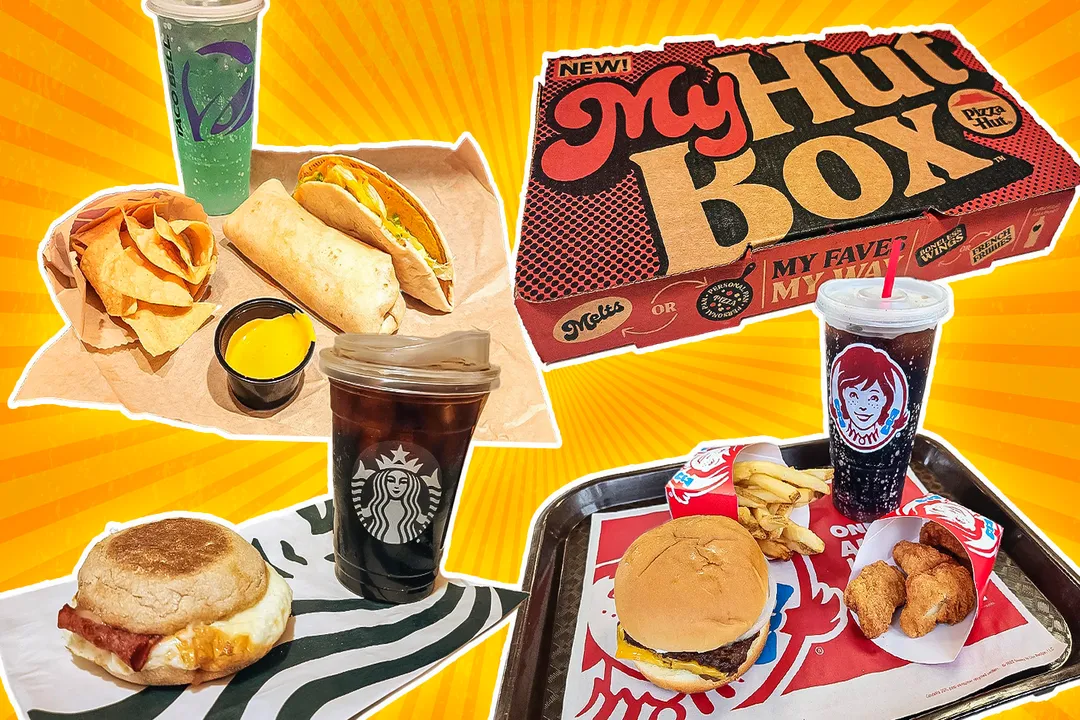
Pinpointing the single absolute cheapest fast-food chain in the United States is less about a definitive corporate slogan and more about navigating a constantly shifting landscape of limited-time offers, regional pricing, and the specific item you choose to order. [2][4] The title of "cheapest" rarely belongs to one contender year-round; instead, it shifts between major players like Taco Bell, McDonald's, Wendy's, and smaller regional favorites depending on the value menu's current offerings. [2][10]
# Defining Cheapness
The perception of affordability in the fast-food world often hinges on the presence and strength of the dollar menu or its modern equivalent, the value menu. [2][4] When consumers seek the cheapest meal, they are typically looking for the lowest price point for a substantial item, often under five dollars, or the ability to construct a filling meal for ten dollars or less. [2][4] The term "cheapest" can be interpreted in two ways: the lowest cost for any single item on the menu, or the best value per calorie or protein for the lowest overall price. [2]
For instance, Taco Bell has historically been a dominant force in the value sector, largely due to its long-standing history of featuring items priced at one dollar or less, even when competitors phased out true dollar items. [2][9] However, recent economic shifts have seen the baseline price for many formerly one-dollar staples creep up to 1.49 across the industry, making the comparison more nuanced than it was even a few years ago. [10]
# The Dollar Menu Wars
The value menu remains the battleground for determining the low-end pricing leader. Taco Bell is frequently cited by consumers as the go-to for cheap eats. [1][8] Many fans recall the enduring appeal of the Cravings Value Menu, which aims to keep several core items accessible. [2] While exact pricing fluctuates by location and time, Taco Bell's strength lies in offering multiple options under the $2 mark, allowing a budget-conscious individual to assemble a surprisingly varied meal without breaking the bank. [2][9]
McDonald's, a behemoth in the industry, competes fiercely with its own value propositions. Their deals often rely less on a permanently priced value menu and more on limited-time offers or app-exclusive savings. [4] The classic McDonald's cheeseburger, for example, is often positioned as a benchmark low-cost item, but what constitutes the best deal changes regularly. [10] If McDonald's pushes a $1 $1 $1 $1 $1 $1 deal or heavy app discounts, they can temporarily seize the "cheapest" crown, but this usually requires the customer to engage with their mobile platform. [4]
Wendy's presents a similar dynamic. While they focus heavily on the quality of their fresh, never-frozen beef, which can sometimes command a slightly higher base price, their value offerings are crucial for budget seekers. [2] Their "4 for $4" or similar bundled deals often provide superior value—more food for the dollar—even if a single item might be more expensive than a bare-bones offering at a competitor. [2][10] When evaluating the cheapest chain, one must decide if they need the cheapest single item or the cheapest complete, satisfying meal. [2]

# Regional Contenders and Underrated Value
The national chains dominate the conversation, but the absolute cheapest option might be hiding just outside the mainstream spotlight, especially when considering regional chains. [9] For example, in some parts of the country, chains like Jack in the Box have historically offered incredibly low-priced options that compete directly with the biggest names. [2] Sonic Drive-In, while sometimes viewed as pricier due to its made-to-order nature, often features specific happy hour deals or value snacks that undercut the national giants on certain items. [2]
Another factor to consider is geographic variation. A dollar menu item in rural Kansas may genuinely cost $1.00, whereas the exact same item in a high-rent metropolitan area like Manhattan or coastal California is almost guaranteed to be priced significantly higher due to operating costs. [1] This variability means the "cheapest chain" can change depending on your zip code. [1]
When looking at perceived affordability, it’s interesting to map out what different chains prioritize in their value structure. McDonald's tends to use its iconic, small sandwiches and drinks as loss leaders or traffic drivers, relying on customers to "upsize" their order to hit a profitable average ticket. [4] Taco Bell, conversely, builds its value proposition around creating layered flavor experiences—even the cheapest items feel like a complete, albeit small, menu offering—rather than just offering a stripped-down burger. [2]
# Beyond the Menu Price: The Cost of the Meal
To truly determine the most affordable experience, one must look past the sticker price of an individual item and consider the Total Meal Cost Index (TMCI).
| Chain (Generalized Focus) | Value Menu Strength | Typical Low-End Meal Construction (Post-2023 Estimates) | Value Focus |
|---|---|---|---|
| Taco Bell | High | Two value items + tax \approx \3.00-$4.50$ [2] | Flavor diversity at a low unit price |
| McDonald's | Medium (App Dependent) | One value item + Small Drink \approx \4.50-$6.00$ [4] | Iconic single item price anchoring |
| Wendy's | Medium (Bundles) | A bundle deal (e.g., 4-item combo) \approx \5.00-$7.00$ [10] | Calorie/Protein density per dollar |
| Burger King | Low/Medium | Often requires digital coupons to match competitors [2] | Frequent LTOs and digital offers |
This hypothetical TMCI suggests that while Taco Bell might win on the single cheapest item, Wendy's often wins on the cheapest complete meal through their bundled offerings, provided the customer doesn't mind eating the same combination repeatedly. [2][10] McDonald's value is increasingly locked behind digital engagement, a barrier not everyone wants to navigate just to save a dollar. [4]

# The Importance of Digital Engagement
A crucial, modern element in finding the cheapest fast food is understanding the role of mobile apps and loyalty programs. [4] What was once the cheapest in-store deal is often superseded by an offer only available via a smartphone application. [4] For example, a chain might advertise a standard $1.99 item, but the app might offer a "Buy One Get One Free" deal on a slightly higher-priced sandwich, effectively cutting the cost per item in half, an unbeatable saving if you plan to eat two meals or share. [4]
This reliance on digital tools introduces a new layer of complexity for the budget-focused consumer: the time spent navigating the app versus the actual savings achieved. If finding the best price requires five minutes of scrolling through rotating promotions, the actual "value" of that time needs to be factored in, even if subconsciously. For the shopper seeking pure simplicity, the chain with the lowest shelf price—even if slightly higher overall—might feel cheaper because the transaction is faster and requires less mental effort. [10]
# Comparing the Top Value Pursuits
When looking at specific customer reports and professional rankings, a few clear patterns emerge regarding who is winning the value race in recent assessments:
# Taco Bell's Consistency
Taco Bell often wins accolades for variety within its value tier. [2] It's not just about getting a single cheap item; it's about the fact that the value menu itself feels like a legitimate, distinct menu section. [9] Items like the Cheesy Roll Up or specific Crunchy Taco versions, when available at their lowest price points, are hard to beat for pure cost entry. [1] The experience often feels less like buying scraps and more like intentionally selecting budget-friendly favorites. [2]
# Wendy's Value Bundles
Wendy's excels when they package items together. [10] The concept of the $5 Biggie Bag (or whatever iteration is current) is designed to be an entire, balanced, low-cost meal—usually including a main sandwich, four-piece nuggets, small fries, and a small drink—for one set price. [2] This approach bypasses the need to mix and match items à la carte, which can often lead to higher taxes or missing out on a better beverage deal. [10] If a consumer always needs a full meal, the bundle winner is often the cheapest option.
# McDonald's Price Anchoring
McDonald's frequently uses a single, highly publicized low-price item to anchor customer expectations about their affordability. [4] They are masters of the McDouble or similar small burgers, priced aggressively low to ensure they always have an answer when someone asks for the cheapest burger available. [4] Their competition often centers on matching this anchor price or beating it with a digital coupon. [10]
It is important to note that an item priced at 2.29 just ten miles down the road, creating vast inconsistencies that favor no single chain nationwide. [1]
To maintain genuine savings, budget-conscious diners should develop a small, rotating portfolio of go-to value items from three different chains, rather than relying on just one. For instance, a standard week might involve Taco Bell for lunch (using their value menu), McDonald's for a quick breakfast item if a strong app deal is present, and perhaps Wendy's for a bundled dinner option on a day when extra calories are needed for the price. [2][10] This strategy avoids menu fatigue and maximizes the impact of whichever chain is currently running the most aggressive promotion in your area.
# The Role of Non-Burger Chains
While burgers and tacos get the most attention, considering other formats can sometimes reveal superior cost-effectiveness.
# Subway's Footlong Conundrum
Subway used to be legendary for the 5 or $6 footlong is available, it is unbeatable for sheer volume, but this is now a rarity rather than a staple. [4]
# Pizza and Chicken Value
For those looking beyond traditional burgers, the value proposition shifts. Chains focusing on chicken often have higher baseline costs. For example, Chick-fil-A, while frequently lauded for quality, is almost never considered the cheapest option. [2] Similarly, most national pizza chains now require ordering a specific deal (like a large 2-topping for $14.99) to achieve value, making a single-person cheap meal difficult to construct compared to dedicated sandwich or taco shops. [2]
# Synthesis of Findings
When synthesizing consumer reports, expert rankings, and community discussions, the consensus often points toward a slight edge for Taco Bell if the goal is the lowest possible price for a single, non-app-required, recognizable menu item. [1][2][8] However, if the goal is the best value meal (most food volume for the dollar), Wendy's bundled deals often take the top spot, provided the consumer is comfortable with the bundled options they offer. [10] McDonald's remains perpetually close, but their true cheapness is frequently gated behind digital access, making it less reliably cheap for the casual, walk-in customer. [4]
This complex picture proves that the search for the cheapest fast food is an active one, requiring the consumer to check current circulars, app deals, and local pricing maps before deciding where to spend their tightest budget. [10] The chain that wins today might be undercut tomorrow by a competitor testing a new limited-time deal designed to poach value-seeking customers.
#Videos
BEST Cheap Fast Food for $5: I Tested 7 Chains & One ... - YouTube
Related Questions
#Citations
For $5 What is the cheapest Fast Food Chain (Nation Wide) (US)
The Top 17 Fast Food Value Menus, Ranked - The Takeout
Where To Find The Cheapest Fast Food In America Right Now - Delish
I Compared $10 Meals at Fast-Food Chains to Find the Best Value
BEST Cheap Fast Food for $5: I Tested 7 Chains & One ... - YouTube
What fast food places can I get a decent meal for $7? - Facebook
*LIST* The Cheapest Fast Food Chains In The U.S. | 100.3 The Peak
What is the cheapest fast food restaurant brand in the USA? - Quora
Ranked Fast Food Value Meals For Summer 2024
7 Most Affordable Fast-Food Chains in 2024 - Eat This Not That