What is the flavor of New Jersey Tea?
The question of what New Jersey Tea tastes like often leads to comparisons with traditional steeped beverages, yet the flavor profile of Ceanothus americanus sits distinctly on its own, rooted in its history as a beloved substitute during challenging times. This native shrub became an important part of colonial life, not because it perfectly mimicked imported tea, but because it offered a mild, pleasant alternative when taxation made true Camellia sinensis prohibitively expensive or politically undesirable. To understand its taste, one must first set aside expectations derived from black or green tea; the experience is fundamentally different.
# Historical Necessity
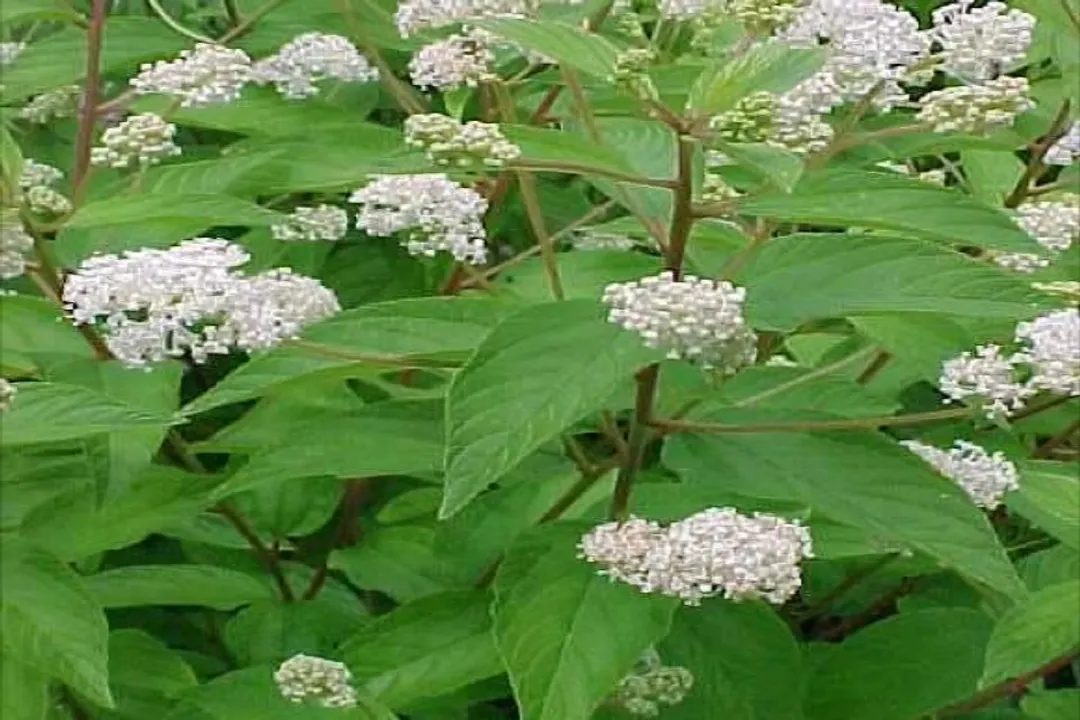
The adoption of New Jersey Tea, named for the plant Ceanothus americanus, grew out of necessity during the American Revolutionary War. As tensions rose and later escalated into conflict, colonists sought domestic alternatives to British imports, making this plant's leaves a patriotic choice for a daily warm drink. Its ready availability and ease of preparation—the leaves dry well for later use—secured its place in American herbal lore. While the historical context explains why people drank it, the enduring appeal lies in the character of the brew itself.
# Base Flavor Profile
When assessing the flavor of New Jersey Tea, the most consistently noted characteristic is its mildness. Unlike traditional teas, the brew made from Ceanothus americanus is distinctly not bitter, astringent, or soapy, qualities often found in other historical tea substitutes. This lack of strong astringency, which is derived from tannins found in true tea, is perhaps the most telling difference in the experience. Some drinkers have likened the overall sensation to a very light, mild green tea or even the gentle herbaceousness found in chamomile. It provides warmth and flavor without the drying sensation that heavy tannins impart on the palate.
# Distinctive Notes
While mild, the infusion is not entirely neutral; it carries several defining, subtle flavor notes that set it apart. The most commonly cited element is a resinous or piney quality. This isn't the harshness of turpentine, but rather a faint, woodsy background note that gives the brew depth. People familiar with pine needle teas might recognize this whisper of the forest.
In addition to the resinous backbone, there is an often-mentioned aromatic component described as faintly citrusy or lemony. This brightness helps balance the earthier, piney aspects, making the overall drink refreshing rather than heavy. The combination is subtle enough that some find the resulting tea reminiscent of the flavor found in Lonicera japonica, or Japanese honeysuckle tea. This connection suggests a shared, gentle floral-citrus element between the two infusions.
For those approaching it without prior expectations, the resulting tea offers a delicate herbaceous experience, often described as pleasant and unique.
# Aromatic Comparisons
Diving deeper into the crushed leaf itself can sometimes reveal even more complex initial aromatics, separate from the steeped liquor. When the fresh leaves are crushed between the fingers, some describe the immediate scent as sweet and surprisingly reminiscent of root beer or sassafras. While this specific aroma doesn't translate directly or fully into the brewed tea, it highlights the volatile oils present in the foliage that contribute to the overall sensory profile. This unusual aromatic connection to common flavoring agents like sassafras adds an interesting layer to the plant's profile.
The fact that the plant offers both a faintly citrusy scent in the dried leaf infusion and a potential root beer-like smell when freshly crushed suggests a broad spectrum of aromatic compounds, which can be exploited in preparation.
# Preparation and Enjoyment
The preparation method greatly influences how these subtle flavors manifest. Since the goal is usually to highlight the mild characteristics while avoiding any potential off-flavors, careful brewing is key. The leaves dry easily, making it convenient to keep a supply ready for steeping.
Given the described flavor profile—mild, slightly resinous, with a hint of citrus—it becomes clear why historical accounts suggest blending New Jersey Tea with other readily available herbs like mint or lemon balm. This blending strategy allows the drinker to either bolster the existing citrus notes or introduce a stronger complementary flavor without fighting the mild base.
An interesting practical consideration for anyone trying this today is how the absence of strong tannins affects its function as a daily beverage. True teas can be dehydrating or cause gastric upset for some individuals if consumed frequently or in large quantities due to their high tannin content. Because New Jersey Tea lacks this astringent quality, it serves as a much gentler infusion, which might explain its popularity as a true substitute for daily consumption rather than just a special occasion treat. This gentle nature means the infusion is very forgiving; over-steeping might result in a slightly stronger herbal taste, but it is unlikely to turn harsh or unbearably bitter.
If one were aiming to maximize the delicate, citrus-tinged notes, one approach might be to employ a very short initial steep in near-boiling water, perhaps only 30 seconds, followed by discarding that water to "wake up" the leaves, and then proceeding with a longer steep (around five minutes) in slightly cooler, but still hot, water. This technique aims to extract the aromatic oils without excessively pulling out the heavier, woodier compounds, which could mute the citrus element.
# Summary of Flavor Elements
To summarize the expected taste experience, one should anticipate a warm, non-astringent liquid where the primary flavor is mild and herbaceous, supported by characteristic undertones.
| Flavor Dimension | Primary Description | Notes/Comparisons | Source Support |
|---|---|---|---|
| Base Sensation | Mild, Pleasant | Not bitter or astringent | |
| Core Taste | Resinous/Piney | Subtle, woodsy background | |
| Aromatic Lift | Faint Citrus/Lemon | Brightness that cuts through earthiness | |
| Floral Analogy | Honeysuckle Tea | Similar to Lonicera japonica infusion | |
| Unsteeped Aroma | Sweet | Reminiscent of root beer or sassafras when crushed |
This array of characteristics—the mild body, the piney depth, and the citrus lift—defines the flavor of New Jersey Tea, making it more than just a historical footnote but a genuinely interesting herbal infusion to try in its own right. It stands as a testament to the resourcefulness of the past, delivering a uniquely American taste experience derived from a common native shrub.
Related Questions
#Citations
Plant Of The Month: New Jersey Tea
New Jersey Tea: What does it taste like?
New Jersey Tea
Ceanothus americanus - New Jersey Tea
New Jersey Tea
New Jersey Tea | The Thing That is Steve
Ceanothus americanus - New Jersey Tea
New Jersey Tea | Hyattsville, MD - Official Website
New Jersey Tea | Ceanothus Americanus