How to use New Jersey Tea?
The tradition of turning to the landscape for daily comforts runs deep, and few native plants embody this resourceful spirit quite like Ceanothus americanus. [3] Known by several evocative names—Red Root, Wild Snowball, Mountain Sweet, and Soapbloom—this unassuming shrub is most famously associated with its historical role as a patriotic beverage substitute: New Jersey Tea. [5] When British taxation made imported tea a politically fraught purchase, American colonists sought alternatives, finding a suitable, naturally occurring replacement in the leaves of this plant. [3][6] This historical connection is key to understanding how to use this plant today, whether you are seeking a caffeine-free tisane or appreciating its wider utility. [6]
# Naming Origin
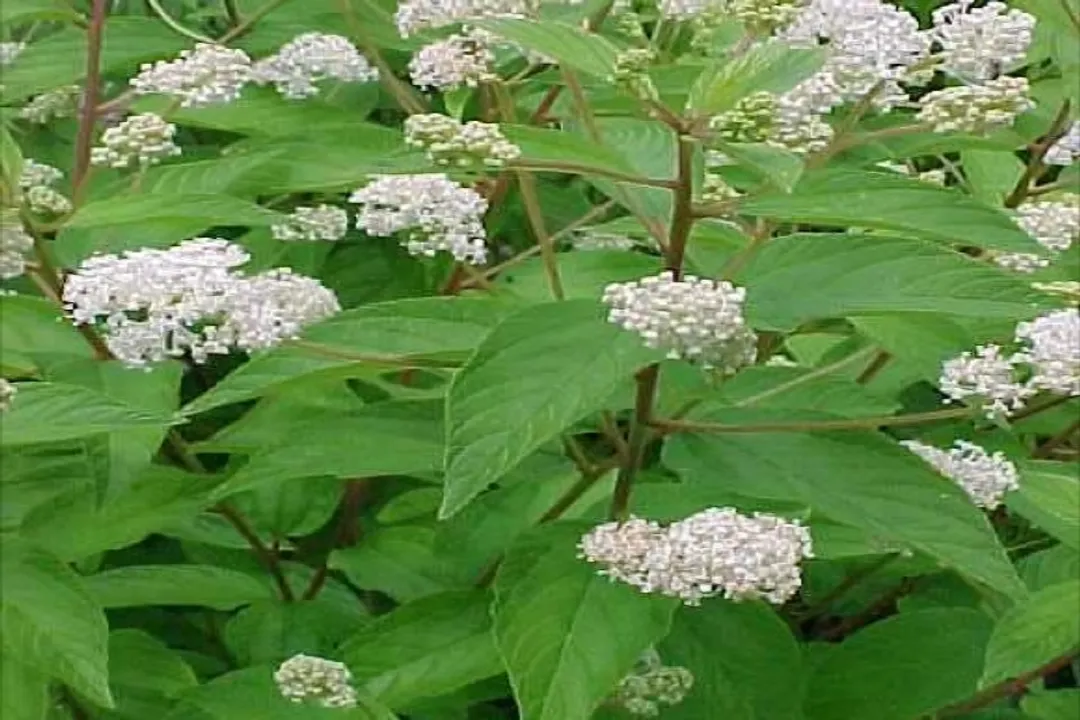
The name New Jersey Tea stuck because the plant was found in abundance near Philadelphia, particularly in the New Jersey Pine Barrens, when the need for a domestic tea source arose during the Revolutionary War. [3][6] It is important to remember that while the leaves produce a beverage, the resulting drink is entirely free of caffeine, setting it apart from Camellia sinensis. [3][6] Though used by colonists for tea, Native American tribes across regions like the Missouri River area also valued the leaves for this purpose, while simultaneously employing the roots for various medicinal preparations.
# Harvesting Leaves
To prepare New Jersey Tea, the leaves are the primary focus for infusion. [4] The best time to gather them is typically when the plant is in full bloom during the early summer months. [3][6] Once harvested, the leaves must be properly processed to develop the best flavor profile for brewing.
You have a few routes to follow when drying:
- Simple Shade Drying: The most straightforward approach involves hand-crushing the leaves slightly, then thoroughly drying them in the shade. [3] This prevents sun-scorch, which can degrade the desirable compounds and flavor.
- Experimentation with Fresh vs. Dried: While some foragers use leaves fresh, many report that drying yields a more flavorful final product. [4] The resulting dried leaves can be stored for later use. [3]
A distinctive feature of this process is that you can choose to pursue a method closer to traditional black tea preparation or follow a technique that suggests slight fermentation. [3][4]
# Brewing Methods
The way you treat the leaves before infusion can greatly influence the final taste, which is often described as mild, somewhat akin to Bohea Tea or a cross between green tea and nettle tea. [3][6]
# Simple Infusion
For a standard, quick cup, treat the dried leaves as you would any loose-leaf herbal tea. A generally accepted guideline suggests using about one teaspoon of dried leaves per cup of water. [3]
- Heat fresh, filtered water until it is near boiling. [4]
- Pour the hot water over the prepared leaves.
- Allow the mixture to steep for a recommended duration of 10 to 15 minutes. [4] As with any herbal infusion, adjusting the temperature and steep time allows the drinker to tailor the resulting flavor profile to their personal preference. [4]
# The Colonial Technique
Colonists were rumored to employ a specific technique to enhance or alter the flavor of the leaves before they were fully dried, perhaps aiming to mimic the taste of imported teas or to induce a mild fermentation. [3] This method involves two steps after initial gathering:
- Prepare a decoction by boiling a quantity of leaves and small twigs in water. [3]
- Take the fresh leaves you intend to save for tea and dip them into this hot decoction. [3]
- After dipping, allow these leaves to dry completely in the shade. [3]
The reported outcome of this dipping and drying was that the leaves were thought to ferment slightly, which may have contributed to the historical flavor they sought. [3] If you are growing a healthy supply, trying this method alongside the simple shade-dry method provides a practical comparison of the historical intent versus modern ease. [3][4] For a stronger infusion, you might use one tablespoon of fresh leaves per cup instead of the teaspoon measurement used for dried leaves. [3]
# Beyond the Cup Other Uses
The utility of Ceanothus americanus extends far past the teacup, demonstrating its value throughout history and in modern ecological gardening. [6] Different parts of the plant offer distinct benefits, but it is critical to note that the berries or seeds are not considered edible. [3]
# Root Medicine
The stout, deep, reddish taproot, which gives it the alternate name Red Root, has a long history of medicinal application. [3] Native peoples used the roots and root bark extensively to treat issues related to fevers and respiratory complaints, such as sore throats and problems affecting the mucous membranes. [3]
Traditional applications of the root and root bark focus on its:
- Strongly astringent properties (containing about 8% tannin). [3]
- Expectorant and antispasmodic actions, making it a focus for treating asthma, bronchitis, and coughs. [3]
- Hemostatic effect, recently supported by the discovery of a blood-clotting agent in the roots. [3]
Herbalists today still concentrate on these actions, often using the roots in tinctures, commercially sold as Red Root, or as an infusion or decoction. [6][3] The astringency also lends itself to use as a mouthwash. [6]
# Natural Dyes and Soap
The plant’s vivid coloring agents and saponin content provide practical, non-ingestible uses. [3][5]
- Dye Potential: The flowers contain compounds that yield a light green dye when processed. [3] The bark and root produce a red dye, while the entire plant can produce a cinnamon-red dye. [3][5]
- Fragrant Soap: The white flowers are rich in saponins. [3] When the blossoms are simply crushed and mixed with water, they create an effective, gentle lather. [3][5] This made the flowers historically useful as a body wash, particularly noted as a fragrant wash used by women in preparation for marriage, and for cleaning clothing. [3]
# Landscape Value
While this article focuses on using the harvested plant material, its inherent qualities make it an excellent specimen to cultivate, especially when considering replacement options for invasive ornamentals. [5] As a native plant, it supports local ecology. [1] Its dense, woody structure and deep roots offer significant benefits for soil stability. [5]
One highly beneficial characteristic for gardeners dealing with less-than-ideal conditions is its ability to fix nitrogen. [6] As a non-leguminous nitrogen fixer, its root nodules house bacteria that convert atmospheric nitrogen into a usable form, effectively providing the plant with its own fertilizer, which also benefits surrounding soil over time. [6] This feature, combined with high drought tolerance and a preference for dry, well-drained, or even rocky soils, means it thrives in sunny or partially sunny spots where other landscaping might struggle. [1][3] The vigorous root system that makes it challenging to transplant also means it can establish quickly on slopes for erosion control and may produce suckers to form a thicket. [5] For the wildlife enthusiast, the showy white flowers blooming from May through July are a nectar source for native bees, butterflies, and hummingbirds, and the foliage feeds specific moth and butterfly larvae. [1][5]
When considering cultivation, be aware that deer and rabbits are known to browse the stems, which can present a challenge to establishment if browsing pressure is high in your area. [5] Propagation can occur via root division in the fall or by seed, though the seeds often require stratification to germinate successfully. [5] Planting seeds in the late summer allows winter cold to provide this necessary stratification naturally, increasing the chances of spring sprouting. [7]
Related Questions
#Citations
New Jersey Tea - Eat The Weeds and other things, too
New Jersey Tea.... tea : r/foraging - Reddit
Ceanothus americanus - New Jersey Tea
New Jersey Tea: Making You an Offer You Shouldn't Refuse
New Jersey Tea - Experimental Farm Network Seed Store
Plant Of The Month: New Jersey Tea
[PDF] New Jersey Tea, Ceanothus americanus, Plant Fact Sheet