What can I use as a starter culture?
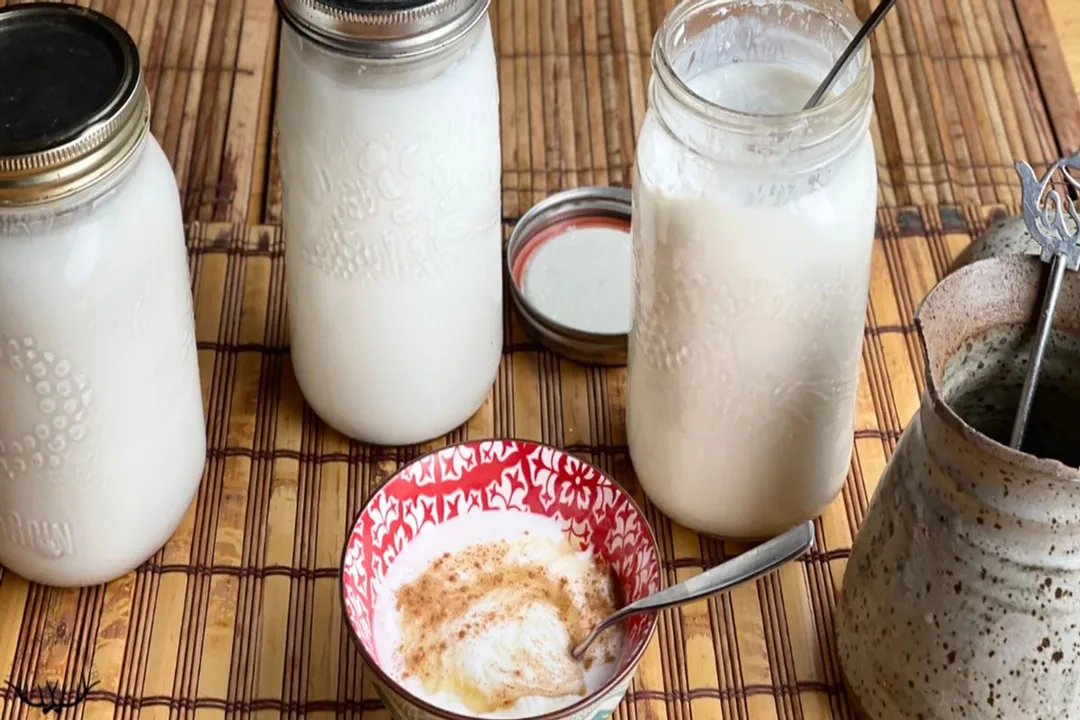
Starting a fermentation project, whether it's tangy yogurt, crisp sauerkraut, or sharp cheese, always begins with the same critical component: the starter culture. This culture is the microbial engine that drives the entire process, converting sugars into acids, alcohol, or gas, which preserves the food and develops its signature flavor and texture. The immediate question for many newcomers is sourcing this engine. Can you buy it? Can you make it? And most importantly, what common pantry items might already contain the microscopic life you need? The answer is remarkably flexible, often involving repurposing a successful batch or cultivating organisms that already surround us. [1][2]
# Yogurt Starters
For many home fermenters, yogurt is the entry point, and luckily, yogurt makes an excellent starter for subsequent batches of yogurt. [6][8] The principle here is straightforward: you are essentially borrowing the active bacteria from a finished product to inoculate fresh milk. However, not all yogurt is created equal for this purpose. [4]
# Quality Selection
When selecting store-bought yogurt to use as a starter, the key is ensuring it contains live and active cultures. [4] Ideally, you want to confirm the presence of the classic thermophilic duo: Lactobacillus bulgaricus and Streptococcus thermophilus. [4] If you are looking at commercial options, some experienced fermenters suggest researching specific brands that are known within the community for maintaining strong, viable cultures. [3] One common piece of advice circulating among home fermenters is to look for plain, unflavored yogurt, as added sugars or stabilizers can sometimes interfere with the bacterial balance needed for a strong set. [4]
Contrast this with using yogurt that has been sitting in the refrigerator for weeks. While it might still work, viability decreases over time, much like any living thing. [6] Using very old yogurt is a common reason why a new batch might fail to set properly or develop an odd consistency.
# Creating New
If you have a reliably good batch of yogurt, you can create a new starter from scratch, which is often more economical than buying new yogurt repeatedly. [6] This involves setting aside a small portion of your previous successful batch before it is consumed and using that to inoculate fresh, tempered milk. [8] For instance, using just a few spoonfuls of an established culture can kickstart a gallon of milk. [6] If you manage to get a successful batch using a commercial source, you can then begin the cycle of saving a portion of your successful batch, effectively creating your own perpetually renewing culture supply, provided you maintain its health through proper temperature control during incubation. [8]
# Vegetable Culture
Culturing vegetables like cabbage for sauerkraut or cucumbers for pickles relies on naturally occurring Lactobacillus bacteria found on the surfaces of the produce. [1] When you can't find an established commercial culture for these ferments, you can essentially make your starter culture from the vegetables themselves.
# Salting Slurry
The technique often involves creating a highly concentrated source of these ambient bacteria. One method focuses on using a small amount of vegetable matter to generate a powerful brine. [1] This might involve finely grating or chopping a small amount of the primary vegetable—say, cabbage—and mixing it with salt to draw out the moisture, creating a salty liquid rich in the desired microbes. [1] This potent brine, or starter liquid, can then be added in small amounts to subsequent vegetable ferments to guarantee a quick and safe start, especially in environments or seasons where ambient temperatures might slow down the natural process. [1]
This approach requires a bit more patience and observation in the beginning compared to adding a guaranteed, lab-grown packet of culture. You must rely on the natural flora of your kitchen and ingredients, which is why sanitation and monitoring for off-smells early on are paramount. [1] The goal is to encourage the Lactobacillus—which thrives in the salty environment you create—while inhibiting undesirable molds or yeasts.
If you are new to this, I often suggest trying this technique with a very reliable vegetable first, like cabbage, before attempting more sensitive ferments like carrots or green beans. Once you have a successful, clean-smelling batch, the brine from that batch becomes your gold-standard, high-quality starter for the next one, bypassing the guesswork associated with relying solely on wild inoculation. [1]

# Cheese Starters
Cheese making often seems the most daunting because it frequently requires very specific thermophilic or mesophilic cultures that are not available in standard grocery stores. [7] When you cannot find a commercial cheese culture—perhaps due to shipping restrictions or local availability—the options become more experimental, though certain substitutes might sometimes work for basic fresh cheeses. [7][9]
# When Commercial Fails
For cultured cheeses, like many soft cheeses that need lactic acid production, the substitution strategy often involves using an existing, reliable source of lactic acid bacteria. [7] Some forum discussions suggest that very acidic, live yogurt can sometimes be used as a substitute for certain starter cultures, although this will significantly alter the final flavor profile and texture compared to using the intended culture. [7] It is generally accepted that this substitution is a last resort, as specific cheese cultures are designed not only to acidify but also to produce particular enzymes and flavor compounds crucial for aging and texture development. [9]
In more traditional or experimental circles, the concept of using a sourdough starter or even an established vegetable brine might be attempted for very simple, fresh-style cheeses, recognizing that this is more akin to cultivating wild fermentation than using a defined culture. [7] The risk here is significant, as the bacterial community in a sourdough starter is much broader than what is needed for optimal cheese texture. [9] For anyone moving into aged cheeses, purchasing the correct freeze-dried culture remains the standard recommendation for predictable results. [7]
If you look at the discussion threads from professional or dedicated amateur cheesemakers, the consensus leans toward minimizing risk by using defined cultures. If you absolutely must substitute, start small—perhaps inoculate just a pint of milk first to see the reaction before committing a gallon. [9]
# General Culture Groups
Beyond the specific needs of yogurt and cheese, fermentation science often categorizes cultures into broader functional groups that can apply across different food preservation methods. [2] While the exact classification might vary, understanding that there are fundamental differences in what these microbes do is key to choosing the right starter. [2]
For instance, one general group focuses on rapid acidification, ideal for preserving vegetables quickly. [2] Another group specializes in producing the distinct flavors and aromas associated with aged products. [2] A third might be associated with creating the structure of products like kefir or buttermilk. [2] Knowing these functional groups helps a fermenter understand why they are choosing a specific source. If you want quick preservation, you need a fast acid producer; if you want deep, complex flavor development, you need a slow, targeted culture. [2]
| Culture Source Category | Primary Benefit | Example Application | Reliability Score (1-5, 5 being best) |
|---|---|---|---|
| Homegrown Yogurt | Cost-effective, renewable | Next batch of yogurt | 4 (If previous batch was successful) |
| Vegetable Brine | Harnesses natural local flora | Sauerkraut, pickle initiation | 3 (Depends on ambient conditions) |
| Commercial Yogurt | Easily accessible, known actives | Basic acid fermentation | 4 |
| Defined Cheese Starter | Specific texture/flavor profile | Hard and semi-hard cheeses | 5 (When handled correctly) |

# Sourcing Wisdom
The underlying theme across all these starter options—from specialized cheese packets to homemade vegetable brine—is source quality and activity. [1][4][6] You are betting on the health of a microscopic community. A great actionable tip for anyone maintaining a continuous culture, like yogurt or sourdough, is to periodically "shock" it with a fresh, high-quality commercial source if you notice sluggish activity. Think of it like a garden that needs new, vibrant seeds every few seasons to maintain its vigor. [8] This practice, though not explicitly detailed for every ferment in the provided information, mirrors the general advice on keeping yogurt healthy and prevents the culture from becoming too specialized or weak from repeated self-propagation. [6]
Furthermore, consider the container you are using to save your starter. For vegetable ferments, the brine must be stored in an airtight, non-reactive container, often glass, to protect the delicate microbial balance from outside contamination while it waits to be used for the next batch. [1] For yogurt, storing the saved portion in the smallest, cleanest glass jar you have, perhaps a tiny mason jar, minimizes the surface area exposed to air and potential contaminants, ensuring the best chance of survival until the next inoculation. [6] The difference between a vibrant, productive starter and a failed batch often comes down to this meticulous storage habit.
Ultimately, what you use as a starter culture is dictated by what you are trying to create and what you have on hand. For simple, dairy-based ferments, the best starter is often the last successful batch you made, provided it was made well. [6][8] For vegetables, it's cultivating the natural environment you have created. [1] For specialized products like cheese, defined starters are usually necessary, but even there, innovation begins with understanding the role of the culture you do have available. [7][9]
Related Questions
#Citations
How to Make Your Own Vegetable Starter Culture
5 Cultures You Can Use To Ferment Almost Anything
Best brand of yogurt for starter culture? : r/yogurtmaking
Best Yogurt Starter Culture
Where and how to obtain starter cultures for fermenting ...
How to make 2 Yogurt Starters At Home
What if I can't find any starter culture for cheese making at ...
How can I make a yogurt starter culture from scratch?
Mesophilic Starter Culture Recipe - Simple