What is considered a starter food?
The small dish that arrives first at the table signals the beginning of the entire dining experience. It is the opening statement, the culinary equivalent of an overture, designed to awaken the palate and set expectations for the courses yet to come. This dish, commonly known as the starter, is fundamental to formal and informal dining structures across many cultures, yet the precise definition, size, and even its placement in the meal sequence can often cause confusion, especially when stacked against terms like appetizer, hors d'oeuvre, or first course.
# Definition Basics
At its most fundamental level, a starter is a small quantity of food served before the main part of the meal. These dishes are intentionally portioned to be light, ensuring that diners whet their appetite without becoming satisfied before the principal offerings arrive. Starters are highly adaptable, capable of being served either hot, such as a soup or a soufflé, or cold, like pâtés or cold cuts. Variety is a key feature; a starter menu might feature anything from delicate finger foods and intricate preparations to soups or items built around meat, seafood, vegetables, or dairy.
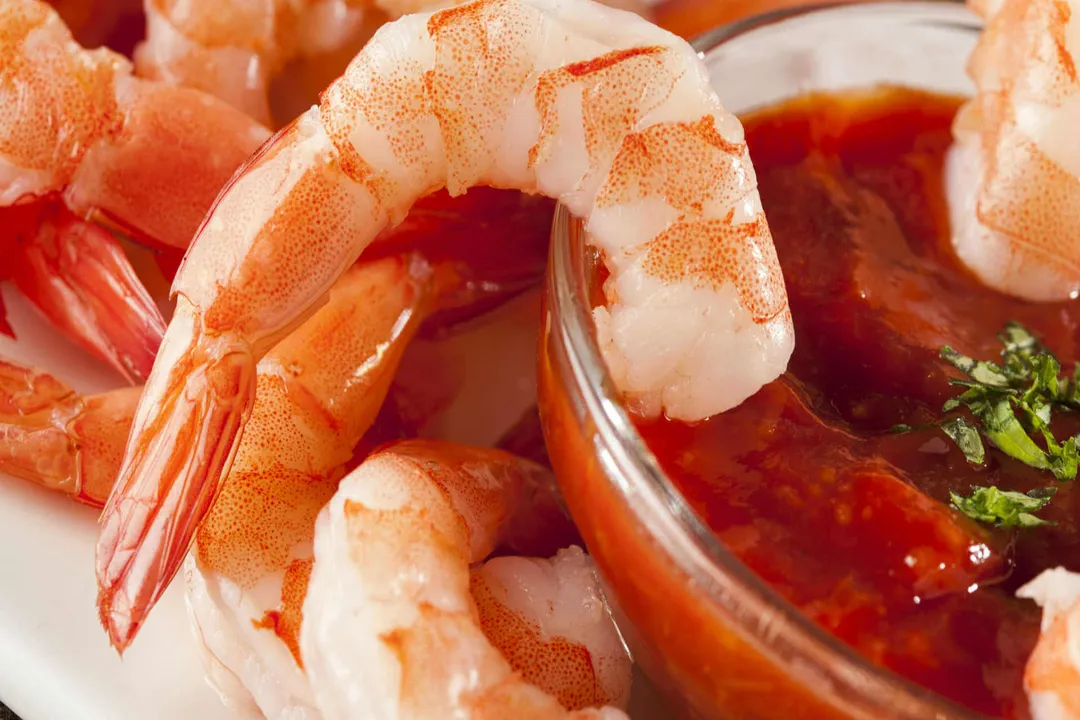
A good starter should be flavourful to serve as an appropriate introduction, visually appealing—perhaps garnished with herbs—and, crucially, easy to consume without much fuss. For instance, a classic shrimp cocktail, a plate of baked feta with honey, or a small portion of crab cake are all recognized forms of this initial offering.
# Purpose Served
The function of the starter is twofold, serving both a physiological and a practical role in the dining flow. Scientifically, consuming a small, often savory item stimulates the production of digestive acids, preparing the stomach for the heavier subsequent meal and managing the discomfort associated with prolonged hunger. This enticement is what experts suggest helps people enjoy the main course more fully.
From the perspective of the kitchen or host, the starter serves as a vital time saver. Whether managing the complexities of a multi-course dinner party or handling the pace of a busy restaurant service, starters provide something tangible for guests to eat while the main event is being finalized. A well-executed starter can thus reduce perceived waiting times and keep guests engaged, which is particularly important during social functions. Furthermore, for a restaurant, these initial offerings are a chance to increase sales while giving chefs an immediate platform to display their creativity and establish the overall culinary tone of the evening. It is noteworthy that in many commercial settings, good starters are priced lower than the main courses, perhaps encouraging the initial order, though this lower price point also reflects the smaller ingredient cost and labor associated with a single, concise plate rather than a full entrée.
# Differentiating Terms
The language used for pre-meal dishes is notoriously fluid, often leading to confusion across different geographic regions and dining styles. The terms starter, appetizer, first course, hors d'oeuvre, and amuse-bouche do not always map neatly onto one another, though they share the general goal of preceding the main dish.
To bring some clarity to this terminology, we can observe how these terms are frequently distinguished based on formality and size:
| Term | Primary Association | Typical Form | Key Distinction |
|---|---|---|---|
| Starter | UK English | Small plated dish (e.g., soup, small salad) | Used interchangeably with appetizer in the UK; the first plated course. |
| Appetizer | US English | Small item, sometimes a simple nibble | Often used synonymously with starter, though some view it as smaller than a starter. |
| Hors d'oeuvre | Formal/Traditional | Assorted hot or cold bites, often finger food | Precedes the starter; meant to be less rich and stimulate appetite. |
| Amuse-bouche | Modern Fine Dining | Single, bite-sized teaser | A complimentary "gift from the chef," not ordered by the diner. |
| First Course | Formal Sequence | Any dish served before the main protein/roast | In historical French service, this could include several items; in modern service, it often is the starter. |
The distinction between an hors d'oeuvre and a starter often comes down to presentation and sequence. Hors d'oeuvres are frequently served standing up with drinks, often consisting of mixed, easily handled nibbles like olives or small cubes of cheese. A starter, contrastingly, is generally a more substantial, chef-designed plate served once seated at the dining table. The amuse-bouche is the briefest; it is intended purely to "amuse the mouth" and is generally complimentary, not something placed on the order slip.
# Evolution of the Meal Structure
Confusion over these terms is understandable, as the structure of meals has changed significantly over centuries, particularly influenced by the shift from service à la française to service à la russe. In the historical French-style service (16th to 19th centuries), numerous dishes were placed on the table simultaneously within a course, and the first course often contained soups, starters, and hors d'oeuvres.
The modern standard, service à la russe, which is sequential plating, streamlined this into distinct stages: hors d'oeuvres, starter, main course, and dessert. This modern sequence clarifies the starter as the dedicated first plated dish eaten at the table. However, regional differences persist; for example, in the US, the term entrée refers to the main course, whereas in French contexts, the Entrée is often the starter. In the UK, the typical structure is starter, main, and then pudding or cheese. For the home cook stepping into this territory, deciding whether to offer a spread of hors d'oeuvres during mingling or a formal, plated starter once seated fundamentally alters the intended pace of the evening.
# International Examples of Starters
The concept of a small dish to begin is universal, though the execution varies by culinary tradition.
In the context of Traditional American starters, the melting pot nature of US cuisine is evident, featuring dishes adopted from various roots. Classics include comfort items like Buffalo chicken wings, potato cheese croquettes, or jalapeño poppers, alongside soups such as creamy pumpkin soup or a Southwestern corn chowder. Shrimp cocktail remains a perennial favorite.
For those looking toward European inspiration, the choices are equally broad. A simple, elegant UK starter might be melon and prosciutto or a prawn cocktail. In French tradition, a small fish soup or a terrine du chef (house pâté) are common. Mediterranean options often lend themselves well to communal starters, such as sharing a communal platter of Greek mezze or perhaps baked feta served with warm pita bread for dipping.
The scope is vast, encompassing everything from:
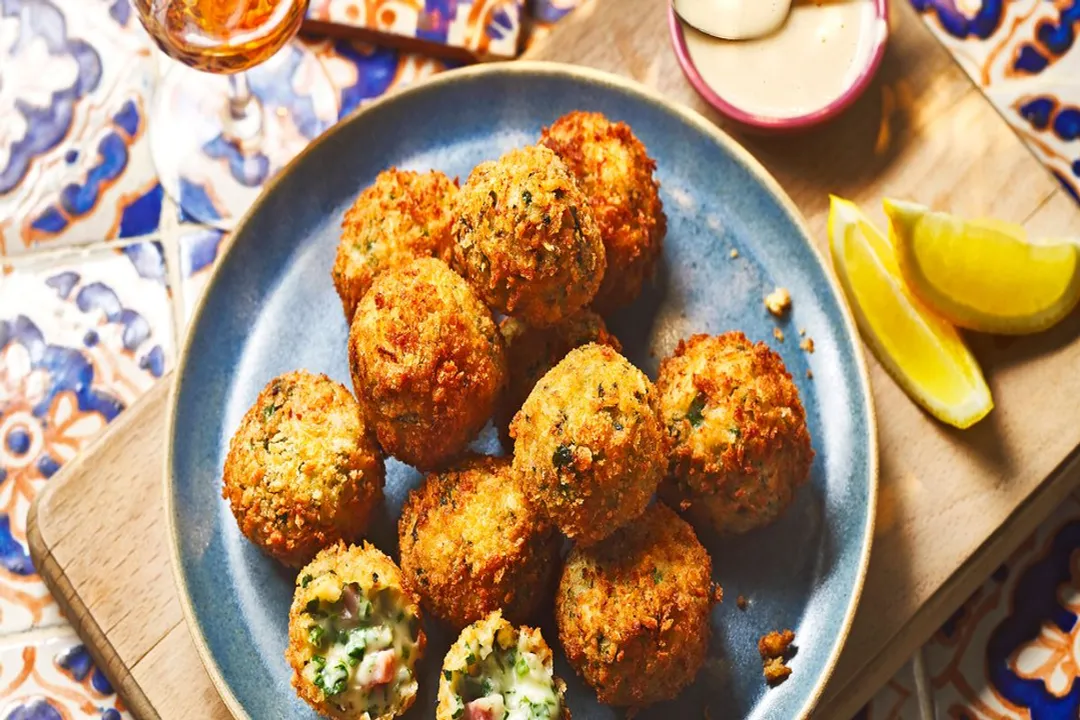
- Dough-based: Jamón and wild garlic croquetas or easy pork and chive dumplings.
- Seafood: Potted crab or calamari served Sicilian-style.
- Vegetarian/Vegan: Roasted red pepper soup, charred spring onions with romesco sauce, or simple, salt-topped padron peppers.
When planning a menu at home, it can be helpful to decide whether the starter will be serve-yourself (like a charcuterie board or mezze platter) or pre-plated (like a soup or individual tartine), as this dictates the flow of service more than the ingredients themselves. If the goal is maximum guest interaction before sitting down, a shared, easily managed spread acts as an excellent appetizer/hors d'oeuvre hybrid. If the goal is to establish a more refined, paced dining structure, a small, singular plated dish functions better as a true "starter" course.
# Crafting the Experience
The visual appeal of the starter is paramount, as it is the customer’s first impression of the chef's current creative direction. A plate that is visually attractive, perhaps featuring bright colors or thoughtful garnishes, encourages the diner to appreciate the dish before consumption, which can enhance the entire perceived value of the subsequent courses. This focus on artistry is part of why chefs enjoy designing starters—it offers a manageable canvas to express skill and set the tone. Whether it is a sophisticated duck liver parfait or humble, well-seasoned, charred spring onions, the small format allows for experimentation without the heavy commitment required by a main dish, offering diners a chance to try new flavour profiles as a gentle introduction to the meal’s theme.
Related Questions
#Citations
What's the difference between a starter and an appetiser? : r/AskUK
Starters | alimentarium
Our Top 10 Delicious Starters - Fire and Ice On Toby Creek
20 Simple Starter Ideas - BBC Good Food
starter | Definition from the Food topic - Longman
Why Do We Eat A Starter Before The Meal? - The Madras Diaries
What is a starter? | Cooking Forum, Recipes & Pro Chef Tips