What is a starter in terms of food?
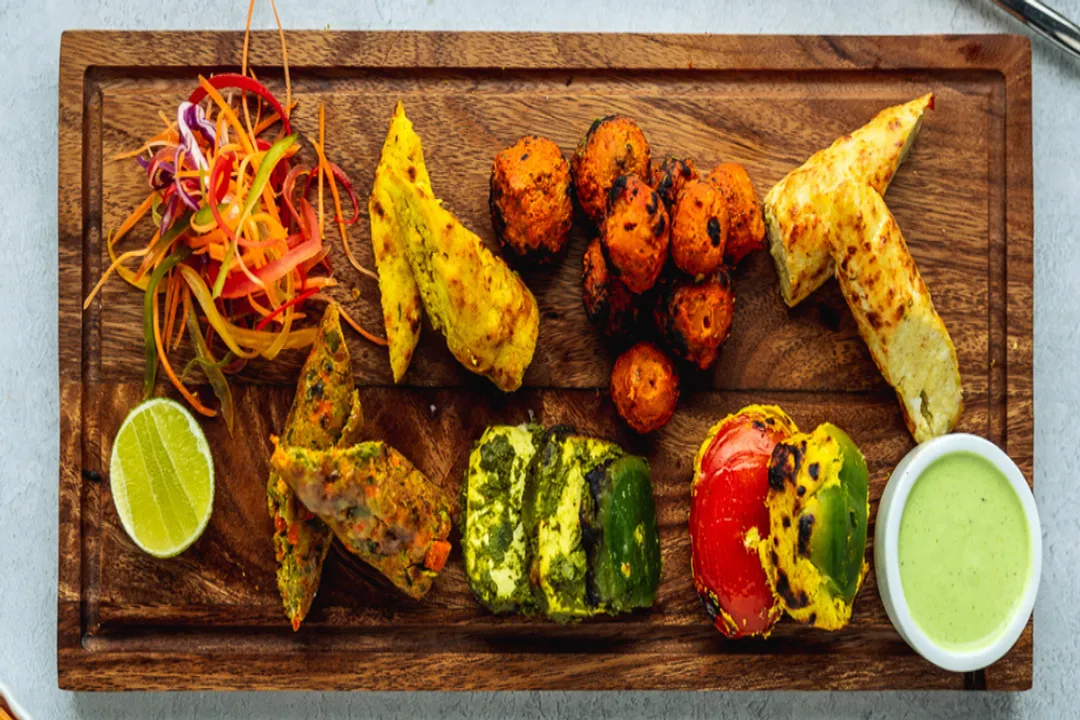
The word "starter" in a culinary context doesn't point to a single ingredient or dish; rather, it describes two fundamentally different components of food preparation and consumption, differentiated entirely by the context in which the word is used. Depending on whether you are sitting down to a multi-course dinner or preparing a loaf of artisan bread, the meaning shifts dramatically, moving from an introductory dish to a living microbiological culture. [1][3][4] Understanding this duality is key to knowing what someone means when they refer to a "starter."
# Meal Beginnings
When discussing the structure of a formal meal, the starter occupies the position of the first course served. [2] It precedes the main dish, often referred to as the entrée or main course in certain dining traditions. [7] The primary function of this opening dish is to prepare the palate for the heavier or more complex flavors that follow. [2]
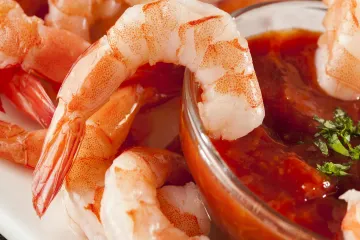
These introductory dishes are typically lighter in substance compared to what comes later. Think of a small, chilled soup, a delicate salad, or perhaps a few pieces of smoked fish served with toast points. The goal is stimulation, not satiety. [2] In the United Kingdom, the term "starter" is widely accepted for this role. [7] Contrast this with other regions where the first dish might be called an appetizer, which serves the same function of whetting the appetite. [7] However, the term "appetizer" sometimes also refers to smaller bites served before being seated for the meal itself, creating a slight overlap in terminology depending on the dining style. [7]
Historically, the inclusion of a distinct starter course reflects dining traditions that evolved to pace the consumption of food, especially in formal settings. [8] Some traditional practices suggest consuming these initial components can even aid in digestion before the larger portion of the meal arrives. [8] The experience is curated; the starter sets the tone for the entire dining event. [2]
# Leavening Culture
Turning away from the dining table to the baker's bench, the term "starter" takes on a completely different, biological identity. Here, a starter is the crucial, living foundation for creating naturally leavened bread, commonly known as sourdough. [4][6] This is not a dish but an ongoing fermentation culture, traditionally a simple mixture of flour and water allowed to capture and cultivate wild yeasts and bacteria naturally present in the environment. [4][5][6]
This mixture, when properly maintained, becomes a thriving ecosystem. [4] The wild bacteria, primarily Lactobacillus, and wild yeasts work in tandem to produce the gas necessary to make bread rise, while also creating the characteristic tangy flavor profile associated with sourdough. [4] Unlike commercial yeast, which is a single, isolated strain of Saccharomyces cerevisiae grown for speed and reliability, a starter is a complex community. [4] Because it is a community, the flavor profile of a starter can change based on the flour used, the ambient temperature, and the feeding schedule. [4]
# Culture Dynamics
The maintenance of this living culture requires dedication, often being referred to as "feeding" the starter. [4] This process involves regularly discarding a portion of the existing culture and refreshing the remainder with new flour and water. [4] This "feeding" ensures the active organisms have enough fresh substrate to consume and reproduce, keeping the culture vigorous enough to leaven dough reliably. [4] A well-maintained starter can be preserved indefinitely, often passed down through generations of bakers—it is a tool that gains age and, arguably, character over time. [5]
One can see this dedication in many baking communities, where bakers discuss their starters by name and track their activity levels as one might track a pet or a complex project. [5][9] The culture's readiness for baking is often judged by its visual signs: bubbling, a dome shape when at its peak, and a pleasant, slightly acidic aroma. [4]
A baker on a community forum once noted that learning to read their starter's behavior—knowing when it was hungry versus when it was peaking—was the single biggest leap in their bread-making skill, far more important than mastering shaping techniques. [4]
The reliance on ambient microbiology means that a baker's starter in a humid coastal city will behave differently than one kept in a dry, high-altitude kitchen, even if both use the same recipe and flour type. [4]
# Contrasting Roles and Contexts
The core difference between the two food "starters" is their purpose: one initiates the consumption experience, the other initiates the baking process. [2][4]
| Feature | Meal Starter (Appetizer) | Leavening Starter (Culture) |
|---|---|---|
| Primary Role | Beginning the consumption of a meal. [2] | Beginning the fermentation/leavening of dough. [4] |
| Composition | Cooked food items (e.g., soup, salad, seafood). [2] | A living culture of flour and water. [4] |
| Duration | Consumed in one sitting; has a temporal place in the meal sequence. [7] | Maintained over days, weeks, or years; is "fed" regularly. [4][5] |
| Desired Outcome | To stimulate the appetite. [2] | To produce carbon dioxide and lactic acid for rise and flavor. [4] |
A good way to immediately differentiate the terms is to consider the final product. If the "starter" is something you order from a menu before your steak, it is a course. [1] If the "starter" is what you mix with more flour to make the dough for that steak's accompanying bread, it is a culture. [4] The distinction is clear once you anchor the word to cooking versus eating. [7]
# Cultivating Culinary Knowledge
The very nature of these starters provides an interesting parallel in terms of longevity and effort. A sourdough starter represents a long-term investment in culinary potential; the more established it becomes, the more reliable and flavorful its output tends to be, requiring diligent, ongoing maintenance. [4][5] In contrast, a meal starter is a short-term commitment; its value lies in its immediate presentation and flavor profile, meant to be enjoyed and finished quickly to transition to the next stage. [2]
For the home cook wanting to embrace both sides of this definition, there is a point of overlap in the acquisition of "expertise." Mastering the meal starter involves understanding balance, portion control, and how to prime the palate without overwhelming it—a matter of plating and flavor theory. [2] Mastering the baking starter requires understanding microbiology and consistency—a matter of environmental control and scheduled feeding. [4]
If you find yourself with a vibrant, active sourdough starter, consider its use beyond just bread. A highly active starter, full of tangy flavor compounds, can sometimes be folded into pancake or waffle batter to add depth, acting as a sort of functional, slightly sour leavening agent that also introduces flavor complexity not achievable with baking powder alone. [4] This cross-application highlights how a microbiological "starter" can, in a creative sense, also act as a flavor starter for a different dish, bridging the gap between the two definitions in an unexpected way.
When you encounter a recipe calling for a "starter," always check the surrounding instructions. If the recipe involves mixing and waiting for bubbles, you are dealing with a culture that needs feeding. [4] If the recipe is one line long, perhaps involving garnishes and plating, you are likely dealing with the first course of the meal. [2] Ultimately, both concepts—the introductory dish and the foundational culture—are essential gateways, whether to the main event of dinner or the magnificent lift of a perfect loaf.
Related Questions
#Citations
STARTER | definition in the Cambridge English Dictionary
Starters | alimentarium
STARTER definition in American English - Collins Dictionary
What is a starter? | Cooking Forum, Recipes & Pro Chef Tips
What does a starter mean? I've got the following t - Facebook
Appetizer vs. Starter: A Linguistic Difference in Dining Terminology ...
What's the difference between a starter and an appetiser? : r/AskUK
Why Do We Eat Starter Before the Meal - Dubai - MyGovindas