What is a starter in a food menu?
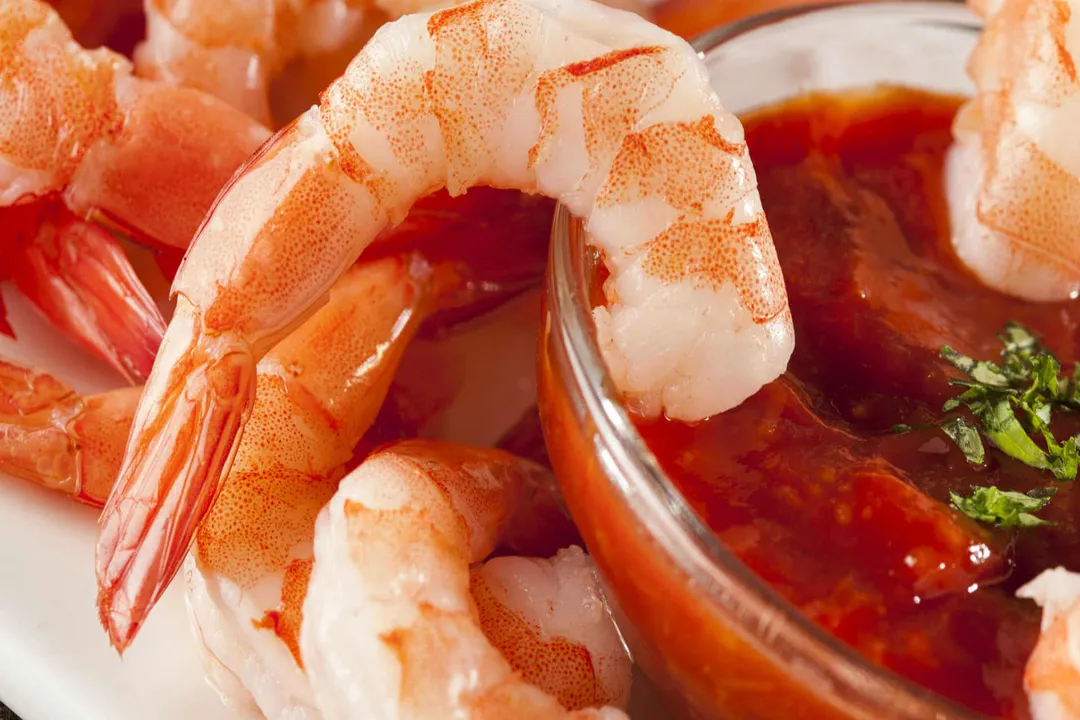
The initial function of a dish preceding the main event in a multi-course meal is simple: to begin the culinary experience. This opening act, known widely as a starter, is a broad category encompassing a variety of hot or cold selections intended to be served as the very first course. These selections are deliberately portioned to be small, ensuring they do not fully satisfy the diner, but rather whet the appetite for what comes next. The entire concept centers on providing an initial taste that elevates anticipation rather than satisfying hunger entirely.
# Terminology Maze
Navigating a menu can sometimes feel like deciphering an ancient code, especially when trying to distinguish between closely related terms like "starter," "appetizer," "first course," and even "entrée" depending on your geography. In essence, in many contexts, particularly within British dining culture, the terms starter and appetiser are used interchangeably. The sequence in the UK often follows a pattern of starter, main, and then pudding or dessert.
However, subtle distinctions exist, often relating to size or the level of chef involvement. Some observers note that an appetizer might refer to something even smaller, a mere mouthful or two, or a nibble to keep patrons occupied until a "proper starter" arrives. Other interpretations suggest that appetizers are interchangeable with hors d'oeuvres or amuse-bouches.
To clarify the narrower terms:
- Hors d'oeuvre: Translating literally from French as "outside the meal," this generally refers to a small, single-bite finger food, often served hot or cold, passed around to guests before they are even seated for the formal dinner.
- Amuse-Bouche: This is frequently described as a single bite offered as a complimentary gift from the chef, meant purely to tantalize or "amuse the mouth" and awaken the taste buds, rather than being an item ordered by the guest.
- Entrée: This term presents the most geographical confusion. In modern France, and some parts of the UK and Australia, the entrée is a small plated dish that precedes the main meal—effectively functioning as a starter or first course. Conversely, in the United States and parts of Canada, entrée refers to the main meal itself.
It is important to recognize that in a traditional European context, the "first course" might specifically be a soup or a pasta dish, which may or may not be considered synonymous with a starter, especially in households where eating "dry" (without a first course) is uncommon.
# Historical Roots Service
The practice of serving pre-meal dishes has deep historical roots, evolving alongside formal dining structures. The general idea of segmenting a meal is often traced back to 9th-century Spain, where the Persian polymath Ziryab reportedly advocated for serving meals in three distinct sections: soup, the main dish, and then a sweet dessert.
Later, during the 16th to 19th centuries in France, formal dinners involved multiple courses, each featuring several dishes presented simultaneously—a style known as service à la française. The more guests present, the more dishes that were served across these courses.
A significant shift occurred with the adoption of service à la russe, a style that gained popularity from the 19th century onward. This Russian-style service organized the meal into distinct courses served sequentially, one dish at a time for each guest. A typical four-course structure under this style included hors d'oeuvres, a starter, the main course, and dessert. This chronological, individually plated system is what largely remains the standard norm for fine dining across much of the world today. A minimum three-course meal often formalized this structure, dedicating the first course to soups and starters, the second to the main course (roasts, cold cuts), and the third to dessert.
# Stomach Preparation Science
Beyond tradition and etiquette, starters serve distinct physiological purposes that prepare the body for the subsequent, often heavier, main course. When one is hungry for an extended period, the stomach produces acid in anticipation of food. If the wait for the main dish is long, this acidity can lead to discomfort or feeling overly famished.
Consuming a small, light starter helps to manage this appetite and kick-starts the internal digestive process. By eating a small portion, the digestive system is stimulated, which experts suggest can actually boost appetite so the diner enjoys the next course more fully. Furthermore, this gentle stimulation can contribute to better nutrient absorption from the heavier items consumed later. In a service setting, this process ensures that the diner is ready to savor the flavors of the main meal without being overwhelmed by hunger or acidity.
# Chef’s Canvas Showcasing
For chefs and restaurants, the starter section is much more than just a preliminary course; it is a vital opportunity for culinary expression and strategic timing.
The presentation of a starter allows the chef to demonstrate their artistry right at the outset. Because patrons are often eager and visually engaged—frequently photographing the dish first—a well-presented starter immediately sets a high standard for the entire dining experience. Chefs use these small plates to display creativity, experiment with diverse flavor profiles, and give guests a tangible "feel for the overall tone" of the meal to come.
From a logistical perspective, starters are invaluable for buying time. While some starters, like cold items or simple preparations such as Masala Papad or French Fries, can be prepared quickly or made in advance, many complex main courses require significant cooking time. Serving these introductory dishes ensures guests have something appealing to consume while the kitchen focuses on finishing the primary dish, thus reducing guest anxiety over delays. In an era where many restaurants focus on quick turnaround, a well-curated starter menu still serves this critical function of pacing the dining experience.
For restaurants, starters also present a clear avenue for increased sales, allowing diners to sample variety without committing to a full main course they might not fully enjoy if they overindulge in the beginning. This is why a good starter should be flavorful and visually appealing but not overly filling.
# What Makes A Starter Effective
To successfully serve as the opening act, a starter must adhere to several key principles, revolving around manageability, flavor impact, and presentation.
Effective starters are typically:
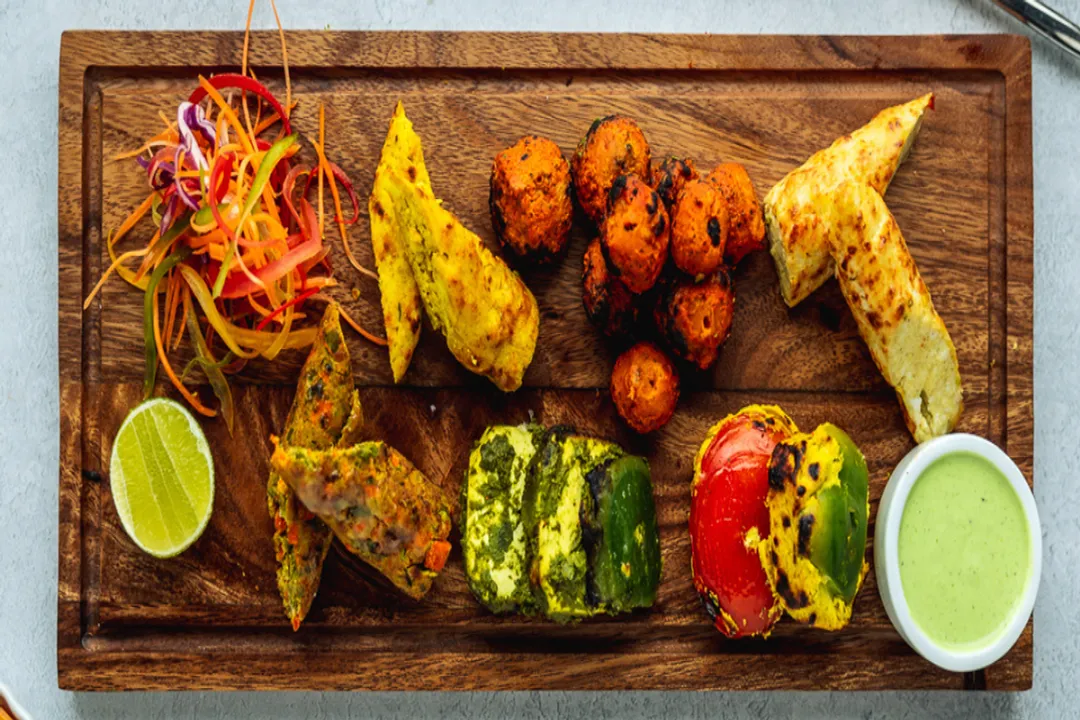
- Easy to Eat: Often served in bite-sized portions to minimize messiness during conversation or initial seating formalities. Examples range from finger foods like Kababs or cutlets to structured bites like Paneer Tikka or veggie rolls.
- Flavorful: They must deliver a pronounced taste experience to stimulate the palate without overwhelming it.
- Appropriately Sized: They should stimulate appetite, not satiate it.
Menus worldwide feature incredible variety in this section. Classic options include soups like the rich French Onion Soup (gratineed with bread and cheese) or lighter fare like salads or seafood preparations such as Shrimp Cocktail or Calamari Siciliano. Substantial yet popular choices that blur the line might include Crab Cakes or small portions of Broken Meatballs. In Indian dining, staples like Medu Vadai, Pakoras, or vegetable patties like Hara Bhara Kabab serve this purpose admirably.
| Culinary Style | Example Starter | Key Characteristic | Source |
|---|---|---|---|
| Continental/American | French Onion Soup | Rich, hot, cheese-topped | |
| Indian/Vegetarian | Paneer Achari Tikka | Flavorful, bite-sized grilled items | |
| Seafood | Clams Bianco | Light, wine-based, served with bread for dipping | |
| Shared Plates | Charcuterie Board | Variety of cured meats, cheeses, and accompaniments |
It is an interesting commercial observation that good restaurants generally price their starters lower than their main courses. This pricing structure supports the idea that the diner is meant to order an appetizer and main, rather than just making a meal out of multiple starters. However, this introduces a fine balancing act for the kitchen: the starter must be engaging enough to warrant the purchase and stimulate the palate, yet inexpensive enough in terms of ingredients and preparation time to contribute positively to the bottom line without sacrificing room for the main course sale.
# Beyond Restaurant Walls
The utility of the starter concept extends far beyond commercial dining rooms, offering valuable structure for hosting at home. When considering how to apply this in a personal setting, it helps to think about the historical service styles. If you prefer a more relaxed, communal atmosphere where guests mingle while waiting, adopting the concept of hors d'oeuvres—small, self-served nibbles like olives, cheese cubes, or simple skewers—is ideal, as they are separate from the main seating arrangement.
When you transition to seated dining at home, you have a choice: are you serving service à la française or service à la russe? If you are aiming for the modern, sequential dining experience (like service à la russe), the starter should be plated individually for each person at the table, perhaps a small salad or a single-serving soup cup. A simple, actionable tip for the home host is to use appetizer-sized components in main-dish forms; for example, if you want to serve crab cakes as a starter, make one small, perfectly formed cake per person instead of a main-course-sized portion of three. Conversely, if you are hosting a large, informal gathering, a substantial, shared platter—like a large mezze or charcuterie board that guests serve themselves from—functions perfectly as a very generous starter, often making the subsequent main course feel less necessary. The key takeaway, whether in a Michelin-starred establishment or a home kitchen, is that the starter sets the expectation for the entire dining event; it is the flavor preview that dictates the mood for the hours that follow.
Related Questions
#Citations
What's the difference between a starter and an appetiser? : r/AskUK
Why Do We Eat A Starter Before The Meal? - The Madras Diaries
Why Do We Eat Starter Before the Meal - Dubai - MyGovindas
What is a starter? | Cooking Forum, Recipes & Pro Chef Tips
Understanding the Language of Menus - Kamikoto
Our Top 10 Delicious Starters - Fire and Ice On Toby Creek