What is the tapas culture in Granada?
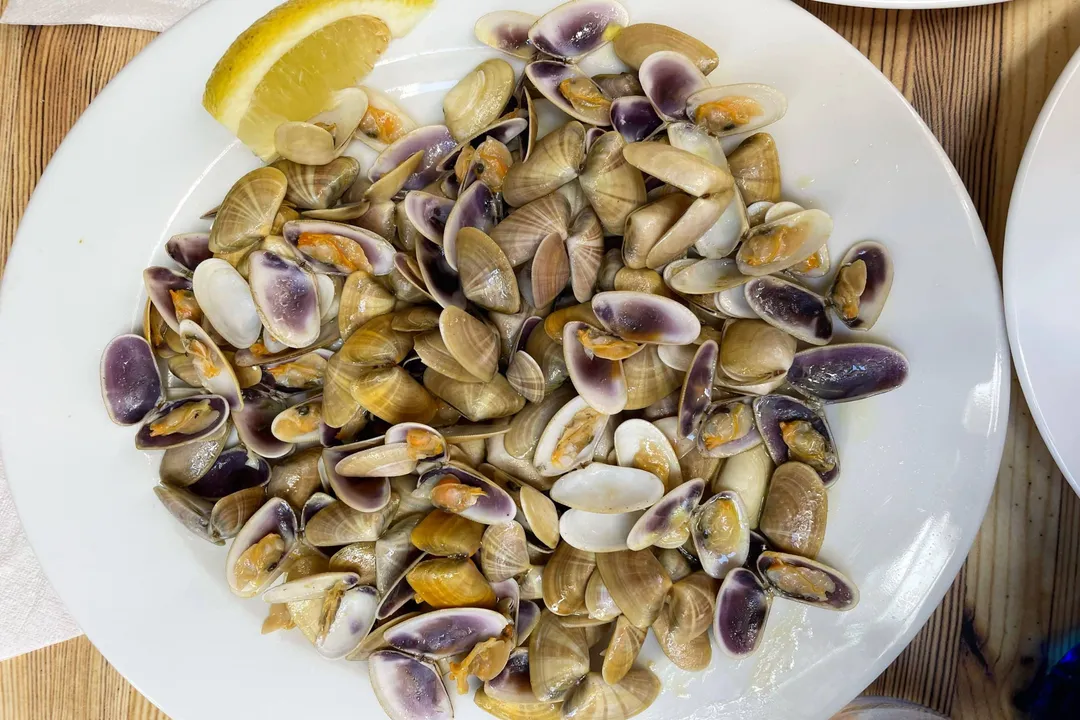
Granada holds a truly special place within the culinary landscape of Spain, particularly when discussing tapas. While nearly every region in the country partakes in the tradition of small bites accompanying drinks, Granada’s approach is legendary and stands apart as a defining characteristic of the city. [4][6] For the uninitiated, the immediate question often revolves around the price, and this is where Granada shines: the tapas tradition here is famously free when you purchase a drink. [1][7] This arrangement distinguishes it sharply from many other major Spanish cities, where ordering tapas typically means ordering and paying for each small dish separately. [2]
# Free Food
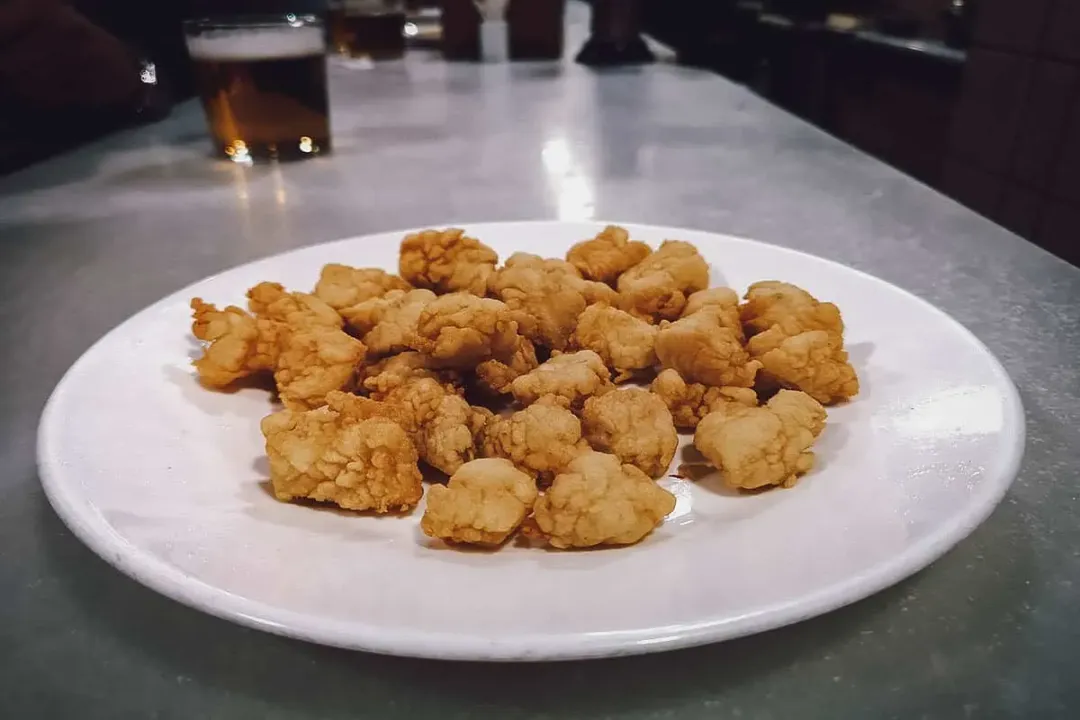
The expectation when settling into a Granada bar, especially in the historical center or lively neighborhoods, is that your drink order automatically entitles you to a complimentary serving of food. [1][4] This isn't just a theoretical concept; it is the established custom. [8] You might order a caña (small beer), a glass of wine, or perhaps a tinto de verano (wine mixed with lemon soda), and moments later, a plate will appear before you. [1][7] This system essentially transforms a simple drink into a multi-course, albeit small, meal experience. [8]
The depth of this generosity is what surprises many visitors. It is not always just a small bowl of olives or a handful of crisps offered as a courtesy. [1] Depending on the establishment and the time of day, the free offering can be quite substantial. [6] This practice makes bar hopping in Granada an incredibly economical way to dine, though visitors must manage the pace of their drinking to manage the pace of their eating. [6][7]
# Ordering Process
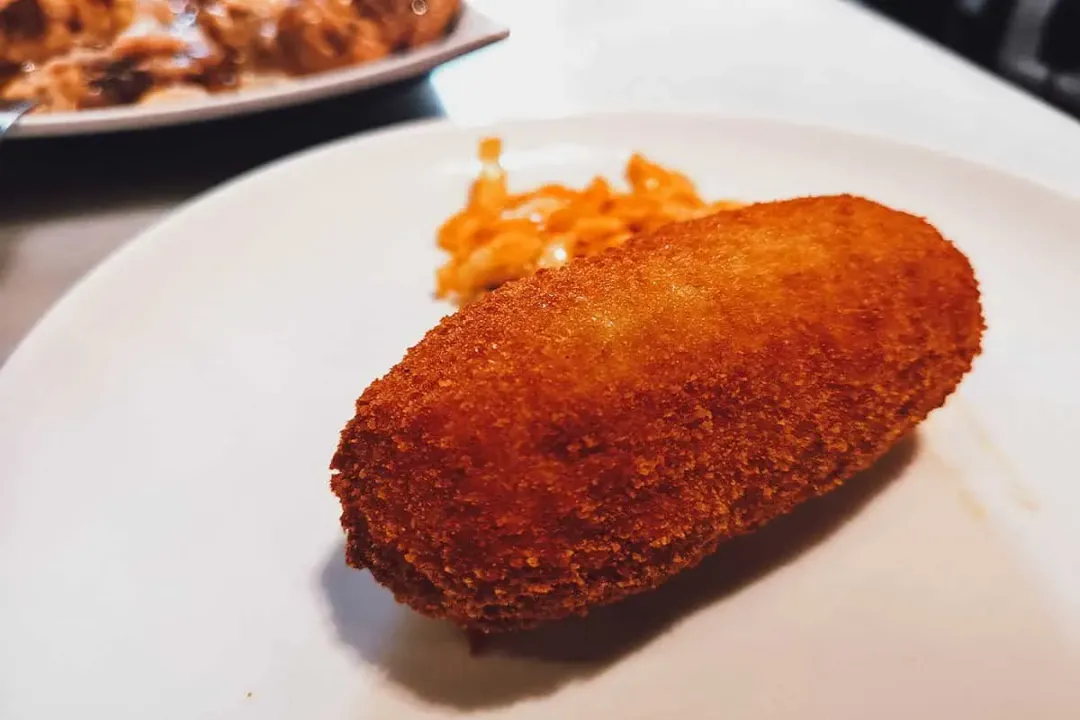
Understanding the mechanics is key to maximizing the experience. Unlike places where you peruse a menu and select your tapa, in Granada, the choice of the accompanying dish is generally not yours. [1] The bar dictates what the free tapa will be for that specific round of drinks. [4] This element of surprise is part of the fun, requiring an open mind and a willingness to sample the chef’s current offering. [1]
If you order a second drink at the same establishment, you will receive a second, different tapa. This encourages patrons to move on after a couple of rounds, naturally promoting the culture of moving from one venue to the next. [6] When approaching a bar, it is simple: order your drink and wait for the tapa to arrive. If you are looking for specific items, you will need to switch to ordering raciones (larger portions) or pay for the tapas a la carte, but sticking to the free offerings keeps the cost down. [7]
One subtle dynamic to observe is the difference between older, traditional establishments and newer, trendier bars. The truly old-school spots often provide the most basic—but reliable—free tapas, while some modern places might offer a slightly smaller portion or a more predictable dish, possibly reflecting current economic pressures on local businesses. [4][7]
For those looking to pace themselves but sample widely, a useful strategy involves ordering the same drink twice at a promising bar, provided the first tapa was interesting, to see if the bar has a rotation of slightly better free items before moving on. This is a slight departure from the purist's approach but offers a good balance of exploration and depth in a single location. [1]
# Tapa Offerings
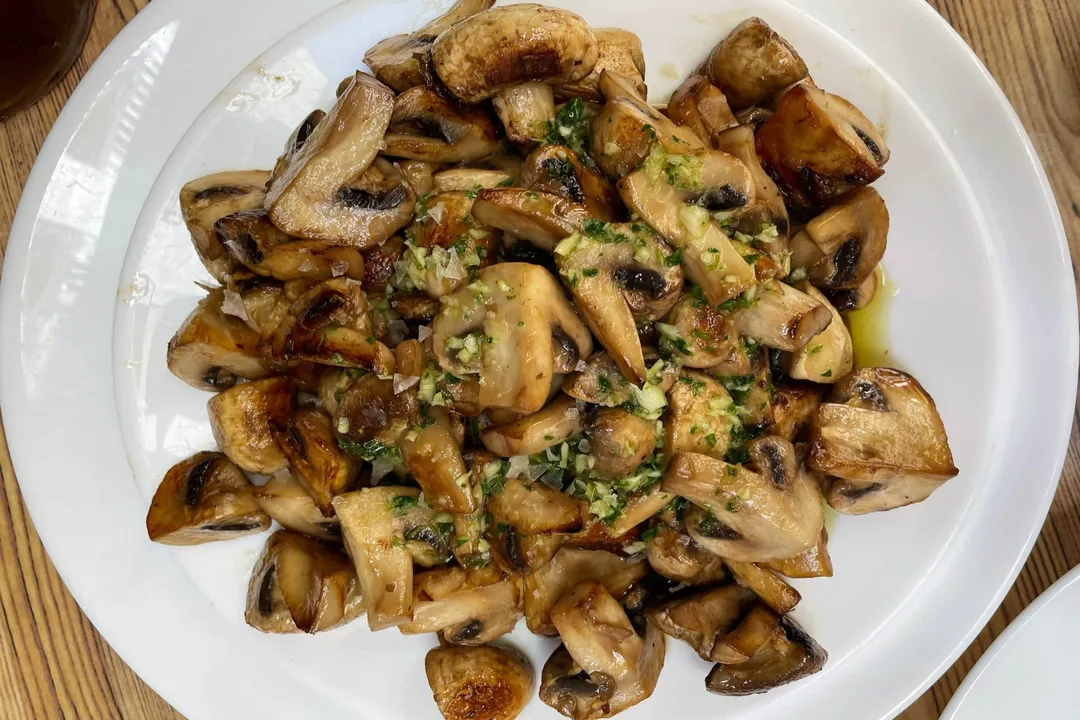
The variety of the free tapas is a huge draw. It can range from the very simple to the surprisingly complex. [1][6]
Common, expected tapas often include:
- Papas a lo pobre (potatoes cooked with onions and peppers). [6]
- Small portions of cured meats like jamón or chorizo. [6]
- Tortilla Española (Spanish omelet slices). [1]
- Olives or small bowls of nuts.
However, many bars are known for serving more substantial free items that can easily substitute for dinner. These might include plates of gambas al ajillo (garlic shrimp), migas (fried breadcrumbs), small skewers of meat, or even a serving of paella or fresh fish. [6][7] If you are visiting for tapas, it is wise to research which specific bars are known for their superior free offerings, as reputation often precedes the menu. [3]
To illustrate the potential value, consider the implied cost. If a standard drink in a Granada bar might cost around €3.00, you are essentially paying €3.00 for that beverage and a small meal item. If you have four drinks over an evening, you have consumed four distinct dishes for around €12.00 total. Compare this to ordering four raciones in a different Spanish city, which could easily run €40.00 or more. [2] This comparison highlights why Granada remains such a magnetic destination for budget-conscious food lovers. [4]
# Bar Hopping
The tapas culture in Granada is inseparable from the social ritual known as tapeo—the act of going out for tapas. [6] This is not intended to be a static evening spent at one location; rather, it is a migratory experience. [6] The rhythm of the evening often begins later than in many other European cities, with locals typically starting their tapeo around 8:00 PM or even later. [7]
The objective is to visit several bars, perhaps having one drink and one tapa at each location before moving on to the next area or establishment. [6] This method ensures variety and keeps the atmosphere lively and moving. Key areas for this activity include the area around the Plaza Nueva, the winding streets of the Realejo neighborhood, or streets near the Alhambra campus. [3]
The atmosphere in these bars is usually bustling and loud. Patrons stand at the bar or occupy small tables, engaging in conversation while enjoying the food and drink. [8] It is a way of life centered around community and casual socializing, less about formal dining and more about sustained, pleasant grazing throughout the evening. [8] Experiencing the tapeo is essential to understanding Granada’s spirit, moving from the intensity of the city center out toward quieter, neighborhood spots as the night progresses. [6]

# System Changes
While the tradition of the free tapa is fiercely protected and remains the city’s main draw, it is important for visitors to remain adaptable. [4] As tourism has expanded significantly, there have been subtle shifts in the application of this custom. [7] In certain highly trafficked tourist zones, particularly those catering heavily to international visitors, some establishments may charge a small fee for the tapa, or the offering might be significantly scaled down to simple olives or crisps regardless of the drink ordered. [4]
Furthermore, the quality and type of tapa can fluctuate based on the day of the week or the current stock. [1] If you notice a bar consistently providing much smaller portions than its neighbor down the street, it might be a sign that the bar is prioritizing volume over quality, or perhaps they simply cater to a slightly different clientele. [7] Being polite, ordering clearly, and appreciating whatever is presented will always yield the best results in this uniquely Andalusian setting. [8] Recognizing that the tradition is a cultural anchor but not an absolute guarantee in every single bar allows for a more forgiving and enjoyable exploration of the city’s culinary scene. [4]
Related Questions
#Citations
Tapas in Granada: A beginner's guide to a delicious foodie culture
Someone smarter than me please explain Spanish tapas culture.
Granada Food Guide: 13 Must-Try Tapas Bars and Restaurants
Granada: The Home of Tapas History of Spain - Longwood Blogs
Free tapas with beer or wine in Granada - Facebook
Where to go on a tapas crawl in Granada | National Geographic
A Guide to Tapas and Late-Night Food in Granada - Kentucky Kernel
The Tapas of Granada: not just a snack, more a way of life!
Everything You Need to Know about Granada Tapas