Is starter culture the same as yeast?
The terms "starter culture" and "yeast" are often used interchangeably, particularly in home baking circles, but they refer to fundamentally different things. While yeast is certainly part of many starter cultures, a starter is much more complex than a simple packet of dried granules. Understanding this distinction is key to mastering fermentation, whether you are making sourdough bread, brewing beer, or culturing kefir.
# Microbes Combined
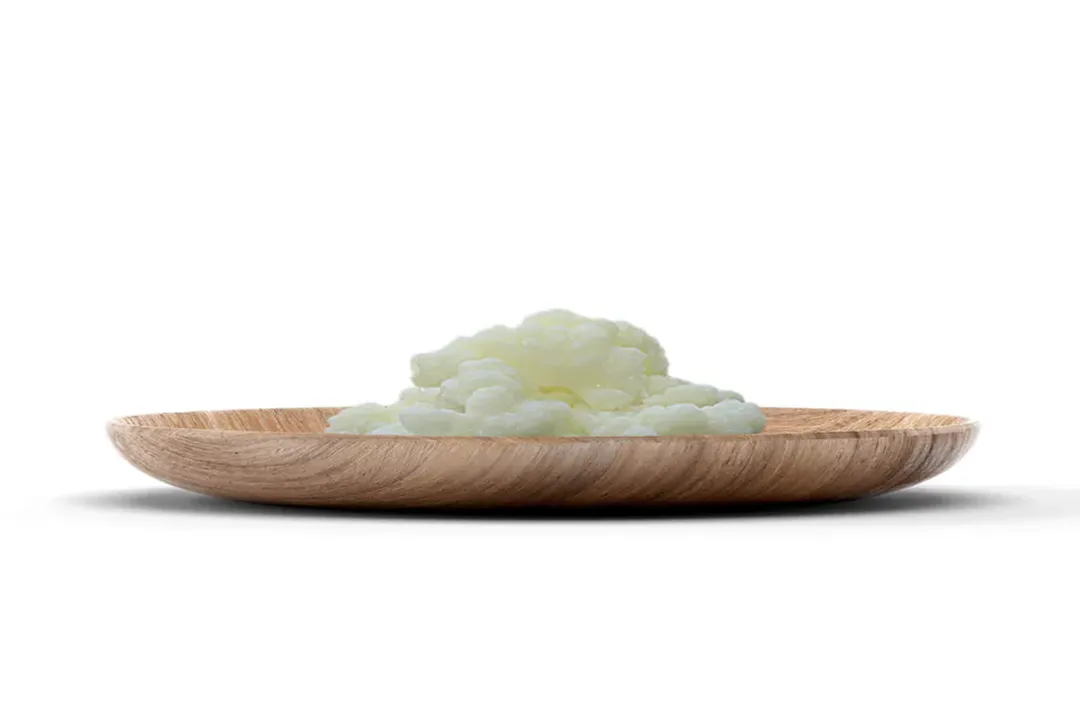
Commercial yeast, the kind you buy in little packets or cubes for baking bread, is almost exclusively a single, concentrated strain of Saccharomyces cerevisiae. This yeast is cultivated for speed and reliability in leavening bread dough. When you activate this yeast, you are primarily introducing a single type of fungus designed to consume sugars and produce carbon dioxide gas quickly.
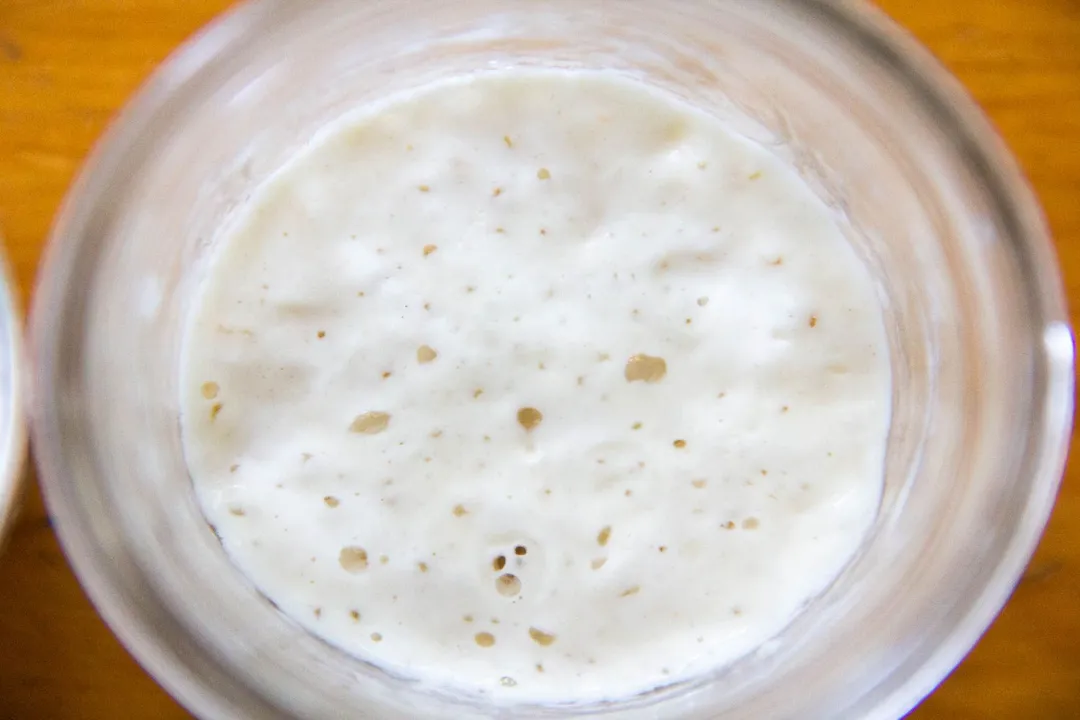
A "starter culture," on the other hand, describes a living, active community of microorganisms harvested or created for the purpose of fermentation. The most famous example is sourdough starter, which is a stable, symbiotic ecosystem built around wild yeasts and various species of lactic acid bacteria, most notably Lactobacilli. This bacterial population is what gives sourdough its characteristic tangy flavor, a trait entirely absent when using only commercial yeast.
# Bacteria's Role
The presence of bacteria fundamentally separates a mature sourdough starter from pure baker's yeast. In sourdough, the lactic acid bacteria create acids—like lactic acid and acetic acid—through the fermentation of carbohydrates. These acids lower the pH of the dough, which not only imparts that signature sour taste but also helps condition the gluten structure, leading to a different texture profile compared to breads made with commercial yeast. The wild yeasts present in the starter are often slower acting than their commercial cousins, but they work in concert with the bacteria.
# Culture Contexts
The term "starter culture" isn't limited to bread making; it applies broadly across various food fermentations, highlighting its meaning as an inoculum—a small amount of active culture used to begin a larger batch.
For example, in dairy or beverage making, starter cultures are equally critical:
- Kefir: This uses a kefir "grain," which is a matrix of bacteria, yeasts, and proteins.
- Kombucha: The SCOBY (Symbiotic Culture Of Bacteria and Yeast) functions as the starter for sweet tea fermentation.
In all these cases, the goal is the same: introducing a specific, balanced microbial environment to transform a substrate, whether that is flour, milk, or sweet tea.
# Brewing Starters
The distinction remains important even in the context of brewing beer, where yeast is the primary agent for alcohol production. A brewer often prepares a yeast starter culture before pitching their main batch. This brewing starter is an intentionally built-up population of the desired Saccharomyces strain, often using liquid yeast or a vial of culture. While this brewing preparation focuses almost exclusively on multiplying one type of yeast, it is still referred to as a "starter culture" because it involves cultivating a specific microbial population before use, distinguishing it from simply dumping dry yeast into a wort. However, unlike sourdough, the goal in brewing is generally to exclude unwanted bacteria that would produce off-flavors or spoil the batch.
To help keep the different concepts clear, it is useful to visualize the contrast:
| Feature | Commercial Baker's Yeast | Sourdough Starter Culture |
|---|---|---|
| Primary Organism | Saccharomyces cerevisiae (single strain) | Wild yeasts and Lactic Acid Bacteria |
| Primary Function | Rapid production (leavening) | Flavor development, leavening, dough conditioning |
| Flavor Contribution | Neutral, yeasty | Tangy, complex acids |
| Maintenance | Shelf-stable storage, short shelf life once opened | Requires regular feeding (flour and water) |
An interesting point to consider when managing your own starter is how the local environment influences its makeup. A sourdough starter, being a wild culture, will inevitably adapt to its surroundings. If you take a starter from a baker in San Francisco and feed it exclusively with local flour and water in, say, a humid environment in Southeast Asia, the dominant bacterial and yeast populations will shift over time, favoring microbes adapted to that specific locale. Commercial yeast, grown under sterile, highly controlled laboratory conditions, does not exhibit this environmental plasticity.
# Flavor and Texture Management
When transitioning from using commercial yeast to a sourdough starter, bakers often struggle with the speed difference. Commercial yeast can produce a loaf in just a few hours, while a sourdough process might span a full day or more, depending on the ambient temperature and the starter's activity level. The difference in fermentation duration directly impacts the resulting flavor profile. The longer, slower fermentation facilitated by the wild yeasts and bacteria in a starter allows for complex flavor compounds to develop that simply cannot form in a quick, commercial yeast bake.
A useful piece of practical advice for bakers experimenting across both systems relates to hydration and feeding. If you are accustomed to the predictable behavior of commercial yeast, which often requires specific temperatures for optimal rise, remember that starter health dictates performance. An underfed or cold starter will behave sluggishly, mimicking the slow rise of a low-temperature commercial dough, whereas an over-excited, recently fed starter can cause rapid dough expansion followed by a quick collapse, a scenario sometimes discussed by experienced home fermenters. Monitoring the starter's peak activity after feeding, rather than just relying on time, is the key to consistent results, irrespective of whether you are using a pure yeast or a mixed culture.
# Yeast Extract Misconceptions
It is also important to distinguish between yeast used for leavening and yeast extract, which is a food additive. Some consumers confuse starter cultures with yeast extract, perhaps due to similar packaging or listing on food labels. Yeast extract is a byproduct created by breaking down dead yeast cells, which concentrates the glutamates naturally present in the yeast. This process concentrates savory, umami flavors, making it a popular flavor enhancer in vegetarian products, but it holds no leavening power and is not an active culture like a sourdough starter. Furthermore, the confusion can extend to claims about probiotics; while a true starter culture like sourdough contains live bacteria that may offer probiotic benefits, yeast extract, being processed, generally does not contain live cultures.
# Cultivating Reliability
While commercial yeast offers unmatched convenience and consistency—it is essentially a tool designed for mass production—the maintenance of a robust starter culture demands attention to detail, often leading to a deeper connection with the process. A well-maintained starter, fed regularly with high-quality flour, can become a permanent fixture in the kitchen, capable of producing bread for decades. Conversely, the shelf-stable packet of commercial yeast, while perfectly fine for quick recipes, represents a dead ingredient once its viability expires or it is exposed to improper storage conditions. The fact that we speak of "feeding" and "reviving" a starter, but simply "activating" commercial yeast, underscores the difference between maintaining a living system and using a pre-packaged ingredient. The starter is alive; the packet is not.
Related Questions
#Citations
Yeast vs Sourdough Starter - What's The Difference?
Fact or Fiction: Busting Myths Around Starter Cultures, Probiotics ...
Is sourdough starter the same thing as if you use yeast - Facebook
Cultures - KEFIRKO
Comprehensive Guide to Yeast Storage and Starter Culture for ...
Will a Sourdough starter from one locale change to yeasts of current ...
What is the difference between 'sourdough' starter and yeast packets ...
The Science of Sourdough Starters - Serious Eats
A sourdough starter is a symbiotic culture of bacteria and yeast, aka ...