What fish is used for ika mata?
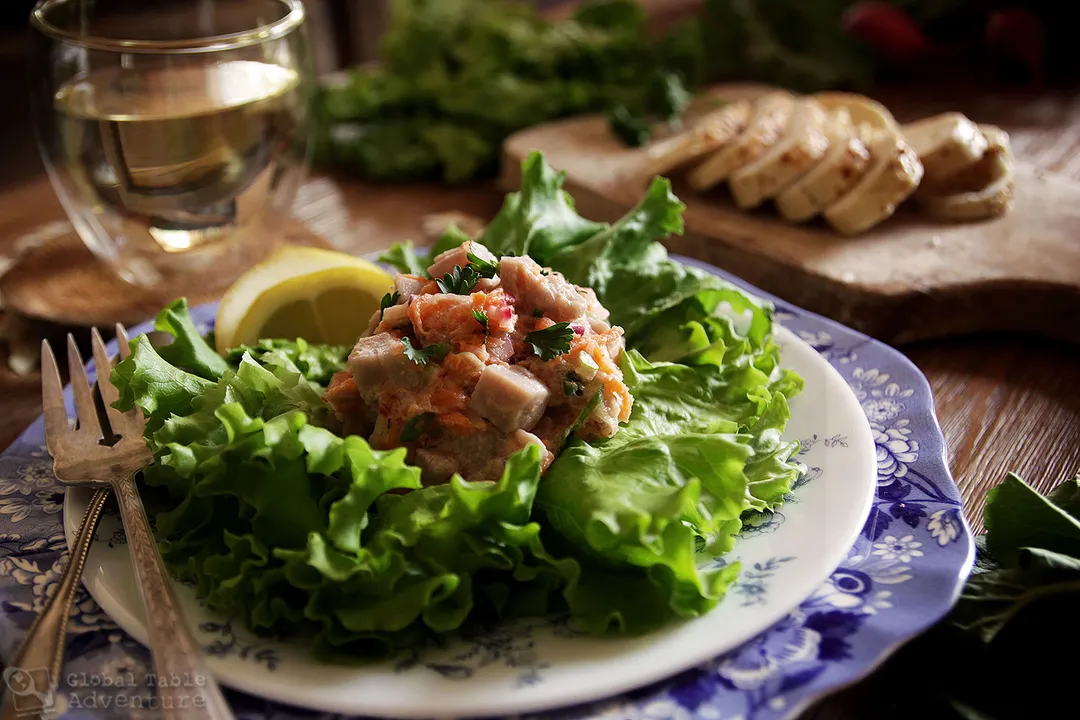
The heart of ika mata, the vibrant Polynesian fish salad beloved across the Cook Islands and beyond, is undeniably the quality and type of raw fish chosen for the preparation. While the dish is famous for its creamy coconut milk and bright citrus marinade, the fish itself must be impeccable, as it is served uncooked, relying on the acid from lemons or limes to achieve its delicate "cooked" texture. Understanding which fish excel in this role reveals a blend of deep tradition and modern availability in the South Pacific culinary sphere.
# Traditional Choices
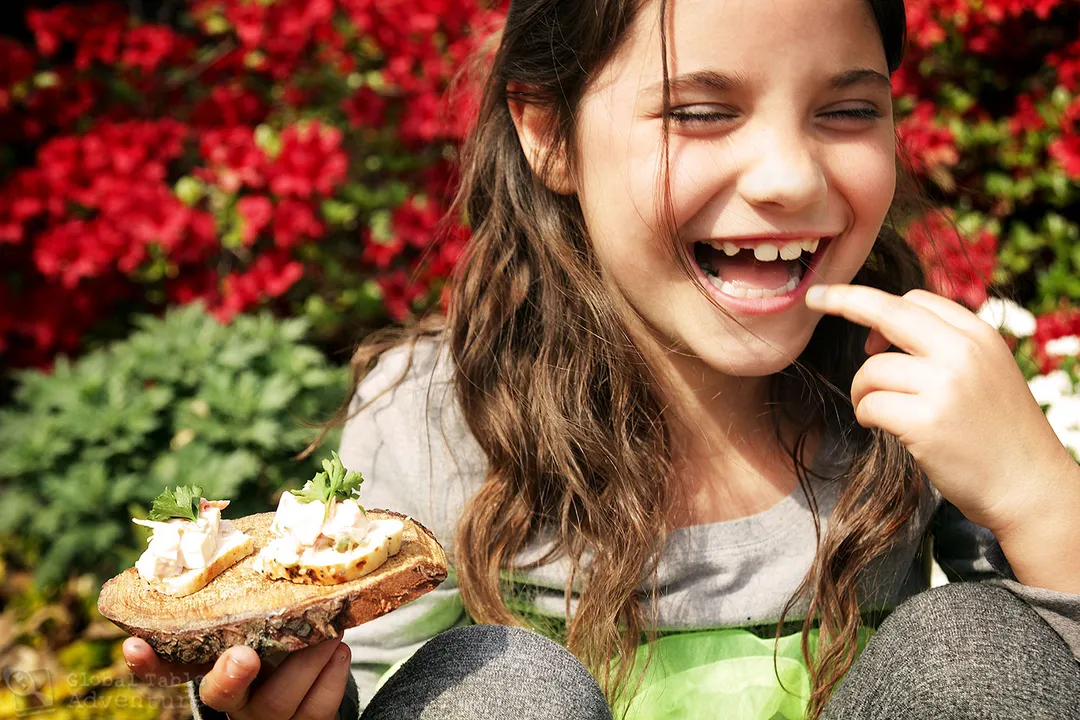
In the Cook Islands, the literal translation of ika mata is simply "raw fish," and historically, the local preference leaned heavily toward specific indigenous species. The traditional preparation method often involved using Maroro fish, which is known as flying fish. This choice speaks to what was immediately available in the island waters. When preparing flying fish in the traditional manner, the fish is typically sliced into substantial pieces, about two to two-and-a-half inches long, with several slices made from front to back while leaving the skin intact, before marinating in citrus and salt.
While flying fish holds this traditional status, modern iterations, even those shared by Cook Islanders, often cite a different favorite due to accessibility and texture preference.
# Favorite Tuna
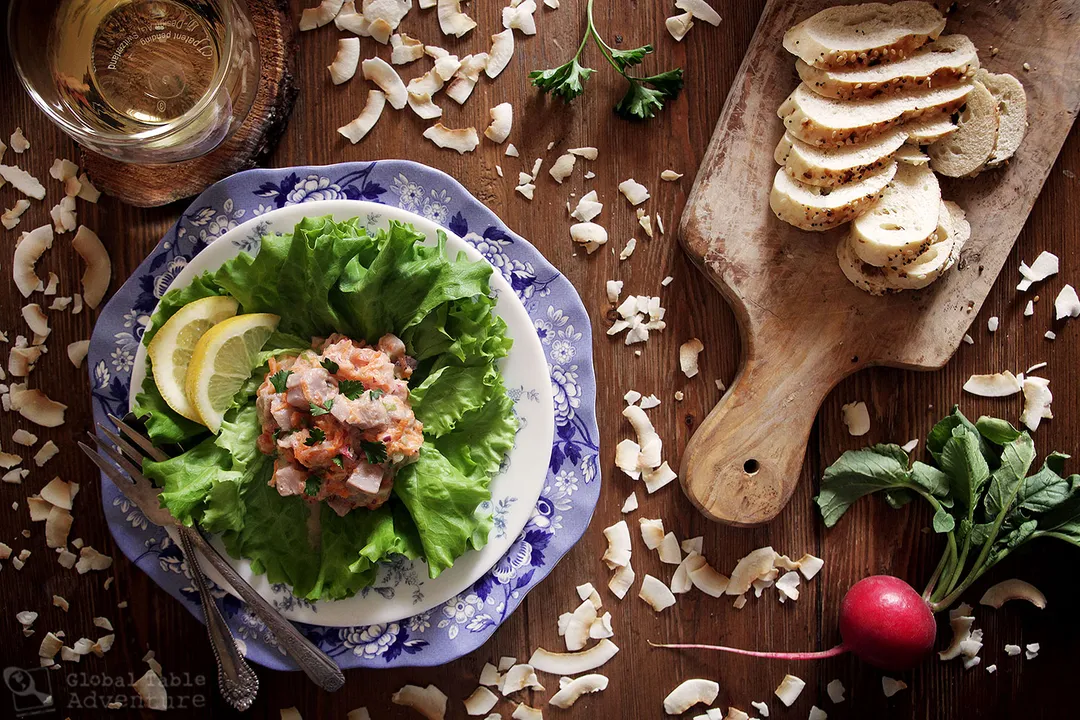
Across several contemporary accounts of the dish, tuna stands out as the most frequently recommended and celebrated fish for ika mata. Specifically, yellowfin tuna is highlighted by multiple sources as a top-tier option. Whether referred to as yellowfin or simply tuna, its firm texture and rich quality make it an excellent candidate for absorbing the marinade without immediately turning mushy. One source notes that yellowfin tuna is their "most favorite" selection for the salad.
# Kingfish Excellence
Another frequently cited fish that performs exceptionally well in this raw salad format is kingfish. Kingfish is often praised for its suitability in raw preparations, suggesting it holds up well against the acidity of the marinade. One recipe author noted that it is one of the best ways to prepare and enjoy kingfish. The fish, when cut into cubes, needs a texture that provides some substance against the vegetables and cream, a quality both tuna and kingfish readily offer.
# White Fish Alternatives
For those seeking alternatives to tuna or kingfish, a category of firm white fish frequently appears in recipes.
Specific examples of suitable white fish include:
- Snapper: Listed as a viable option alongside trevally.
- Trevally: Recommended as a firm-fleshed fish that works well in the Cook Islands version of the dish.
- Grouper: Suggested as a general alternative for this style of raw fish salad.
- Kahawai: Mentioned as a firm white fish choice.
It is important to recognize that ika mata has cousins throughout the Pacific, such as Kokoda (Fiji) or Poisson Cru (Tahiti), and the fish selection can shift slightly by region, though the core concept—fresh fish cured in acid and softened by coconut milk—remains constant.
# Selection Importance
The transition from traditional choices like flying fish to modern standards like yellowfin tuna or kingfish is often dictated by what is available fresh enough to be eaten raw. When dealing with any dish where the main protein is uncooked, the baseline requirement for quality supersedes specific species names. This preparation method, common in many coastal cuisines, demands seafood that is pristine from the moment it is caught.
A lesser-known technique that some cooks employ, which speaks to ensuring the fish is ready for curing, involves an initial brine bath. Instead of immediately hitting the fish with lemon juice, a brief soak in a salt-water solution—essentially simulating a very mild "sea water bath"—can sometimes be used to draw out excess moisture or toughen the surface slightly before the main acid cure begins. This extra step can be particularly useful if one suspects the fish has a higher water content, ensuring the final ika mata isn't diluted by excess liquid escaping during the citrus marination.
Considering the ingredients list across various high-quality recipes, the fish is diced into uniform, bite-sized pieces, usually around a half-inch cube. This size is critical because it maximizes the surface area exposed to the lemon or lime juice, allowing for even "cooking" while still leaving the center slightly opaque or firm, depending on the desired level of cure time. If the pieces are too large, the exterior can become chalky white before the interior has even begun to firm up, resulting in an uneven texture.
# Maximizing Texture
A useful observation when comparing the various raw fish preparations is the difference in curing time and technique, which directly impacts the final texture of the fish you select. For example, some traditional raw fish preparations in nearby regions might involve a much longer soak, perhaps even overnight. In the case of ika mata, however, recipes often call for shorter marination times, sometimes as little as 30 minutes, especially when using fish like tuna. This suggests an intention to keep the fish slightly more translucent and tender than ceviche styles that demand complete opacity.
If you are working with a particularly dense or meaty fish, like a high-quality yellowfin, you might find that skimming the thickest cream from the top of a can of coconut milk—and discarding the thinner liquid that settles at the bottom—can help achieve a richer mouthfeel without making the salad watery. This focus on the richness of the coconut cream ensures that even when the fish is only lightly cured, the final dish feels substantial and satisfying, addressing the common complaint that a light salad might leave a diner feeling hungry afterward. Ultimately, while tuna is the modern champion, the best fish for ika mata is the freshest, firmest available specimen, whether it wears the label of Kingfish, Snapper, or the traditional Maroro.
Related Questions
#Citations
How to make simple Cook Island style Ika Mata - Manaui
Ika Mata Kingfish Recipe — Provider Retreats & Adventures
Māori Fish Salad & the legend of New Zealand | Ika Mata
Sharing Our Traditional Delicacy Ika Mata (raw fish)
Favorite Ceviche/Poisson Cru/Ika Mata Recipes? - Hungry Onion
Prepare Ika Mata (Cook Islands raw fish salad) - Bunny Eats Design
IKA MATA - Cuisine Magazine - From New Zealand to the World