Which fish is used in Macher Jhol?
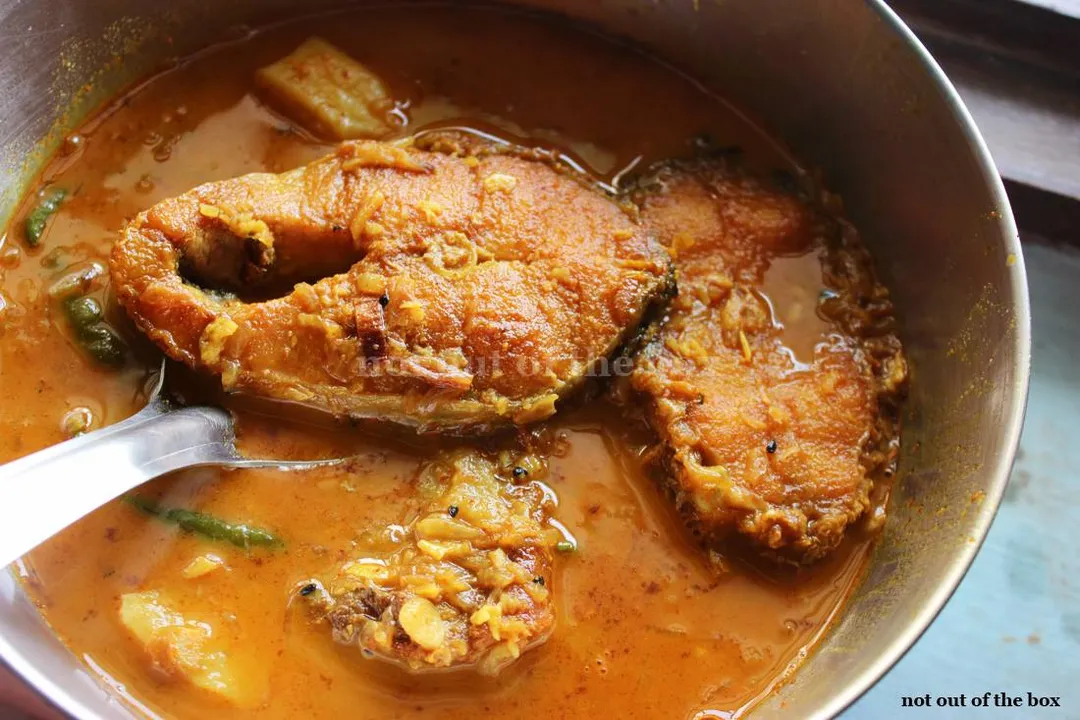
The choice of fish is arguably the single most defining element of an authentic Macher Jhol. This quintessential Bengali light fish curry, often celebrated for its simplicity and the way it perfectly balances spice with the inherent flavor of freshwater bounty, relies heavily on the type of fish swimming in the pot. While many recipes showcase this dish, the best results always hinge on selecting the right species that can stand up to, or blend gracefully with, the characteristic light base of ginger, turmeric, and perhaps a few gentle vegetables.
# Freshwater Carp Dominance
In Bengal, the undisputed stars of the Macher Jhol stage are the freshwater carps. These fish are preferred because their relatively mild, clean flavor profile allows the delicate aromatic base of the Jhol to shine through, unlike some sea fish whose stronger marine taste demands heavier spices like mustard paste or coconut milk.
The two heavyweights in this category are Rui (Rohu or Labeo rohita) and Katla (Catla or Catla catla). Both are staples in Bengali cuisine and are frequently recommended for this specific preparation.
Rui fish is often seen as the workhorse of the Bengali kitchen. When prepared in a Jhol, especially a simple one, its flesh has a satisfying firmness. This density means that even when simmered in the thin, flavorful broth along with potatoes or vegetables, the pieces tend to hold their shape well, making for a very sturdy, satisfying bite. A recipe for Rui Macher Jhol often implies a familiar, comforting texture, where the fish chunk is the centerpiece rather than merely a flavor note in the gravy.
Katla, on the other hand, presents a slightly different experience. While also a large carp, Katla often has a more delicate texture compared to Rohu. When cooked gently in a Jhol, Katla can sometimes impart a subtler, sweeter flavor into the surrounding liquid, although its tenderness means cooks must be more vigilant to prevent it from crumbling during the final simmer. Selecting between the two often comes down to personal preference: do you prioritize a fish that stays intact with a firmer bite (Rui), or one that yields more gently and perhaps seasons the broth slightly more (Katla)?
Another close relative frequently mentioned alongside the primary pair is the Mrigel carp (Cirrhinus mrigala). While perhaps less universally famous than its cousins, Mrigel shares the freshwater, mild-flavored characteristics that make the carp family so suitable for the Jhol.
| Fish Name | Common Bengali Name | Typical Texture in Jhol | Suitability for Light Jhol |
|---|---|---|---|
| Rohu | Rui | Firm, holds shape well | Excellent |
| Catla | Katla | Medium to soft, flakes easily | Very Good |
| Mrigal | Mrigel | Varies, similar to Rohu/Katla | Good |
| Tilapia | Tilapia | Varies based on size and freshness | Acceptable Substitute |
# Specialized and Seasonal Choices
While the large carps form the backbone of the everyday Macher Jhol, Bengali culinary tradition incorporates a wider variety of fish depending on the season, the occasion, or what is available fresh from the local market or pond.
For a lighter, perhaps more delicate preparation—often one enjoyed when the weather is warmer or the cook desires something less substantial than a hearty carp curry—smaller, often bottom-dwelling fish are brought into play. These include:
- Pabda (Ompok bimaculatus): Known for its soft, almost melt-in-your-mouth texture, Pabda requires a very light hand during cooking.
- Tangra (Mystus tangara): These small catfish possess a distinct, robust flavor that stands out even in a simple Jhol.
- Parshe (Liza buchananii): A small mullet, which offers a flavor profile that leans slightly more towards the sea but is often integrated into freshwater cooking styles.
These smaller fish are excellent for cooks who want to prepare a Jhol that doesn't require frying the fish chunks to a hard crisp beforehand, as their size often means a quick sauté is sufficient.
An interesting deviation arises when considering fish like Tilapia. While Tilapia is not traditionally associated with classic Bengali fish curry in the same vein as Rohu or Katla, it is sometimes recommended as an accessible substitute in modern recipes, particularly outside of Bengal's primary fishing regions. Its relatively neutral taste allows it to absorb the flavors of the Jhol base, making it a practical choice when the preferred carps are unavailable.
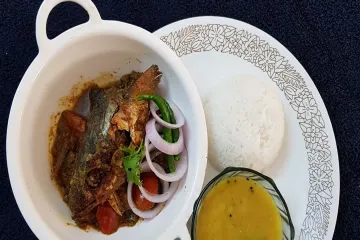
# The Exception That Proves the Rule: Hilsa
No discussion of Bengali fish is complete without mentioning Ilish or Hilsa. This anadromous, oily fish is revered above all others in Bengali culture, but it rarely features in a standard, light Macher Jhol. Ilish possesses an extremely strong, distinct flavor and a high oil content. While it is famously used in Sorshe Ilish (mustard-based curry) or Bhapa Ilish (steamed), its powerful character usually overpowers the subtle ginger and turmeric notes that define a classic Jhol. When Ilish is prepared in a Jhol style, it tends to be much spicier or cooked with ingredients specifically meant to complement its richness, moving it away from the everyday, light preparation the term Jhol usually implies.
# Analyzing Fish Suitability: Texture and Flavor Dynamics
The fundamental reason the carps dominate the Jhol landscape is tied to the method of cooking itself. The classic Macher Jhol is often cooked quickly, sometimes incorporating seasonal vegetables like potatoes, cauliflower, or tomatoes. The fish is typically marinated, lightly pan-fried until golden, and then added back into the simmering gravy right near the end.
This process demands a fish flesh that can manage two competing needs: it must absorb the savory, aromatic liquid, but it must also retain enough structural integrity so that the pieces don't disintegrate when stirred or served over rice.
Considering this, one observes a common trade-off in the kitchen. Freshwater carp flesh, particularly that of Rohu, offers a density that resists breaking down, ensuring that even if the curry is reheated or allowed to sit slightly, the fish remains largely intact. This is a practical consideration for busy households where the curry might be prepared in the morning and eaten hours later. Conversely, very lean or extremely delicate fish, like some sea bass or even overly tender Katla, must be handled with extreme care. If the goal is a soupy, almost broth-like curry where the fish gently dissolves and enriches the entire liquid, then a softer fish is superior. But for a dish where you want distinct pieces of fish to scoop up with rice, density wins out.
Furthermore, the preference for these freshwater species speaks volumes about the desired interaction between the protein and the simple spices. The oils released by these freshwater fish during the initial light fry are often subtle enough to blend with the ginger and turmeric without creating a greasy mouthfeel that richer fish might impart into a thin gravy. This leads to an interesting culinary perspective: the Jhol is designed not just to season the fish, but for the fish's natural oils to complete the seasoning of the broth itself. Marine fish, carrying stronger inherent flavors, often require an entirely different set of complementary flavors—often involving mustard or coconut—to achieve balance, thereby transforming the dish from a Jhol into a different category of curry altogether.
When you encounter a Macher Jhol made with ingredients like milk (a less common but recognized variation), the need for a firm, non-flaky fish like Rui becomes even more pronounced, as the milk base offers less structural support than a water or tomato-based broth.
Ultimately, while a true aficionado can detect the subtle difference between a Rui Jhol and a Katla Jhol, the common thread is the successful integration of a mild, freshwater flavor into a light, aromatic liquid. The fish is the star, but only if it respects the simplicity of the supporting cast of spices and vegetables.
Related Questions
#Citations
Machher jhol - Wikipedia
Rui Machher Jhol—detailed recipe with video by - Bong Eats
Bengali Macher Jhol - Rupal Bhatikar
Machhere Jhol (Bengali Fish Curry) : r/IndianFood - Reddit
Bengali Fish Curry (Macher Jhol) - By Cook Eat World
Orange Katla Fish Curry Recipe from Maacher Jhol Movie - Facebook
Asma Khan's macher jhol – Bengali fish curry - The Guardian
Macher Jhol Piyaj, Aloo, Tomato, Dhonepata diye | Bengali Fish ...
Bengali Style Fish Curry – Easy Macher Jhol Recipe - Patel Brothers
Dudh Diye Macher Jhol Fish Curry Cooked In Milk