Why don't restaurants use a pressure cooker?
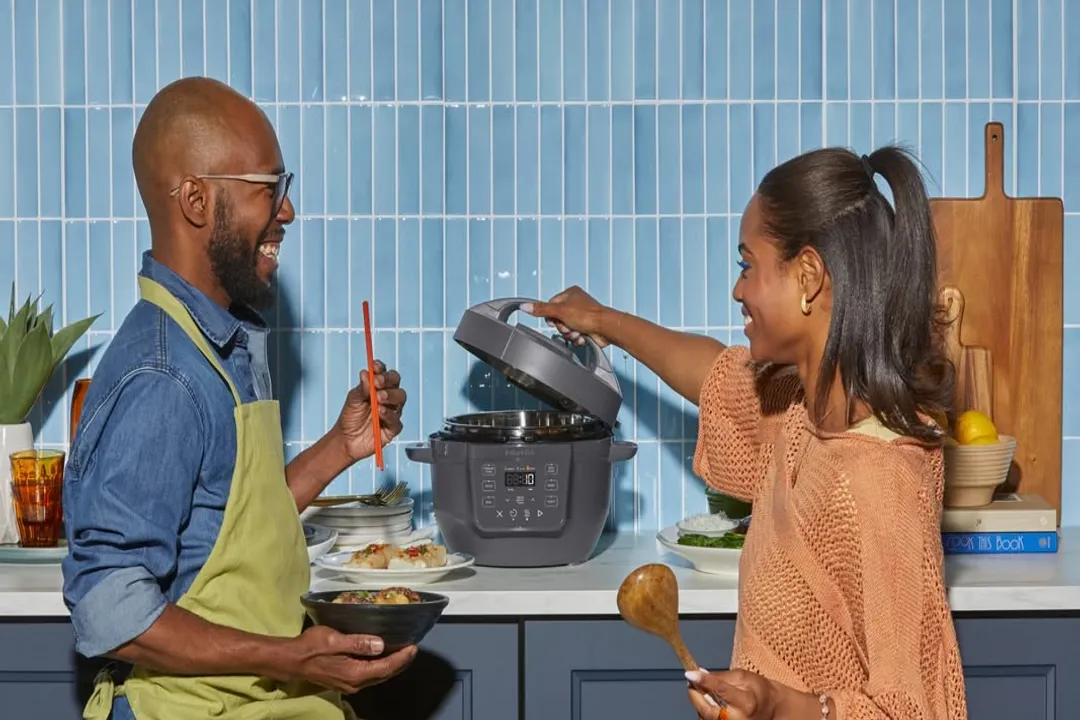
The immediate image that springs to mind when thinking about high-end or even fast-paced professional cooking often involves searing pans, roaring convection ovens, and massive stock pots bubbling away on high-BTU ranges. It's a world where steam control means opening a valve, and cooking time is measured by an acute, experienced sense of timing, not a digital display counting down from ten minutes. This environment rarely features the sealed, rattling dome of a pressure cooker, which leads many home cooks—who often rely on devices like the Instant Pot for speed—to wonder why the professionals skip this seemingly time-saving tool. [3][2] The perception among many culinary professionals is that the pressure cooker, while excellent at reducing cooking times significantly, often sacrifices too much control over the final product’s texture and flavor profile. [2][3]
# Control Limits
The primary hesitation chefs express centers on a fundamental loss of direct process oversight. In a traditional kitchen, the cook is intimately involved in the cooking process, constantly checking for visual cues, adjusting heat based on sound, and physically probing the food for doneness. [2] A pressure cooker, by its very nature, seals the environment, creating a high-pressure, high-temperature sauna where deviations are difficult or impossible to make once the seal is set. [3] If a batch of beans or a tough cut of meat requires another five minutes of gentle simmering versus ten minutes under pressure, the difference in texture can be vast, and that five-minute adjustment is often impossible mid-cycle in a pressurized environment. [7] This lack of immediate feedback leads to what many see as unpredictable results, which is anathema to the consistency required in a commercial setting. [2]
When a chef is working with hundreds of covers a night, consistency isn't a goal; it's the baseline requirement. A slight variation in a braise due to the imprecise timing of a sealed vessel can lead to customer dissatisfaction across multiple tables, something a traditional, manually controlled pot avoids by allowing constant monitoring. [3]
# Texture Development
Beyond simple doneness, the quality of the texture is paramount, particularly in fine dining or high-quality casual establishments. Pressure cooking excels at breaking down tough connective tissues quickly, which is great for stocks, bones, or very fibrous vegetables. [2] However, that same intense heat and steam environment can rapidly degrade the structure of more delicate ingredients, leading to a mushy or waterlogged outcome. [2] For instance, while you can cook risotto in a pressure cooker, the resulting grain often lacks the characteristic, creamy al dente bite that comes from the slow agitation and gradual starch release achieved via traditional stovetop stirring. [3] Chefs often seek specific textural nuances—the slight resistance of a perfectly cooked carrot or the gelatinous mouthfeel of a stock achieved by slow extraction—that high-pressure steaming tends to homogenize into a less interesting state. [2]
Even when dealing with proteins, the traditional method of searing first—building a fond (the browned bits at the bottom of the pan) for deep flavor—is a critical step in many braises and stews. [2] While some modern electric units offer a sauté function before pressurizing, the intensity and surface area interaction are often less effective than a heavy-bottomed, high-heat cast iron or stainless steel pot specifically designed for maximizing that initial Maillard reaction. [3]
# Operational Workflow
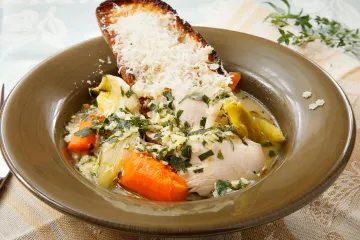
The rhythm of a professional kitchen is dictated by speed, mise en place, and the flow of service. While the pressure cooker drastically cuts down on cook time, it doesn't always integrate smoothly into the existing workflow or space constraints. [2][7]
Consider a restaurant that needs to prepare a large stock for the evening service. A chef can put a massive stockpot on a range burner and let it simmer gently for eight hours, requiring minimal active attention beyond skimming. [2] If that same task were done in a commercial pressure cooker, the sheer volume would necessitate a gigantic, specialized unit, which takes up significant, often scarce, floor or counter space. [7] Furthermore, the process of bringing the pot up to pressure, cooking, and then safely de-pressurizing can still be lengthy, and if the item is needed a la minute rather than in a bulk batch, the equipment setup time is prohibitive. [7]
A thought experiment in logistics reveals this point clearly: for a chef needing 40 gallons of concentrated veal stock ready by 4 PM, using multiple large, heavy-duty stock pots on dedicated ranges offers redundancy and flexibility—if one burner goes down, the other continues. Using one massive, dedicated pressure vessel centralizes risk; if that single piece of specialized equipment fails or needs maintenance, the entire stock production for the day is jeopardized. The time saved during the actual cooking phase may not offset the risk associated with investing so heavily in a single, high-pressure component. [2]
# Specialized Tools and Pressure Frying
It is important to distinguish the common countertop electric pressure cooker (like an Instant Pot) from heavy-duty, purpose-built commercial pressure equipment, such as pressure fryers. [8] Pressure frying, famously used for items like fried chicken, does exist and is highly valued in certain fast-casual settings because it cooks food faster while locking in moisture, resulting in a product that is both crispy and juicy. [8] However, this is a highly specific application requiring specialized, often large, tilting fryers designed only for that purpose. [8] The reasons chefs avoid the general-purpose pressure cooker do not necessarily apply to these dedicated, safety-engineered pressure fryers, which are built to meet high-volume, single-task demands with reliability. [8]
Conversely, when looking at standard pressure cooking, some chefs note that many recipes that benefit most from pressure cooking—like dry beans or tough cuts—are often items that are inexpensive to begin with, allowing a kitchen to simply use longer, slower cooking methods without much financial penalty. [7] For high-end items like prime beef tenderloin, where texture is everything, no amount of time saved is worth risking the quality, so traditional roasting or precise sous-vide methods are preferred. [2]
# The "Shortcut" Stigma
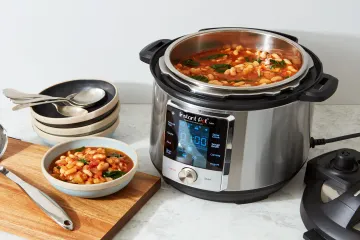
Part of the resistance, particularly in older or more traditional kitchens, stems from a cultural bias against what is perceived as a "shortcut". [2][3] In many culinary traditions, time equals dedication, and the slow transformation of ingredients is valued as a sign of skill and respect for the product. [2] Using a device that accomplishes in 30 minutes what traditionally takes 4 hours can carry a stigma of not knowing how to cook properly or not valuing the craft. [3] While this mindset is slowly eroding as modern equipment proves its worth in specific areas, it remains a subtle barrier in some environments.
The very speed that makes these cookers attractive to home users can be a detriment in a kitchen that runs on carefully staggered timings. If a recipe calls for a sauce base to simmer for two hours to marry flavors, speeding that up to 20 minutes under pressure changes the chemical interactions, potentially yielding a thinner, less integrated flavor profile. [2] The flavor development in slow cooking often involves gradual evaporation and concentration of volatile compounds, a process that pressurization actively seeks to prevent. [2]
# Modern Integration and Exceptions
The narrative is not entirely one-sided. As technology advances, modern commercial pressure cookers are becoming more sophisticated, and their applications in professional kitchens are evolving beyond just the realm of basic stocks. [6] A professional kitchen that specializes in high-volume, deeply flavored items like barbecue, braised short ribs, or certain soups can find an advantage. [6]
For example, a commissary kitchen preparing massive batches of chili or pulled pork for distribution to satellite locations might indeed find a large, industrial pressure canner/cooker worthwhile for ensuring consistent, safe product batches that need to be made well in advance. [9] The consistency achieved across hundreds of identical units might outweigh the slight loss in textural nuance, especially if the final product is dressed up later with fresh elements like a quick sear or a final high-heat glaze. [6]
Here is a comparison of operational trade-offs for a demanding item like Beef Shank Braise:
| Cooking Method | Estimated Active Cook Time | Required Equipment | Primary Quality Benefit | Commercial Risk Factor |
|---|---|---|---|---|
| Traditional Braise | 4–6 hours (mostly unattended) | Large stock pot, range burner | Maximum flavor depth, texture | Low (redundant equipment) |
| Pressure Cooker | 1–1.5 hours (sealed) | Dedicated pressure unit | Speed | High (single point of failure) |
| Sous Vide & Sear | 24–48 hours (water bath) + Sear | Immersion circulator, pan | Ultimate control over internal temp | Medium (high energy/space cost) |
It becomes clear that for the beef shank, the trade-off isn't just time for quality; it's time for flexibility and redundancy in a high-stakes environment. [2] The pressure cooker wins on speed, but often loses on the other metrics that define commercial reliability.
# The Perception of Simplicity
A final consideration lies in the perception of simplicity versus complexity management. A chef trained in classical or modern techniques has mastered the variables of open-vessel cooking—how altitude affects boiling point, how moisture loss concentrates flavor, how a low simmer differs from a full boil. [7] These are internalized skills. Introducing a pressure cooker requires learning a new, somewhat opaque set of variables related to pressure, sealing integrity, and heat application that doesn't always translate directly from their existing knowledge base. [3] Unless a kitchen is specifically designed around high-pressure cooking for a core menu item (like specialized pressure-fried foods), the added complexity of training staff on a high-pressure tool for intermittent use often makes the effort not worthwhile compared to simply extending the cook time on an existing, familiar piece of equipment. [2] For the vast majority of menu items encountered in general restaurant service, the conventional tools remain superior for achieving the desired "restaurant quality" standard the guest expects. [2][3]
#Videos
Why Chefs Love Pressure Cookers - YouTube
Related Questions
#Citations
What is the perception of professionals in the industry ... - Reddit
Why don t chefs use pressure cookers? | ZHENNENG
Why do chefs dislike the instant pot? - Quora
Why Chefs Love Pressure Cookers - YouTube
Pressure cooking is going to put restaurants out of business!
Why Do Chefs Use Pressure Cookers? - Instant Pot Eats
Why use a pressure cooker? - Straight Dope Message Board
10 Pressure Frying Myths: BUSTED - Henny Penny
The Misconceptions about Electric Pressure Cookers - UF/IFAS EDIS