What did people use before sliced bread?
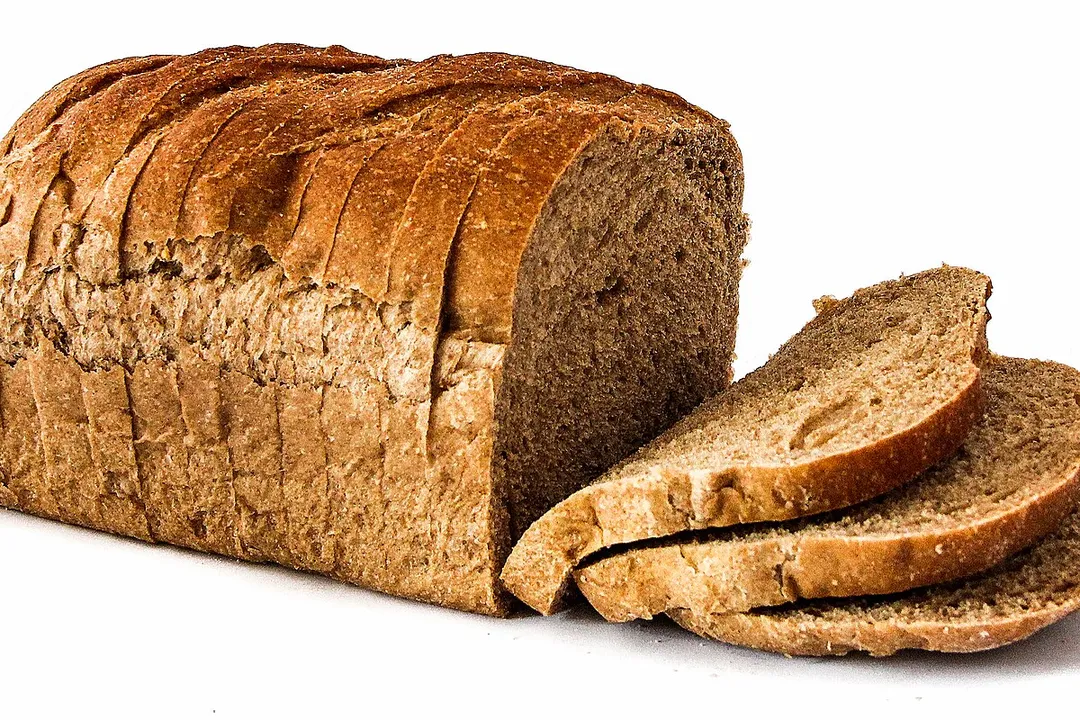
It’s easy to take for granted the neat, uniform slices of bread we pull from the grocery shelf today, often straight into the toaster. The idiom itself, "the best thing since sliced bread," suggests a profound, almost unbelievable leap in human convenience. [3][8] But for most of human history, bread was a dense, crusty, and whole affair. To understand what people used before that automatic mechanism arrived in 1928, we have to look back at the sheer physical labor and creativity involved in eating one of civilization’s oldest staples. [4][5]
# Ancient Role
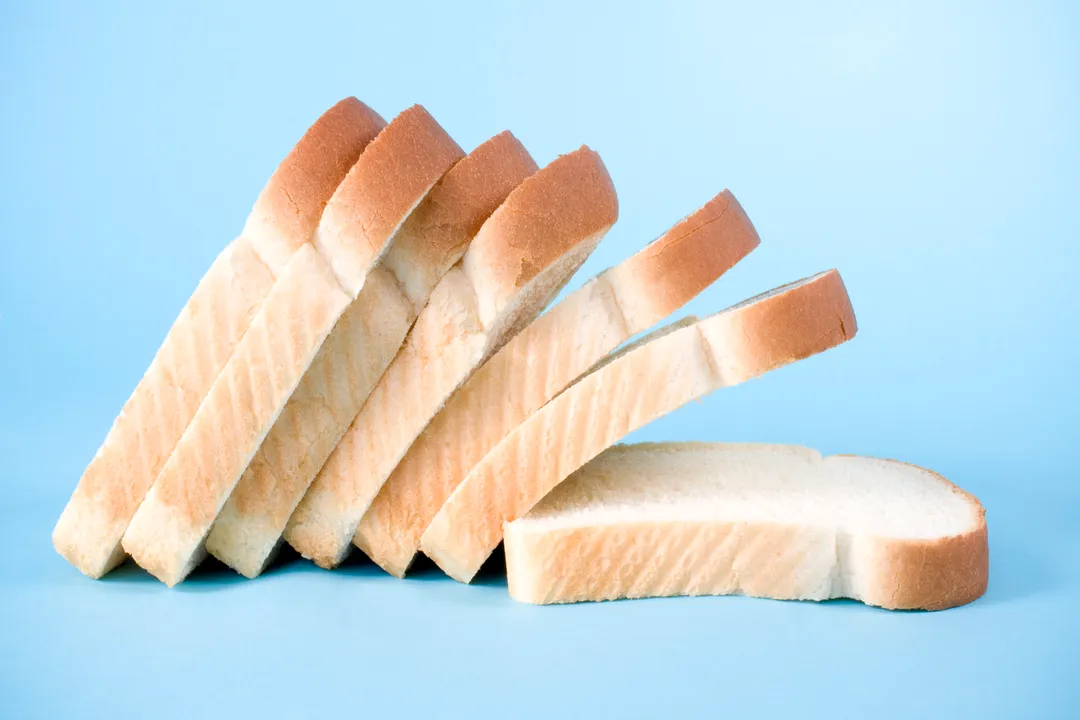
Bread, in its various forms, has been a cornerstone of diets since ancient civilizations, predating the common sandwich by millennia. [5] In Roman times, for instance, bread was a daily necessity. It wasn't about quick convenience; it was about sustenance. [5] Unlike the soft sandwich loaves of the 20th century, these early breads often featured hard, thick crusts that served a protective function, keeping the interior from drying out too quickly. [4] This natural casing meant that the consumer was the intended slicer, a role dictated by necessity rather than choice.
The sheer age of bread means its uses were incredibly varied based on the culture and the quality of the bake. In some historical contexts, bread wasn't just eaten as is; it was deliberately made sturdy to act as an absorbent base or an edible plate, known as a trencher. [1][5] These trenchers would soak up the juices from meat or stew, making them delicious by the end of the meal, and then they could be eaten or given to the poor or animals. [5] This functionality required a loaf that held its shape and didn't immediately crumble when saturated, a stark contrast to the fluffy white bread designed for quick toasting and immediate consumption after Rohwedder's invention. [4]
# Home Cutting
Once commercially produced bread started becoming more common, especially after the 18th century when the concept of the sandwich emerged—a convenient meat-and-filling package attributed to the Earl of Sandwich—the loaf still arrived whole. [5] If a family wanted toast, or perhaps needed a thinner slice for a specific preparation, the work fell to the home cook or baker. [1]
Before the machine, this was a skill, often practiced daily. A large, round or oblong loaf would be placed on a sturdy surface, and a long, often serrated, knife was employed. [1] Slicing unevenly was a common household event. One side of the loaf would yield thick, doorstop-like slabs perfect for dunking in soup or wine, while the heel or end pieces were often irregularly cut or reserved for grating into breadcrumbs. [1][5] Consider the daily time commitment: if a family ate toast or bread twice a day and it took a careful 30 seconds to slice two pieces evenly, that adds up over the course of a year. For a busy household in the early 1900s, this seemingly small daily chore represented a non-trivial amount of time that was essentially being 'spent' on bread preparation before the convenience factor was introduced. [4]
Some artisan bakers might have offered to slice bread for their customers upon request, but this wasn't universal, and once sliced, the bread was exposed immediately to the air, leading to rapid staling. [1][4] This exposure explains why many people preferred their bread unsliced—it lasted longer in the pantry or bread box.
# Sandwich Basis
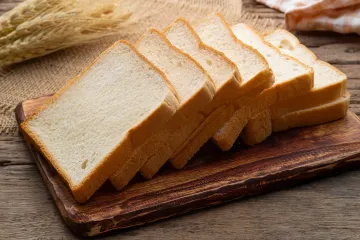
Even when the sandwich was invented in the 1700s, bread was used as the delivery system, meaning two whole, unsliced pieces were laid around the filling. [5] The Earl of Sandwich supposedly requested meat between bread so he could eat without leaving the card table or getting grease on his hands while gambling. [5] In this scenario, the bread served its function as a holder, but it had to be substantial enough to contain the filling without tearing.
The rise of the industrial bakery made bread cheaper and more accessible, but it still needed slicing. The key transition wasn't just about making the bread; it was about standardizing the delivery of the bread for modern eating habits. Before pre-slicing, if you wanted a neat sandwich, you had to cut your own two pieces from the loaf, hoping they matched in thickness. If they didn't, one side might be too thin to hold its contents, or one side might be excessively thick, throwing off the balance of the filling.
# Machine Arrival
The change agent was Otto Frederick Rohwedder. [6][8] Rohwedder, working in Chillicothe, Iowa, perfected a machine that could both slice the entire loaf and then wrap it securely. [6][8] The first commercially available machine was introduced in 1928, and the first sliced bread was sold in that city. [6] This was not just an invention for bakers; it was a device intended for bakeries to use so that the consumer could purchase the bread ready to eat. [4]
The initial reaction to this marvel was mixed. While convenience advocates celebrated, there was genuine resistance. People were accustomed to the longer shelf life provided by the crust protecting the interior. [4] When people first encountered sliced bread, often packaged simply, they worried it would go stale much faster because more surface area was exposed to air. [4] Early adopters, however, quickly realized the convenience outweighed this perceived drawback, especially as packaging methods evolved alongside the slicing technology. One newspaper in 1929 praised the invention as a great boon to housekeeping. [4]
The true measure of its impact is found in the idiom itself, signifying peak modern convenience, yet even this convenience faced a brief setback. During World War II, the US government briefly banned the sale of pre-sliced bread in 1943, citing concerns about waste related to packaging and the slicing process itself, though this order was later rescinded after significant public outcry. [4] This brief ban demonstrated just how quickly the public had adapted to expecting this level of standardization.

# Convenience Leap
The true genius of the pre-sliced loaf wasn't just the cutting; it was the packaging that followed. [4] A loaf sliced by hand, sitting on a counter, would indeed dry out quickly. Rohwedder's system included a wrapping mechanism, which kept the moist interior soft longer than if the consumer had attempted to slice the loaf at home and left the halves exposed.
This realization speaks to an important distinction: before slicing, bread was inherently durable due to its thick crust and the user's control over the cutting surface. Post-slicing, the bread became inherently fragile and temporary. If you examine a loaf baked today without the wax paper or plastic wrap that historically accompanied the sliced loaf, you'll find the inner crumb dries rapidly, a necessary trade-off for uniformity. [4] For the average consumer, the ease of grabbing a piece immediately outweighed the need to store the loaf for a week, thus fundamentally shifting purchasing and consumption patterns toward immediate use.
If we look at the trajectory, the pre-sliced bread phenomenon wasn't just about saving a few minutes of knife work; it represented a shift toward the mass-market standardization of food preparation, making the kitchen appliance nearly redundant for a primary task. It made bread perfectly portioned for the emerging American breakfast standard—the quick slice in the toaster—something that required an awkward, messy, and wasteful process before Rohwedder's machine made it automatic. [6]
Related Questions
#Citations
How did people eat bread before sliced bread was invented? - Reddit
What was the best thing before sliced bread?? - Facebook
What was the best thing before sliced bread? | News - British Baker
Sliced bread - Wikipedia
If sandwiches weren't invented until the 1700s but bread has ... - Quora
When Was Sliced Bread Invented? - Gold Medal Bakery
The best thing before sliced bread - SASS Wire Forum
The Troubled Origins Of Sliced Bread - Food Republic
The Greatest Inventions Before Sliced Bread - Study Breaks