Why do people avoid nightshade foods?
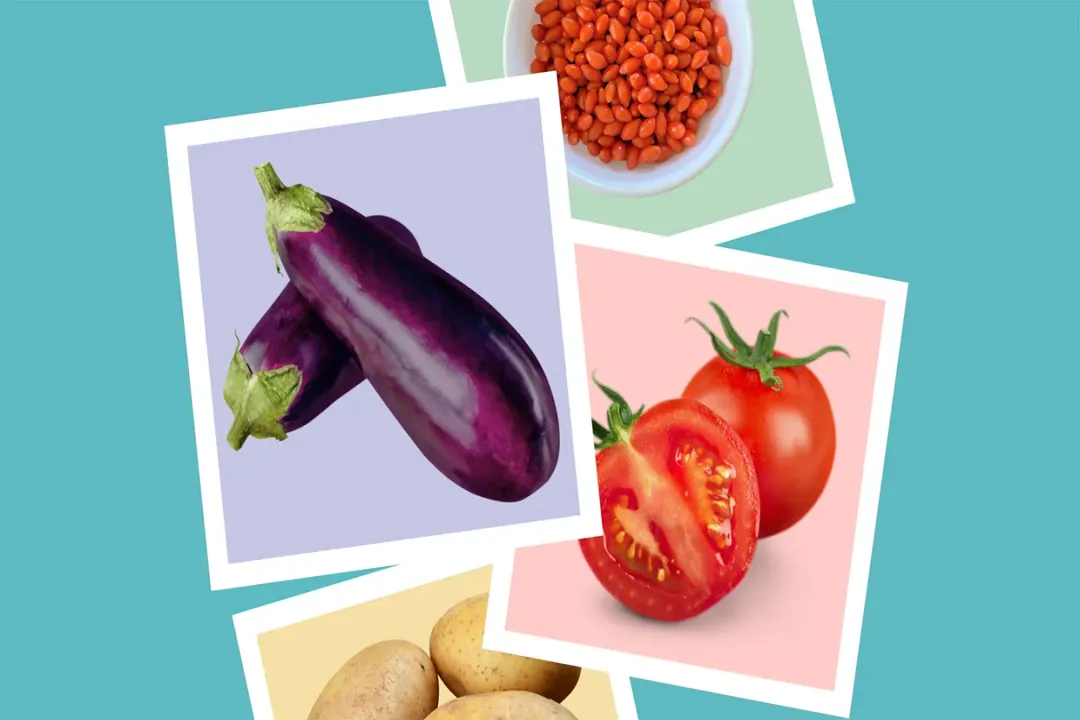
The aversion to nightshade vegetables often surfaces in online health discussions, creating a divide between those who embrace them freely and those who exclude them entirely based on concerns about inflammation or pain. These vegetables, members of the Solanaceae family, are staples in many global cuisines, yet they carry a reputation that prompts many to avoid common items like tomatoes, potatoes, and peppers. [8][6] Understanding the basis for this avoidance requires separating well-established nutritional facts from anecdotal experiences.
# Plant Family
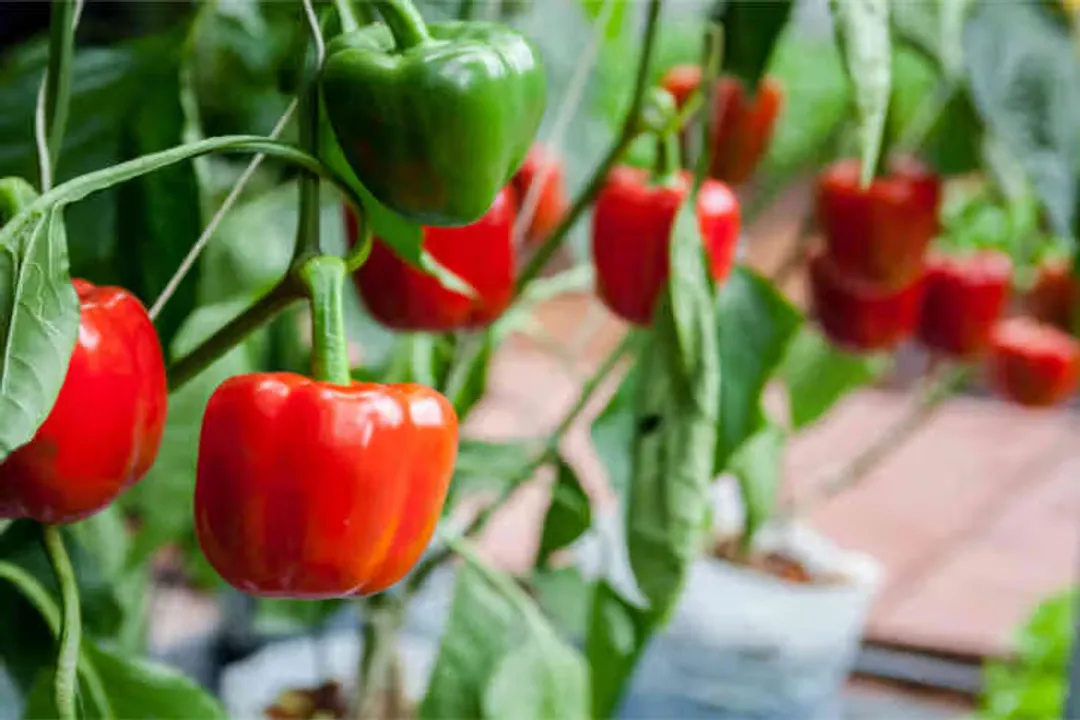
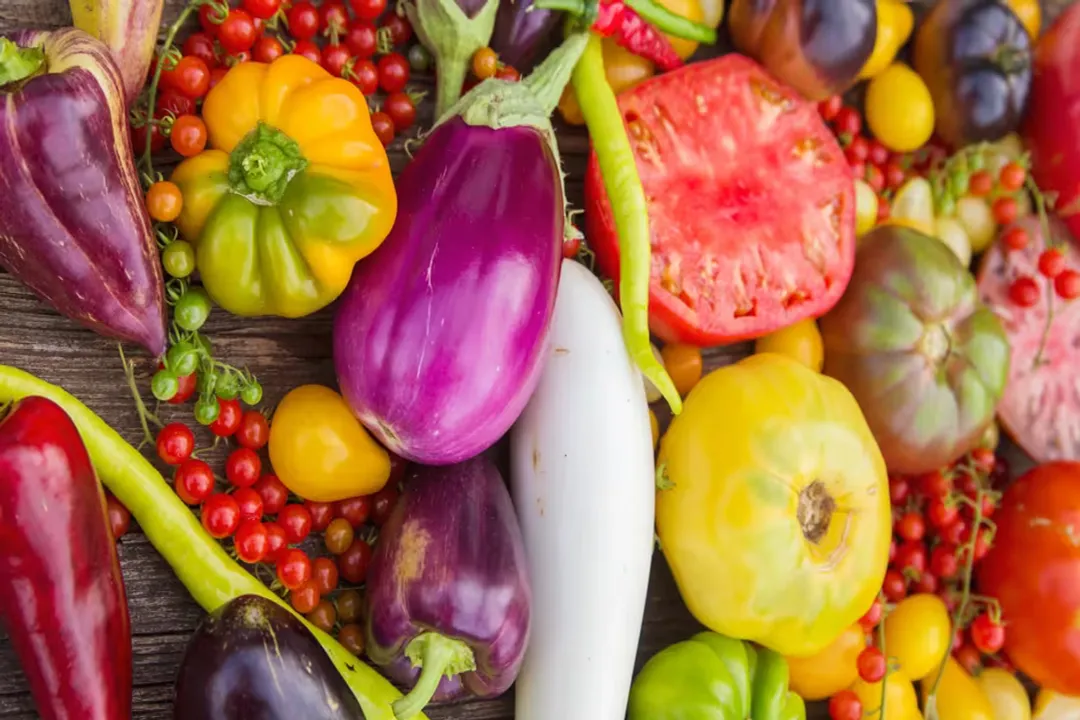
Nightshades belong to a specific botanical grouping, the Solanaceae family. [8] This group is quite diverse, encompassing numerous cultivated crops as well as ornamental plants like petunias and even tobacco. [7][1] The edible members frequently consumed in Western diets include eggplant, all types of peppers (including bell peppers and chilies), potatoes (though sweet potatoes are not nightshades), tomatoes, and goji berries. [7][6][8] Because these foods are so deeply integrated into cooking traditions—from Italian tomato sauces to classic French potato dishes—the idea of removing them entirely can feel drastic unless a compelling reason exists for the individual. [5]
# Compounds of Concern
The primary reason nightshades attract scrutiny is their natural production of chemical compounds known as alkaloids. [1][6] The specific alkaloid most frequently discussed in relation to nightshades is solanine. [3][1] These compounds function as a natural defense mechanism for the plant against insects and fungi. [3] While they are present in varying trace amounts throughout the edible parts of the plant, they are found in much higher concentrations in the leaves, stems, and green parts of fruits or tubers. [1][3]
For the average, healthy person consuming ripe, properly prepared nightshade vegetables, the amount of solanine ingested is generally considered too low to cause harm. [3] However, extreme intake, such as eating spoiled, green-tinged potatoes or the sprouts that grow from them, can lead to significant toxicity, causing symptoms like nausea, diarrhea, headaches, and stomach cramps. [1][3] This potential for acute toxicity, though rare in normal dietary contexts, often fuels the broader, lingering suspicion surrounding these vegetables. [3]
# Inflammation Claims
The most common driver for nightshade elimination diets centers on the belief that these vegetables actively promote or exacerbate chronic inflammation, particularly in individuals with autoimmune conditions or arthritis. [4][2] Anecdotally, many people report feeling less joint pain or digestive distress after cutting out foods like tomatoes and peppers. [4][2]
It is important to note the contrast between personal report and scientific consensus here. Major medical organizations and large-scale research studies have generally not established a conclusive, broad-based link between nightshade consumption and the initiation or progression of systemic inflammatory diseases in the general population. [2][4][1] For instance, while people with rheumatoid arthritis sometimes claim relief upon removal, large cohort studies have often failed to prove that nightshades are the direct trigger for their symptoms. [4][1] The reality is that food sensitivity is highly personal. What might cause a localized reaction in one person’s digestive tract may be entirely benign for another. [2]
When examining the literature, it appears that the inflammatory narrative often gains traction because certain compounds could theoretically interact with the body’s inflammatory pathways, but in the small doses found in food, the effect is usually negligible for most people. [1] For those who do experience negative feedback, it is often related to the effects of the alkaloids or perhaps lectins, rather than a universal inflammatory property of the entire plant family. [3] This distinction is key: avoiding them due to a diagnosed personal sensitivity is different from avoiding them based on a universal health decree. [2]
# Digestive Responses
Beyond joint pain, the digestive system is another common site where individuals report issues linked to nightshades. [2] Some people experience bloating, gas, or general gastrointestinal upset after consuming them. [2] This sensitivity is sometimes attributed to the alkaloids, but other components might be involved as well.
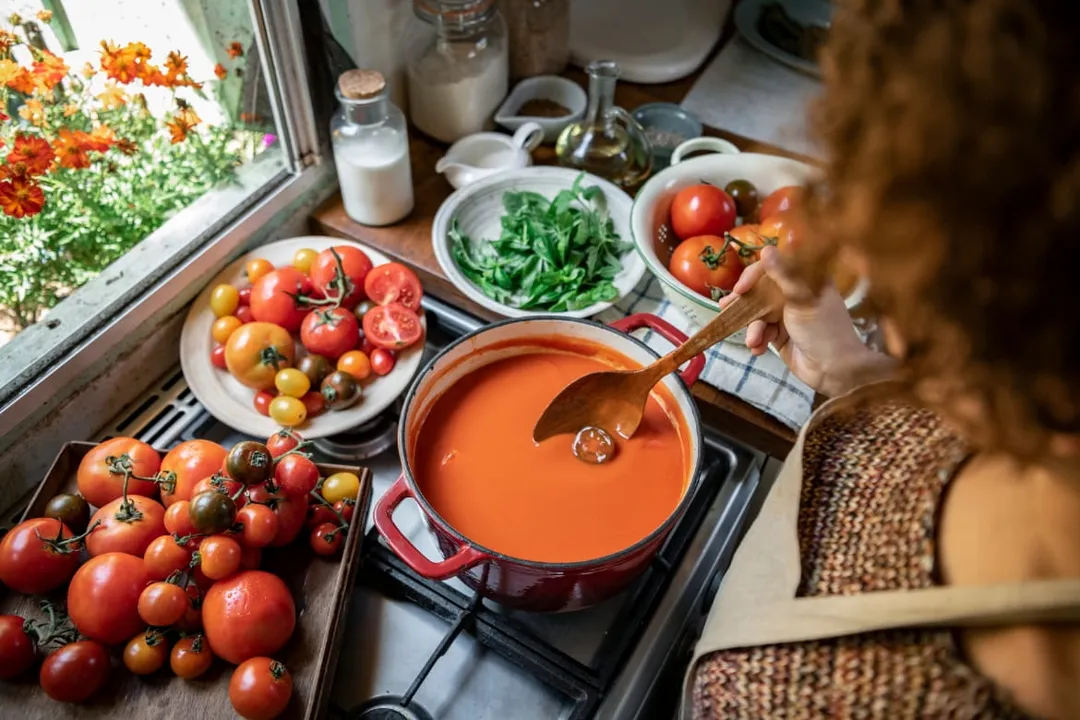
If you are approaching this from a place of seeking answers about digestive discomfort, it is helpful to consider how preparation methods might play a role. The preparation process can significantly alter the chemical composition of foods. For example, cooking, peeling, and removing seeds can reduce the concentration of certain compounds that might irritate a sensitive gut lining. [1] Furthermore, for the general consumer, the nutritional density of nightshades often outweighs the minimal risk posed by trace alkaloids. [5] The vitamins, minerals, and antioxidants they provide are significant contributors to a healthy diet. [8]
# Preparation Methods
The way these foods are handled before they reach your plate can influence their impact, especially for those already wary of them. [1] Understanding basic preparation can offer practical control over consumption.
Consider the common potato. The highest levels of solanine are concentrated in the skin and any green spots that may have developed due to light exposure. [3][1] Peeling potatoes thoroughly, especially if they show any green discoloration, is a simple step that mitigates exposure to the highest concentrations. [1]
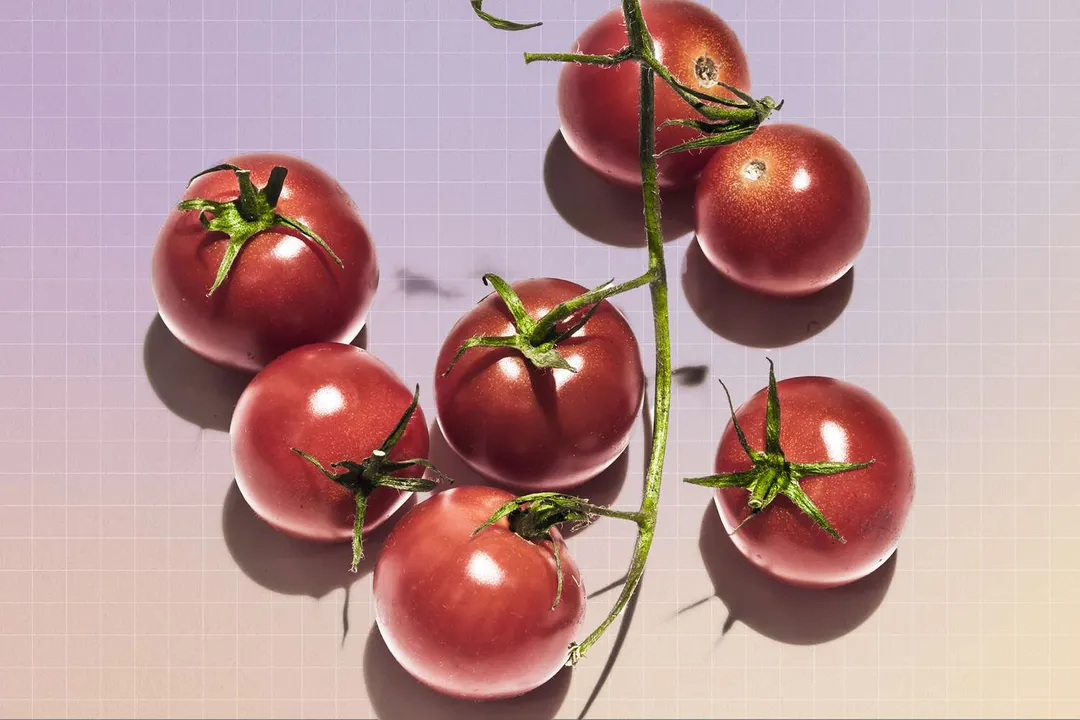
Similarly, for peppers and tomatoes, the seeds and pith can sometimes contain more irritants than the fleshy fruit. [1] While most people do not remove tomato seeds before making a sauce, someone attempting a strict elimination or reintroduction phase might start by consuming only the peeled, deseeded flesh of a tomato to test tolerance to the pulp itself. Boiling or baking the vegetables also helps degrade some of the alkaloids present. [1]
For those choosing to limit nightshades, it can be useful to think about the density of the food in the diet. If you are eating a large volume of processed tomato paste daily, the cumulative exposure to any potential irritant will be higher than if you consume one fresh tomato occasionally. [5]
# Nutritional Value
It is easy to focus only on the potential negatives when a food group carries a warning label, but nightshades are undeniably nutrient-dense additions to a balanced diet when tolerated. [8][5] They are excellent sources of several key micronutrients that support general health, including Vitamin C and Vitamin A, and they contribute meaningful amounts of potassium. [8][6]
Tomatoes, for instance, are famous for containing lycopene, a potent antioxidant linked to heart health and cancer prevention. [8][5] Red and yellow bell peppers are particularly high in Vitamin C, often surpassing citrus fruits in concentration. [8] Eggplant provides manganese and fiber. [6] Dismissing these foods entirely means missing out on these established nutritional advantages unless they are replaced with equal or superior alternatives. [5]
When considering an elimination diet, an often-overlooked aspect is replacement. If a person removes all nightshades, they must ensure they are substituting the lost nutrients. If tomatoes are replaced with foods low in lycopene, or if potatoes are replaced with only highly processed starches, the net effect on health could actually be negative, even if temporary pain relief is achieved. [5]
# Personal Sensitivity Assessment
For those who suspect nightshades are affecting them, the best approach—supported by medical advice for many food sensitivities—is a systematic elimination and reintroduction process rather than lifelong, blanket avoidance. [2][4]
Here is a suggested structure for investigating personal sensitivity. This is not medical advice, but a method for self-observation:
- Complete Elimination: Remove all nightshades from the diet for a defined period, perhaps three to four weeks. This needs to be thorough—no hidden chili powder, no potato chips, no tomato paste. [2] Keep a detailed food and symptom journal during this phase.
- Symptom Assessment: At the end of the elimination period, objectively assess whether the targeted symptoms (e.g., joint stiffness, digestive issues) have lessened or disappeared. If there is no measurable change, the likelihood that nightshades are the primary culprit is low. [4]
- Measured Reintroduction: If symptoms did improve, reintroduce nightshades one group at a time, waiting several days between introducing a new food item. Start with a small, cooked serving of one item—say, a few slices of cooked eggplant. Monitor symptoms closely for the next 48 to 72 hours before trying the next category (e.g., bell peppers). [2]
This methodical approach moves beyond simple correlation. If symptoms consistently return only when tomatoes are reintroduced, but not when potatoes are eaten, it pinpoints the specific component causing the issue, allowing for targeted avoidance rather than unnecessary removal of a whole vegetable class from your plate. For example, someone might find they tolerate fully cooked, peeled tomatoes well but react poorly to raw ones, suggesting the issue might be with acidity or texture rather than the solanine content itself. [1] If you find that cooking severely reduces the reaction, it points more toward an issue with the structural compounds (like alkaloids) rather than a general intolerance to the fruit’s basic composition. [1] Maintaining this clarity is what turns an avoidance strategy into an informed dietary choice based on personal experience. [4]
Related Questions
#Citations
The Truth About Nightshades: Are They Bad for You?
Dietitian Sheds Light on Nightshade Vegetables
What to Know About Nightshade Vegetables - WebMD
How Nightshades Affect Arthritis
What are Nightshades and Why do People Avoid Them?
Nightshade Vegetables: Risks, Examples, and Substitutes - Healthline
Do You Need to Stay Away From Nightshade Vegetables?
What Are Nightshades and Are They Bad for You? - EatingWell
What Are Nightshade Vegetables and Should You Avoid Them?
What You Should Know About Nightshade Vegetables