Why do some people call jam preserves?
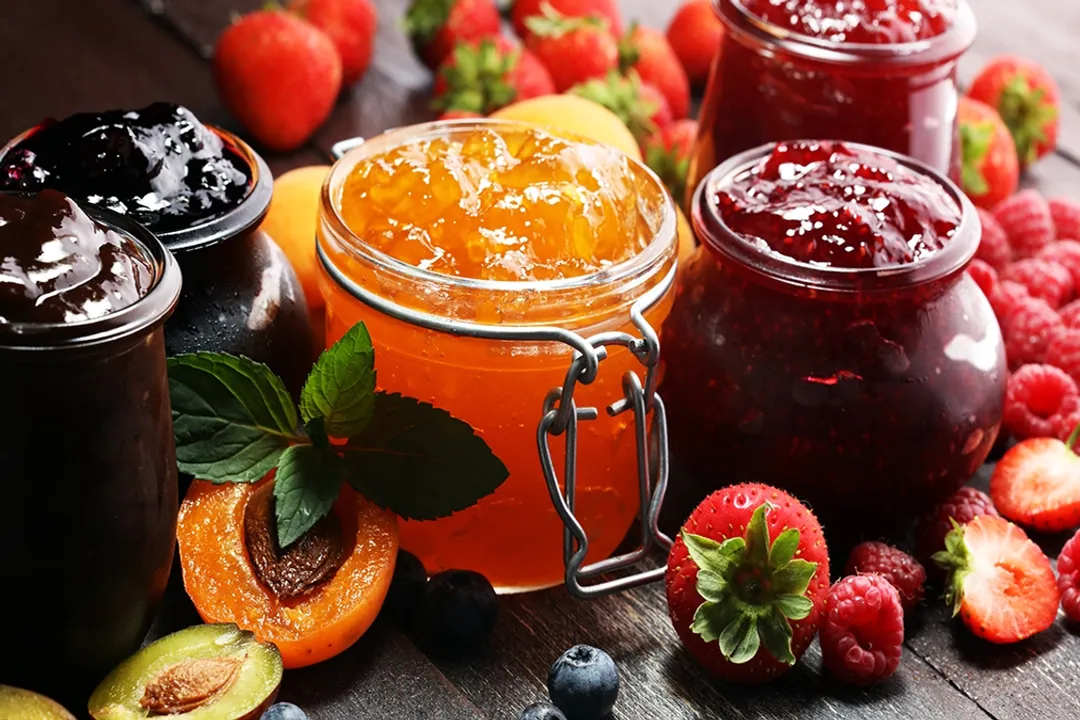
The distinction between the sweet spreadables we put on toast can be surprisingly murky, leading many people to use terms like "jam" and "preserves" as if they were interchangeable commodities. In reality, these products occupy distinct positions in the world of fruit preservation, differentiated primarily by the size and structure of the fruit within the final product. [2][7] This difference often boils down to whether the fruit is crushed, pureed, or left in recognizable chunks or whole forms. [2]
# Technical Definitions
To understand why some individuals default to calling everything "preserves," it helps to first clarify the industry standards for these fruit concoctions. Jelly is generally the clearest of the group because it is made exclusively from the strained fruit juice. [2][9] This juice is cooked with sugar and pectin until it reaches a gel-like consistency, resulting in a spread that is translucent and holds its shape when removed from the jar. [2][7]
Jam, on the other hand, is made from crushed or pureed fruit. [2][3] This process means the final product is less uniform than jelly, incorporating fruit pulp and seeds, which gives it a softer, more spreadable texture that doesn't necessarily hold a rigid shape like a true jelly. [2][9] Because it utilizes more of the fruit itself, jams often have a more intense, immediate fruit flavor compared to jellies. [3]
The term preserves technically refers to a product where the fruit is cooked in sugar syrup, but the fruit pieces remain mostly whole or substantially large. [2][7] Unlike jam, where the fruit is crushed, preserves maintain the integrity of the fruit's original form. [2][6] This structure is often what sets them apart in formal labeling guidelines. For instance, if you open a jar and find distinct, recognizable halves of strawberries or large segments of citrus peel, you are likely holding preserves. [2]
# Category Overlap
Here is where the linguistic confusion often begins: the term fruit preserves can also function as an umbrella category encompassing all fruit spreads that have been preserved using sugar, which technically includes jellies, jams, and true preserves. [7] This is a key point of divergence in usage. While a food scientist or a meticulous label reader might use "preserves" only for the chunky version, the layperson or even many regional speakers might use "preserves" as a generic descriptor for any sweet fruit spread made from cooked fruit. [1][4]
Think of it this way: if "Fruit Spreads" is the official government category, then jelly, jam, and preserves are the subcategories. [7] However, in casual speech, using the broadest term—the category name itself—to describe any item within it is a very common linguistic shortcut. [4] If someone in a grocery aisle asks, "Do you prefer the strawberry jam or the strawberry preserves?" they might not be asking about texture differences so much as which brand or style they prefer, perhaps even assuming the "preserves" option has larger fruit pieces, or simply using it as a synonym for "jam" they like. [1]
# Regional Nuance
The variation in terminology seems particularly pronounced in the United States, which is evident in informal discussions online. [1][4][10] While some regions strictly adhere to the technical definitions—where jelly is clear, jam is pulpy, and preserves have big pieces—other areas, or simply other families, grow up hearing one term used almost exclusively. [4]
In some Southern US contexts, for example, there might be a historical or cultural tendency to favor the term "preserves" when referring to homemade fruit spreads, especially those made in the traditional way with whole fruits or large chunks. [6][10] When dealing with homemade canning, where precise adherence to commercial standards is less of a concern, the distinction blurs further. [5] A home canner might call their batch "preserves" because it contains big pieces, while their neighbor might call the exact same batch "jam" because they prefer that word. [1] This localized preference solidifies the use of "preserves" outside of its strict technical definition.
It is also worth noting that the ingredients themselves influence nomenclature. Products made from citrus fruit, like oranges or lemons, are specifically called marmalade, which is characterized by suspended pieces of peel or pulp. [7][8] While marmalade is a preserve, it is not typically confused with jam or jelly, as its defining feature is the peel content. [8]
# The Role of Pectin and Sugar
Another factor influencing how these spreads set, and perhaps how they are named, is the role of pectin, a natural carbohydrate found in fruit that helps gels form. [2][7]
| Product | Primary Fruit Component | Texture/Consistency | Pectin Source |
|---|---|---|---|
| Jelly | Strained Juice | Clear, firm gel | Often added, or naturally high (like apples/currants) [2][7] |
| Jam | Crushed/Pureed Fruit | Softer, spreadable, contains pulp/seeds [2][9] | Included from the fruit pulp [7] |
| Preserves | Whole/Large Fruit Pieces | Chunky, fruit maintains structure [2][6] | Included from the fruit structure |
In many commercial settings, pectin is often added to jams and jellies to ensure a consistent set, which helps in manufacturing and shelf-stability. [7] In true, old-fashioned preserves, the cook often relies on the natural pectin in the fruit, combined with the high concentration of sugar and acid, to achieve a set where the fruit pieces remain suspended but not completely dissolved. [6] The final result of a preserve is often slightly looser than a perfectly set commercial jam, which adds another layer of ambiguity to consumer perception. [2]
If you look at the US Food and Drug Administration (FDA) standards for identity, they provide clear definitions that mandate specific fruit-to-sugar ratios and consistency. [7] However, most consumers are not consulting the Code of Federal Regulations when buying breakfast toppings. They are relying on experience and marketing cues. [1] When a brand labels something "preserves," the expectation is set: look for big fruit pieces. When that expectation is met, the term is reinforced as correct. When the term is used loosely by a friend or a small local producer, the strict definition is temporarily suspended in favor of conversational ease. [4]

# Consumer Experience and Quality Perception
One interesting aspect of the terminology centers on perceived quality. Sometimes, the word "preserves" carries an air of being slightly more artisanal or higher-quality than "jam". [10] Perhaps this association stems from the fact that preserving whole or large fruit pieces requires more careful handling and selection of fruit than simply mashing it into a pulp for jam. [6] If a recipe calls for an expensive, high-quality fruit, a producer might opt for the "preserves" label to signal that the premium fruit has been treated gently enough to retain its shape, thus justifying a potentially higher price point. [1]
Consider the subtle psychology at play. When someone says, "I only eat real preserves," they are often subtly communicating that they prefer the texture that comes from whole fruit suspended in syrup, distinguishing it from the smoother, more processed texture of some jams. [1] This preference for recognizable chunks of fruit translates directly into a preference for the term associated with that texture.
My own observation in exploring vintage canning recipes suggests that before standardized labeling became widespread, the terms were used almost poetically or based on the specific fruit. For example, making a bright, stiff clear spread from grape juice was inherently a jelly. Making a soft, seeded spread from mashed strawberries was jam. But a whole-fruit plum spread might always have been called preserves simply because the plum halves looked magnificent suspended in the jar. This historical, visual nomenclature likely persists in pockets of home cooking. [5]
# Actionable Steps for Selection
Given the linguistic elasticity of the terms, how can a consumer navigate the spread aisle effectively? Instead of relying solely on the product name, focus on the ingredients list and the visual appearance of the contents.
- Examine the List: If you dislike seeds or large chunks, look for "Jelly" first, as it promises a smooth texture. [2][9]
- Inspect the Jar: If you want recognizable fruit pieces, check the jar. If you see defined, whole, or large segments of fruit swimming in syrup, it fits the definition of preserves, regardless of whether the label says "jam" or "preserves". [2][6]
- Check the Fruit Percentage: While not always displayed clearly, higher fruit content generally leads to a stronger flavor profile. A good jam or preserve should have a high ratio of fruit to added sugar and water. [3]
Ultimately, the reason some people call jam "preserves" boils down to a confluence of regional dialect, the overarching technical definition of "preserves" as a category, and a personal preference for the texture associated with that specific term. [1][4][7] While the USDA or FDA might offer strict guidelines, language used in daily life tends to favor simplicity and established local habit over technical accuracy. [4] This means that in casual conversation, asking for "strawberry preserves" is perfectly acceptable shorthand for "strawberry jam with bits of fruit in it". [10]
Related Questions
#Citations
Americans of reddit explain the difference between Jam, Preserve ...
What's the Difference Between Jam, Jelly, and Preserves? | Britannica
What Is the Difference Between Jam and Jelly? - Smucker's®
Why do some Americans call it jam and some call it jelly? - Quora
Preserves vs Jams: What's the Difference? - Facebook
The Difference Between Jam, Jelly & Preserves | Learn More
Fruit preserves - Wikipedia
Marmalade, jelly, jam, preserves, conserves ...
Jelly vs. Jam vs. Preserves: What's the Difference? - Harry & David