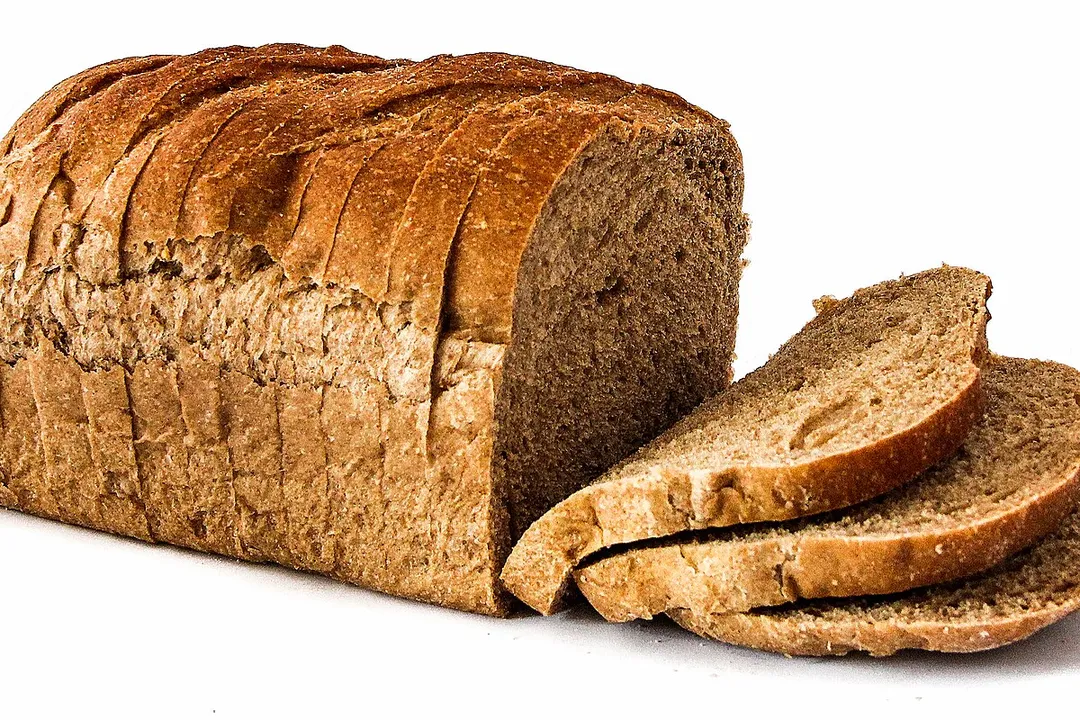
In historical contexts, what was the specific culinary function of a sturdy bread designated as a trencher?
It acted as an absorbent, edible plate for soaking up stew or meat juices.
In certain historical settings, bread was manufactured with specific structural qualities to serve multiple purposes beyond simple consumption. A sturdy loaf, often one with a substantial crust that held its form well, was designated as a trencher. The primary role of this trencher was practical and utilitarian: it was placed beneath meals, such as stews or meats, to soak up the flavorful juices released during eating. Once saturated with the liquids and flavors of the main course, the trencher itself could then be consumed, offered to the less fortunate, or sometimes given to animals, representing an early form of zero-waste eating integrated into the meal structure.