Which part of the ginger plant is used in cooking?
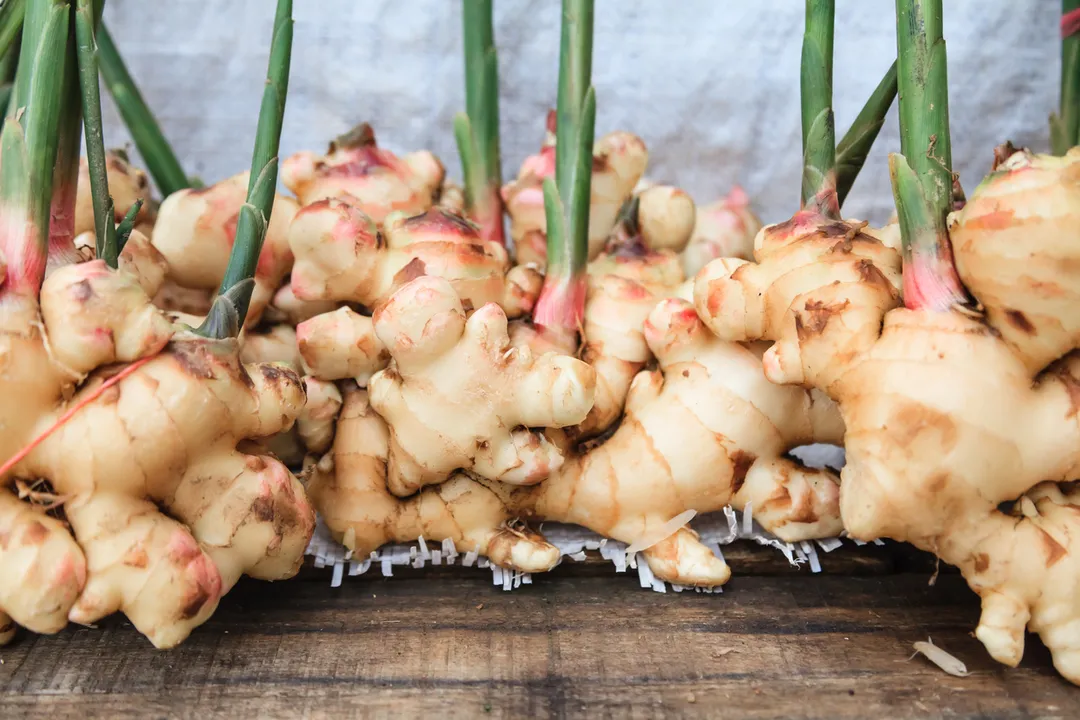
The part of the ginger plant most recognized and universally employed in kitchens around the globe is its rhizome. [2][7][8] This flavorful underground structure is the powerhouse behind ginger's signature warmth and spice, making it a staple in everything from sweet baked goods to savory main courses. [7] Despite its common description as a root, botanically speaking, ginger is not a true root but rather a modified subterranean stem that grows horizontally beneath the soil surface. [5][7] This distinction is important not just for botanical accuracy but also for understanding how the plant gathers energy and how we properly harvest the edible portion. [5][9]
# Rhizome Misnomer
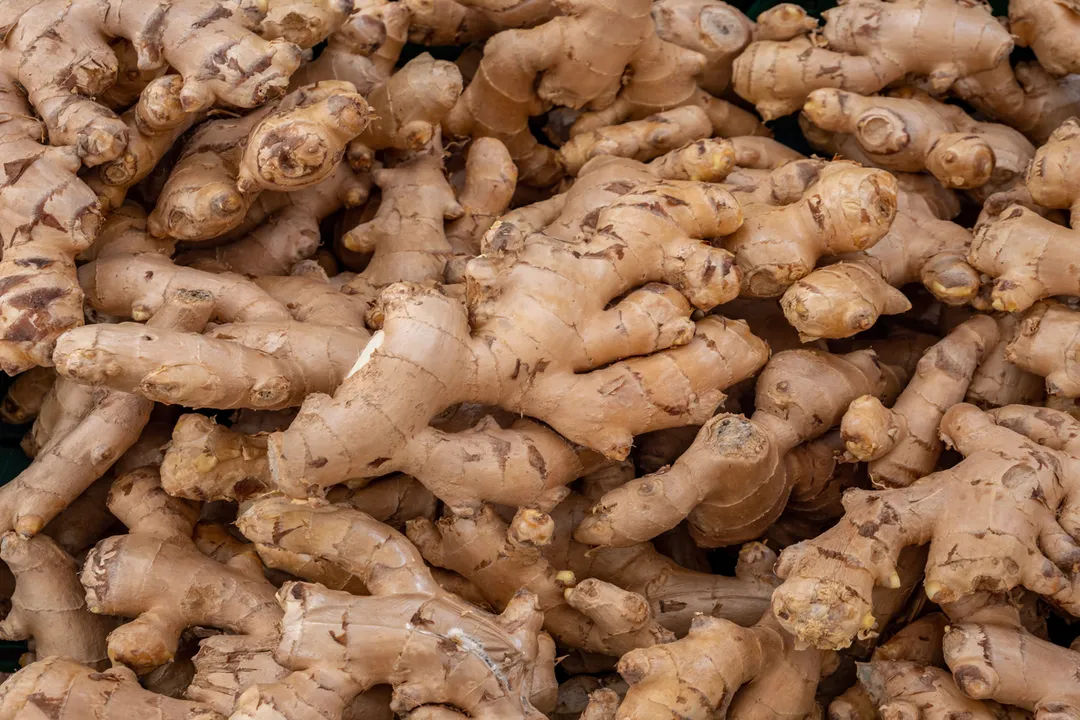
Many people, including seasoned cooks, casually refer to the knobby, knobby piece of ginger bought at the market as a root. [5] This is a very common cultural classification, but scientifically, it is inaccurate. [7] A true root system is primarily responsible for anchoring the plant and absorbing water and nutrients from the soil. [7] The ginger rhizome, conversely, is a thickened, fleshy stem that grows sideways, often near the surface. [5][7][9]
What makes the rhizome so important culinarily is that it serves as the plant's storage organ, packed with essential oils and the pungent compounds that give ginger its distinctive character. [3][7] Because it is a stem, it possesses nodes from which new shoots and roots can emerge, allowing the plant to spread—a key feature that gardeners exploit when planting "seed ginger". [7] The underground stem is where the plant stores the energy required to produce the above-ground stalks and leaves in subsequent growing seasons. [9]
The common confusion between a rhizome and a root is prevalent across many culinary plants, such as turmeric, which shares this stem structure. [8] When you look at a piece of ginger, the small, often slightly indented markings along its length are actually the remnants of leaf scars or nodes, which are characteristic features of a stem, not a root. [5] This growth habit—spreading horizontally underground—is critical to how ginger is cultivated in tropical and subtropical environments. [2][9]
# Underground Structure
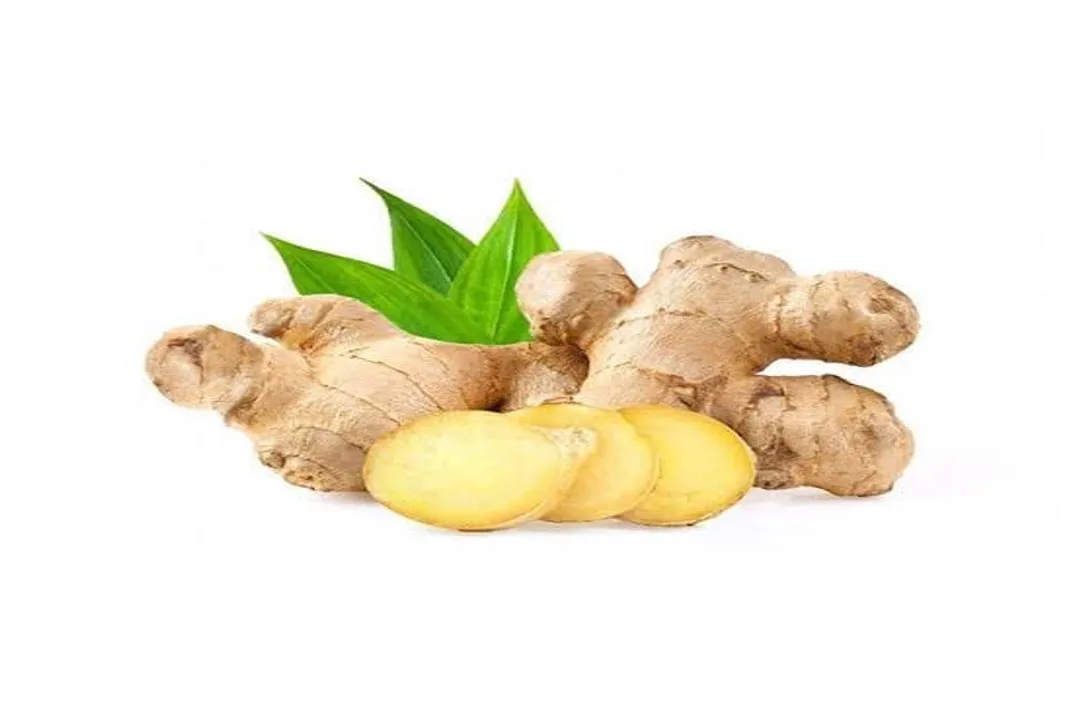
The physical structure of the ginger rhizome dictates much about its culinary application and handling. [3] The edible portion is the mature rhizome, which develops under the soil. [9] The exterior skin, or peel, can range in color from pale tan to light brown, depending on the variety and maturity. [7] Beneath this thin skin is the dense, fibrous flesh, typically a pale yellow color, although some cultivars present with more vibrant hues. [7]
When harvesting ginger, the goal is to dig up these swollen underground stems, taking care not to damage the delicate network of fine, true roots that also anchor the plant and absorb sustenance. [3] The texture changes significantly as the rhizome matures. Young ginger, often called "baby ginger," has very thin skin and a high moisture content, making it tender enough to use with minimal peeling, sometimes even eaten raw or pickled whole. [3] In contrast, a fully mature rhizome develops a thicker skin, a drier interior, and a more intense, sharper flavor profile due to the concentration of its active compounds. [7]
For the average home cook sourcing ginger from a grocery store, what they are purchasing is almost always the mature rhizome, which requires peeling and grating or mincing for use in cooking. [5] This reliance on the mature rhizome means that the flavor profile tends to be robust and pungent, capable of standing up to long cooking times in stews or providing a strong, fresh 'bite' when added raw to stir-fries or beverages. [3]
To illustrate the difference in practical kitchen terms, one might think of young ginger being ideal for delicate, fresh applications where its subtle sweetness is valued, much like the tender stalks of spring onions. The mature rhizome, however, acts as the intense seasoning agent, much like a concentrated spice extract would. [7] The presence of numerous nodes also means that a single piece of rhizome can be cut into several pieces, and each piece can potentially sprout new plants if planted under the right conditions. [7]
# Primary Culinary Part
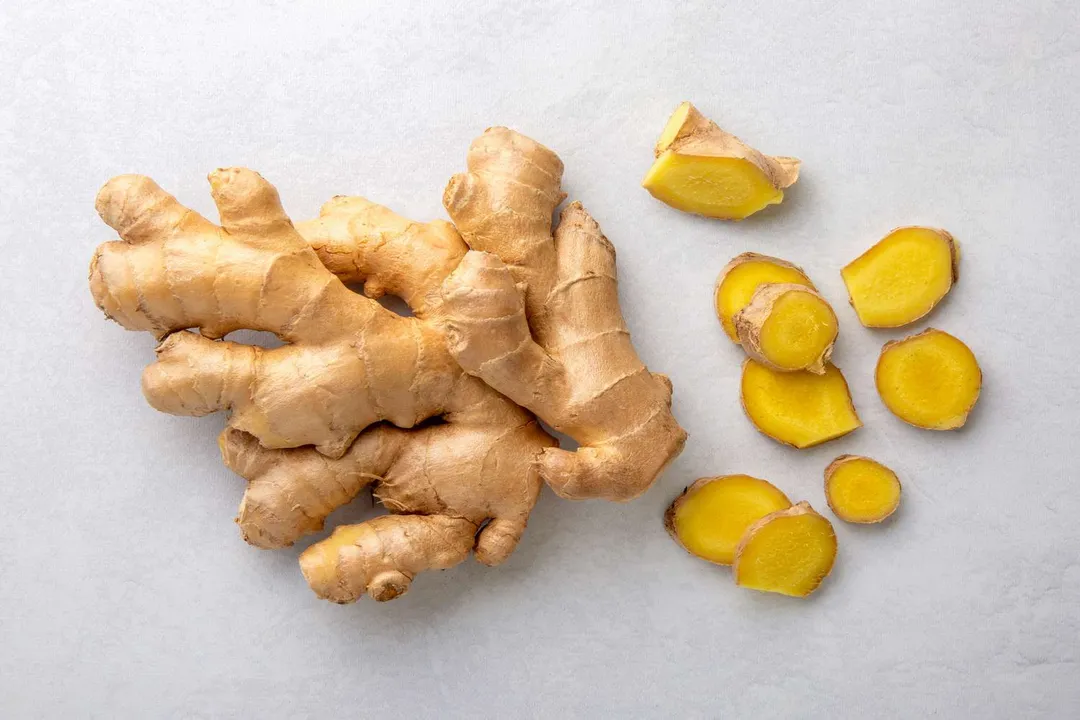
The rhizome stands alone as the primary source of the culinary flavor associated with ginger. [2][7] Its uses are incredibly diverse across world cuisines. In many Asian traditions, particularly South and Southeast Asian cooking, fresh ginger is often sautéed or crushed at the beginning of the cooking process to build a foundational aromatic layer for curries, soups, and sauces. [7] The rhizome releases its essential oils when bruised, heated, or grated, releasing those characteristic warm, peppery, and slightly sweet notes. [3]
The fresh rhizome is highly valued for its volatile oils, which provide its immediate aromatic punch. [7] When ginger is dried and ground into powder, these volatile compounds partially evaporate, resulting in a different, earthier flavor that is less sharp than fresh ginger. [7] This dried, powdered form is commonly found in baking—think of gingerbread or ginger snaps—where its warm characteristics blend into the batter rather than providing a sharp, fresh counterpoint. [7]
It's fascinating to consider the sheer range of applications this single underground stem supports:
- Flavor Base: Sautéed with garlic and onions in Indian and Chinese cooking. [7]
- Beverages: Steeped for tea or used in juices and cocktails. [3]
- Confectionery: Crystallized, candied, or baked into sweets. [7]
- Preservation: Pickled, often served alongside sushi (gari). [7]
The process of preparing ginger in the kitchen is entirely dependent on which form of the rhizome is selected. A mature rhizome destined for grating needs a sturdy peeler or spoon to remove the tougher skin, whereas a young rhizome might only require a light rinse before being thinly sliced with the skin on. [3] This variability in preparation, all stemming from the same botanical part, is a testament to the rhizome’s versatility. [7]
# Leaf Use Cases
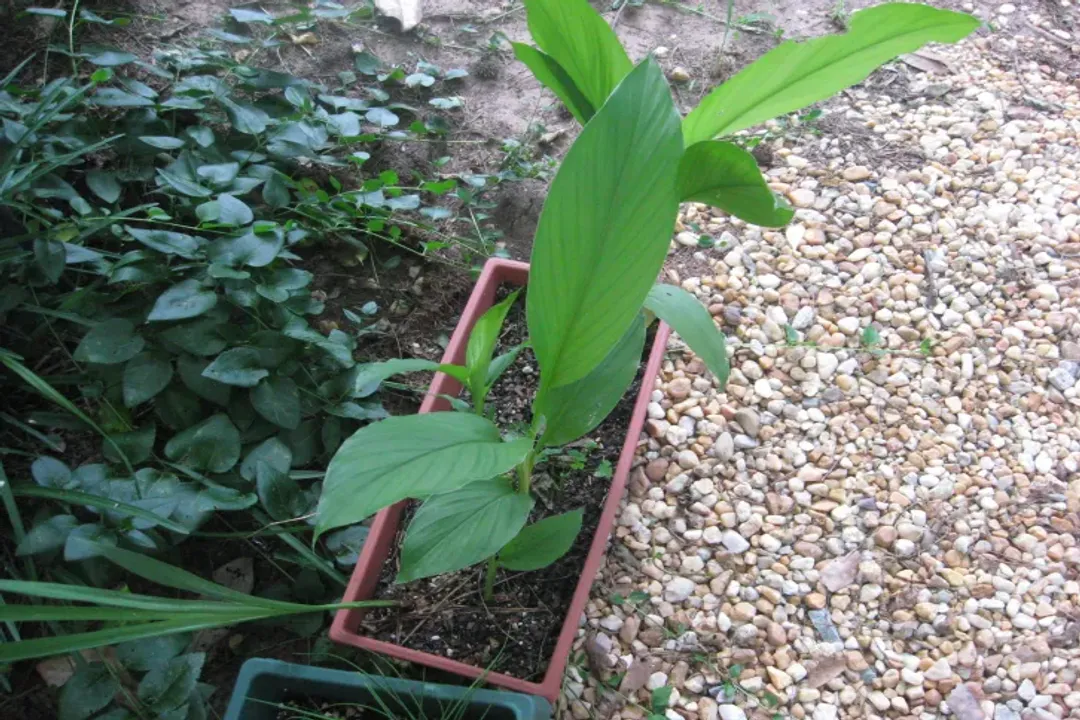
While the rhizome is the star, it is important to note that another part of the ginger plant finds its way into the kitchen: the leaves. [6] Although far less common in Western cooking traditions, ginger leaves are incorporated into the culinary practices of certain regions, notably in Southeast Asia, such as Thai cuisine. [6]
The leaves are not used for their sharp, spicy flavor—that property is concentrated in the rhizome—but rather for their mild, aromatic quality. [6] They are often employed similarly to bay leaves or banana leaves in other cultures: they are used as a wrapping medium. [6] Food, such as fish or chicken, might be bundled inside the leaves before being steamed or grilled. [6] This technique imparts a subtle, fresh, and unmistakably gingery essence to the food without overwhelming it with the strong heat found in the underground stem. [6]
This secondary use highlights a key difference in how the plant's parts contribute flavor. The rhizome provides the heat and pungency necessary for the dish's primary seasoning, while the leaves offer aroma and moisture retention during cooking. [6] If a cook were to try substituting fresh rhizome for the leaves in a wrapping application, the result would likely be far too spicy and potentially bitter, demonstrating why botanical knowledge informs successful cooking techniques. [6][7]
# Form Variation Comparison
To put the contribution of the rhizome and the leaf into perspective, consider a comparison table based on their primary culinary function and characteristic flavor profile:
| Plant Part | Botanical Description | Primary Culinary Role | Flavor Profile |
|---|---|---|---|
| Rhizome | Underground Stem [3][5] | Main Spice/Seasoning Agent | Hot, pungent, warm, sweet [3][7] |
| Leaves | Above-ground foliage [6] | Aromatic Wrapping/Infusion | Mild, subtle ginger aroma [6] |
An analytical observation one can make by comparing these parts is that the plant dedicates its intense, concentrated flavor compounds entirely to its underground storage unit (the rhizome). This strategy likely serves an ecological purpose, perhaps deterring soil-dwelling pests from consuming the energy store, while the aerial parts (leaves) can afford to have a lighter flavor profile suited for photosynthesis and attracting aerial pollinators. [7] For the cook, this means that substituting one part for the other in a recipe is almost always an error unless the recipe specifically calls for the subtle, aromatic contribution of the leaf, as in traditional Thai preparations. [6] If a recipe simply calls for "ginger," the expectation defaults 100% to the rhizome. [7]
# Practical Identification Tip
When examining a piece of ginger purchased for cooking, you can practice distinguishing the true stem from the true roots. If you have a particularly large, irregularly shaped rhizome, look closely at the points where the main mass flares out or branches. The main body you are holding is the stem. [5] The true roots will appear as much finer, hair-like structures branching off the main body, often clinging to the lower sides, looking more fibrous and less fleshy than the main edible part. [3][7] If you were to plant the piece you bought, it would sprout new shoots from the nodes along the main stem, and any fine rootlets would grow downward from the bottom of that stem, confirming the rhizome's identity as the central, edible structure. [7] This visual inspection can also help a cook decide which parts to trim away; generally, the fine root tendrils can be scraped off quickly without sacrificing much of the flavorful flesh. [3] This inherent structure dictates that only a specific, modified stem is valuable for our spice racks. [5][7]
#Videos
Using all parts of the ginger plant: Ginger leaf tea and ... - YouTube
Related Questions
#Citations
Hello @everyone which part of the ginger plant we eat... .? A. Root ...
Ginger: A Beautiful, Tropical, Edible Plant
Ginger - UF/IFAS Gardening Solutions
Using all parts of the ginger plant: Ginger leaf tea and ... - YouTube
What Is Ginger and How Do I Use It? - Allrecipes
Ginger Leaves Information and Facts - Specialty Produce
Ginger - Wikipedia
Culinary rhizomes: Ginger and turmeric - a-single-serving.com
Introduction to Ginger - Food Gardening Network - Mequoda