Botanically, what structure is the recognizable ginger rhizome considered?
Answer
A modified subterranean stem
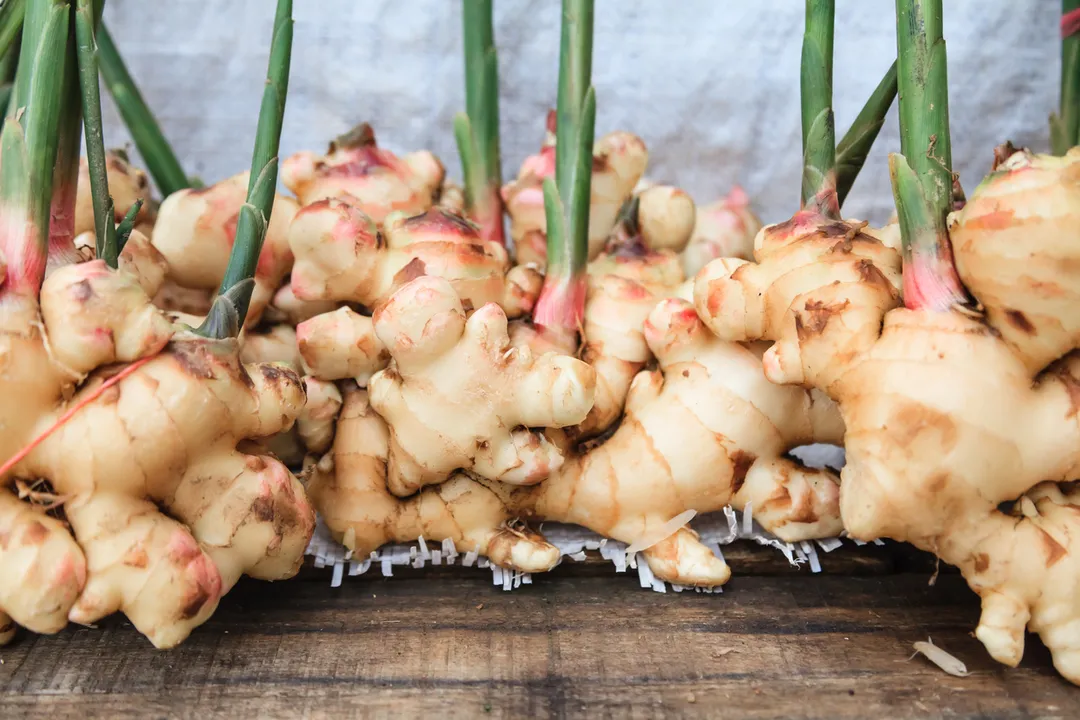
The ginger rhizome, despite being commonly misidentified as a root in culinary settings, is scientifically classified as a modified subterranean stem. This distinction is crucial because a true root's primary functions are anchoring the plant in the soil and absorbing water and nutrients. In contrast, the rhizome grows horizontally beneath the soil surface and functions as the plant's primary storage organ, accumulating energy reserves. Furthermore, because it is a stem, it possesses nodes that enable the plant to spread vegetatively by producing new shoots and roots, a capability true roots lack.
#Videos
Using all parts of the ginger plant: Ginger leaf tea and ... - YouTube
Related Questions
Botanically, what structure is the recognizable ginger rhizome considered?What is the primary culinary function of the ginger rhizome storage organ?How does the flesh of fully mature ginger rhizome contrast with young ginger?In which culinary context are ginger leaves primarily employed, unlike the rhizome?What results when fresh ginger rhizome is dried and ground into powder?What physical markings along the ginger rhizome indicate it is a stem and not a true root?What structural features of the ginger rhizome allow it to spread when planted as "seed ginger"?What preparation step is typically required for the mature rhizome purchased by the average home cook?How is the flavor contribution of the ginger rhizome characterized compared to the leaves?In what specific culinary application is pickled ginger, known as gari, typically served?