What is the ginger bug?
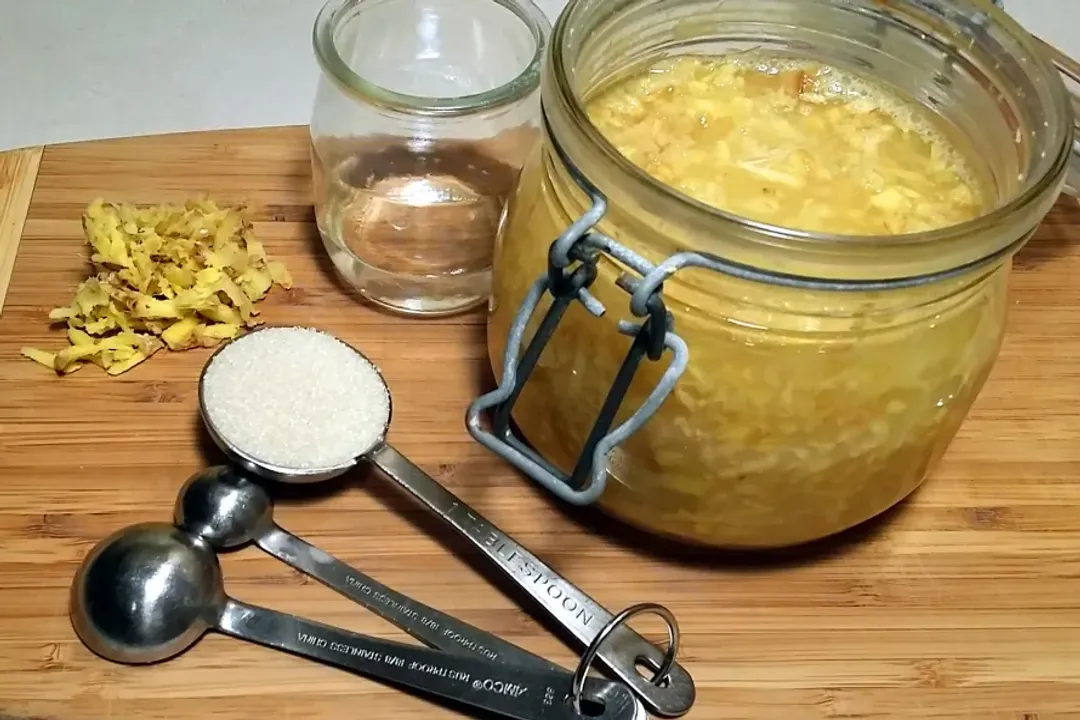
The ginger bug is a fascinating, bubbling culture used by fermentation enthusiasts to create naturally carbonated beverages, most famously homemade ginger beer. [1][7] Essentially, it is a living starter culture, much like a sourdough starter, but instead of flour and water, its foundation lies in fresh ginger, sugar, and water. [2][3][8] It relies on the wild microorganisms naturally present on the skin of the ginger root and suspended in the air to begin a process of fermentation. [3][4]
# Living Starter
The core concept behind the ginger bug is harnessing the natural microbial life around us. [3] It is a mixture designed to cultivate wild yeast and bacteria that can ferment simple sugars into carbon dioxide and alcohol, even in small amounts. [2][4] This contrasts sharply with using commercial yeast packets, which provide a controlled, single strain of Saccharomyces cerevisiae. [7] The ginger bug is an exercise in wild lacto-fermentation. [4]
The process captures organisms that reside on the surface of the ginger. [3] These microorganisms are not intentionally added; they are captured from the environment. [3] When you combine the raw ingredients—grated or chopped ginger, sugar, and non-chlorinated water—you create an environment where these wild microbes can thrive and multiply. [2][4][6]
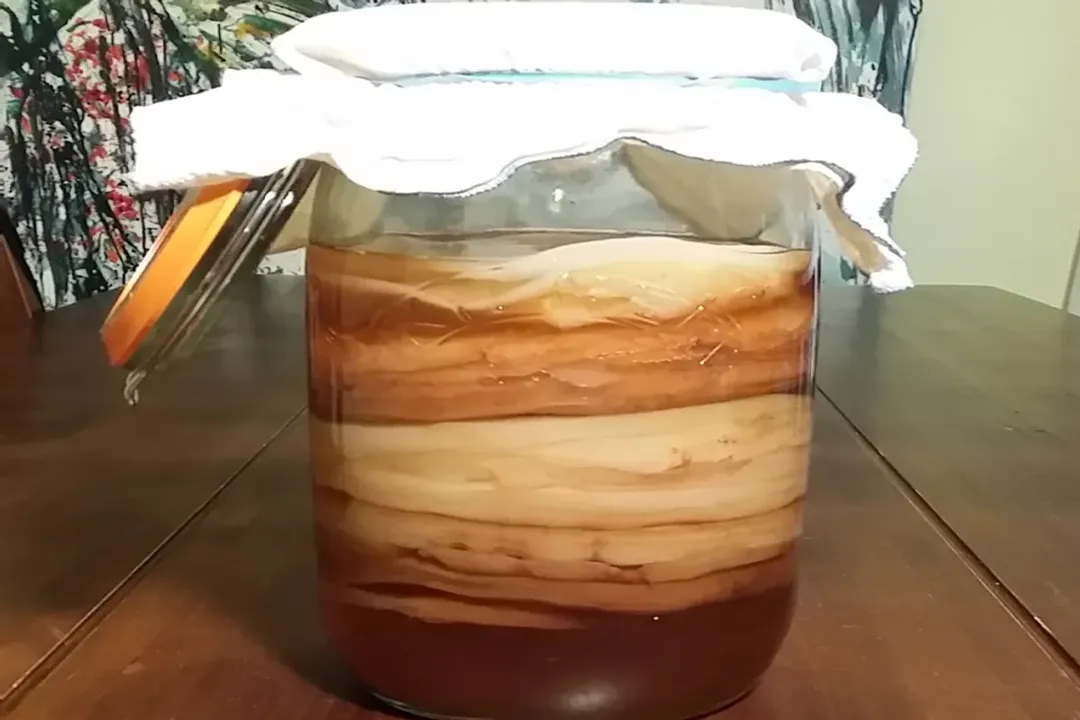
It is important to distinguish the ginger bug from the Ginger Beer Plant (GBP), which is sometimes confused with it. [7] While both are used for fermentation, the GBP is a distinct symbiotic culture of bacteria and yeast (SCOBY) that looks like small, gelatinous grains or translucent florets, similar to water kefir grains. [7] A ginger bug, conversely, remains a liquid culture, typically opaque and cloudy with suspended particles of ginger. [7] The growth pattern and consistency are entirely different, though both aim to produce a tangy, fizzy beverage. [7]
# Necessary Components
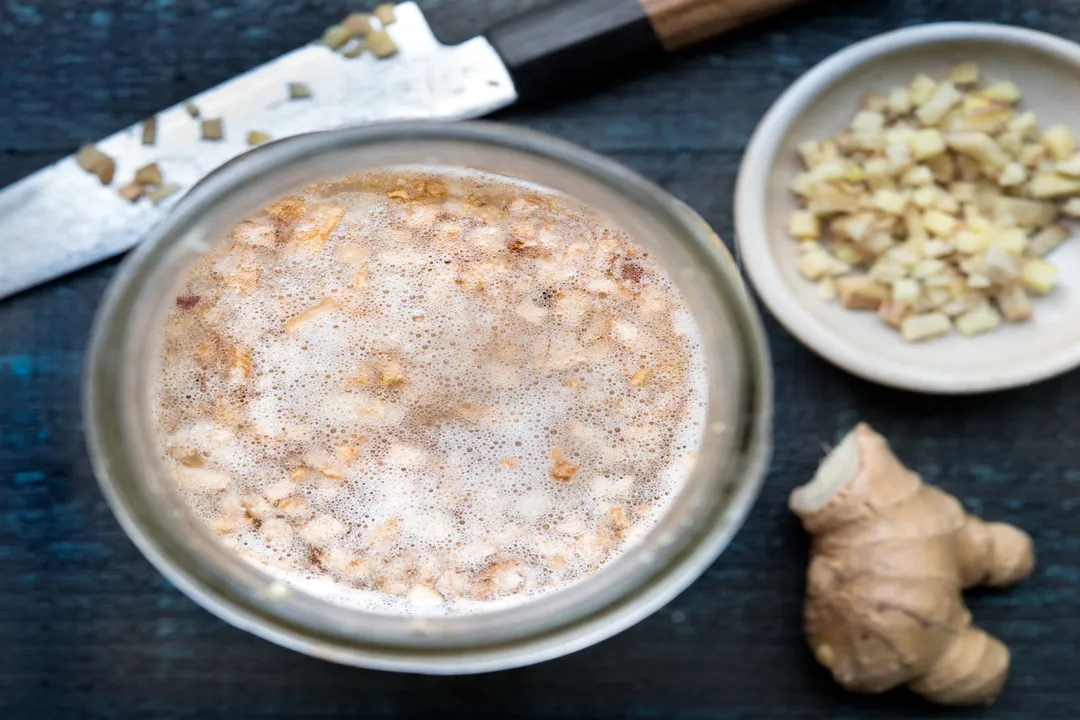
Creating a viable ginger bug requires just three main components: ginger, sugar, and water. [2][8] The quality and preparation of these ingredients significantly influence the speed and success of the culture. [6]
# Ginger Selection
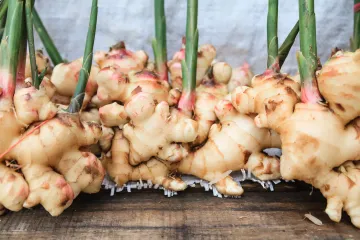
The star ingredient, ginger, is what lends the bug its name and flavor profile. [8] It is critical that the ginger is unwashed or at least only lightly brushed, as the wild yeasts and bacteria that kickstart the fermentation are primarily found on the skin or peel. [2][3][4] If you scrub the ginger aggressively or use peeled ginger, you risk washing away the very organisms you need to cultivate. [4] While some fermentation enthusiasts debate the necessity of using organic ginger, the consensus leans toward avoiding aggressively sprayed produce if possible, to minimize unwanted chemical interference with the microbial colony. [2] The ginger is usually grated or finely chopped to maximize its surface area for microbial interaction. [6]
# Sugar Source
Sugar provides the food source for the multiplying microbes. [3] Almost any type of sugar works, including white cane sugar, raw sugar, or turbinado. [6][8] The sugar is not intended to remain in the final product; rather, the yeast consumes it during fermentation, converting it into carbon dioxide (the fizz) and trace amounts of alcohol. [4] The amount used is generally equal to the amount of ginger, often measured by volume, such as one tablespoon of each per feeding. [2][8]
# Water Quality
The third element is water. Because the ginger bug is a delicate, living ecosystem, the water must be free of chlorine and chloramine, as these chemicals are disinfectants designed to kill the very microbes you are trying to encourage. [6] Filtered water, spring water, or bottled water is often recommended. [6][8] If you must use tap water, letting it sit out uncovered for 24 hours is a common, though perhaps not entirely foolproof, method for allowing some chlorine to dissipate. [6]
A subtle but important note for consistency: The composition of the ginger itself can vary widely based on where it was grown and how old it is. An older, drier piece of ginger may harbor fewer active microbes than a plump, newly harvested root. This means two bugs started on the same day with the same process might show vastly different activation times, an organic reality of working with wild cultures. [3]
# Cultivation Process
Building the ginger bug is a patient, multi-day process that requires consistent attention, usually spanning five to seven days until it is ready for use. [4][8]
# Initial Mix
The initial step involves combining equal parts grated ginger and sugar in a clean glass jar, then topping it with the non-chlorinated water. [8][6] A quart-sized jar is often recommended to allow headspace for bubbling activity. [6] The mixture should be stirred well to dissolve the sugar and fully hydrate the ginger. [6] The lid should be kept loosely fitted or covered with a breathable cloth secured by a rubber band to allow gases to escape while keeping contaminants out. [2][6] Avoid using metal lids directly on the liquid, especially for long periods, as acidic ferments can sometimes react with the metal. [2]
# Daily Ritual
The key to success is the daily feeding schedule. [2][8] Every 24 hours, you introduce more ginger and sugar into the jar. [8] The general protocol involves adding about one tablespoon of fresh grated ginger and one tablespoon of sugar. [2][6] This replenishment feeds the growing population of microbes. [3] After adding the new ingredients, give the mixture a gentle stir. [6]
If you notice very little activity after a couple of days, some advice suggests pouring off about half the liquid before adding the daily feed. This step can help concentrate the microbial population and refresh the food supply. [4]
# Maturation Signs
You know your ginger bug is active and ready to use when it exhibits clear signs of robust fermentation. [2][8] Initially, the mixture might look murky, but after a few days of feeding, you should observe activity:
- Bubbling: Small bubbles should begin to rise consistently to the surface. [2][8]
- Foam/Flocculation: A slight foam or layer of cloudiness may form at the top. [2]
- Odor: It should begin to smell slightly yeasty, tangy, or pungent, reminiscent of ginger beer. [6]
If the bug is sluggish after five days, continuing the daily feeding for a few more days is often the solution. [4] The entire process can take anywhere from 3 to 14 days, depending heavily on ambient temperature. [2] Warmer environments accelerate the process. [2]
# Trouble Prevention
Working with wild fermentation inevitably brings opportunities for things to go awry, though the high sugar and acidic environment generally keep undesirable molds at bay. [2]
# Mold Watch
The most serious issue is mold, which appears as fuzzy, dry spots on the surface. [2] If you see mold, the entire batch must be discarded, and you should start over, paying closer attention to sanitation or the type of water used. [2] True fermentation bubbles should be rising from within the liquid, not just sitting statically on top. [2]
# Sluggishness
A common complaint is a ginger bug that simply refuses to bubble. This can happen if the ambient temperature is too cold, slowing the microbes down significantly. [2] Another cause can be insufficient food supply, which is remedied by adhering strictly to the daily feeding schedule. [8] If the water source contained chlorine, the initial microbial colony might have been killed off before it could establish itself, necessitating a fresh start. [6]
A practical consideration for those living in areas with very hard water is mineral content. While chlorine is the primary enemy, excessively high levels of certain minerals can sometimes inhibit yeast activity over time. If troubleshooting a persistently weak bug, trying a different brand of filtered water or even distilled water (supplemented with a tiny pinch of sea salt for trace minerals) might reveal if your local water chemistry is the unseen limiting factor. This is an empirical adjustment, as most guides focus only on chlorine removal. [6][8]
# Beverage Production
The ginger bug's primary purpose is to act as the primary fermenter for flavoring homemade sodas. [4][8] It replaces commercial yeast in recipes for ginger beer, root beer, or other naturally fermented drinks. [4][7]
# Carbonation Agent
To make a soda, you mix a sweetened base liquid (often flavored with lemon juice, fruit, herbs, or more ginger) with a portion of the active ginger bug liquid. [4][8] For example, one recipe suggests using about a quarter cup of active bug liquid per quart of base mixture. [4] This mixture is then bottled in airtight, pressure-rated bottles. [4] The yeast in the bug consumes the remaining sugar in the base mixture inside the sealed bottle, creating natural carbonation. [4]
This secondary fermentation step, known as bottling or "forcing," requires careful monitoring. [4] Because the pressure builds quickly, bottles should be checked frequently—sometimes multiple times a day—to prevent explosions, especially in warm weather. [4] When the desired level of fizziness is reached, the bottles should be moved to cold storage (like a refrigerator) to slow the yeast activity down significantly. [4]
# Flavor Profile
The flavor of the finished beverage depends on two main factors: the characteristics of the bug itself and the flavorings added to the base liquid. [4] A very young, rapidly fed bug might impart a sharper, almost spicy flavor to the soda, whereas an older, more established bug might contribute a smoother, more complex yeasty tang. [3]
| Flavor Element | Primary Source of Contribution | Impact on Final Drink |
|---|---|---|
| Initial Fermentation | Ginger Bug Microbes | Yeasty, slightly alcoholic background note [7] |
| Primary Flavoring | Added fruits, herbs, juices | Dominant taste (e.g., lemon, berry, root) [4] |
| Sweetness/Fizz | Sugar in the base liquid | Determines final carbonation level and residual sweetness [4] |
An interesting observation in working with bugs maintained over many months is the slow evolution of the flavor profile. A bug that is consistently fed a diet of just white sugar and ginger may eventually develop a slightly sharper, less complex yeast profile than one that receives occasional, small additions of molasses or raw honey during its feeding cycle. This suggests the trace minerals and different sugar structures in raw sweeteners can subtly encourage a broader range of yeasts to flourish within the culture, impacting the final soda’s depth. [3][8]
# Culture Stewardship
Maintaining a healthy ginger bug is straightforward, but it does require commitment if you plan to use it regularly. [2]
# Feeding Ratios
The amount of food added daily can be adjusted based on how much bug liquid you use and how quickly you want it to grow. [6] If you are pouring off a lot of liquid to make soda, you need to increase the ginger and sugar additions to compensate for the lost biomass and food source. [6] If you are not using the bug, you must still feed it, albeit perhaps slightly less frequently or with smaller amounts, to keep the organisms alive. [2]
# Cold Storage
When not actively brewing, the ginger bug should be stored in the refrigerator. [2][8] Cold temperatures drastically slow down the microbial activity, preventing the culture from consuming all its food and producing too much pressure. [2] Even when refrigerated, it is generally advised to feed the bug at least once a week to keep the yeast population robust. [8]
When pulling the bug out of the fridge to use, it needs a few days of regular room-temperature feeding (perhaps two or three cycles) to fully wake up and become active enough to carbonate a batch of soda effectively. [2][8] This revitalization period ensures you have enough active yeast ready for the secondary fermentation stage. [4] If you have neglected a refrigerated bug for several weeks, a slightly more vigorous feeding schedule (perhaps twice daily for a day or two) might be necessary to confirm its vitality before bottling a precious batch of base liquid. [2]
# Beyond Ginger Beer
While classic ginger beer is the most common use, the ginger bug is a versatile wild yeast workhorse. [4][5] Any recipe that calls for a yeast starter for carbonation can potentially substitute the bug. [4]
You can use it to ferment fruit juices, herbal teas, or even simple sugar water mixed with other extracts to create a variety of naturally bubbly drinks. [5] For instance, adding raspberry puree and a squeeze of lime to your sugar/water base before inoculating it with the bug yields a bright, fizzy raspberry soda. [5] The resulting beverages will carry the characteristic underlying tang imparted by the ginger fermentation, which often adds an interesting background complexity to fruitier flavors. [5]
The process demonstrates a fundamental aspect of food preservation and home brewing: taking simple, perishable ingredients and, by managing the activity of microscopic life, transforming them into something preserved, flavorful, and effervescent. [4] It connects the home cook directly to the ancient methods of food preparation that predated commercial yeast. [3]
#Videos
How to Make a Ginger Bug for Homemade Soda - YouTube
Related Questions
#Citations
What exactly is a "ginger bug"? : r/fermentation - Reddit
How to Make a Ginger Bug Starter for Natural Soda - Zero-Waste Chef
wild yeast - What is the ginger bug, actually?
How to Make a Ginger Bug for Homemade Soda - YouTube
Ginger Bug: A Wild, Lacto-Fermented, Probiotic Beverage
Ginger Beer Plant vs Ginger Bug - Yemoos Nourishing Cultures
What is a Ginger Bug Starter and How Do You Make It?
Naturally-fermented Soda (Using a Ginger Bug) - simply living well