Is ornamental ginger edible?
The question of whether a ginger plant is safe to consume depends entirely on its specific botanical identity, as the term "ginger" is applied broadly across many species in the Zingiberaceae family. [2] While the culinary ginger we purchase as a rhizome—Zingiber officinale—is entirely edible, many other species are grown strictly for their visual appeal as ornamentals, and their edibility is questionable or they are simply not palatable. [4][2]
# Culinary Distinction
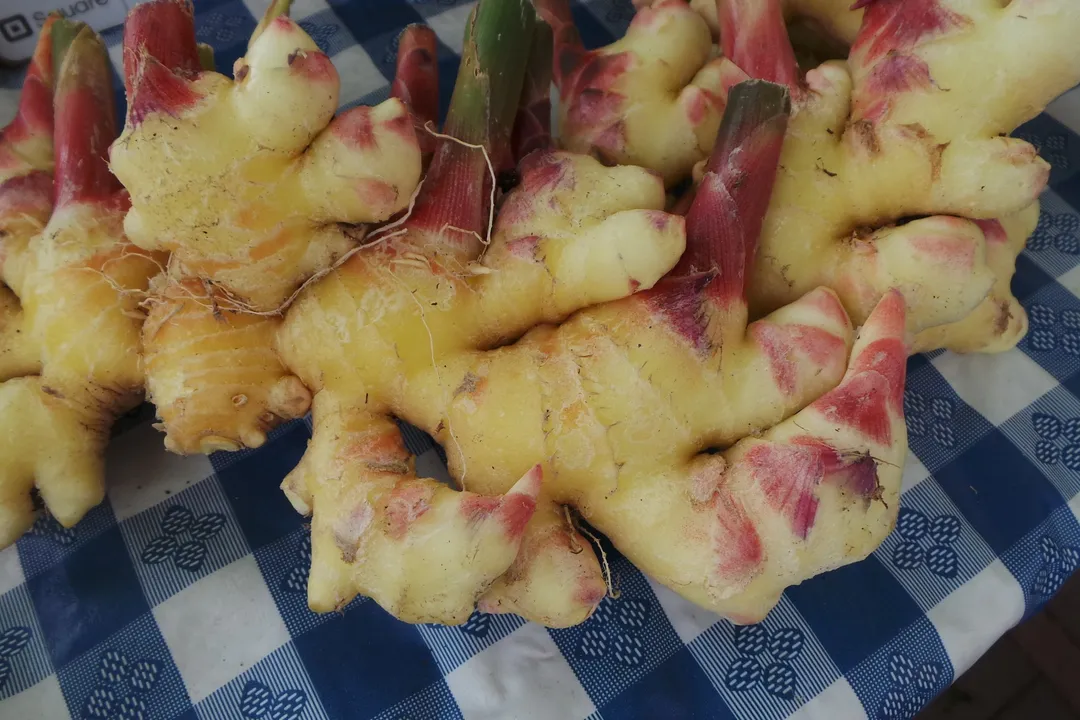
The ginger that finds its way into spice racks, teas, and stir-fries is Zingiber officinale. [4] This plant is known for its rhizomes, which are technically underground stems, that possess a characteristic pungent and spicy flavor derived from compounds like gingerol. [4] The rhizomes of Z. officinale are typically plump, tan, and feature a warty, branched structure with a thin, easily damaged skin.
For this specific plant, Zingiber officinale, all parts can be used, though the leaves are often too coarse for raw applications like salads, making them better suited for seasoning dishes or brewing tea. [4][2] The flavor of the young rhizomes is milder, juicier, and less fibrous than mature ones, which become hotter and drier as they develop. This edible ginger is native to humid, partly-shaded habitats within tropical and subtropical forests of Southeast Asia. It is hardy only in USDA Zones 8 to 12, meaning gardeners in colder regions must grow it as an annual or bring it indoors before night temperatures dip below F.
# Ornamental Varieties

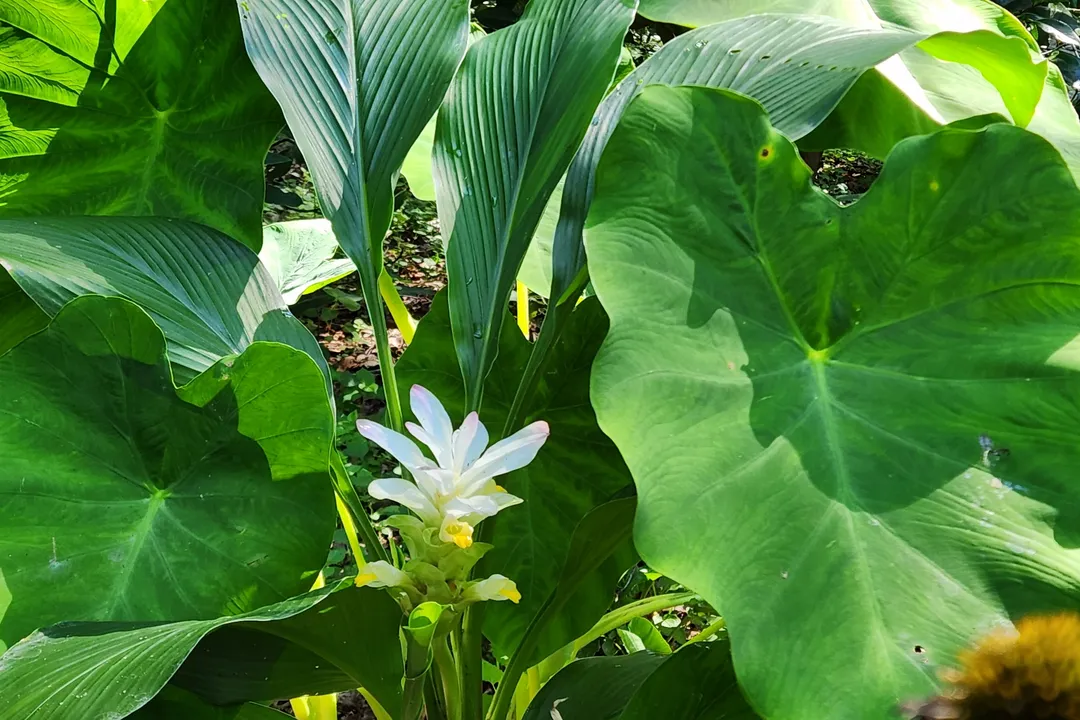
A major point of confusion for gardeners is the existence of numerous ornamental gingers that share the family name but not the culinary profile of Z. officinale. [2] These ornamental types, which include species like Alpinia purpurata (red ginger), Hedychium gardnerianum (Khalili ginger), and Zingiber zerumbet (shampoo or beehive ginger), are grown for their striking flowers or foliage. [2]
The critical takeaway from experienced growers is that unless you are certain of the species, you should avoid consumption, as many ornamental gingers lack the desired flavor or may simply not be intended for food use. [2] It has been noted that there are generally no reports of poisonous true gingers, but caution is warranted when dealing with unknown ornamentals. [2]
Several common ornamentals have documented edible components, though taste varies significantly:
- Butterfly Ginger (Hedychium coronarium): Roots and blooms are reported as edible. [2]
- Shell Ginger (Alpinia zerumbet): Leaves make a tasty tea. [2]
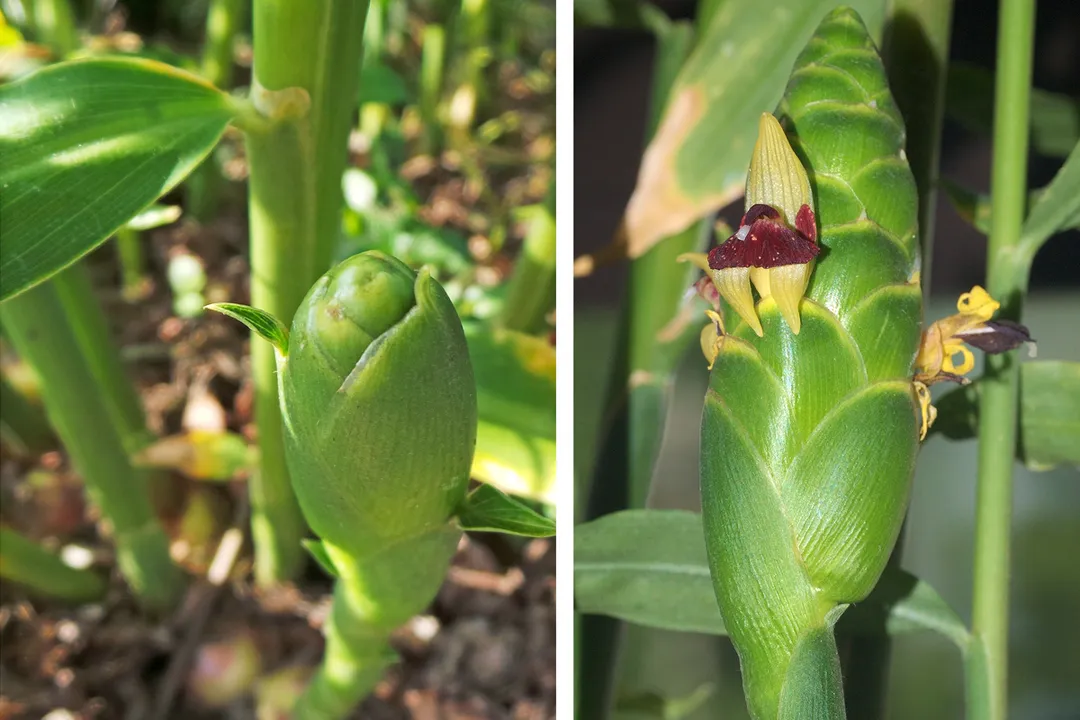
- Shampoo Ginger (Zingiber zerumbet): Roots are edible but reported to be very bitter and generally not worth eating. [2] The cone-shaped flowers produce a liquid that can be used like shampoo. [3]
- Cardamom Ginger (Alpinia calcarata): Leaves are said to have an earthy flavor suitable for use as a substitute for bay leaf or cumin. [2]
Conversely, some people find their unidentified ginger plant rhizomes lack any discernible ginger scent or taste, which is a strong indicator they are not the culinary Z. officinale. [3] For instance, the Red Ginger variety cultivated in Indonesia for medicinal and sweet applications is sometimes Zingiber officinale var. Rubra, which is distinct from the ornamental types often mistaken for it. [3]
# Hardy Gingers Integration
A fascinating divergence in the ginger world involves hardy gingers, which can tolerate colder temperatures than Z. officinale, making them viable for understory planting in food forests even in cooler zones. [7] Experts in perennial gardening have cross-indexed species to identify those suitable for temperate climates, revealing that some hardy gingers are indeed useful for food production, often in parts beyond the rhizome. [7]
For example, Mioga ginger (Zingiber mioga) is cited as being hardy down to USDA Zone 6 (F / C) and its shoots, leaves, flower spikes, and rhizomes are all documented as edible. [7] Zedoary (Curcuma zedoaria) is another cold-tolerant option (Zone 7), where the rhizomes are used for starch extraction, and its spicy shoots, leaves, and flower spikes are also utilized. [7]
This introduces a layer of nuance: an ornamental ginger in a cold climate might actually be a hardy, edible species, unlike a tropical ornamental that simply won't survive or produce usable rhizomes if transplanted outside of a controlled environment. [7][4]
| Species Example | Hardiness (Min Temp/Zone) | Primary Edible Use | Flavor/Notes |
|---|---|---|---|
| Zingiber officinale (Culinary) | F / Zone 8 | Rhizome, Shoots | Pungent, spicy flavor [7] |
| Zingiber mioga (Hardy) | F / Zone 6 | Shoots, Rhizome, Leaves, Spikes | Considered the hardiest edible type [7] |
| Curcuma zedoaria (Hardy) | F / Zone 7 | Starch from rhizome, Shoots, Leaves | Used for starch extraction [7] |
| Alpinia zerumbet (Ornamental) | F / Zone 7 | Leaves (for wrapper), Shoot tips, Flowers | Leaves used as food wrapper [7] |
# Identifying Edible Rhizomes
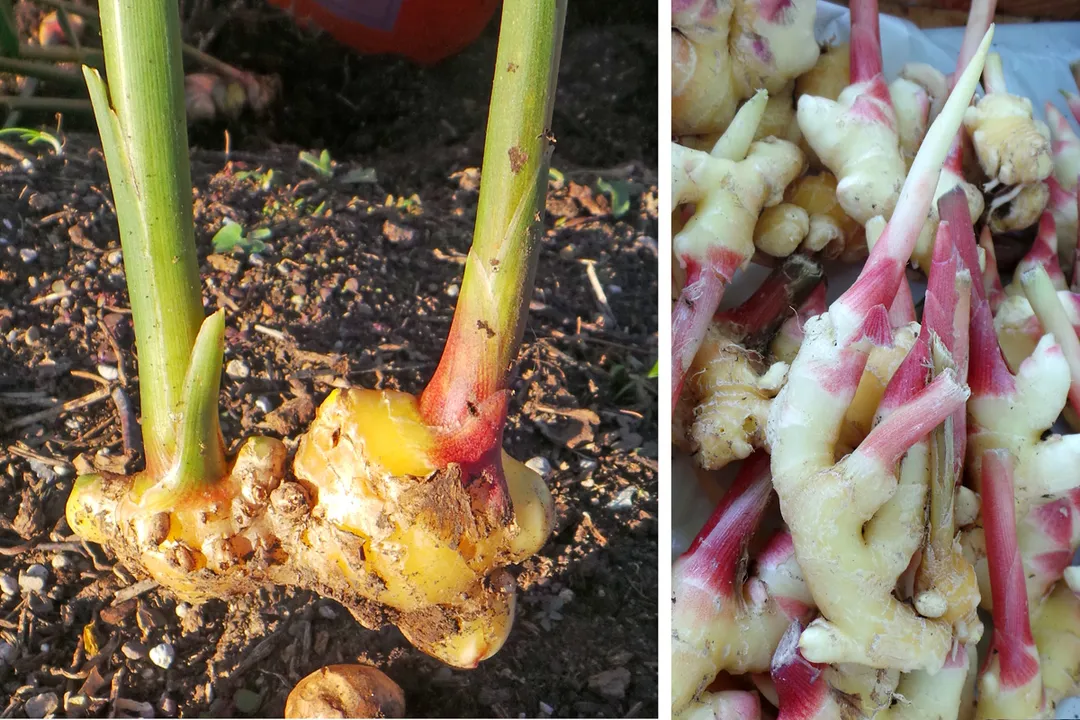
When one encounters an unknown ginger plant, the primary method for distinguishing the valuable culinary type from its ornamental cousins often comes down to scent and appearance of the rhizome itself. [3][2]
- Scent Test: The most immediate indicator for Z. officinale is a strong, pungent, peppery smell when the rhizome is cut or crushed. If the piece smells merely "green" or has no discernible aromatic quality, it is likely not the culinary variety. [3] Galangal (Alpinia galanga), another edible relative, has a lighter, citrusy-pine scent, distinct from common ginger's sharp spice. [3]
- Rhizome Structure: Culinary ginger (Z. officinale) rhizomes are typically darker in color, while galangal is lighter, sometimes showing a pinkish-purple tint where the stalk meets the rhizome. [3]
- Growth Habit: Edible ginger (Z. officinale) usually grows only 2 to 3 feet tall with narrow, grass-like leaves, though it can reach four feet. [4] Ornamental types often grow much taller or have dramatically different foliage shapes. [2]
If a plant looks like ginger but yields no fragrance, it is safer to treat it as ornamental only, even if some relatives are technically edible but unappetizingly bitter, such as the roots of Zingiber zerumbet. [2]
An important consideration for those attempting to grow ginger from store-bought rhizomes is the processing they undergo. Ginger purchased from general groceries may have been treated with a growth inhibitor to prevent sprouting, or it may have been scalded or scraped, killing the rhizome and preventing viable growth. [3] Planting store-bought rhizomes that have been stored for a long time often leads to rot rather than successful sprouting unless they have visible, green nubs emerging. [3] Sourcing rhizomes specifically intended for planting, perhaps from a specialty dealer or organic section, increases the likelihood of successful propagation. [3]

# Practical Gardening Application
For gardeners in subtropical areas like Fort Lauderdale, Zingiber officinale thrives in fertile soil amended with organic matter, doing well in partial shade—a couple of hours of sunlight is sufficient, but too much causes leaf browning. [4] The planting depth is shallow, about an inch below the soil surface, with the buds pointing upward, and the soil must remain moist but never soggy. [4] The long maturation time, often eight to ten months for fully developed rhizomes, means planning is key for a fall harvest. [4]
Contrast this with northern growing environments, such as Wisconsin, where Z. officinale requires container culture and overwintering indoors below F, as it is only hardy to Zone 8. This difference in climate management between the tropics where it grows natively and where it is cultivated is a key factor in success. [4] If the climate supports it, thinning the plants after harvest allows the remaining rhizomes to continue growing for future yields. [4]
It is worth noting that soil health is paramount when planning to consume any rhizome crop, especially if growing near older structures. Ginger is known to absorb minerals from the soil, and careful selection of uncontaminated soil is necessary to avoid accumulating heavy metals like lead or cadmium that might be present in aged garden plots. [3] While Z. officinale is generally pest-free in the Midwest, in commercial settings, bacterial wilt can be an issue, warranting the discarding of any wilting plants.
When growing gingers in a food forest setting in colder regions, selecting known hardy varieties like Z. mioga ensures that the understory plant provides both aesthetic value and a reliable harvest, even through significant cold snaps. [7] For those cultivating ornamentals like Curcuma petiolata (Hidden Ginger), which is hardier (Zones 8-10) than Z. officinale but non-edible, the purpose remains purely ornamental, though they attract pollinators. [8] A home gardener looking to maximize edible yield in a mixed, shaded area should prioritize confirming the species identity rather than relying on the general "ginger" label when making planting choices. [7]
#Videos
Edible & Landscape Gingers for Your Garden - YouTube
Related Questions
#Citations
Is this edible ginger? : r/gardening - Reddit
Which Gingers are Edible? - The Survival Gardener
Ginger: A Beautiful, Tropical, Edible Plant
Ginger - UF/IFAS Gardening Solutions
Edible & Landscape Gingers for Your Garden - YouTube
HARDY GINGERS FOR THE FOOD FOREST UNDERSTORY
Ginger, Zingiber officinale - Wisconsin Horticulture
Hidden Ginger | Home & Garden Information Center - Clemson HGIC