What is the edible part of the plant?
The vast majority of the plant kingdom holds something edible, though human perception often narrows this down to just a few familiar categories like apples or lettuce. In reality, the parts we consume span the entire spectrum of plant anatomy—from what grows underground to what reaches for the sun and the structures designed for reproduction. [1][6] Understanding which part of the plant we are eating shifts how we view both the garden and the wild landscape, revealing a much richer pantry than typically assumed. Botanically speaking, a plant is organized into distinct structures, each serving a specific function for survival and growth, and many of these perfectly functional parts have been adapted by humans for sustenance. [5]
# Underground Stores

The parts of a plant that grow beneath the soil surface are often dense with stored energy, making them highly nutritious sources of carbohydrates and other compounds. [4] These subterranean structures are primarily roots, but they also include specialized stems like tubers and bulbs.
# Roots and Tubers
A true root system’s main purpose is anchoring the plant and absorbing water and minerals from the soil. [5] When we eat roots, we are consuming this anchor. Carrots, for example, are taproots, a single, dominant root that grows vertically downward. [1] Parsnips and beets also fall into this category. The key characteristic is that they are the primary root structure dedicated to storage. [5]
Tubers, contrastingly, are actually modified, fleshy underground stems, not true roots, though they serve a similar storage function. The most famous example is the potato. [1] While potatoes store starch, true roots like carrots store sugars, demonstrating how different tissues can be repurposed for human diets. [5] If you examine a potato, you might notice "eyes," which are actually nodes from which new plants can sprout—a clear indication of its stem origin. [1] Sweet potatoes, despite the name similarity, are root structures, adding a layer of complexity to simple categorization. [5]
# Bulbs
Bulbs are another form of modified underground stem, but they consist of short, compressed central stems surrounded by thick, fleshy, scale-like leaves. The onion is the classic edible bulb. [1] When you peel an onion, you are removing layers of these specialized leaves that protected the central growing point. Garlic operates on the same principle, where the bulb separates into smaller, individual cloves, each a miniature, self-contained unit of food and potential propagation. [6]
# Stems Above Ground
The stem's primary role is to support the leaves, flowers, and fruits, and to transport water and nutrients between the roots and the rest of the plant. [5] However, many stems are tender enough or have unique structures that make them desirable food items.
# Structure and Consumption
Stems are generally classified based on whether they are above or below ground, but the edible varieties we consume are typically those emerging into the light. [3] Asparagus spears are a perfect illustration of an emerging, undeveloped stem, prized for their tenderness before they grow woody and branch out. [1][3] Celery stalks are another widely consumed stem, characterized by long, fibrous petioles (leaf stalks) attached to the main stem base, though the term "stem" is used broadly in culinary contexts for this plant. [3][6]
It is important to distinguish between true stems and petioles, which are the shafts connecting the leaf blade to the main stem. While celery stalks are often called stems, the edible portion is technically the petiole—the stalk that supports the leaf. [3] Rhubarb provides another interesting case; its crisp, edible red stalks are botanically petioles, not fruit, even though they are frequently prepared in sweet dishes like pies. [1][6]
For wild edibles, certain saplings or new shoots can be consumed, provided you have expert identification, as the stem tissue of some plants contains toxins or is simply indigestible. [4] A helpful differentiation for foragers involves texture: young, non-woody stems snap cleanly, indicating they are likely tender enough for eating raw or lightly cooked, whereas older stems will bend or require significant processing. [4]
Editor's Note on Stem Texture: When preparing wild or cultivated stems, always remember that lignification (the process of hardening tissue with lignin) determines edibility. A stem that is too high in lignin will be woody and chewable like a twig. For culinary purposes, you are aiming for the parenchyma tissue, which is soft, alive, and stores water and nutrients, often found just beneath the outer skin of young shoots.
# Leafy Greens
The leaves are arguably the most recognized edible part after fruits, as they are the plant’s primary solar panels, dedicated to photosynthesis. [5] This function means they are rich in chlorophyll, vitamins, and minerals, though they often contain higher water content than storage organs like roots.
# Diverse Leaf Types
The variety in edible leaves is immense, ranging from the mild flavor of butterhead lettuce to the assertive bitterness of dandelion greens. [4] Spinach, kale, and Swiss chard are all consumed for their leaf blades. [6] Even some flowering plants are eaten primarily for their leaves before they flower, such as beet or turnip greens. [4] The way leaves are processed drastically changes their character; blanching can reduce the bitterness in strong-flavored greens like mustard greens, while serving them raw allows for maximum retention of delicate vitamins. [1]
Interestingly, some plants are eaten for both their leaves and their specialized stems/petioles. For example, while the celery petiole is eaten, the small, often discarded leaves at the top of the stalk can also be used, lending a concentrated celery flavor to stocks or pestos. [3]
# Flowers and Fruits
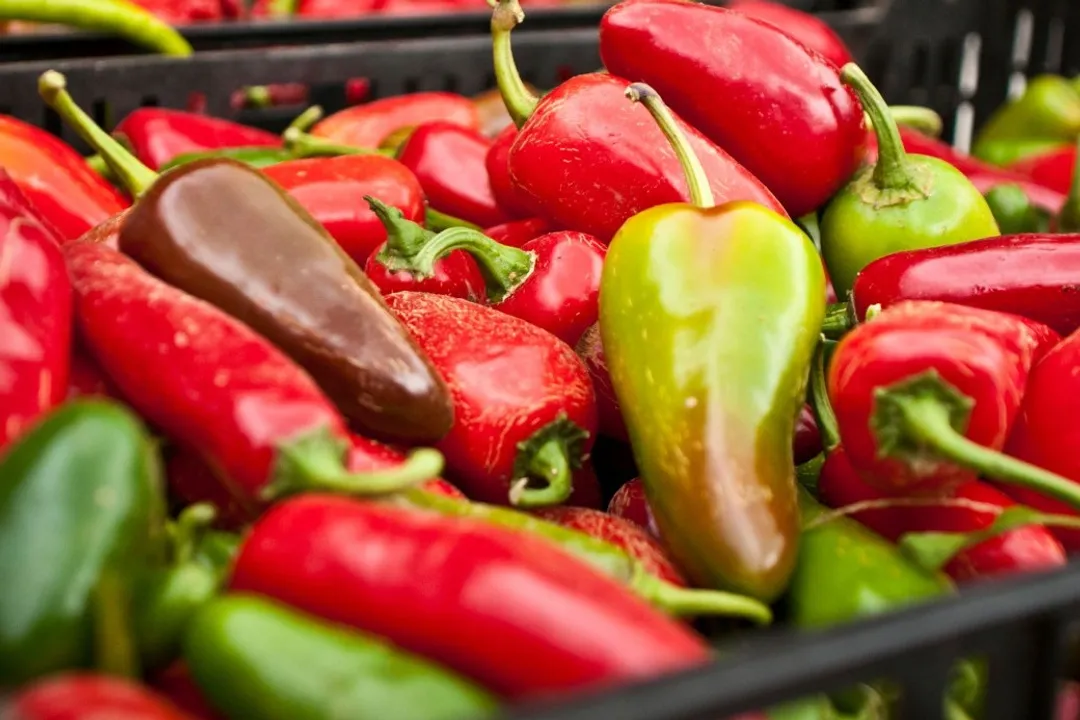
The reproductive parts of a plant—the flowers and the resulting fruits—are often the most visually appealing and frequently eaten parts of many common foods.
# Edible Blooms
While less common in daily Western diets, flowers are eaten globally and are sometimes referred to as a vegetable. Broccoli and cauliflower are prime examples where the edible part is actually the immature flower head, or an inflorescence, which is a cluster of flowers that have not yet fully separated or opened. [1][6] Artichokes are another example, where we consume the flower bud before it blooms. [6]
Nasturtiums and squash blossoms (zucchini flowers) are examples of true flowers eaten for their delicate texture and mild flavor. [1] When foraging, it is crucial to confirm that the flower being consumed belongs to a species where the flower is safe, as many decorative blossoms are highly toxic. [4]
# Botanical Fruits
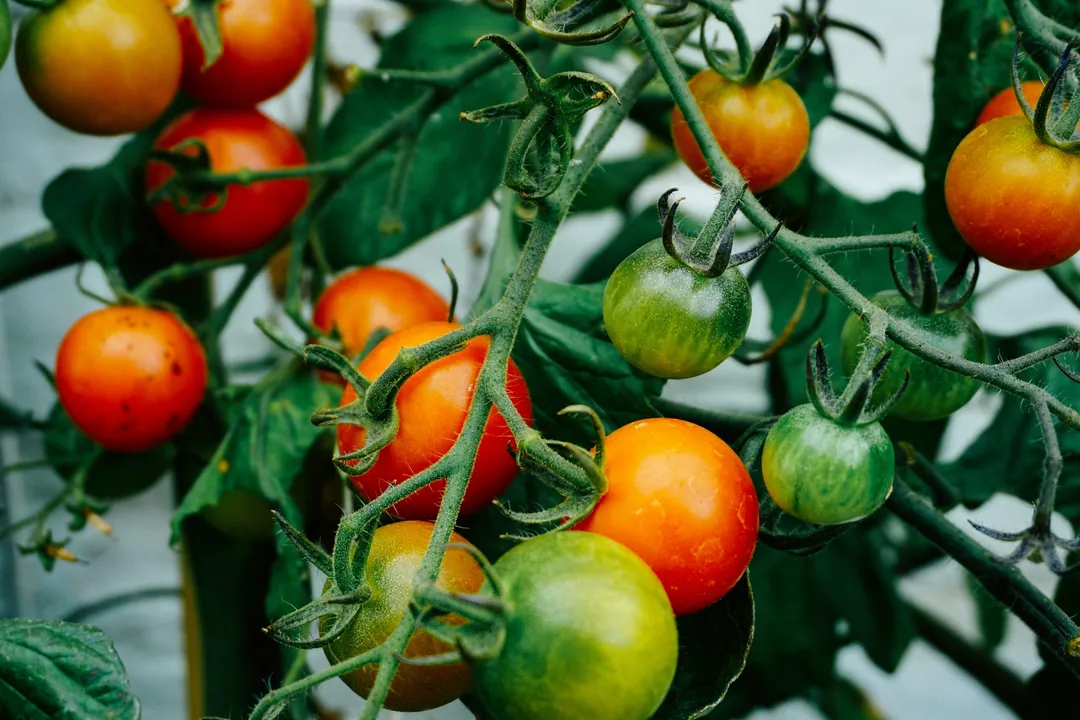
Botanically, a fruit is the mature, ripened ovary of a flowering plant, usually containing seeds. [5] This definition encompasses many items we call vegetables in the kitchen. Tomatoes, cucumbers, peppers, and squash are all technically fruits because they develop from the flower and contain seeds. [1][6]
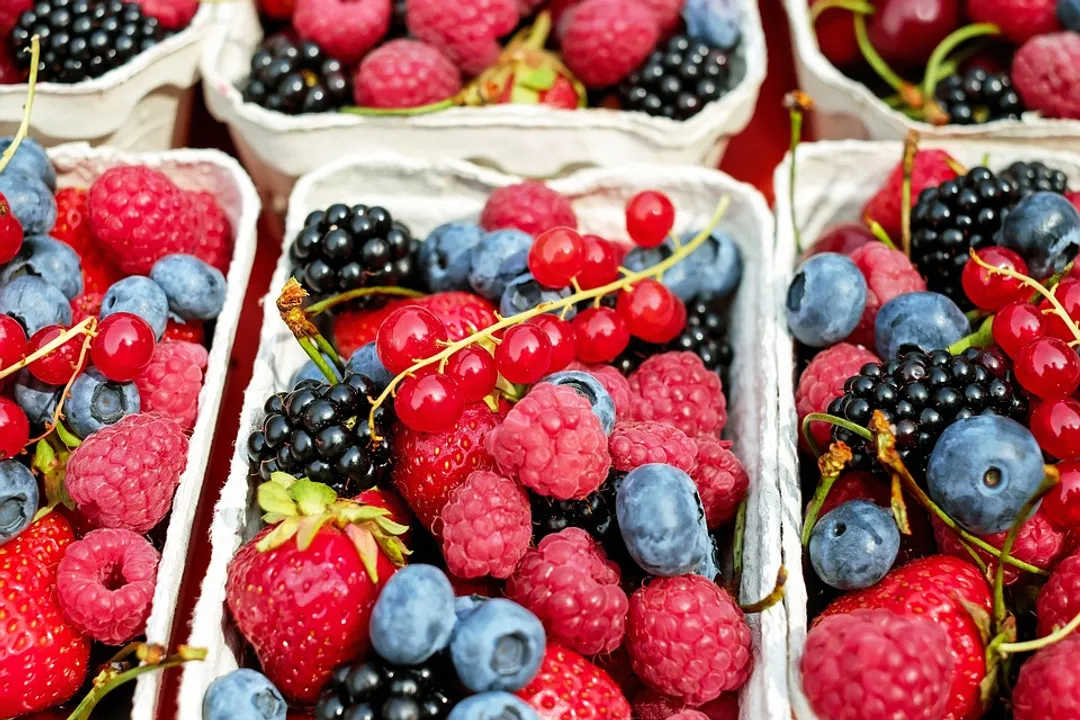
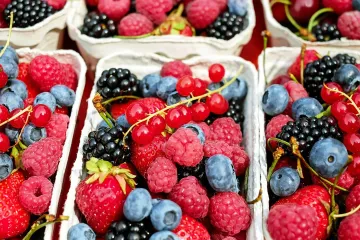
The culinary distinction often hinges on flavor profile: items used in savory dishes are called vegetables (e.g., eggplant, tomato), while those eaten as desserts or snacks, typically containing more natural sugars, are called fruits (e.g., berries, apples, peaches). [1] An apple is the swollen receptacle tissue surrounding the true fruit (the core), which contains the seeds. [5] Similarly, strawberries are "accessory fruits," meaning the fleshy part we enjoy is derived not from the ovary but from the receptacle that holds the true, tiny, seed-like fruits on the surface. [5]
# Seeds and Grains
Seeds are the embryonic plants packaged with stored food reserves to start a new life. This concentrated package of energy—proteins, fats, and carbohydrates—makes seeds and the grains derived from them nutritional powerhouses. [5]
# From Kernel to Meal
Grains, such as wheat, rice, and corn, are the dried seeds of grasses. [1] The part we typically consume is the kernel, which is a type of dry fruit called a caryopsis, where the seed coat is fused to the ovary wall. [5] Corn on the cob is an example where the kernels, which are the seeds, are eaten while still relatively fresh and moist. [6]
Legumes like beans, peas, and lentils are also seeds, though they develop inside a pod (which is technically a fruit). These are vital for their high protein content. Nuts, such as walnuts or almonds, are also seeds or specialized fruits, providing essential fats and dense calories. [1] Understanding this means that a single meal component can represent multiple plant parts: a salad with nuts (seeds) and berries (fruit) is structurally much more varied than it first appears.
Incorporating plant parts into meals can be a conscious practice. A simple way to ensure nutritional variety without complex planning is to try and select at least three distinct botanical parts for your main meal. For instance, a plate featuring roasted carrots (root), sautéed kale (leaf), and a side of quinoa (seed/grain) covers significant ground in one serving, offering a broader spectrum of micronutrients than a simple plate of pasta and sauce (fruit/vegetable) alone. [7]
# Foraging and Freshness
When sourcing food directly from nature, whether cultivated or wild, recognizing the specific part being harvested guides both safety and preparation. [4] Recognizing the intended purpose of a structure helps in knowing its best use.
# Seasonal Shifts
The edible part of a specific plant can change dramatically throughout its life cycle, often dictated by the season. [1] In early spring, asparagus (stem) is prime. Summer brings the rush of fruits (botanical fruits like zucchini and berries). By fall, the focus shifts to the storage organs—roots and tubers—that have been swelling all season, or the mature seeds and nuts. [4]
This seasonal availability creates a natural guide for local eating. If you notice a plant is flowering heavily, the leaves might be turning bitter or the stem becoming tough, signaling that the plant is prioritizing seed production over vegetative growth. This shift in resource allocation directly impacts the quality of the edible part you might harvest. [5]
For example, consider stinging nettles. In early spring, the tender young leaves are excellent cooked as a spring green. However, once the plant begins to set flowers, the leaves become much tougher, and the plant may accumulate more oxalates, making the early harvest vastly superior for culinary use. [4]
A practical tip for home gardeners or even urban foragers is to create a simple seasonal "part map" for your local edible flora. For instance, map out which local species offer an edible leaf in April, a stem in June, and a mature seed in September. This method, rooted in understanding plant anatomy, moves beyond simple recipe following and connects you directly to the biological rhythms of your environment, which is a core tenet of ethnobotanical knowledge. [4]
In essence, nearly every structure a plant builds to sustain itself can become a source of nutrition for us, provided we know how to identify it, when to harvest it, and how to prepare it properly. [6] From the fibrous anchor beneath the soil to the sweet vessel protecting the seeds above, the edible plant offers a complete, complex, and varied food source. [1][5]
#Videos
Edible Plant Parts | FRESHFARM FoodPrints - YouTube
Related Questions
#Citations
A Guide to Edible Plant Parts - Project Learning Tree
Edible Plant Parts | FRESHFARM FoodPrints - YouTube
Edible plant stem - Wikipedia
Vegetables: Foods from Roots, Stems, Bark, and Leaves
What parts of the plant do we eat? - Illinois Extension
Do You Know Which Part of the Plant You're Eating? - Brooklyn ...
6-Part Meal - Junior Master Gardener
Edible Parts of plant project - Facebook