What fish skin is not edible?

The decision to consume fish skin is often divided by cultural background, preparation method, and the specific species of fish involved. For many in Western cultures, tossing the skin is the default action, leading to the common query about which fish skins are simply not edible. [5] While many types of fish skin are perfectly safe and even prized when properly prepared, others present textural or flavor challenges that lead cooks to discard them routinely. [2] The concept of "inedible" skin often translates less to actual danger and more to undesirable eating quality for the average palate, especially when raw or under-seasoned. [3]
# Cultural Divides
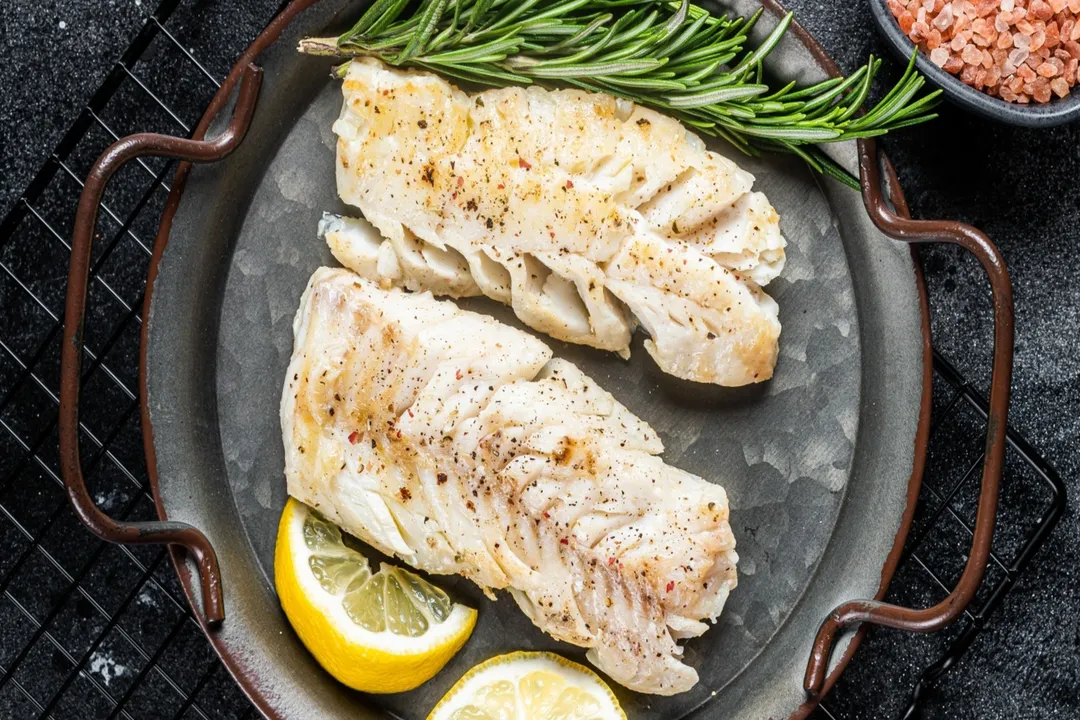
The perception of fish skin varies dramatically across the globe. In many culinary traditions, particularly those bordering the Pacific Rim or the Mediterranean, perfectly crisped fish skin is considered a delicacy, showcasing expertise in preparation. [2] For instance, the skin of salmon or certain sea bass varieties can become shatteringly crisp, adding a delightful textural counterpoint to the tender flesh beneath. [4][6] In contrast, the general tendency in American and many European households leans toward removal. [5] This often stems from earlier culinary practices where fish was poached or steamed, resulting in flabby, gelatinous skin that offered little appeal. [5][7]
It is important to recognize that this cultural divergence creates confusion about what is "safe" versus what is merely "unpopular" in a specific region. When sources list fish whose skin is generally avoided, they are usually reporting on common practice rather than inherent toxicity, unless contamination is a specific factor, such as with high-mercury species where the entire fish structure should be moderated. [8]
# Commonly Discarded Types

Several commonly consumed white fish, though safe to eat skin-on when cooked correctly, frequently have their skins removed in Western kitchens due to inherent textural properties. [1][3] These species often have thinner skin or a higher fat content in the skin layer that doesn't always render down to a pleasant crispness easily, or they can taste strongly "fishy" if not handled well. [3]
Fish frequently cited as having skin that diners often pass on includes:
- Cod: Known for its mild flavor, cod skin can sometimes be rubbery if not cooked at a high enough temperature to achieve crispness. [1]
- Flounder and Sole: These flatfish possess very thin skin. While some chefs prize it, it can easily become tough or disintegrate rather than crisping attractively. [1][3]
- Haddock: Similar to cod, haddock skin can present a textural challenge when pan-fried or baked casually. [3]
- Tilapia: This widely farmed fish is often grilled or pan-seared, and its skin is frequently discarded due to a less desirable texture compared to oilier fish. [1]
- Mahi-Mahi: While the flesh is firm, the skin is often reported as being less appealing than other fillets, leading to its removal before serving. [1][3]
When considering these lists, it is vital to remember that preparation dictates edibility more than the species itself for most commercially available, safe fish. [7] A poorly rendered tilapia skin is certainly less edible than a masterfully crisped salmon skin, but that doesn't mean the tilapia skin itself is poisonous. [2]

# Texture Over Toxin

The primary reason a fish skin becomes functionally inedible for many consumers is texture. An acceptable texture usually means one of two things: either it is completely removed, or it is rendered utterly crisp, ideally holding its shape and offering a satisfying crunch. [7] Skins that fall into a middle ground—chewy, gelatinous, or slimy—are the ones that draw the most criticism. [5]
For example, oily fish like salmon and trout have substantial skin layers rich in omega-3 fatty acids, making them excellent candidates for crisping, as the fat helps achieve that desired texture when cooked properly, such as searing skin-side down until it pops and crackles. [4][6] This preparation method transforms the skin from a potential liability into an asset. [7]
Conversely, some fish have skin structures that resist this transformation. Certain species, especially those caught in environments with higher levels of potential contaminants, might carry more toxins or pollutants in the skin and fat layer closer to the surface. [8] While most commercial operations regulate this, wild-caught fish from unknown or known contaminated waters present a higher risk, making the skin a part of the fillet that some experts advise discarding as a precautionary measure, irrespective of texture. [8] Thinking locally, if you are consuming fish caught in an urban river or an area known for industrial runoff, removing the skin becomes a sensible step for reducing potential exposure to localized pollutants that accumulate in fatty tissues, a point worth noting regardless of how well the skin crisps. [8]
# Considerations Beyond Palatability

While texture and flavor dominate the discussion, other critical factors determine whether one should consume fish skin.
# Allergies
A major, non-negotiable barrier to eating fish skin is a documented fish allergy. [9] Fish is one of the major food allergens. The proteins responsible for allergic reactions are present throughout the fish flesh, scales, and skin. [9] Therefore, if a person is allergic to a specific type of fish—say, cod—consuming its skin is just as dangerous as consuming its flesh. [9] In these cases, the skin is not merely "inedible" due to taste; it is a direct health hazard. [9]
# Scales and Preparation
A practical barrier to edibility involves the scales. If the skin is left on for cooking, the scales must be meticulously removed beforehand. [7] Failure to descale properly results in a gritty, unpleasant mouthful, making the skin definitively inedible in a culinary sense. [7] Even when aiming for a crispy skin, the fishmonger or home cook must ensure all scales are scraped off against the grain, leaving only the clean, protective layer ready for high-heat application. [7]

# Oily Fish vs. Lean Fish Skins
To provide a clearer picture for home cooks navigating this choice, grouping fish by their skin characteristics can be helpful. The oil content heavily influences how the skin behaves under heat.
| Fish Type Group | Example Species | Skin Characteristic When Cooked Poorly | Culinary Potential (When Cooked Well) |
|---|---|---|---|
| Oily/Fatty | Salmon, Trout, Mackerel | Can become chewy or very rich tasting [4] | High; Crisps beautifully, rich in nutrients [4][6] |
| Lean/White | Cod, Tilapia, Haddock | Prone to becoming rubbery or slimy [1] | Moderate; Requires precise high heat to crisp |
| Thin-Skinned | Flounder, Sole | Easily tears or disintegrates [3] | Low to Moderate; Often removed due to thinness |
One overlooked aspect when discussing edible fish skin is the role of the collagen found just beneath the surface. This gelatinous layer is rich in protein and, while often associated with soup stocks when boiled, it contributes significantly to the "mouthfeel" of a well-prepared fillet. [4] In some East Asian preparations, the skin is intentionally left slightly softer to achieve a specific, melt-in-your-mouth texture, contrasting sharply with the Western preference for loud crispness. [5] Understanding this spectrum means that the "inedible" skin in one context is the height of culinary achievement in another. [2]
If you are cooking with skin-on fillets and notice an excessive amount of white, opaque, gummy residue bubbling up during the initial sear, that is often a sign that the skin is releasing too much moisture instead of crisping. A quick tip to mitigate this common failure scenario is to lightly dust the skin side with a thin layer of cornstarch or rice flour before seasoning and placing it in a very hot, lightly oiled pan. This thin coating acts as a barrier, helping to drive off surface moisture quickly and encouraging an immediate sizzle rather than a steam, which is crucial for achieving that desired texture on leaner fish. [7]
# The Nutritional Argument
For those willing to overcome textural hurdles, eating the skin offers nutritional benefits. Fish skin is nutrient-dense, containing significant amounts of omega-3 fatty acids, which are essential for heart and brain health. [4] Furthermore, the skin and the immediately underlying layer are good sources of collagen, which many people seek out for its perceived benefits to skin elasticity and joint health. [4] For instance, farmed salmon skin is particularly high in these beneficial fats. [4] Discarding the skin means discarding a substantial portion of the fish's healthy fat content. [4]
In summary, while a few specific fish skins might be avoided due to genuine textural incompatibility with common preparation methods (like cod or flounder in a simple bake), or due to potential risks associated with allergies or environmental contamination, [8][9] the blanket statement that "fish skin is not edible" is largely a cultural artifact rather than a universal culinary or safety rule. [5] For the majority of healthy individuals, the skin of popular fish like salmon, trout, and sea bass is not only edible but highly recommended when cooked to a crisp. [4][6]
Related Questions
#Citations
The Popular Fish You Shouldn't Eat The Skin From - Tasting Table
Why You Should Avoid Eating The Skin From These Types Of Fish
The Popular Fish You Shouldn't Eat The Skin From - Yahoo
Why You Should Be Eating Fish Skin - Virginia Sportsman
Why does it seem that in the Western cultures, people avoid eating ...
Which fish can you eat the skin? - Quora
How To Cook and Eat Fish Skin | Epicurious
The 14 Most Sustainable Fish to Eat—and 11 Types to Avoid
Fish: A Top 9 Food Allergen | FAACT