How do you describe fish texture?
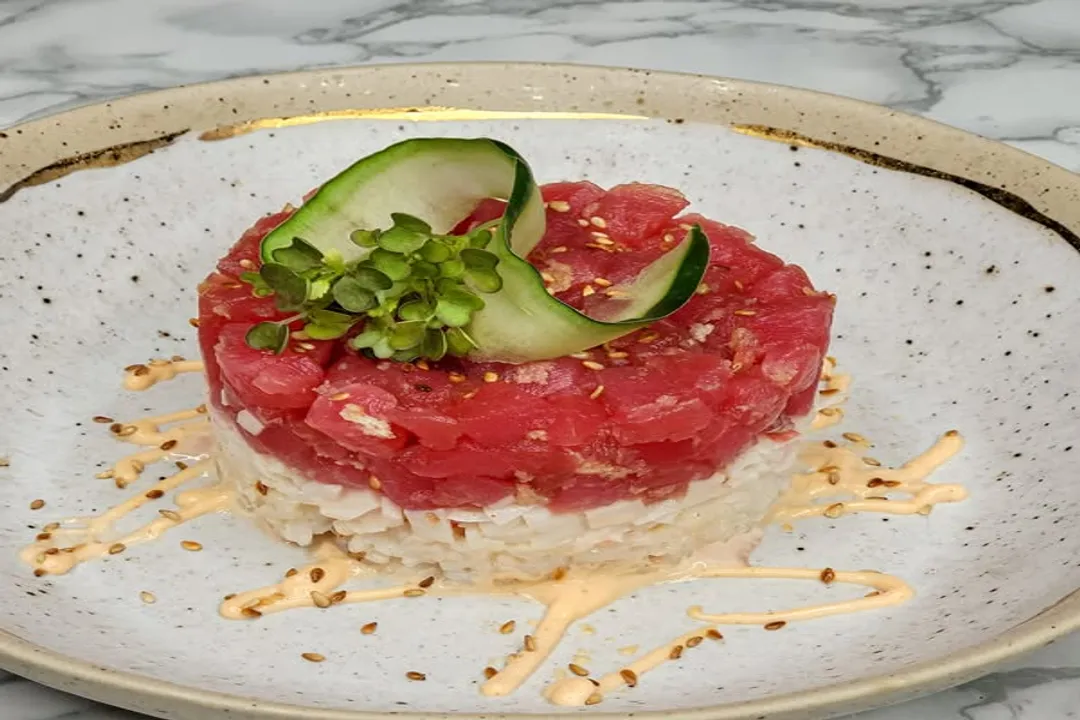
Describing the way fish feels in your mouth is often more complex than simply labeling it as "good" or "bad," as texture reveals as much about the species and preparation as the flavor itself. The physical sensation—how it breaks apart, yields to the fork, or sits on the tongue—is central to the eating experience, differentiating it from terrestrial meats and even other forms of seafood. [3] Understanding this tactile quality requires moving beyond simple adjectives toward a richer vocabulary that honors the specific characteristics of the fillet in front of you.
# Muscle Structure
The fundamental reason fish texture diverges so significantly from, say, beef or poultry, lies in its basic muscle architecture. [3] Fish flesh is organized into short, thin bundles of muscle fibers, known as myotomes, separated by thin sheets of connective tissue called myosepta. [3] These muscle segments are quite short, and the connective tissue between them is relatively weak and easily dissolved, especially when cooked gently. [3] This biological arrangement is precisely what allows fish to flake so easily when probed with a fork, a characteristic rarely seen to the same degree in land animals whose muscle fibers are longer and bound more tightly. [3]
This inherent structure means that how you describe the texture often depends on the integrity of those myosepta after heat is applied. For instance, oily fish, which tend to have higher fat content marbled throughout the muscle fibers, often maintain a firmer, denser feel, sometimes described as "meaty". [7][9] Lean, white-fleshed fish, on the other hand, rely heavily on the easy separation of those short segments, leading to a pronounced flakiness. [7] It is this fundamental cellular arrangement that dictates the spectrum of textural possibilities we encounter in seafood.
# Descriptive Vocabulary
To communicate accurately about fish texture, chefs and experienced eaters rely on a specific set of descriptive terms that map directly to how the muscle behaves. [2] These terms help diners select exactly what they are looking for, whether it’s something delicate or something substantial. [9]
A primary category involves the breakdown of the muscle structure:
- Flaky: This describes fish that separates easily into distinct segments or layers when cooked. [2] This is the hallmark of many white fish like cod or tilapia. [7] You might describe it as tenderly flaky or easily flaked.
- Firm/Meaty: Fish that holds its structure well, resists flaking, and requires more deliberate chewing is described as firm or meaty. [7][9] Examples often include swordfish, tuna, or halibut. [7] This texture can also be described as steak-like or dense. [9]
- Tender: This is a softer term than flaky, suggesting the fish yields easily without crumbling excessively. It implies succulence without being mushy. [2]
- Moist/Succulent: While often related to fat and moisture retention, these terms describe the feel of the cooked flesh against the palate. [2] Dry fish, conversely, feels chalky or cotton-like.
Another set of descriptors focuses on the mouthfeel related to fat content and muscle density:
- Silky/Buttery: Often associated with high-fat fish like salmon or mackerel, this indicates a rich, smooth mouthfeel where the fat melts slightly, coating the tongue. [1][4]
- Delicate: Used for very light, soft-fleshed fish that breaks apart almost instantly. This is on the opposite end of the spectrum from meaty. [9]
- Grainy/Mushy: These are generally negative terms. Mushy suggests overcooking or poor quality, where the muscle structure has completely disintegrated. [2] Grainy is sometimes used for fish that has been improperly frozen and thawed, causing ice crystals to damage the texture.
Here is a brief categorization to help organize these descriptions:
| Texture Category | Key Descriptors | Example Fish Types (General) |
|---|---|---|
| Layered | Flaky, Separates easily, Light | Cod, Haddock, Tilapia |
| Dense | Firm, Meaty, Steak-like, Chewy | Swordfish, Tuna, Grouper |
| Rich | Silky, Buttery, Moist | Salmon, Mackerel, Black Cod |
| Delicate | Soft, Tender, Yielding | Sole, Flounder |
When describing texture, it is helpful to relate it back to a known reference point. Instead of just saying "it's firm," saying "it has the resistance of a cooked chicken breast" or "it flakes like a perfect scallop" provides immediate context for the listener. [2]
# Species Variation
The texture you experience is deeply tied to the natural habitat and life of the fish. For instance, fish that swim actively in cold, open water—like tuna or swordfish—tend to develop denser, more muscular flesh that holds up better to grilling or searing because they need that strength for sustained swimming. [7]
Contrast this with bottom-dwelling, slower-moving fish, which often have lower fat content and muscle density, resulting in the characteristic flakiness of species like haddock or sole. [7] The oil content plays a significant role here; higher oil content tends to lubricate the muscle fibers, contributing to that perceived silky texture. [1]
If you are working with an unfamiliar fish, one useful heuristic is to consider its general family or how it lives. Pelagic (open-ocean) fish tend to be leaner and flakier, while groundfish often have a bit more substance. However, there are always exceptions; for example, salmon is an active swimmer but is prized precisely for its high fat content, which gives it a uniquely moist and buttery flake that is firmer than a lean white fish. Thinking about the fish's personality—its swimming habits and fat composition—can often predict its textural outcome before you even take a bite. [4]
# Preparation Effects
It bears repeating that the initial texture of the raw fish is only half the story; how it is cooked dramatically alters the final tactile impression. [3] The goal is usually to heat the fish just enough for the proteins to set and the collagen to break down slightly without forcing all the moisture out, which results in a dry, mealy texture. [2]
Different cooking methods emphasize different textural elements:
- High Heat (Searing/Grilling): This method creates a sharp textural contrast. You develop a crust or sear on the outside—a desirable firm, slightly chewy exterior—while ideally preserving a tender, moist interior that separates easily. [2] If the heat is too high or the time too long, this contrast collapses, and the whole piece becomes tough and dry.
- Moist Heat (Poaching/Steaming): Cooking fish gently in liquid preserves moisture exceptionally well. This technique maximizes the delicate and tender qualities, often resulting in fish that falls apart with the slightest nudge. This is the best way to experience the purest, most fragile texture of very fresh white fish.
- Baking/Roasting: This is an intermediary method. If cooked low and slow, it yields a uniformly tender texture. If cooked hot and fast, it can easily lead to dryness if the fish is lean.
One subtle point related to cooking time involves the connective tissue. While it breaks down easily, overcooking causes the muscle fibers themselves to contract severely, squeezing out the remaining moisture. A perfectly cooked piece of fish will have muscle segments that are clearly defined but separate with almost no resistance—they should yield rather than shatter. [2] If you see little white beads of protein (albumin) weeping out of the fillet, it’s often a visual cue that the process of contraction and moisture loss has begun, leading toward a tougher mouthfeel.

# Evaluating Freshness and Quality
Texture is an immediate indicator of quality and age. When purchasing or assessing fish, the texture should feel resilient when gently pressed. [3] A fresh piece of fish will spring back when lightly touched. If the flesh stays indented, it suggests the muscle structure is beginning to break down, which will translate to a mushy or watery texture once cooked. [2]
When you are at a fish counter and want to guarantee a good texture later, look past the sheen. The texture promised by the raw appearance is most accurately confirmed when you cook a small sample, if possible. If ordering out, asking the server or chef how the kitchen prepares a specific type of fish—for example, "Is the halibut grilled hard or gently pan-seared?"—gives you insight into whether you should expect a meaty bite or a flaky one. If the menu describes a fish as "delicate" but it's served heavily grilled, the texture might be disappointing because the preparation method works against the fish's natural structure. By understanding these textural anchors, you can navigate menus and cooking choices with greater confidence, ensuring the mouthfeel matches your expectation for that species.
Related Questions
#Citations
The Fish Scale: Mild, Medium, and Strong Flavors - Hy-Vee
What is the texture of cooked fish? : r/NoStupidQuestions - Reddit
What makes the texture of fish different from other types of seafood ...
Fish Personalities - Beyond Salmon
The Fishiness Scale of the 10 Most Common Fish
Raw fish texture explained - Facebook
Know your Seafood!
Fish Flavors and Substitutions - North Carolina Sea Grant
The Different Textures and Taste of Seafood at 6HEAD