What fish is healthier than salmon?
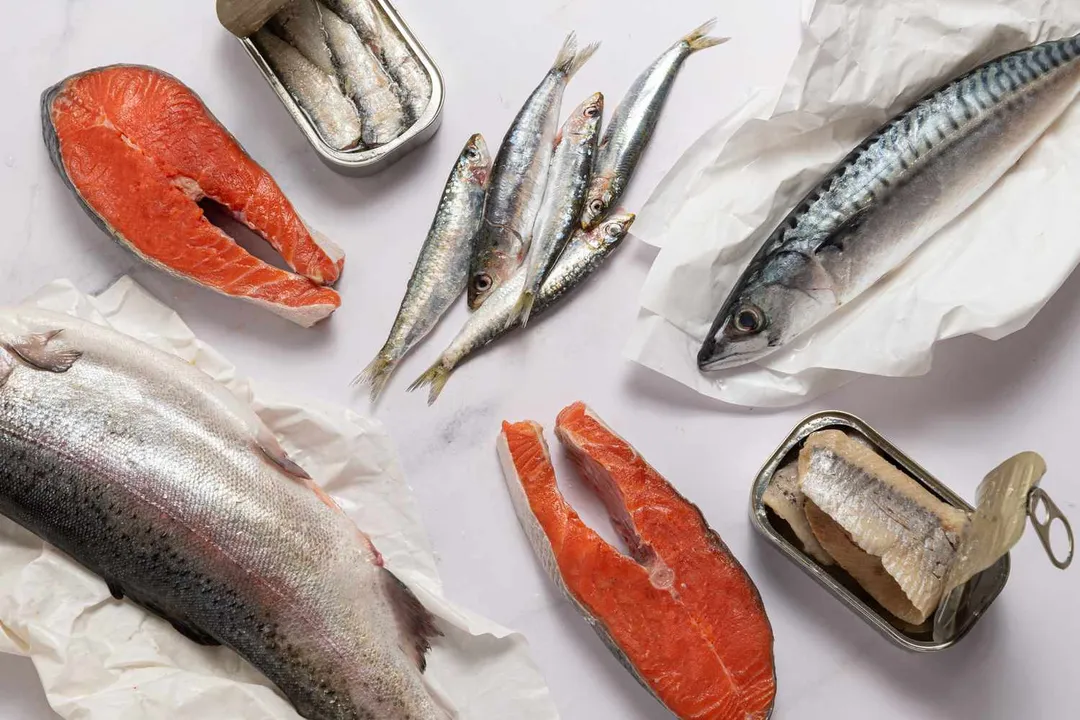
It’s true that salmon dominates the conversation when discussing healthy seafood, often praised as the gold standard for its high content of omega-3 fatty acids. However, placing all our seafood bets on one fish might mean missing out on an entire ocean of nutritional advantages. Many other species not only match salmon’s health credentials but, in certain areas, might even offer a better profile depending on your specific dietary goals, whether that’s maximizing protein, minimizing mercury, or simply diversifying your palate and budget. [1][4][8]
The real value in eating fish lies in its dense package of lean protein and those essential long-chain omega-3 fatty acids, specifically eicosapentaenoic acid (EPA) and docosahexaenoic acid (DHA), which are vital for brain and heart health. [6][10] While Atlantic salmon is a nutritional heavyweight, sometimes the best choice is a lesser-known swimmer, a smaller, perhaps more accessible fish that packs an equally powerful punch, sometimes without the same concerns regarding contaminants or cost. [2][4]
# Omega Powerhouses
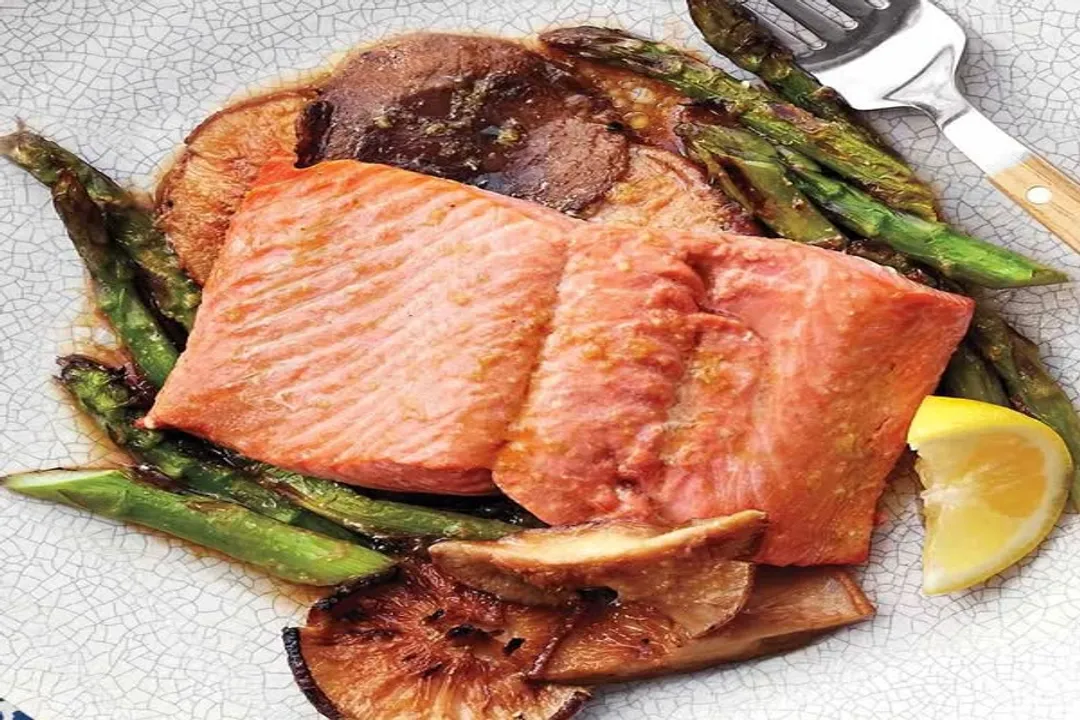
When looking for a direct competitor to salmon in the omega-3 arena, one must look closely at the oily, cold-water fish that thrive in deep seas. [8] Mackerel, for example, frequently appears in these discussions. Some varieties of mackerel are incredibly rich in EPA and DHA, potentially offering significantly more omega-3s per serving than farmed salmon. [7][8] If you compare a standard serving, some types of mackerel are champions of these heart-healthy fats. [8] This is particularly relevant for individuals focusing on managing inflammation or supporting cardiovascular function where high, consistent intake of EPA/DHA is the primary objective. [6]
Another excellent contender is trout, especially rainbow trout. Often raised in freshwater systems, trout is frequently noted for having a very favorable omega-3 to omega-6 fatty acid ratio, which is crucial because an imbalance can negate some of the anti-inflammatory benefits. [9] While trout’s omega-3 levels can vary depending on its diet (wild vs. farm-raised), it stands as a strong, often milder-flavored alternative to salmon. [9] It’s worth noting that while salmon is famous, some sources suggest that farm-raised trout can actually contain a higher concentration of EPA and DHA than some commercially available salmon varieties. [9]
Then there are the forage fish—the smaller, faster swimmers that feed lower on the marine food chain, which translates directly into lower contaminant levels and higher nutrient density per bite. Sardines and anchovies fall into this category and are nutritional marvels that often get overlooked because they require a little more preparation or are typically used as condiments rather than main courses. [2][10] Because they are small and eaten whole (bones included), sardines offer exceptional amounts of calcium and Vitamin D, nutrients that are less abundant in larger fish fillets. [10] This combination of high omega-3s plus significant calcium makes them a unique powerhouse, especially for bone health, something even salmon cannot claim to the same extent. [10]
# Leaner White Fish
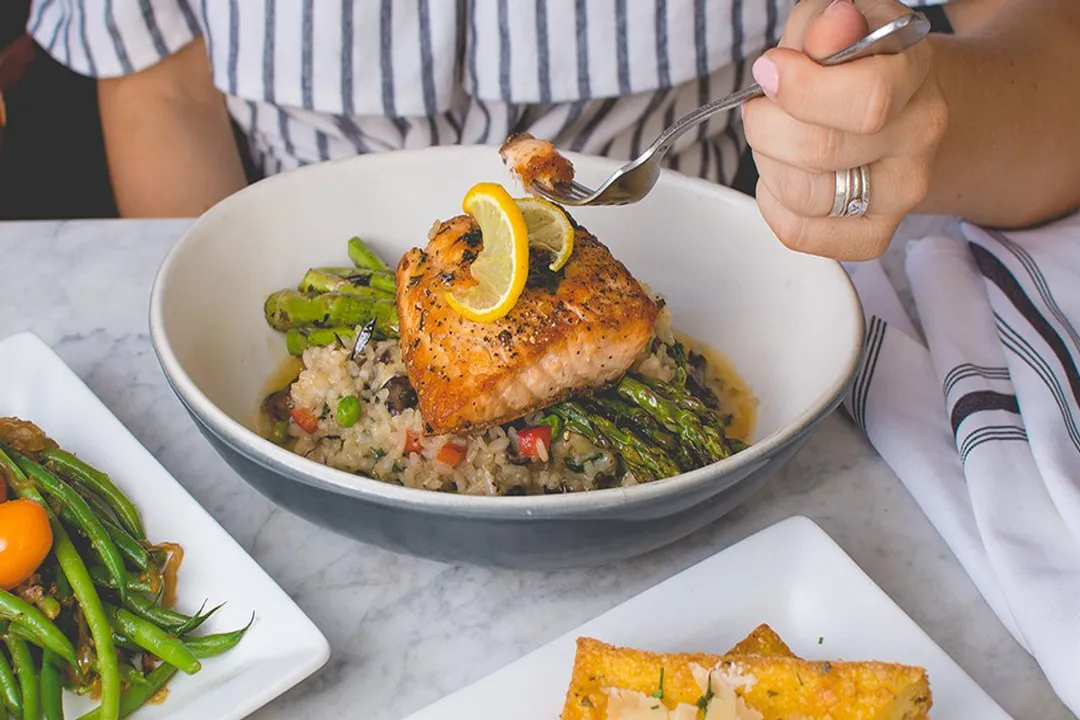
Not everyone needs or wants the high-fat content of an oily fish like salmon, even if that fat is healthy. For those prioritizing very lean protein, or perhaps trying to manage overall caloric intake, white fish varieties offer exceptional value. [5][10] Cod and Haddock are classic examples of mild-flavored, flaky fish that are extremely low in fat while still providing a substantial amount of high-quality protein. [1][10] A serving of cod, for instance, provides lean fuel for muscle repair without the accompanying caloric density of salmon. [1][5]
Pollock is another fantastic lean option, often used in fish sticks or imitation crab meat, but when consumed in its whole form, it’s a very nutritious, low-mercury choice. [5] Similarly, Tilapia, while sometimes a subject of debate regarding its omega-3/omega-6 ratio (which can be lower than cold-water fish), remains incredibly lean, high in protein, and generally very low in contaminants like mercury, making it a safe option for frequent consumption, particularly for vulnerable populations. [1][5] When preparing these white fish, how you cook them matters immensely; grilling, baking, or steaming preserves their low-fat profile, whereas deep-frying negates much of the benefit. [1][6]
# Mercury Concerns and Fish Size
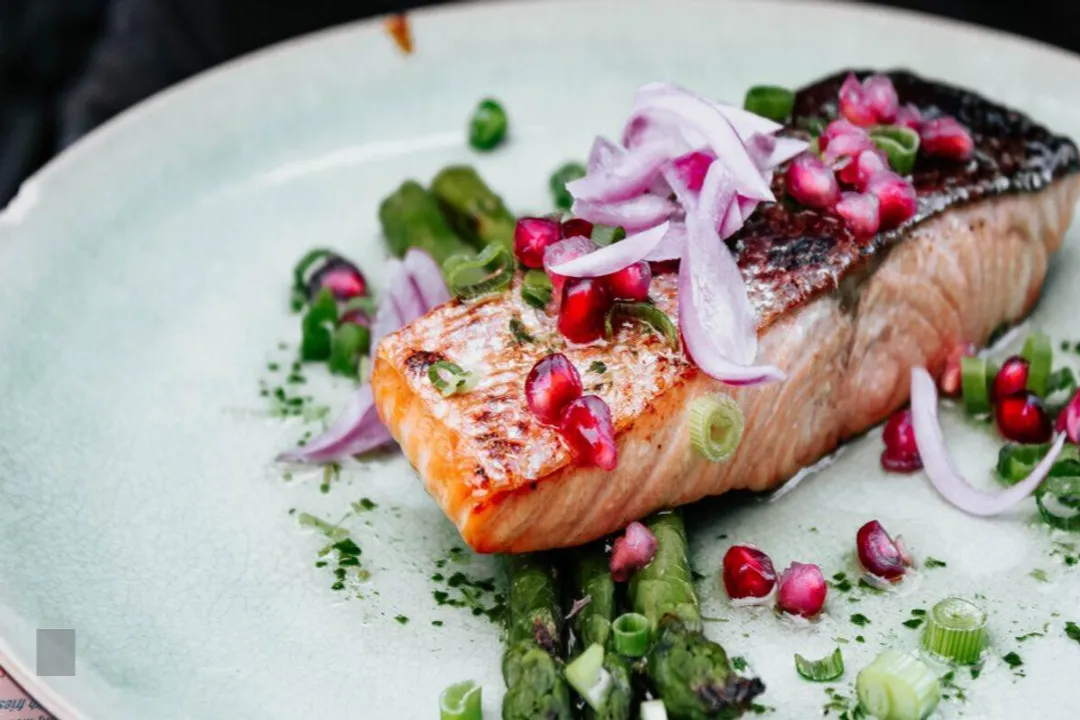
A critical factor in determining which fish is healthier for you, especially if you plan to eat seafood several times a week, is the level of mercury contamination. [4][5] Mercury accumulation is generally proportional to the fish's size and lifespan; larger, predatory fish eat smaller fish that have accumulated mercury, leading to biomagnification up the food chain. [4][5]
This is where many popular fish—even some nutritious ones—require moderation. Swordfish, Shark, King Mackerel, and certain types of Tuna (like Bigeye) tend to accumulate higher levels of mercury. [1][5][6] While Albacore tuna is higher in mercury than canned light tuna, it still provides excellent omega-3s, positioning it in a middle ground that requires mindful consumption, especially for pregnant women or young children. [1][5]
When building a rotation, it’s helpful to think of fish in tiers based on mercury risk. Salmon, sardines, anchovies, and trout often sit in the "Best Choices" or "Good Choices" category, depending on the specific source and farm practices. [5][6] You might find that while salmon is excellent, switching two of your weekly salmon meals for mackerel or herring (again, depending on the specific species, as King Mackerel is high-mercury) could increase your omega-3 intake while potentially lowering mercury exposure overall, depending on the source. [4][5]
# Building a Sustainable Seafood Rotation
For many health-conscious consumers, the equation of "healthiest" fish has evolved beyond mere nutrient counts to include environmental impact. [2] While the provided sources focus primarily on nutrition, understanding how your choice impacts the availability of that fish in the future is part of a long-term health view for the planet. [2]
One useful way to approach this is to establish a rotation rather than defaulting to one type. A truly balanced diet incorporating seafood might look like this over one week:
- One Oily Fish Meal: Prioritize wild-caught Alaskan Salmon, or substitute with Mackerel or Herring (ensure they are not King Mackerel) for peak EPA/DHA. [8][10]
- One Lean Fish Meal: Choose Cod, Haddock, or Pollock for very low fat and high protein. [5]
- One Forage Fish Meal: Incorporate Sardines or Anchovies (canned or fresh) to maximize calcium and Vitamin D intake along with healthy fats. [10]
If you live near the coast or frequent a market with good sourcing transparency, you might find that local, fresh options like Bluefish are available. Bluefish is a fatty fish that rivals salmon in its omega-3 content, though it has a stronger flavor that some find polarizing. [4] This is a perfect example of looking beyond the supermarket staple: if your local fishery offers sustainably caught Bluefish, it might be nutritionally superior to the imported salmon available that week. [4]
When considering how to incorporate these fish regularly, the sheer convenience factor is key. It’s remarkably easy to mash canned sardines—bones and all—into a simple, flavor-packed spread for whole-grain crackers, which is far faster than pan-searing a salmon fillet. This ease of preparation can often be the secret ingredient to long-term dietary success; the healthiest fish is ultimately the one you actually eat consistently. [2]

# Analyzing the Nutrient Trade-Offs
While the headlines often focus on omega-3s, looking deeper into other micronutrients reveals where alternatives shine. For example, Halibut often comes up as a premium, firm-fleshed white fish. It provides excellent levels of selenium and B vitamins, in addition to being a great source of lean protein, often boasting slightly more Vitamin B12 than salmon. [1][6]
Compare trout and salmon directly: while both are rich in omega-3s, farm-raised Atlantic salmon often carries more fat overall (making the omega-3s a slightly smaller percentage of the total calories) compared to some freshwater trout, which can be leaner while retaining comparable omega-3 levels depending on their feed. [9] This subtle difference matters if one is tracking total fat intake alongside essential fatty acids. Salmon, particularly wild varieties, is usually a standout source of Astaxanthin, the antioxidant that gives it its signature pink color, a benefit that other white fish lack, though some darker-fleshed fish like mackerel also contain other beneficial carotenoids. [7]
For readers looking specifically to boost Vitamin D, which is notoriously difficult to get enough of through diet alone, oily fish like salmon, herring, and mackerel are crucial. [8] However, if a person is seeking the highest density of Vitamin D in a non-fortified fish, herring often surpasses salmon in certain measurements, providing a potent dose in a small package. [8] This small nutritional edge makes herring an exceptional choice when that specific nutrient is the priority.
# Making Smart Substitutions
Switching from salmon doesn't require an elaborate culinary overhaul. If your usual preparation is baking a fillet with lemon and herbs, simply swap the salmon for a thicker cut of cod or haddock, keeping the preparation the same to maintain a low-fat outcome. [1] If you are making fish tacos, which traditionally use a moderately fatty fish, substituting with leaner options like tilapia or pollock means you might need a drizzle of healthy avocado oil on top to compensate for the lost natural fat, ensuring you aren't drying out the protein too much during the high-heat cooking process. [1][5]
Another actionable tip involves recognizing that the best health outcomes come from variety, not exclusivity. Instead of viewing salmon as the goal and others as inferior substitutes, view them as complementary components of a healthy seafood diet. You get powerful antioxidants from the color of salmon, high calcium/Vitamin D from sardines, and extremely lean protein from cod. Combining these sources ensures you cover a broader spectrum of vitamins, minerals, and fatty acids than relying on a single species could ever provide. [10] This approach inherently reduces the risk associated with over-consuming any one specific type of contaminant that might be slightly elevated in a single species, regardless of how healthy it generally is. [4] The diversity ensures a more stable, protective nutritional intake over time.
Related Questions
#Citations
6 Healthy Fish to Eat and 6 to Avoid | One Medical
Healthiest fish other than salmon? : r/nutrition - Reddit
5 of the Healthiest Fish to Eat—and 5 to Limit - EatingWell
7 of the Healthiest Fish to Eat: Salmon, Sardines, and More - GoodRx
Best and Worst Fish for Your Health - WebMD
Healthy Fish to Eat | Johns Hopkins Medicine
Is salmon healthy, and is it better than other fish like mackerel? We ...
10 healthy fish to eat - BBC Good Food
Trout vs salmon - everything you need to know about two nutritional ...
12 Best Types of Fish to Eat - Healthline