What is the difference between keta salmon and regular salmon?

The conversation around salmon often circles the same few heavyweights—the deep red Sockeye or the incredibly rich King (Chinook). Yet, tucked into the lineup of Pacific species is Keta salmon, also widely known by its common name, Chum. Understanding the differences between Keta and the more commonly encountered salmon varieties is key to unlocking different culinary experiences and appreciating the full spectrum of what the ocean offers. For many consumers, Keta remains an enigma, perhaps only recognized on a label after the more familiar names have sold out.
# Species Identity
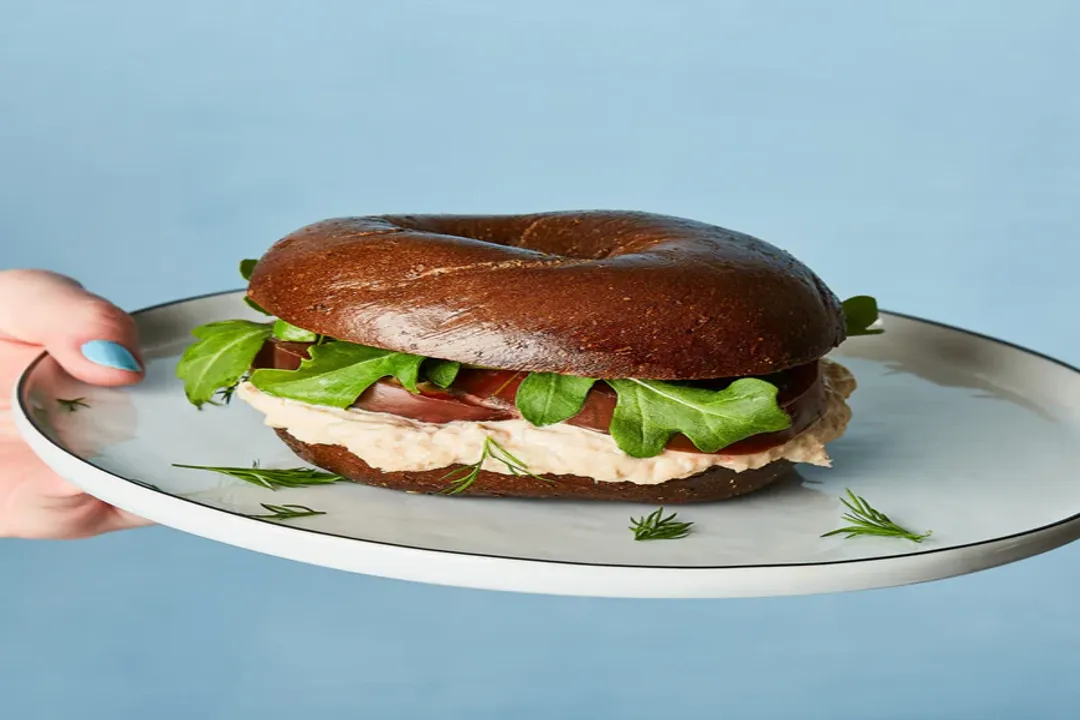
Keta salmon belongs to the Oncorhynchus genus, making it a true Pacific salmon, just like its cousins Sockeye, Coho, Pink, and Chinook. It is the second most abundant species of Pacific salmon caught globally. While "Chum" is the name frequently used in North America, the name "Keta" is often seen, particularly in international trade or when processed products are discussed. Knowing the name is your first step toward knowing the fish; if you see Chum on a menu or label, you are looking at Keta.
# Color Contrast
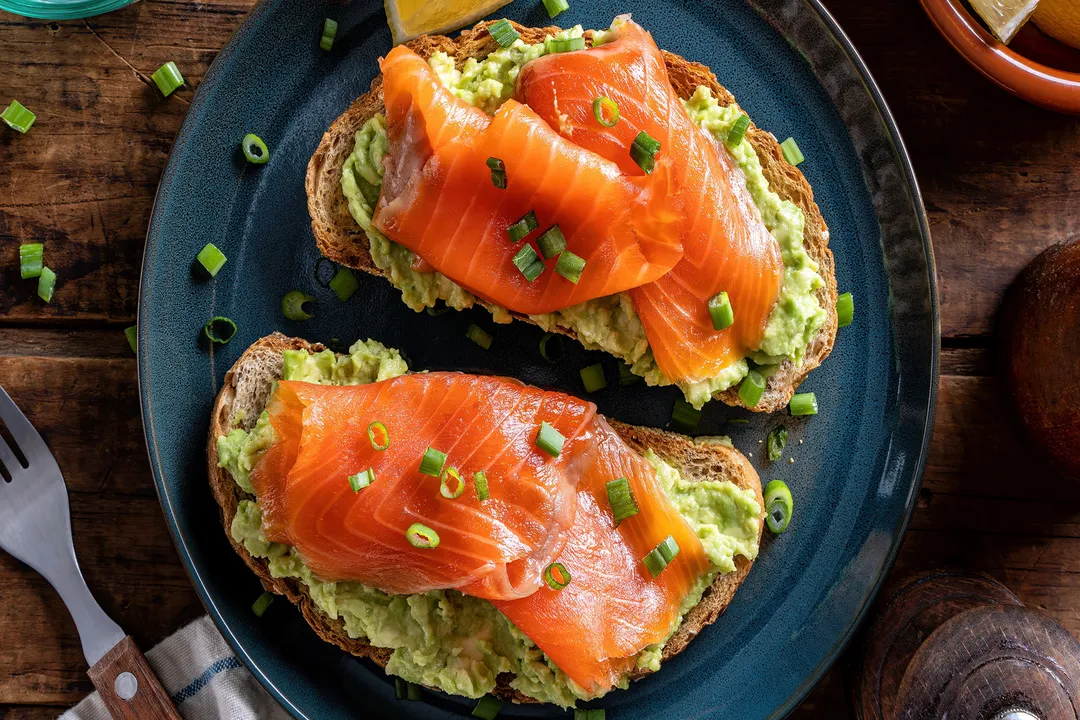
Perhaps the most immediate way to distinguish Keta from some other popular salmon types is by looking at the flesh color. Where Sockeye salmon boasts an unmistakable, intense, deep red hue, Keta salmon presents a much paler appearance. The flesh color ranges from a light pink to an almost creamy white or pale orange. This difference is rooted in their diets; Sockeye eat krill and small crustaceans rich in astaxanthin, the pigment responsible for the vibrant red color. Keta salmon do not consume as much of these pigment-rich foods while feeding, resulting in a lighter final product.
When observing whole fish in the wild, Keta can be easily identified by their spawning colors, which feature dark vertical bars or stripes along their flanks, giving them a tiger-like appearance. However, once processed for market, the primary visual cue remains the significantly lighter flesh tone when compared directly against Sockeye or even a richly colored Coho.
# Texture and Oil
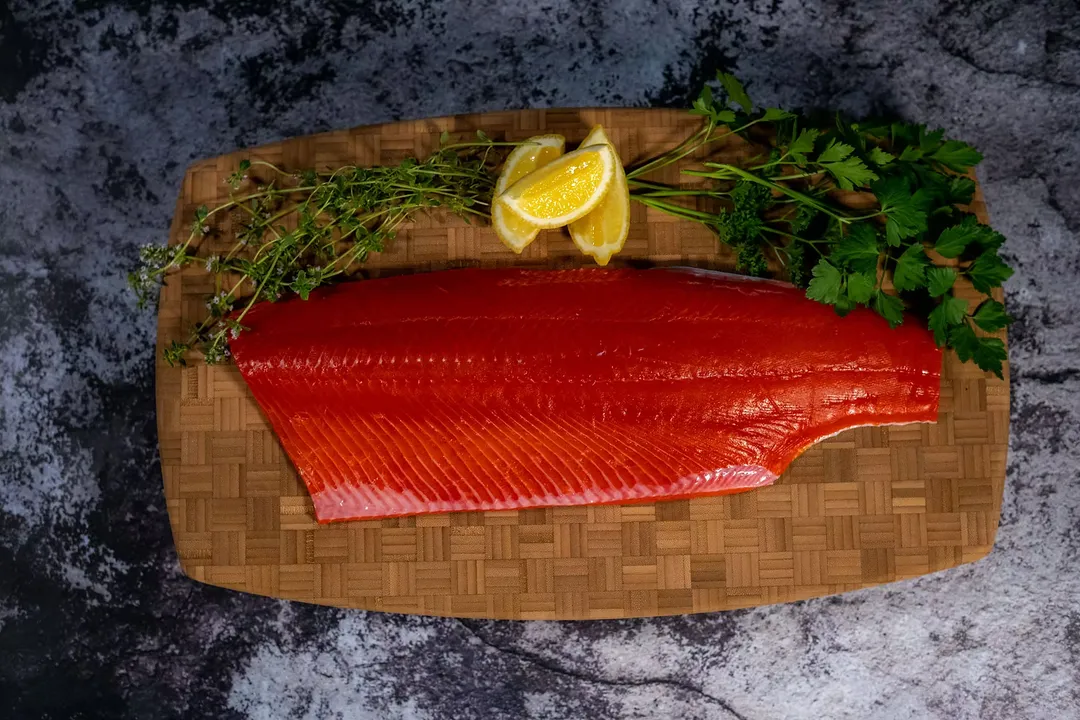
The fat content and resulting texture are where the culinary comparison really takes shape. Salmon are generally categorized by their oiliness, which heavily dictates their best use. King salmon typically sits at the top for richness, while Sockeye is comparatively leaner with a firmer bite. Keta salmon often falls into the middle-to-high range regarding fat content, sometimes competing closely with Coho.
What sets Keta apart, even with its high oil content, is the flavor profile associated with that fat. While it carries a significant amount of oil, its flavor is often described as milder or less intensely "fishy" than Sockeye. When eating Keta fresh or raw, some diners report a softer texture, occasionally leading to a perception of being somewhat watery or bland compared to the assertive flavor of Sockeye. This perception of blandness, however, is precisely what makes it a fantastic canvas for other flavors.
The distribution of fat within the Keta muscle structure seems to lend itself exceptionally well to preservation methods. When Keta is smoked or cured, the oils render in a way that produces a finished product with a firm yet moist texture that holds up beautifully. This contrasts with leaner fish, which can become dry if smoked too aggressively, or fattier fish, which can sometimes break down too much under intense heat. A key insight for home cooks is recognizing that Keta’s comparatively lower concentration of pigment-related compounds and milder natural flavor profile means it absorbs brines and smoke treatments exceptionally well without fighting the intended flavor profile of the cure. If you are planning a complex brine or cure, Keta’s neutral base is an advantage over a Sockeye whose strong flavor might dominate the process.
# Culinary Excellence in Preparation
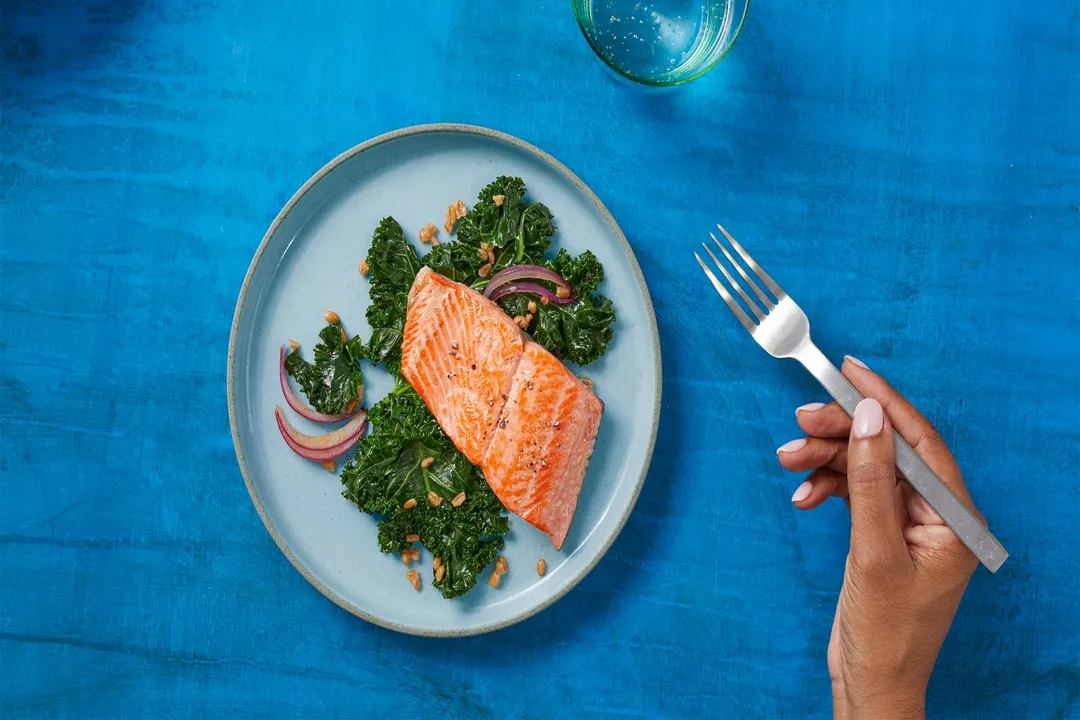
While some might dismiss Keta based on its milder fresh taste, this species is highly prized in specific culinary applications, most notably in smoking and curing. Its higher fat content, combined with a flesh structure that firms up nicely during processing, makes it an outstanding candidate for hot-smoked or cold-smoked preparations. Many commercial operations favor Keta for their smoked products because of this reliable textural outcome.
When grilling or baking, Keta performs admirably, offering a richer experience than a lean fish but without the need to manage the high oil output of a King salmon fillet. For those looking to replicate high-quality smoked salmon without the premium price tag sometimes attached to King or Sockeye, Keta often offers a superior quality-to-cost ratio, particularly when purchasing it already smoked.
If you are comparing fillets side-by-side without knowing the species, the difference in appearance is often the first clue, but the intended cooking method is the real decider. If the plan is to cook it very lightly, perhaps as sashimi or a quick pan-sear, a Sockeye or Coho might be preferred for their inherent richness and color. However, if you plan on adding seasonings, smoking, curing with gravlax spices, or slow-cooking, Keta shines. A practical tip for those encountering fresh Keta fillets for the first time is to ensure they are well-seasoned or marinated, even lightly, to enhance the natural richness that can sometimes feel understated when eaten completely unadulterated.
# Market Value and Sustainability
From a fishery perspective, Keta salmon is a significant contributor to the overall Pacific salmon harvest. Because they are the second most numerous species, they represent a substantial and relatively consistent supply for the seafood market. This abundance often translates into better value for the consumer when compared to the more aggressively marketed or seasonally restricted species like Copper River Sockeye.
Sustainability is also a major factor when selecting seafood, and Alaskan Keta salmon stocks are generally managed very well. Many fisheries, particularly those in Alaska, hold certifications such as those from the Marine Stewardship Council (MSC), indicating responsible harvesting practices. Choosing MSC-certified Alaskan Keta means you are supporting a stock that is monitored for long-term health. This strong sustainability record, combined with its versatility, positions Keta as an excellent choice for the environmentally conscious consumer who still demands quality on their plate.
To better visualize how Keta stacks up against the other heavy-hitters, here is a quick comparative look at the primary species often found in the market:
| Feature | Keta (Chum) Salmon | Sockeye Salmon | King (Chinook) Salmon | Coho (Silver) Salmon |
|---|---|---|---|---|
| Flesh Color | Pale pink to nearly white/pale orange | Deep, vibrant red | Light to deep red, highly variable | Reddish-orange |
| Fat Content | Medium to High | Leaner | Highest | Medium |
| Flavor Profile | Mild, subtle | Strong, distinct, rich | Richest, buttery | Mild to moderate |
| Best Use | Smoking, Curing, General Cooking | Grilling, Sautéing, Sashimi | Grilling, Roasting, High-fat preparations | Versatile, general cooking |
| Abundance | Second most abundant Pacific species | Less abundant than Keta or Pink | Least abundant of the five | Moderate |
| Source |
A final consideration in understanding Keta’s role is its processing history. Unlike King or Sockeye, which are often sold fresh whole or as high-end fillets, Keta has historically been a favored choice for roe (ikura) production and for frozen whole fish destined for international markets. This historical pathway means that while it might be less common to see it marketed aggressively as a high-end fresh fillet in some Western markets, its processed forms—especially smoked—represent top-tier quality derived from a fish that is plentiful and sustainably managed. For the shopper, this translates to an opportunity to find exceptional value in a high-quality, richly textured salmon product suitable for many preparations.
Related Questions
#Citations
Anyone else have this experience with Keta Salmon? - Reddit
Wild Alaskan Keta and Copper River Sockeye Salmon
Keta or Chum - Salmon - Marine Stewardship Council
Understanding The Different Types of Wild Salmon
Your Essential Guide to Salmon - Fulton Fish Market
Atlantic salmon vs Pacific salmon characteristics - Facebook
Keta Salmon 101 - Acme Smoked Fish
The Difference Between Coho And Keta Salmon Is Clear
Keta Salmon | Alaska Seafood Marketing Institute