Which is healthier, keta or sockeye salmon?
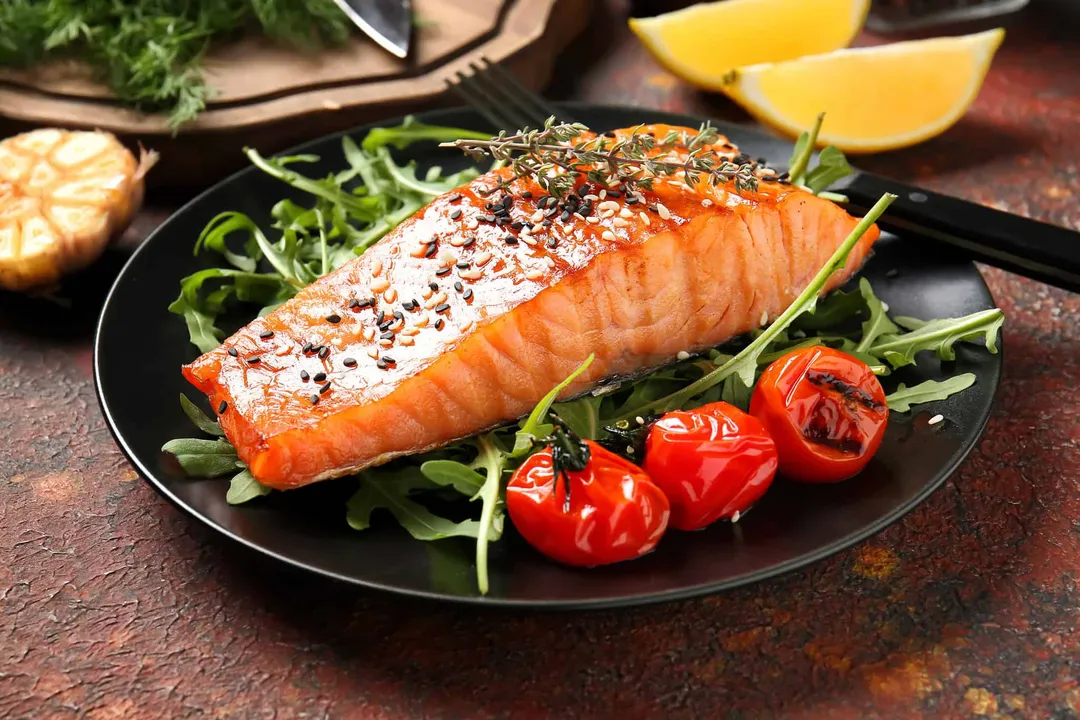
When deciding between two excellent sources of nutrition like Keta (also known as Chum) and Sockeye salmon, the comparison moves past simply choosing "good" versus "bad." Both are recognized as incredibly healthy choices, packed with the essential omega-3 fatty acids that support heart and brain health. [1][5] The difference lies in the specifics of their nutritional makeup, which can make one better suited for certain dietary needs or culinary applications than the other. [2][5] Understanding these subtle distinctions, from fat composition to flavor profile, helps a consumer make an informed choice that aligns with their goals. [6]
# Nutrient Profiles
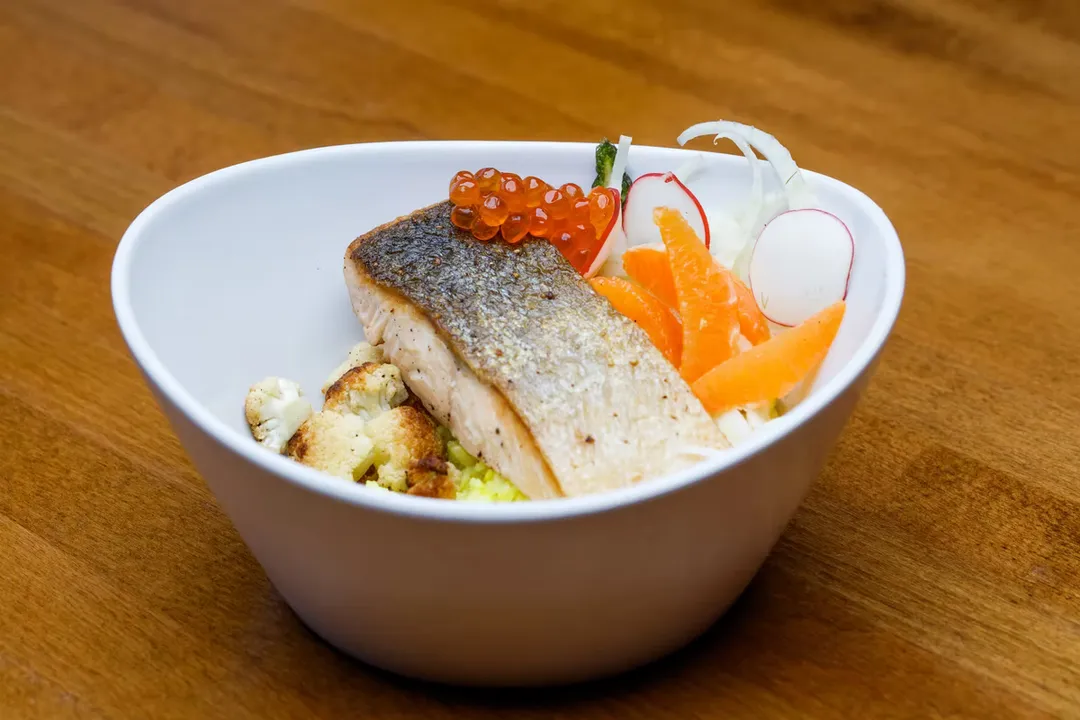
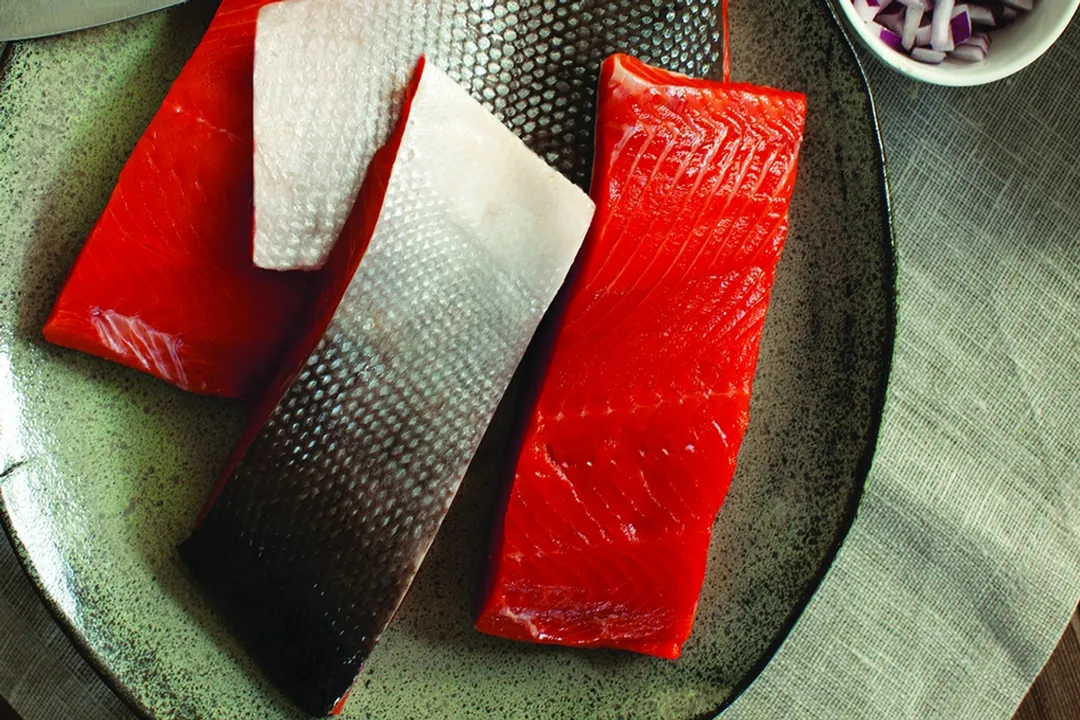
Both Keta and Sockeye salmon are powerhouses of nutrition, offering high-quality protein and essential vitamins and minerals. [1] Sockeye salmon is often highlighted for its deep red flesh, a color derived from its diet rich in astaxanthin, a powerful antioxidant. [9] This astaxanthin is present in both, but the concentration often correlates with the color intensity, making Sockeye typically richer in this specific carotenoid compared to its counterparts. [9]
When looking at general macronutrients, Sockeye tends to be leaner than some other types like Chinook, but Keta salmon also presents a strong profile. [2][7]
# Fat Content
The primary differentiator in health profiles often comes down to the fat and oil content, which directly influences the omega-3 levels and the overall calorie count. [2][5] Sockeye, famous for its color, is moderately high in fat, providing substantial amounts of EPA and DHA. [9] Keta salmon, on the other hand, is generally considered one of the leaner wild salmon species, though still rich in beneficial oils. [2][7]
For instance, if we consider the common data points, Keta salmon might have slightly less total fat per serving compared to Sockeye, which in turn impacts the caloric load. [2] This difference is not a sign of lower quality, but rather a variation in their life cycles and fat storage strategies. [7] Keta salmon needs to store fat for its long spawning journey, but perhaps less intensely than the highly migratory Sockeye. [2] It is interesting to note that the difference in total fat content, even if it translates to a minor caloric variance per standard serving, accumulates over consistent consumption. A consumer aiming for a very high intake of omega-3s while keeping fat grams low might prioritize Sockeye, whereas someone tracking moderate fat intake across all meals might find Keta’s slightly leaner profile advantageous for their daily macro goals [6].
# Color and Taste
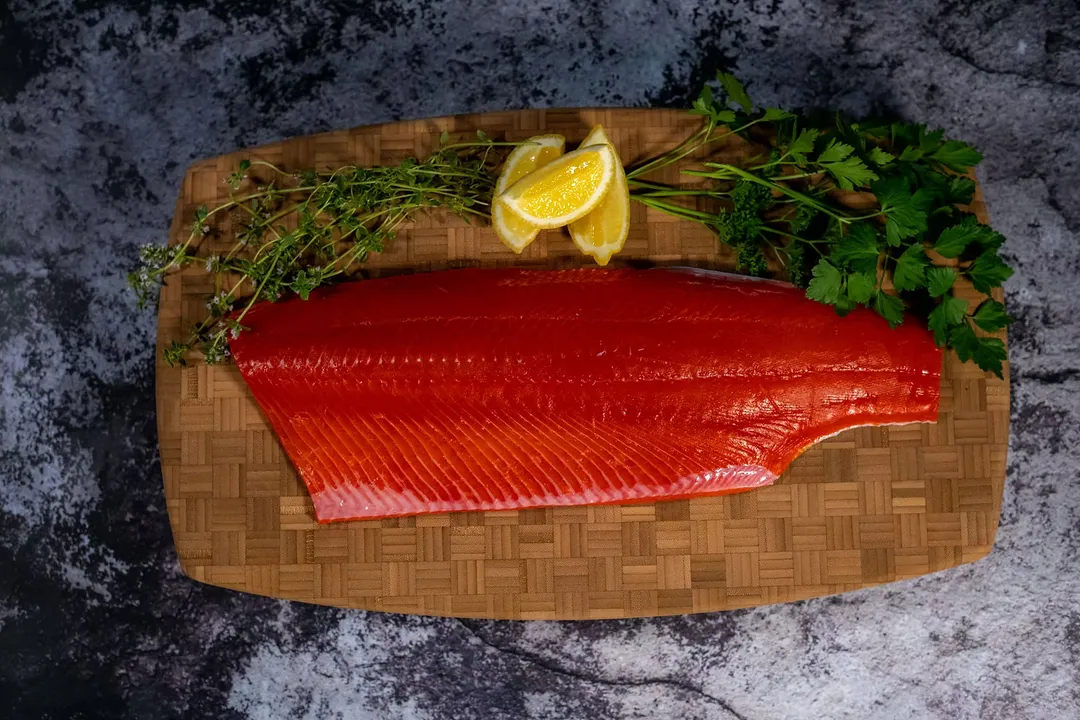
The most immediate difference a consumer notices is often the visual appeal and the resulting flavor profile, which is directly tied to fat content. [2][7]
# Sockeye Appeal
Sockeye salmon is instantly recognizable by its vibrant, deep red or crimson flesh. [9] This striking color holds up well during cooking, though the flesh can become somewhat flaky. [2][5] Flavor-wise, Sockeye has a more pronounced, often described as richer, fish flavor compared to the milder Keta. [2][5] Its texture tends to be firm, even when cooked through. [7] Because of its strong flavor and beautiful color, Sockeye is often favored for dishes where the salmon is the star, such as grilling or light poaching. [5]
# Keta Characteristics
Keta, or Chum, salmon presents a much lighter hue, ranging from pale pink to a more muted orange-red color. [7][5] This lighter color is directly related to its lower astaxanthin content compared to Sockeye. [9] Where Sockeye might be described as having a "rich" flavor, Keta is often characterized as mild. [2][5] This mildness is a significant asset in the kitchen. For example, when preparing smoked salmon or dishes that involve strong marinades or sauces, Keta's subtle flavor profile allows other ingredients to shine without being overpowered by intense fishiness. [3][5] Its texture, while still flaky, can sometimes be described as slightly softer than Sockeye, which can be a point of personal preference for different cooking methods. [3][7]
# Sourcing and Sustainability
When evaluating health, we must also consider the environment from which the fish originates, as sourcing impacts both purity and ethical consumption. [10] Both Keta and Sockeye are highly regarded when sourced from sustainable wild Alaskan fisheries. [2][7]
# Wild Alaskan Focus
Wild Alaskan salmon, in general, offers significant advantages over farmed varieties, primarily due to their natural diet and freedom from antibiotics or artificial colorants. [1][6] Both Keta and Sockeye are predominantly caught in these well-managed waters. [2][7] Alaskan fisheries are known for rigorous management practices, which helps ensure the long-term health of the stocks. [4][10]
# Fishery Management
Keta (Chum) salmon is often one of the most abundant species caught in Alaskan fisheries, sometimes representing the highest volume catch. [4] This high availability is an important factor for consistent consumption. [4] Sockeye populations are also robustly managed, especially those originating from famous runs like the Copper River, which command a premium price due to their specific timing and perceived quality. [2]
From a sustainable choice perspective, choosing any wild Alaskan salmon is generally a sound decision according to many fishery watchdogs. [10] However, one can consider the sheer scale and consistency of the Keta harvest; its abundance often means the supply chain is highly reliable, which can translate into better pricing stability for the consumer over a year compared to the more seasonal and specialized nature of premium Sockeye runs. [2] This reliability can support a more consistent intake of beneficial omega-3s without requiring a major budget adjustment.
# Culinary Applications
The differences in texture and flavor directly influence how these fish perform in various recipes. Choosing the right salmon for the job can vastly improve the eating experience. [5]
# Cooking Methods
Sockeye's firm texture and vibrant color make it an excellent candidate for high-heat applications where its color remains vibrant and the flesh doesn't easily fall apart, such as grilling or pan-searing. [5][9] It stands up well to simple seasoning, allowing its natural, richer flavor to come forward. [2]
Keta's milder flavor profile opens up more avenues for culinary creativity. [5] It works beautifully when flaked into salads, used in baked dishes where it might otherwise be overwhelmed, or for making salmon burgers. [3][5] Furthermore, because it is generally leaner and milder, Keta is an outstanding choice for preparations like hot-smoking or cold-smoking, where the curing process can enhance its natural fats and flavor without producing an overly strong profile. [5]
# Comparison Table Summary
To make the comparison concrete, here is a summary of the typical characteristics of these two fish, based on their general profiles:
| Feature | Sockeye Salmon | Keta (Chum) Salmon |
|---|---|---|
| Flesh Color | Deep Red/Crimson | Pale Pink to Light Orange |
| Flavor Intensity | Strong, Rich | Mild, Subtle |
| Fat Content | Moderate to High | Generally Leaner |
| Astaxanthin | High Concentration | Lower Concentration |
| Texture | Firm, Flaky | Tender, Flaky |
| Best For | Grilling, Searing, showcasing the fish | Smoking, Baking, dishes with sauces |
# Health Equivalency
Ultimately, the question of "healthier" hinges on the individual's specific nutritional priorities. If the goal is maximizing every possible nutrient, including the potent antioxidant astaxanthin, and you do not mind a slightly higher fat content, Sockeye has a slight edge due to its density of color compounds. [9]
However, if the goal is consistent, high-quality protein and omega-3 intake across numerous meals while managing overall fat intake, Keta performs exceptionally well and is often more accessible. [1][2] Both options deliver the crucial long-chain omega-3s (EPA and DHA) far superior to most terrestrial meat sources. [1] When evaluating long-term health benefits derived from regular fish consumption, the most important factor is consistency. If the slightly lower price point or milder flavor of Keta salmon encourages a person to eat wild salmon three times a week instead of just once a month, then Keta is unequivocally the healthier choice for that individual's lifestyle.
Whether you choose the vibrant, flavorful Sockeye or the versatile, milder Keta, you are selecting a fish that supports good health, provided it comes from a clean, wild source. [1][6][10] The best advice often remains to rotate between species when possible, enjoying the unique benefits each Alaskan run has to offer throughout the year. [7]
Related Questions
#Citations
The Healthiest Types of Salmon
Wild Alaskan Keta and Copper River Sockeye Salmon
Anyone else have this experience with Keta Salmon?
Keta or Chum - Salmon
Keta Salmon vs. Sockeye Salmon: The Undervalued ...
Everything You Need to Know to Buy the Healthiest Salmon
Understanding The Different Types of Wild Salmon
Sockeye vs. Keta Salmon: A Comprehensive Comparison
What Sets Sockeye Salmon Apart from the Rest
What Salmon Should I Eat?