Which is healthier, yams or sweet potatoes?
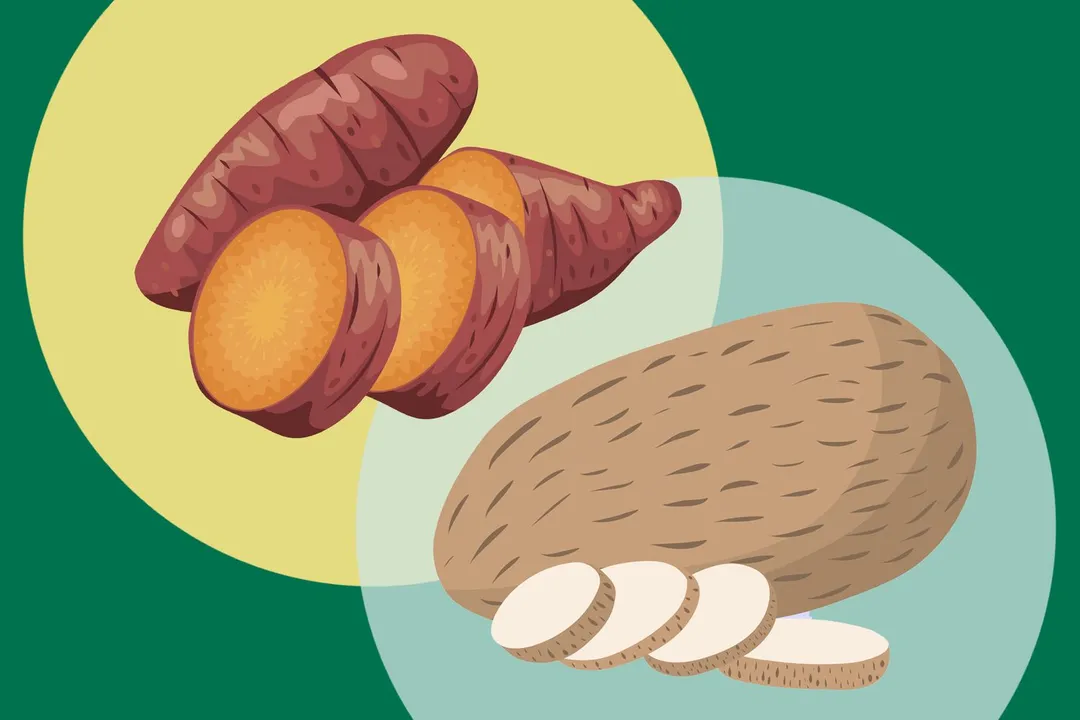
The difference between a yam and a sweet potato often causes more confusion in the produce aisle than it saves time in the kitchen. Many consumers believe they are interchangeable, grabbing whichever root vegetable fits the recipe, but botanically and nutritionally, they hail from entirely different plant families. [1][5][8] Understanding this divide is the first step in determining which one truly deserves a spot in a health-focused diet. The orange-fleshed tubers we frequently see labeled as "yams" in North America are almost always sweet potatoes, while true yams are far less common in standard Western grocery stores. [1][5][8]
# Botanical Divide
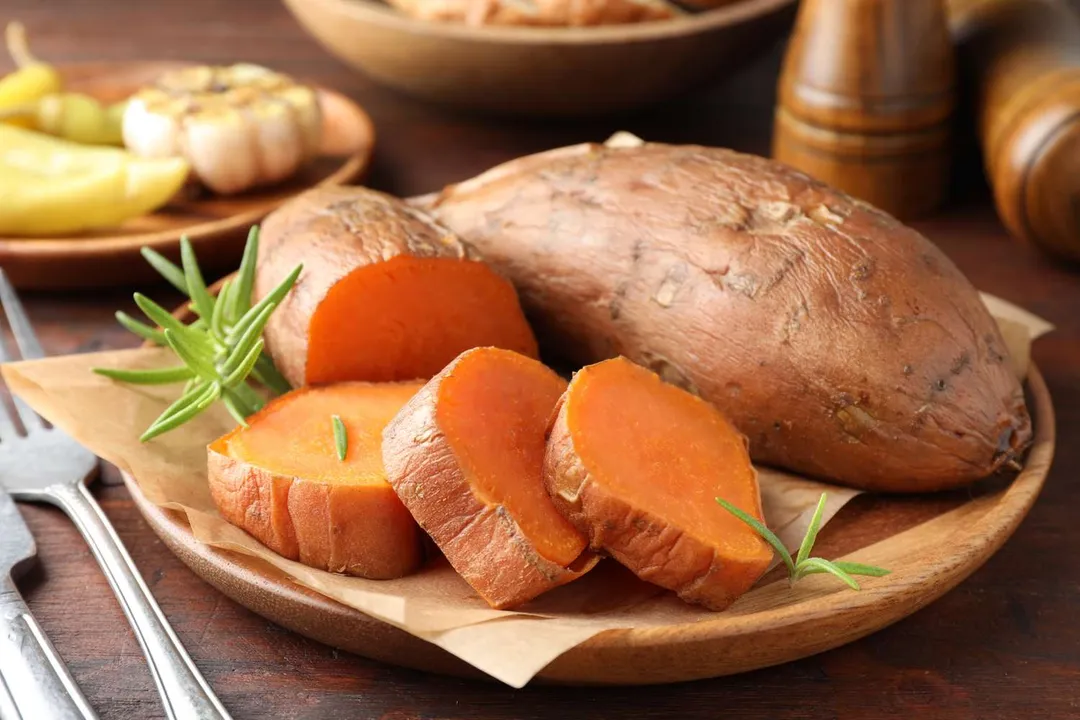
The foundational difference between these two root vegetables lies in their lineage. Sweet potatoes belong to the species Ipomoea batatas. [1][8] They are part of the morning glory family, which may surprise many people accustomed to their sweet flavor profile. [1][8] True yams, conversely, are members of the Dioscorea genus. [1][8] This means they are not closely related at all, despite their superficial similarity in shape and the fact that both grow underground. [5][10] Think of it like comparing a cat to a dog—both are mammals, but they function and behave very differently. [10]
# Grocery Confusion
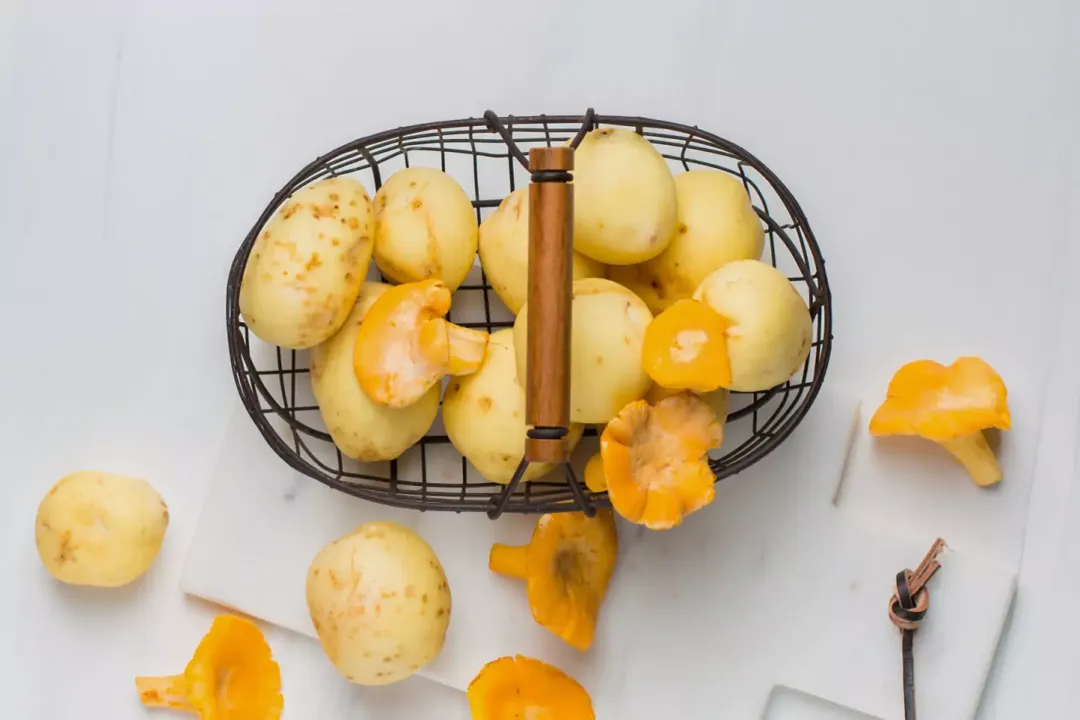
The primary source of the ongoing mix-up stems from historical labeling practices in the United States. [5] When the moist, orange-fleshed varieties of sweet potatoes were introduced to North America, they were often called "yams" because they bore some resemblance to true yams grown in Africa and Asia. [1][5] This mislabeling stuck. [1]
In the produce section today, if you see a tuber with rough, dark, almost bark-like skin and a dry, starchy interior, you are likely looking at a true yam—if you can find one at all. [2][5] The vast majority of what is stocked, especially the varieties commonly roasted or mashed for Thanksgiving, are sweet potatoes. [1][10] Sweet potatoes come in various flesh colors, including white, yellow, orange, and deep purple, which often leads to further categorization confusion, such as "Japanese sweet potato" or "jewel yam" (which is a sweet potato). [8][10] The key takeaway for the average shopper is this: unless you are shopping at a specialized international market, the item you are purchasing is probably a sweet potato, regardless of what the label says. [5]
# Nutrient Showdown
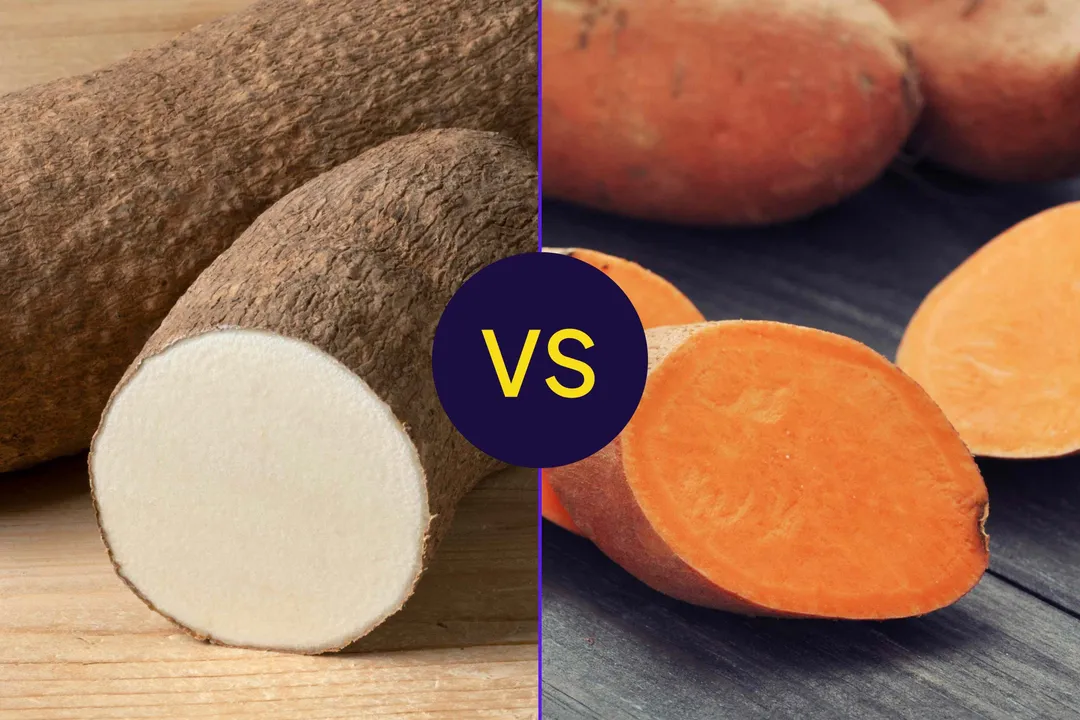
Once we establish which vegetable we are actually consuming, we can compare their specific nutritional contributions. While both are nutrient-dense root vegetables packed with fiber, vitamins, and minerals, their specific micronutrient strengths vary significantly. [9]
# Vitamin A Source
The most striking nutritional difference appears when examining Vitamin A content. Orange-fleshed sweet potatoes are an exceptional source of beta-carotene, the pigment that gives them their vibrant color and which the body converts into Vitamin A. [1][2][5] This makes them a powerhouse for eye health and immune function. [1] True yams, on the other hand, contain very little to none of this carotenoid. [2][5] If boosting your intake of this specific fat-soluble vitamin is a priority, the orange sweet potato is the clear winner. [1][2]
To put this into perspective for meal planning, a single medium orange sweet potato can often supply several hundred percent of the Recommended Daily Intake (RDI) for Vitamin A. [1] Imagine preparing a weekly meal rotation. If you rely heavily on true yams (or white sweet potatoes) for three dinners, you might miss your Vitamin A target entirely, whereas including just one orange sweet potato meal could cover your needs for the entire week, demonstrating how ingredient choice dramatically alters nutritional coverage. [4]
# Minerals and Fiber
When looking at minerals, the picture becomes more nuanced. Both tubers provide potassium, manganese, and vitamin C. [9] However, true yams often edge out sweet potatoes in certain mineral concentrations. [2] For example, some varieties of true yams contain more potassium than sweet potatoes, which is beneficial for blood pressure regulation. [2] Furthermore, yams generally possess more complex carbohydrates and a drier texture, meaning they typically carry slightly fewer calories and less sugar per serving compared to the moist, sweet varieties of Ipomoea batatas. [2]
Comparing the two based on raw data for a standard serving size often reveals:
| Nutrient Highlight (per 100g cooked) | Sweet Potato (Orange) | True Yam (Raw) | Implication |
|---|---|---|---|
| Vitamin A (RAE) | Very High | Negligible | Superior for vision/immunity [2] |
| Potassium | Good Source | Higher Concentration | Better for fluid balance [2] |
| Carbohydrates | Slightly Higher | Slightly Lower | Affects total caloric load [2] |
| Fiber | Comparable | Comparable | Both good for digestive health [9] |
Note: Nutritional values vary significantly based on specific cultivars and preparation methods.
# Vitamin C and Antioxidants
Both vegetables are good sources of Vitamin C, an important antioxidant that supports the immune system. [1][9] Sweet potatoes also provide substantial amounts of B vitamins, particularly B6. [1] While true yams also contain these beneficial compounds, the concentrated beta-carotene in the orange sweet potato often gives it an overall higher antioxidant score in general comparisons. [2]
# Glycemic Impact

The glycemic index (GI) measures how quickly a food raises blood sugar levels after consumption. [3] This is a key consideration for individuals managing diabetes or aiming for stable energy throughout the day. [3]
Generally speaking, true yams tend to have a lower GI than many common sweet potato varieties. [1][3] True yams are starchier and drier, resembling a white potato in their impact on glucose levels. [5][10] For example, one source indicates that a baked true yam might have a GI around 54, while baked orange sweet potatoes can range much higher, sometimes near 94. [1][3]
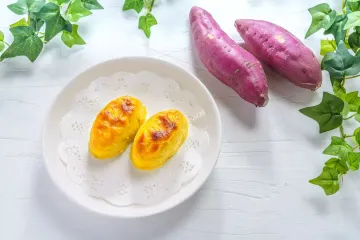
However, this is not a fixed rule. The preparation method drastically alters the GI score for both vegetables. [3] Boiling sweet potatoes, for instance, generally results in a lower GI compared to baking or microwaving them. [3] Furthermore, the specific cultivar of sweet potato matters immensely; some white-fleshed or Japanese varieties behave nutritionally closer to true yams than their orange counterparts. [8] When selecting a sweet potato, looking for firmer, less vibrantly colored flesh might indicate a slower impact on blood sugar compared to the soft, bright orange ones. [3]
# Culinary Roles and Texture
Beyond the lab, how these vegetables behave in the kitchen offers practical differentiation. Their contrasting textures dictate their best uses. [5][10]
True yams, being drier and starchier, have a texture that is more akin to a standard white potato. [5][10] They hold their shape better when boiled or roasted and are excellent for making thick, savory dishes where you don't want the ingredient to break down into a smooth puree. [10] They are better suited for frying or incorporation into stews where structural integrity is desired. [5]
Sweet potatoes, particularly the moist, orange varieties, are naturally higher in moisture and sugar. [2][10] This causes them to become soft and easily mashable when cooked, lending themselves perfectly to pies, casseroles, and naturally sweet side dishes. [10] Their high moisture content means they absorb less oil during frying than a drier tuber might, but they caramelize much more quickly due to their sugar content. [7]
If you are attempting to replace a white potato in a strictly savory, non-sweet context—like a hearty Shepherd's Pie topping—using a true yam will give you a result closer to the traditional texture than using an orange sweet potato, which might result in an overly sweet or mushy filling. [5][7]
# Fiber and Gut Health
Both vegetables are commendable sources of dietary fiber, which is essential for satiety, blood sugar control, and maintaining a healthy gut microbiome. [9] Fiber adds bulk to the diet, aiding in regular bowel movements. [9] The amount is generally comparable between standard varieties, though processing and cooking methods can influence the final count. [9] Choosing either one is a positive step for digestive wellness when replacing refined grains or processed snacks. [9]

# Sourcing and Availability Insights
One practical consideration for everyday health choices involves access. In many regions outside of tropical areas, sourcing authentic Dioscorea yams can be challenging and expensive. [4] Most consumers will interact with sweet potatoes nearly 100% of the time. [4][5] This means that for most people, the question is less about yam versus sweet potato and more about orange sweet potato versus white/purple sweet potato. [8] Understanding the subtle nutritional shifts within the sweet potato family—like the massive Vitamin A boost from the orange kind versus the different antioxidant profile of the purple kind—provides a much more actionable path for making daily dietary improvements. [1][8]
For someone focused on maximizing their vegetable intake within a budget, sweet potatoes often win on sheer accessibility and lower cost, provided they are not constantly reaching for the highest sugar varieties. [4] True yams remain an excellent, nutrient-rich occasional choice, but their scarcity in mainstream markets means they are less of a dietary staple for the average consumer in many Western countries. [4][5]
Ultimately, labeling one as universally "healthier" is impossible because the definition of "healthy" depends entirely on the individual's nutritional goals. [2] If the goal is maximum Vitamin A, the orange sweet potato wins hands-down. [1][2] If the goal is maintaining a lower GI in a mashed preparation, seeking out a true yam or a white/Japanese sweet potato is the better strategy. [3][8] Both roots offer high-quality carbohydrates, fiber, and essential minerals, making them superior choices to most processed foods. [9] The key to mastering this comparison is recognizing the label game and knowing what you are actually bringing home from the store. [5][10]
#Videos
Yams vs. Sweet Potatoes: Health Hacks- Thomas DeLauer - YouTube
Related Questions
#Citations
Sweet Potatoes vs Yams: What's the Difference? - Healthline
Sweet potato vs Yam - Health impact and Nutrition Comparison
Sweet Potato vs Yam: What Is the Difference? - Signos
Sweet potatoes compared to yams - MSU Extension
Yam vs. Sweet Potato: Which Is the Better Carb? - Health
Yams vs. Sweet Potatoes: Health Hacks- Thomas DeLauer - YouTube
An Easy Guide for Yams vs. Sweet Potatoes - The Pioneer Woman
Yams vs. Sweet Potatoes: What's the Difference? - EatingWell
Health Benefits of Sweet Potatoes, Potatoes, and Yams - Nutrisense
Yams vs. Sweet Potatoes: Which Is More Nutritious? - Verywell Health