Is whiting or tilapia healthier?
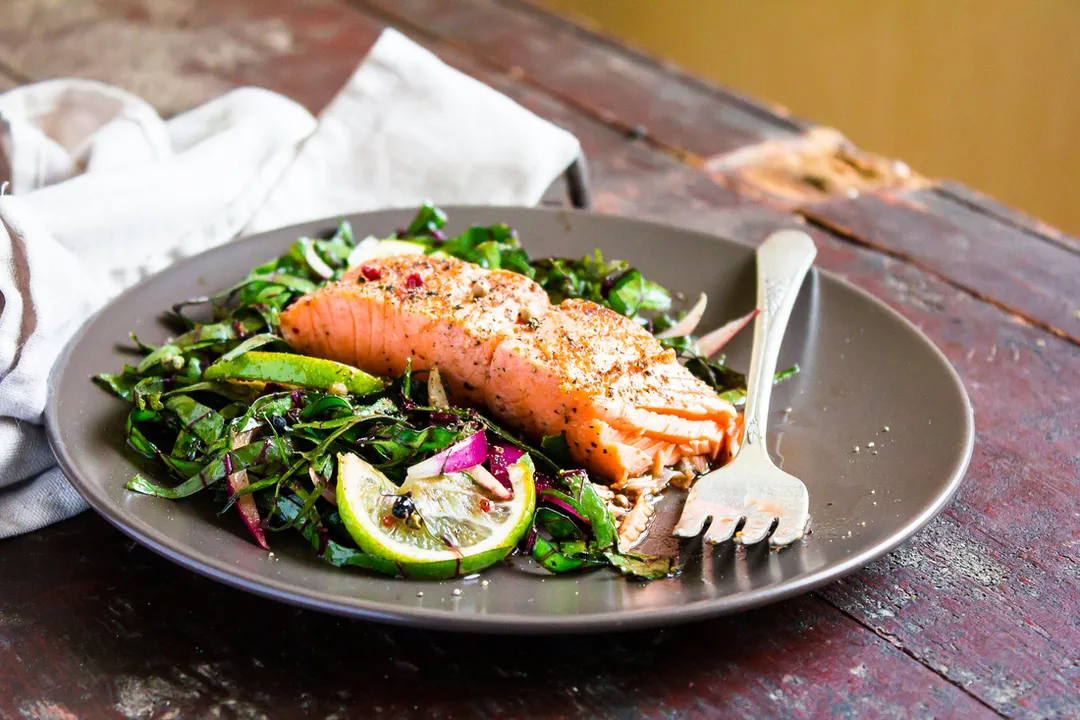
When deciding between two commonly available, budget-friendly fish like whiting and tilapia, the immediate question of which one is "healthier" often comes down to subtle nutritional differences rather than dramatic distinctions, as both generally fall into the lean protein category. Both fish offer an accessible way to increase seafood intake, which is generally recommended by health organizations for its benefits regarding heart health and overall nutrition. However, looking closely at their protein profiles, fat content, and essential fatty acid makeup reveals where one might have a slight edge over the other, depending on individual dietary goals.
# Macronutrient Comparison

Both whiting and tilapia are celebrated in many kitchens precisely because they are lean, low-calorie options. They function well for people tracking general caloric intake or those focusing heavily on protein grams without adding substantial saturated fat to their meals.
Tilapia is famous for being extremely low in fat overall, often hovering around one gram or less per three-ounce serving. This leanness contributes to its low calorie count, making it a staple in many weight management diets. Whiting, another type of whitefish, shares this low-fat characteristic. While both are similar in providing high-quality protein—essential for muscle maintenance and satiety—the precise quantities can vary slightly depending on the source and whether the fish is wild-caught or farmed.
If we were to place them side-by-side based on typical averages, you would find very little difference in the sheer amount of protein or calories. For instance, a standard serving of tilapia might offer about 20 grams of protein for roughly 110 calories. Whiting is right in that ballpark, often providing slightly more than 17 grams of protein per 3-ounce serving, also coming in under 100 calories. The crucial differentiator between these two whitefish often isn't found in the protein count, but in the quality of the fat they do contain.
# Essential Fats Profile
For many health-conscious eaters, the conversation around fish health centers almost entirely on Omega-3 fatty acids, specifically EPA (eicosapentaenoic acid) and DHA (docosahexaenoic acid). These are the fats linked strongly to brain health, reduced inflammation, and cardiovascular benefits.
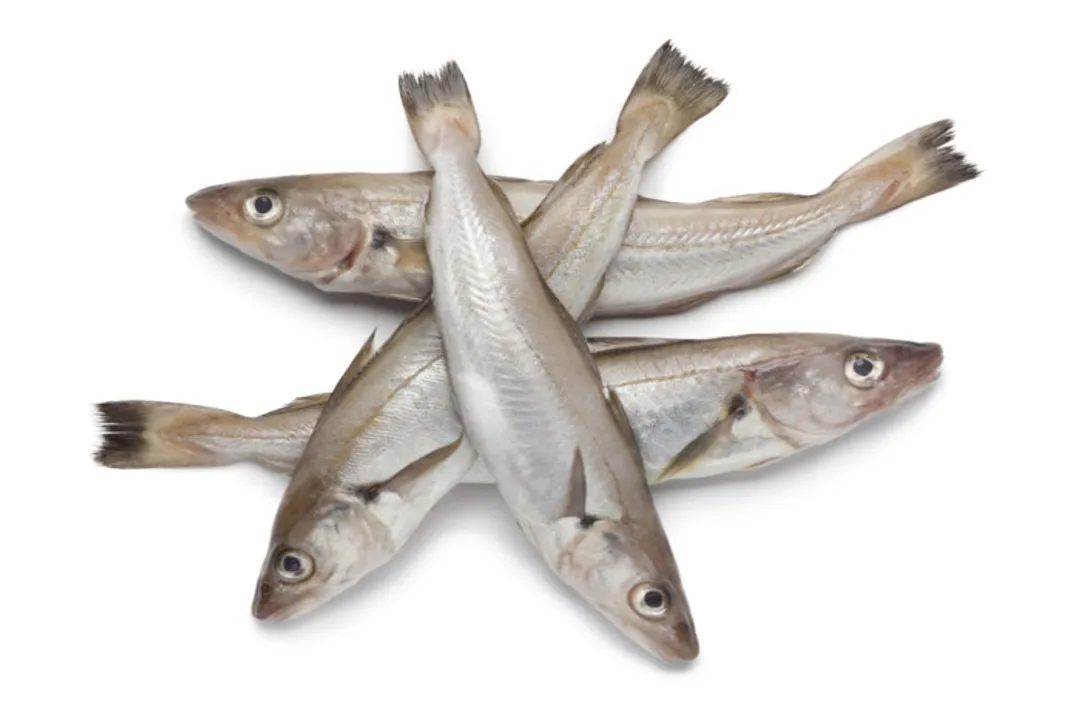
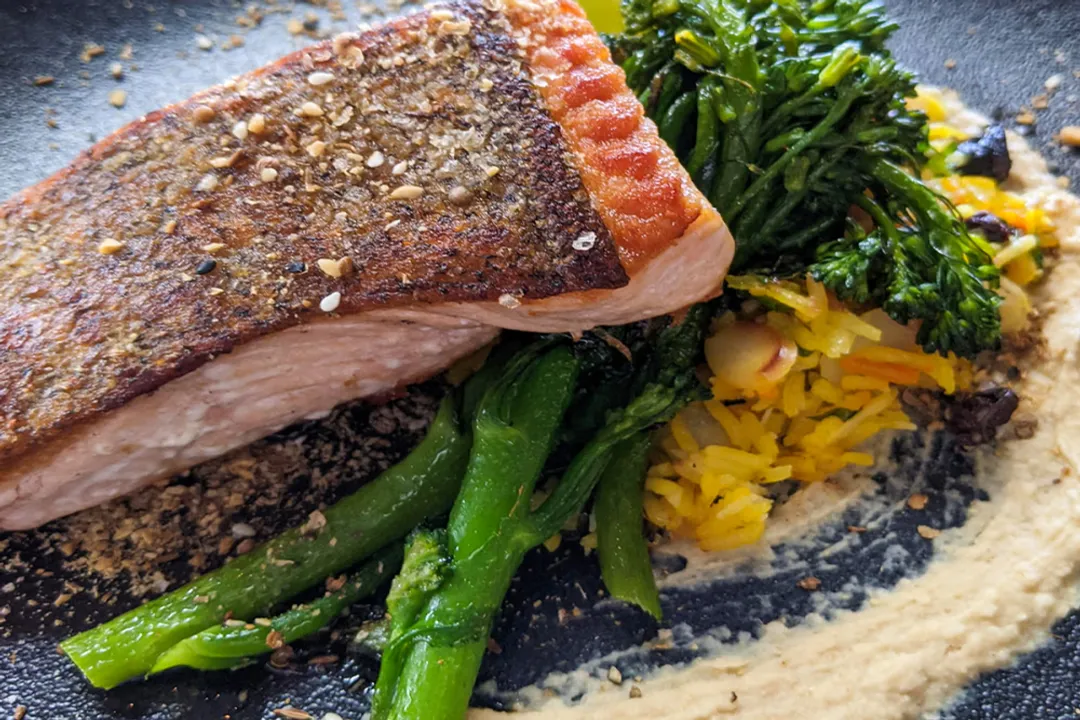
Here is where a noticeable distinction appears: most whitefish, including whiting, are naturally low in total fat, meaning their Omega-3 contribution is minimal compared to fatty fish like salmon or mackerel. Whiting, for example, provides a very small amount of Omega-3s.
Tilapia presents a more complex picture concerning fats. While it is also low in beneficial Omega-3s compared to fattier fish, it often contains a higher ratio of Omega-6 fatty acids relative to Omega-3s. In modern Western diets, people generally consume too many Omega-6s and not enough Omega-3s. An imbalance skewed heavily toward Omega-6s is associated with promoting inflammation in the body. Therefore, while tilapia provides lean protein, a regular diet relying solely on it might miss out on the anti-inflammatory benefits typically sought from eating fish, and could even contribute to an imbalance if other dietary Omega-6 sources are high.
If your primary goal in eating fish is maximizing Omega-3 intake, neither tilapia nor whiting is the top recommendation; you should look toward fattier options. However, if the goal is simply lean protein with the least amount of Omega-6 intake, the subtle nutritional profile of whiting might be marginally preferable since tilapia frequently has a higher Omega-6 content.

# Micronutrients and Minerals
Beyond the basic macros, vitamins and minerals contribute significantly to the health rating of any food. Both fish species supply several important micronutrients, though the specific concentrations can vary.
Whiting is often noted for its high content of certain B vitamins, which are necessary for energy metabolism. It also contains good amounts of phosphorus, which works alongside calcium for bone health, and is a source of selenium, an important antioxidant mineral.
Tilapia also delivers on vitamins and minerals, often providing good amounts of selenium and phosphorus. It’s also a source of niacin (Vitamin B3), which supports digestive health and nerve function.
When we consider the mineral contribution, the differences are often too small or too dependent on preparation method to declare an absolute winner. For example, preparing either fish baked or steamed, rather than deep-fried, preserves the mineral content better.
To put this into perspective for meal planning, if you eat three ounces of either fish three times a week, you are consistently hitting a solid baseline for protein, selenium, and phosphorus. The subtle differences in Vitamin B profiles between the two are unlikely to dramatically shift your overall nutritional status unless you are deficient in one specific vitamin that one fish happens to supply slightly more of.
# Sensory Experience and Cooking Versatility

While not strictly a measure of health, the taste and texture heavily influence whether you will actually eat the fish regularly, which is perhaps the most important factor for long-term healthy eating habits.
Whiting is frequently described as having a very delicate, sweet flavor profile. It has a fine flake and a very soft texture, which some people find appealing, while others might perceive it as too easily falling apart. Because of its delicate nature, it pairs well with lighter preparations like steaming, poaching, or light sautéing, allowing its subtle flavor to shine.
Tilapia, on the other hand, is known for being exceptionally mild—some might say nearly flavorless. This blank-slate characteristic is a huge advantage for many home cooks, as tilapia readily absorbs marinades, spices, and sauces. Its texture is firmer than whiting's, meaning it handles grilling, baking, and pan-frying very well without disintegrating. If you dislike the "fishy" taste common in some seafood, tilapia is often the safer, more approachable choice.
If you are trying to introduce more fish into your diet but are sensitive to strong flavors, the mildness of tilapia makes it an easier entry point. Conversely, if you prefer a subtle, naturally sweet flavor, whiting might be the more rewarding experience.

# Sourcing and Environmental Context
Another dimension of "healthier" involves how the fish reaches your plate, which touches upon sustainability and potential contaminants.
Tilapia is one of the most widely farmed fish globally. While farming allows for a stable, often lower-cost supply year-round, the health perception of farmed fish can sometimes be scrutinized, depending on the feed used and the farming environment. For consumers prioritizing a wild-caught source, this is an immediate point of difference, as whiting is often sourced from wild fisheries.
From an environmental standpoint, if you are concerned about sustainability, research into the specific origin—whether it's farmed tilapia or wild-caught whiting—is necessary, as "sustainability" varies widely by region and farming practice. Generally, many nutrition experts recommend choosing fish lower on the food chain, and both whiting and tilapia fit that category well, avoiding the high mercury concerns associated with larger predator fish.
If you are cooking for a family trying to maintain a consistent, low-cost menu, tilapia’s farmed consistency often makes it more reliable in terms of price and availability than whiting, which can fluctuate based on wild catch seasons.
# Making the Final Choice
Ultimately, choosing between whiting and tilapia depends less on a decisive "healthiest" label and more on aligning the fish with your specific nutritional priorities and culinary preferences.
If your main goal is to consume the absolute leanest protein possible with the least amount of Omega-6 fat, you might lean toward whiting, provided you are mindful of its very low Omega-3 contribution. If you need a versatile fish that stands up to stronger seasoning and a firmer cooking method, tilapia is often superior.
A good strategy for the average consumer aiming for broad health benefits is to view both as excellent lean protein builders, but not as the primary source of Omega-3s. When stocking your freezer, consider rotating these choices with fattier fish—perhaps salmon or sardines—to ensure you are hitting the recommended weekly intake of beneficial EPA and DHA. If you find tilapia's Omega-6 profile a concern, a simple calculation can help: for every serving of tilapia, try pairing it with a meal rich in flaxseeds, walnuts, or other Omega-3 sources that day to help balance your intake.
The health comparison boils down to this: both are healthy as fish when prepared well (baked or grilled), but tilapia carries a slightly higher risk of an imbalanced Omega-6 profile, while whiting simply offers less of the beneficial Omega-3s found in fatty fish. For simple, clean eating, either one serves the purpose of providing high-quality, low-calorie nutrients.
Related Questions
#Citations
Which fish is better, tilapia or whiting? - Facebook
Whitefish vs. Tilapia — In-Depth Nutrition Comparison
Unveiling The Secrets Of Whiting Vs Tilapia: Discoveries And Insights
Tilapia and other not super expensive fish? : r/EatCheapAndHealthy
Best and Worst Fish for Your Health - WebMD
What is the healthiest and tastiest type of white fish? - Quora
A Guide to Lean Fish vs Fatty Fish - Bulk Nutrients
Fish to Eat for Health: Dietitian Advice - UnityPoint Health
9 Amazing Health Benefits of Whiting Fish | Organic Facts