What is the difference between coffee and filter coffee?

The vast world of coffee often leads to confusion, especially when terms like "normal coffee," "ground coffee," and "filter coffee" are used interchangeably or without clear definition. While all of these typically begin with roasted beans, the final cup you drink is dramatically shaped by the preparation process. Understanding this process is key to appreciating the nuances in taste, texture, and even chemical composition between your morning cup and other coffee styles. [7][9]
# Defining Filter Coffee
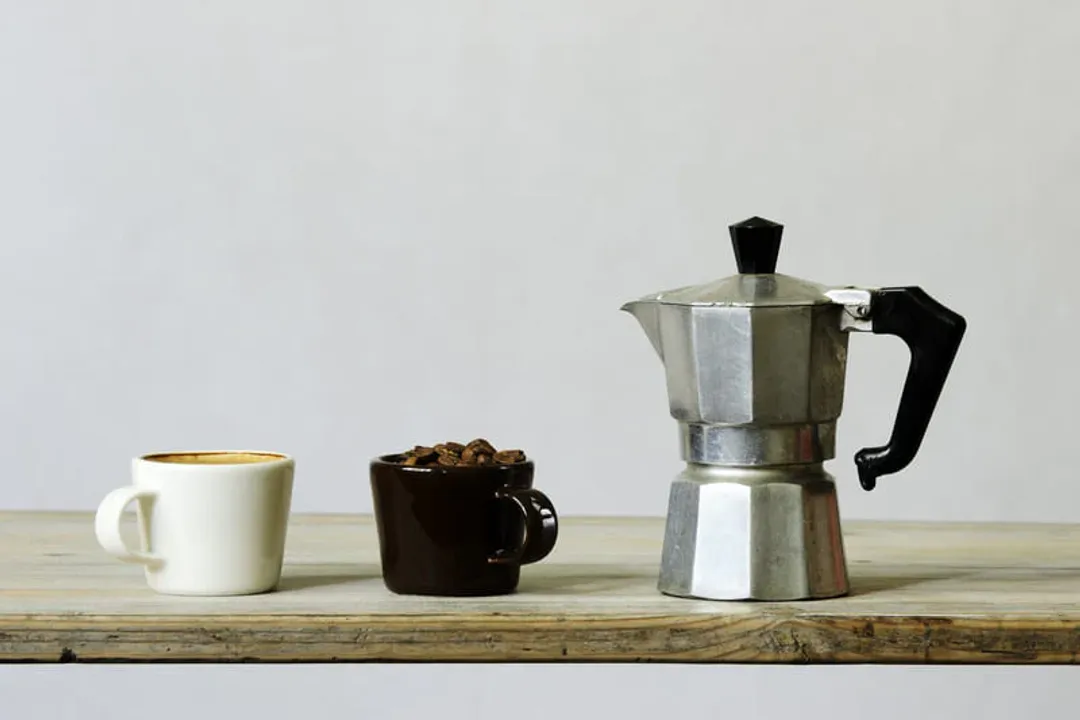
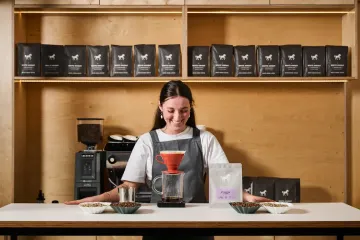
At its most basic, filter coffee refers to any brew where hot water passes through a bed of ground coffee held within a porous barrier, usually paper, cloth, or metal mesh. [6] The defining characteristic is this filtration stage, which relies primarily on gravity to draw the water through the grounds. [7][9] This method encompasses many familiar preparations, such as the automatic drip machine you might use at home or the deliberate, slow pour-over technique used by many specialty shops. [6] The filter’s purpose is twofold: it physically separates the spent grounds from the brewed liquid, and, particularly with paper filters, it catches oils and fine sediment. [1]
# Espresso Contrast
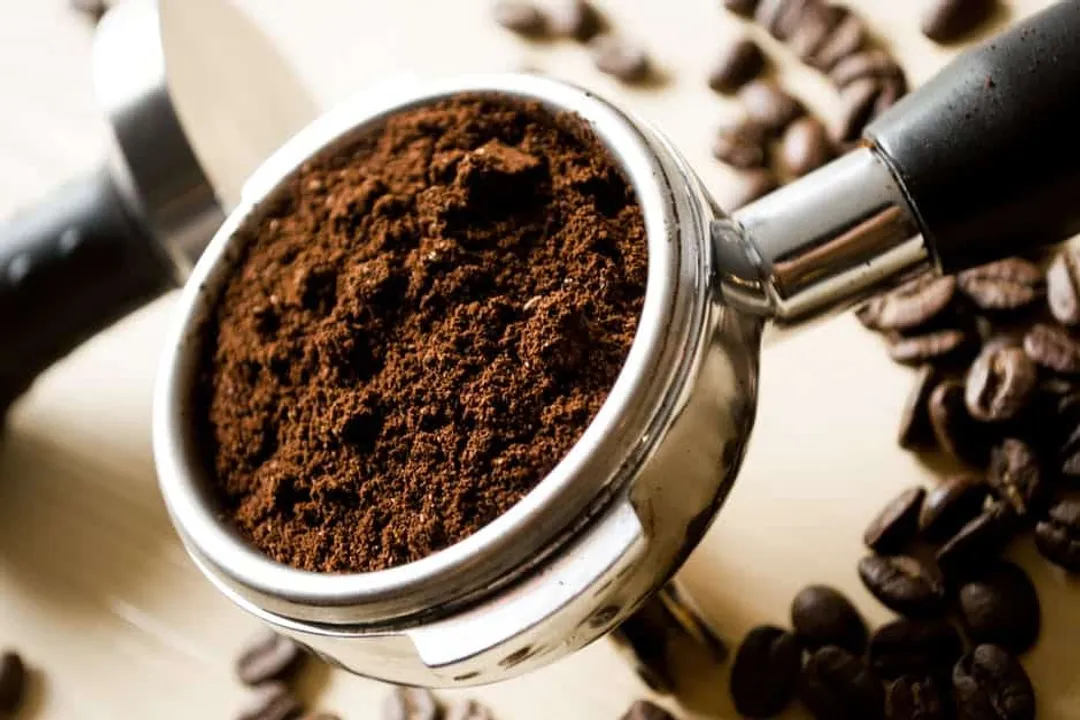
When people seek to differentiate "filter coffee" from general "coffee," they are often contrasting it with espresso. [9] Espresso is fundamentally different because it is a method of pressure extraction, not gravity drip. [5][9] In an espresso machine, near-boiling water is forced through a tightly packed "puck" of very finely ground coffee at high pressure—around nine bars, which is many times atmospheric pressure. [5]
This high-pressure, short-contact time extraction results in a highly concentrated beverage, typically served in small volumes like a single or double shot. [5] Where filter coffee aims for clarity and allows subtle flavor notes to shine through due to a longer contact time, espresso produces a thicker, more viscous body, topped with crema—a reddish-brown emulsion of oils and air created by the pressure. [5][9] A typical espresso extraction takes about twenty-five to thirty seconds, a stark contrast to the multi-minute brewing cycle of many filter methods. [5] If you compare the resulting liquid's strength, espresso is far more concentrated than standard filter coffee. [9]

# Instant Comparison
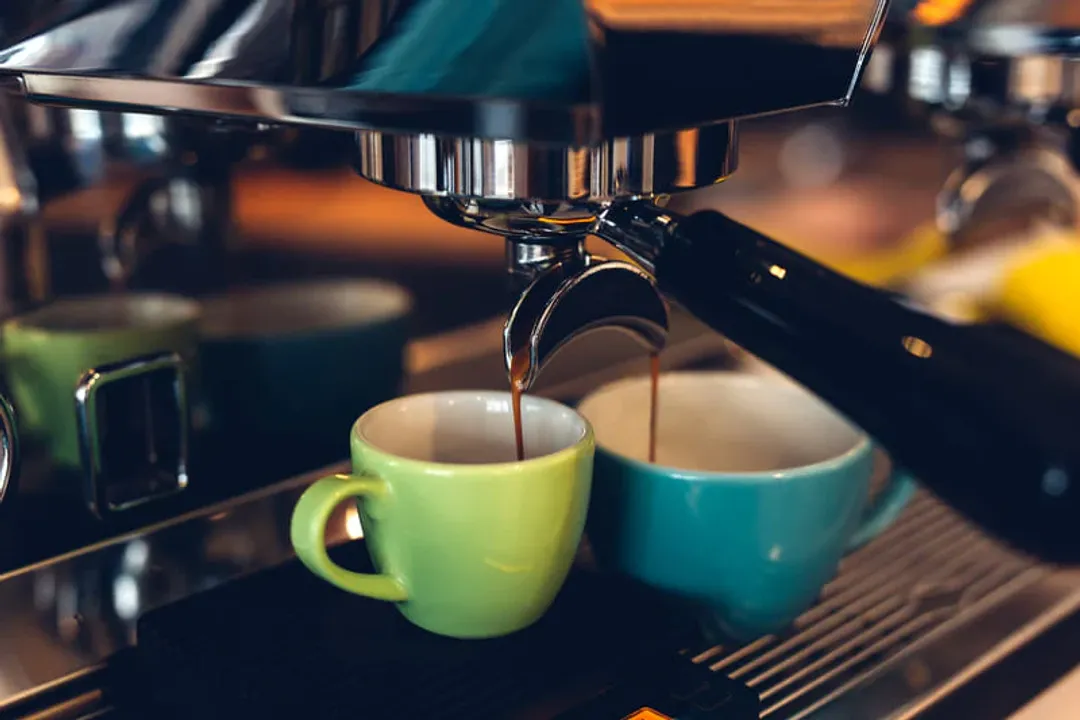
Another common point of comparison is instant coffee. [2] This product is created by fully brewing coffee, often on a large industrial scale, and then removing the water through dehydration processes like spray-drying or freeze-drying. [2] When you make instant coffee, you are simply reconstituting the dehydrated product with hot water. [2]
The primary difference here centers on freshness and nuance. Filter coffee, prepared from freshly ground beans, captures volatile aromatics and the true character of the roast profile as the extraction happens live. [2] Instant coffee, while incredibly convenient, sacrifices much of that delicate flavor complexity due to the intense processing it undergoes. [2] For someone prioritizing speed and simplicity, instant wins, but for those seeking the fullest flavor expression from the bean, fresh grinding and filtering are superior. [2]
# Grind Size Significance
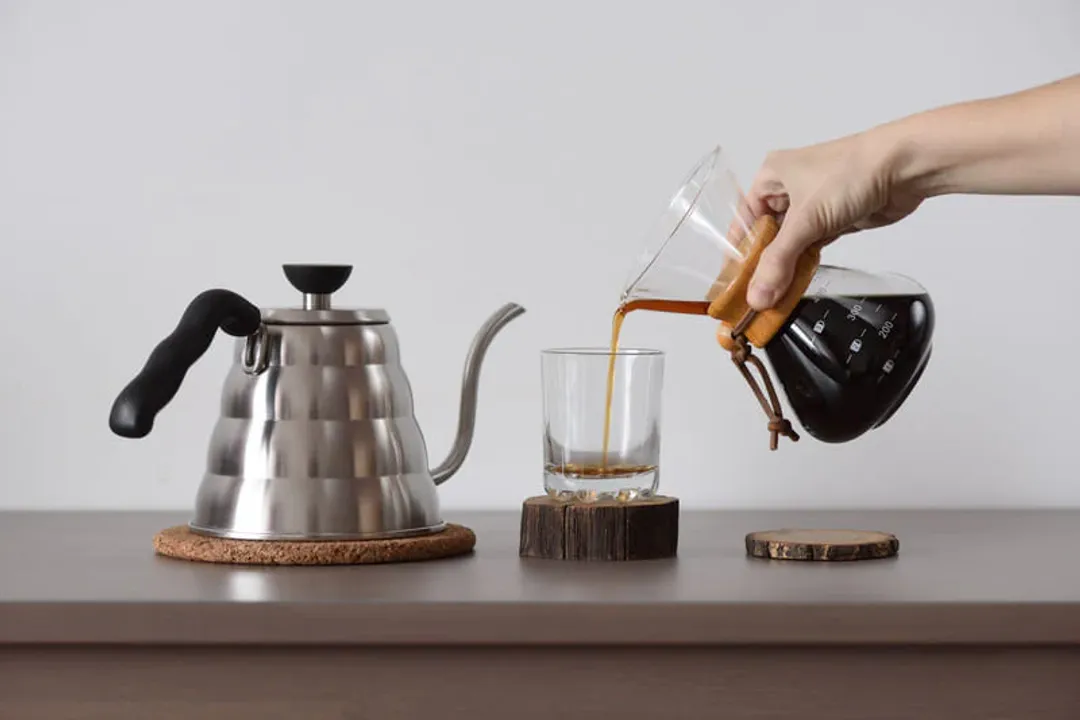
The choice of brewing method dictates the necessary grind size, which is a critical variable influencing extraction and taste. [7] For a standard filter coffee setup, whether a flat-bottom brewer or a conical pour-over, the required grind is generally classified as medium. [7] This consistency allows water to flow through at the correct pace—not too quickly (which under-extracts and tastes sour) and not too slowly (which over-extracts and tastes bitter). [7]
In direct comparison, espresso demands a much finer grind to create the necessary resistance against the high water pressure, ensuring the brew doesn't finish in under fifteen seconds. [5] Conversely, immersion methods like the French press use a coarser grind because the grounds steep directly in the water for several minutes before being separated by a mesh filter. If you use an espresso grind in your drip machine, the water will essentially stall, resulting in a bitter, silty mess. [7]
| Preparation Style | Extraction Force | Typical Grind | Body/Texture |
|---|---|---|---|
| Filter Coffee | Gravity Drip | Medium | Light to Medium, Clean |
| Espresso | High Pressure | Very Fine | Heavy, Thick, Crema |
| French Press | Immersion | Coarse | Full, Oily, Sediment Present |
| Instant Coffee | Dissolution | N/A (Powder/Granule) | Varies, often Thin |
| [1][2][5][7] |
# Health Considerations
A fascinating difference emerges when looking at the oils present in the final cup, which has implications for cholesterol levels depending on your brewing apparatus. [1] Coffee beans naturally contain compounds called diterpenes, specifically cafestol and kahweol. [1] These substances are known to potentially elevate levels of LDL cholesterol when consumed regularly in high amounts. [1]
The way filter coffee is prepared offers a protective element against these compounds. When using a paper filter, these diterpenes are effectively trapped by the paper fibers, meaning they do not pass into your mug. [1] This is one significant chemical distinction between a paper-filtered cup and an unfiltered one, such as a French press or Turkish coffee, where the oils and fine particles remain in suspension. [1] It suggests that if managing cholesterol is a concern, choosing a paper-filtered brew is a sensible, albeit minor, modification to one's daily ritual. [1]
# Flavor Perception and Clarity
The mechanics of extraction directly translate into how the coffee tastes. Filter coffee prioritizes clarity and the expression of the bean's origin characteristics. [7] Because the water flow is relatively gentle and the filter removes most suspended solids and oils, the resulting cup is often described as clean, bright, and capable of showcasing delicate floral or fruity notes inherent in lighter roasts. [7] You taste the terroir, almost as if you were tasting a light wine. [9]
Espresso, due to its concentration and the emulsified oils from the crema, delivers an intense, bold flavor profile where the roast character often dominates. [5] The high concentration means that the flavors are delivered with more force. A common amateur mistake is assuming that a darker roast equals a stronger cup; however, a very light roast prepared as a filter coffee can have incredible flavor intensity, just delivered in a lighter body. [9]

# Analyzing the Term "Normal Coffee"
When looking at the language surrounding these preparations, "normal coffee" can sometimes be a shorthand for the most common preparation method in a given region, which historically has been automatic drip or filter coffee in many Western cultures. [6] However, in places where espresso is the dominant cafe culture, "normal coffee" might imply a standard Americano (espresso diluted with water). [5] This ambiguity highlights why specific terminology is important. If someone asks for "coffee" at a modern cafe, they are often, by default, expecting a filter brew if they don't specify espresso-based drinks, yet they might receive an espresso-based drink if the establishment specializes in that format. [9]
This regional dependence on what constitutes "normal" is fascinating; in many parts of Europe, the expectation is a concentrated espresso or a strong stovetop preparation, whereas in North America, the large, steady volume of a drip machine has long set the standard for the everyday cup. [9] If you are traveling and want a straightforward, unadulterated taste of the bean, specifically requesting "pour-over" or "drip coffee" is often the clearest way to bypass the pressure-based drinks entirely. [6]
# Practical Application for the Home Brewer
For those looking to replicate the best filter coffee experience at home, focusing on consistency is paramount. While the equipment can range from a simple Melitta cone to a sophisticated automatic brewer, the relationship between water temperature, contact time, and grind remains fixed. [6] A good rule of thumb for pour-over is to aim for a total brew time between three and four minutes, depending on the volume, and to use water just off the boil, typically around 200 degrees Fahrenheit. [6] If your coffee tastes weak and sour, your grind is likely too coarse or your water flow too fast; if it tastes harsh and dry, the grind is too fine and is clogging the filter bed. [7] Mastering this gentle balance is what separates an adequate cup from an exceptional one, focusing entirely on the slow, deliberate magic of gravity doing the work. [7]
Related Questions
#Citations
What is the difference between normal coffee & filter coffee and ...
Instant Coffee vs. Filter Coffee: Differences, Pros and Cons
What's the difference between Espresso & Filter Coffee? - YouTube
Ground v filter coffee - Reddit
Difference Between Espresso and Filter Coffee | Hermanos
Filter Coffee: Everything You Need To Know
I'm perplexed on coffee types. What is filter ground coffee?
Filter Coffee or Espresso Coffee? What's the Difference?
Espresso vs. Filter Coffee Beans | Blog — Mahlkönig USA - Mahlkonig