Which is better, coffee or filter coffee?
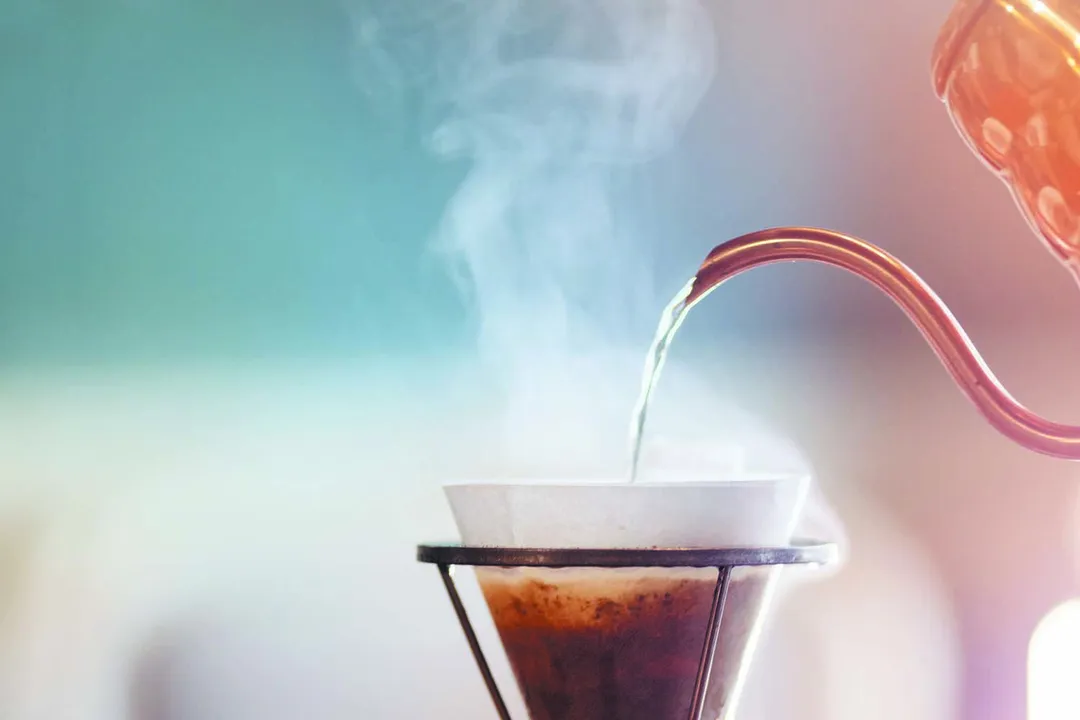
The world of coffee brewing presents a fascinating spectrum of choices, ranging from the deeply familiar ritual of pour-over to the instant gratification of a freeze-dried powder. When seeking the "better" option, the answer rarely lies in a simple declaration; instead, it depends entirely on what metric you prioritize: health, convenience, or flavor nuance. [1][6] The key differentiator in many modern health discussions hinges on the method of separation—specifically, whether the brew uses a filter, and what that filter is made of. [3][5]
# Brewing Methods
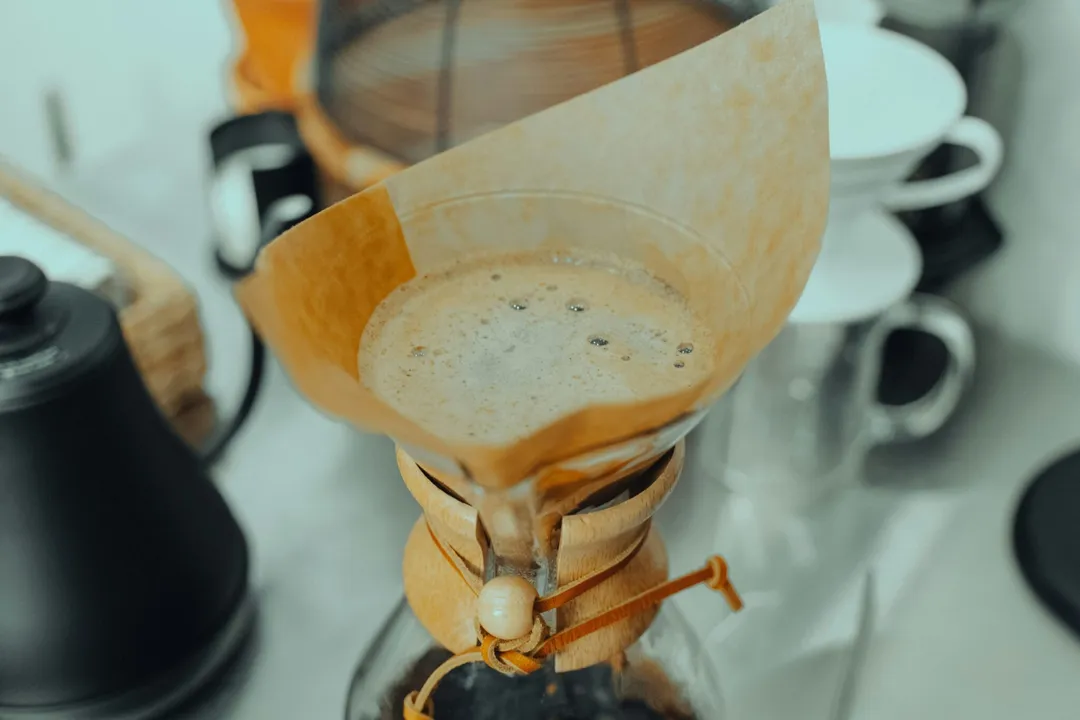
To understand the comparison, one must first define the contenders. Filter coffee, often synonymous with drip brewing or manual pour-over methods, typically involves hot water passing through coffee grounds held in a porous medium, usually paper, before landing in the cup. [3][5] This process allows the liquid coffee to separate from the oils and fine particles of the grounds. [5]
In contrast, "normal coffee" can be a blanket term, but in direct opposition to filter coffee in health and preparation discussions, it usually refers to methods that do not use a paper filter, such as French press or espresso. [2][6] French press steeps the grounds directly in water and uses a metal mesh to separate them, allowing more sediment and oils through. [3] Espresso uses high pressure to force water through finely ground, compacted coffee, resulting in a highly concentrated shot. [6][7] Instant coffee stands apart entirely; it is brewed coffee that has been dehydrated (usually freeze-dried or spray-dried) for later reconstitution with hot water. [1][8]
# Health Implications
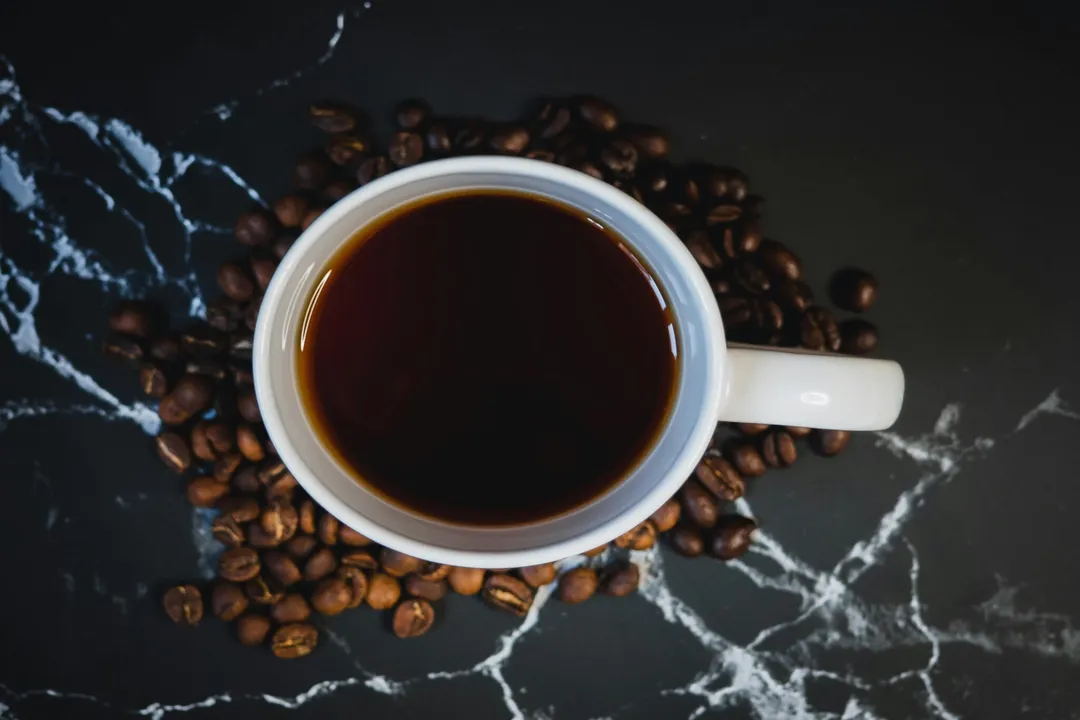
The health consideration between different types of coffee often boils down to diterpenes, chemical compounds found in coffee beans that can influence cholesterol levels. [5][6] These compounds, primarily cafestol and kahweol, are naturally present in coffee oils. [5]
Unfiltered brewing methods allow these diterpenes to pass directly into the final beverage. [3][6] For example, methods like the French press or Turkish coffee, which lack paper barriers, contain significantly higher levels of these compounds. [2][5] Consuming large amounts of diterpene-rich coffee over time has been associated with increases in LDL (bad) cholesterol. [3][5]
This is where the defining advantage of standard filter coffee emerges. When paper filters are used, they effectively trap the majority of these diterpenes, resulting in a cup that is considerably lower in cafestol and kahweol. [3][5][9] Harvard Health suggests that using a paper filter is one of the healthiest ways to brew coffee precisely because it minimizes the intake of these lipids. [3] Therefore, if cardiovascular health and lipid management are the primary concerns, filter coffee made with paper filters clearly presents a favorable profile compared to unfiltered methods like the French press or even some pressurized methods like espresso, which, depending on the specific machine and technique, can still pass measurable amounts through. [2][6]
However, the health debate isn't strictly in filter coffee’s favor against all alternatives. Instant coffee is often manufactured from robusta beans or lower-quality arabica blends, and while it is generally low in diterpenes because of its processing, it may lack the high concentration of beneficial antioxidants found in freshly brewed filter coffee. [1][8] Furthermore, some discussions online suggest that the high-pressure extraction of espresso might strip beneficial components differently than a slow drip, though the primary health concern remains the diterpenes that paper filters exclude. [7]
# Instant Versus Brewed
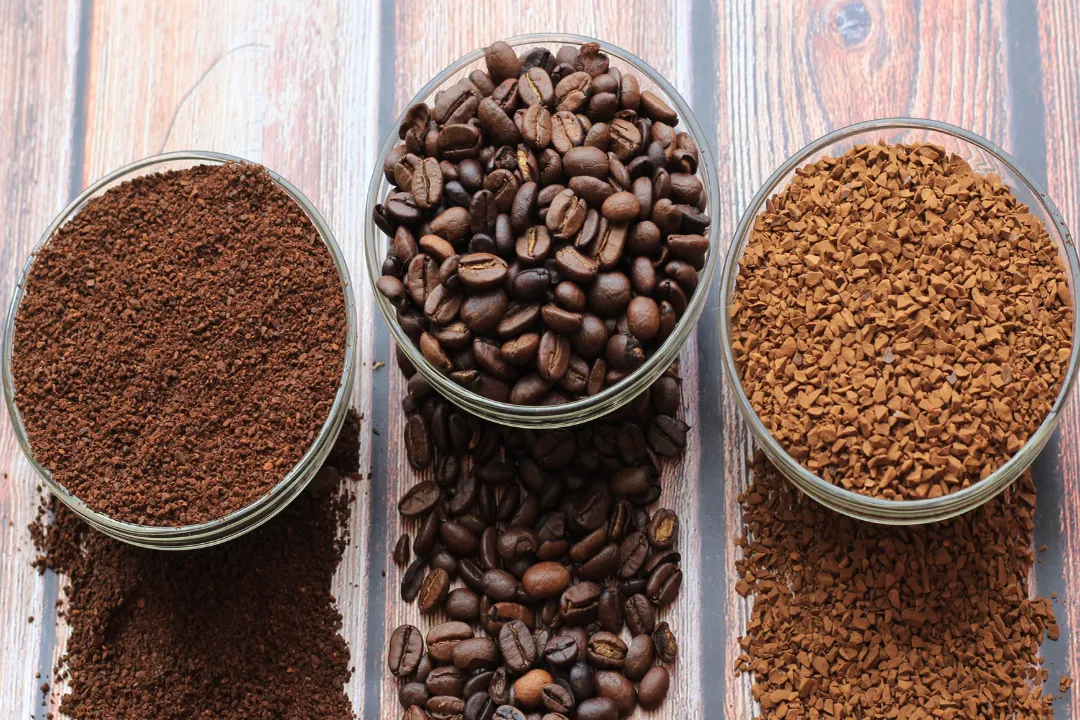
The comparison between instant coffee and filter coffee pits speed against quality and potentially health. [1][8] Instant coffee wins on sheer convenience; you need only hot water and a spoon, making it ideal for camping, offices, or very early mornings when grinding beans seems like too much effort. [1]
The trade-off is taste and perceived quality. Filter coffee, made from fresh grounds and brewed properly, generally offers a superior aromatic profile and richer flavor complexity. [8] Instant coffee is essentially a pre-brewed, dehydrated product, meaning much of the volatile aromatic compounds that make coffee enjoyable are lost during the initial aggressive brewing and subsequent drying process. [1] While modern instant coffees have improved, they often cannot replicate the depth of flavor achieved by a careful pour-over or drip machine extraction. [8]
From a practical standpoint, if you are prioritizing time savings above all else, instant coffee is the clear winner. But if the goal is to savor a high-quality cup with better associated health metrics (due to lower diterpenes), filter coffee takes the lead over instant coffee, which is often made from lower-grade beans to begin with. [1][8]
# Espresso Showdown
Switching gears to espresso, we compare two methods that both involve fresh grounds and superior flavor profiles compared to instant coffee. Espresso is characterized by high pressure and a short contact time, yielding a dense, small-volume drink often topped with crema. [6][7] Filter coffee relies on gravity or a gentle pull through the grounds. [7]
The key difference here is the barrier. Espresso machines rely on intense pressure to force water through a tightly packed "puck" of coffee. [6] While some espresso brewing might result in slightly higher diterpene content than a paper-filtered drip, the volume consumed is usually much smaller—a single shot is around 1 to 2 ounces, compared to a typical 8- to 12-ounce cup of filter coffee. [6][7] This difference in serving size naturally moderates the total diterpene intake from a single espresso serving. [6]
Flavor-wise, espresso is characterized by intensity, body, and a focus on the concentrated essence of the bean, whereas filter coffee tends to be cleaner, lighter in body, and better at expressing the subtle, delicate tasting notes of the bean, which is why connoisseurs often prefer paper filtering for delicate single-origin light roasts. [7] For those who enjoy milk-based drinks like lattes, espresso is the required base, a category filter coffee cannot service directly. [7]
When weighing espresso against filter coffee, the choice often returns to mouthfeel and ritual. Espresso is quick, intense, and ritualistic in its preparation on the machine. Filter coffee requires a slower, more deliberate pouring process, but yields a larger, more refreshing volume with a cleaner finish, thanks to the paper medium. [7]
# Taste and Body Profiles
The experience of drinking coffee is deeply personal, and this is perhaps where the concept of "better" becomes most subjective. The filter is not just a health tool; it’s a flavor tool. [5]
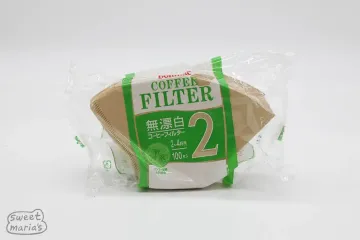
Paper filters absorb more of the coffee’s natural oils and micro-fines. This absorption leads to a cleaner, brighter cup with a lighter body. [5][7] If you appreciate the subtle acidity, floral notes, or specific terroir of a high-quality, lightly roasted coffee bean, the paper filter ensures that these delicate flavors are not masked by heavy oils or silty sediment. [9]
Methods without paper filters—like the metal filter in a French press or the pressurized spray in an espresso machine—allow these oils into the final brew. This results in a heavier mouthfeel, more texture, and richer perceived body. [6] Some people equate this texture with better flavor, feeling that the oils carry more of the actual coffee taste, even if it means a slightly cloudier appearance. [2]
It is interesting to consider how the choice of filter material affects the final brew even within the "filter coffee" category. While paper is the standard for cleanliness, some specialty users employ reusable metal or cloth filters, which offer a middle ground—retaining more body than paper but catching more sediment than a French press. [3] The specific metal filter used in a high-end pour-over setup, for instance, is designed to maximize clarity while still using the principle of gravity filtration, unlike the French press where agitation and immersion play a larger role. [4]
To illustrate this contrast without prescribing a method, consider two identical beans:
| Characteristic | Paper Filter Coffee | Unfiltered (e.g., Metal Mesh) |
|---|---|---|
| Body/Mouthfeel | Light, smooth | Heavier, more viscous |
| Clarity of Flavor | High separation of notes | Flavors blended, masked by oils |
| Diterpenes (Health Risk) | Low | High |
| Sediment | Minimal to none | Fine particles present |
This table highlights that the mechanism of filtration directly dictates the tactile and chemical makeup of the cup. [5][9]
# Practical Application and Ritual Value
When deciding between these options, a small analysis of the daily routine can be instructive. If your morning requires getting out the door in under five minutes, the efficiency score heavily favors instant coffee or a pre-programmed automatic drip machine (a form of filter coffee). [1]
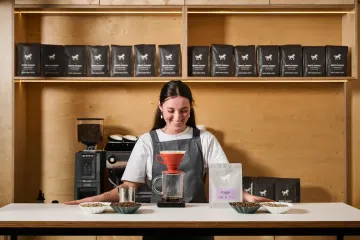
However, if you view the preparation as part of your morning decompression—a sensory ritual—then the manual process of measuring grounds, heating water to the precise temperature, and slowly pouring in concentric circles for a pour-over filter coffee offers significant intrinsic value that neither instant nor a push-button espresso machine can match. [8]
For the health-conscious, the actionable takeaway is simple: If you drink multiple cups daily and are concerned about cholesterol, paper is your friend. If you only have one cup in the morning and prefer a bold texture, you might tolerate the oils from an unfiltered method, but you should be mindful of consumption volume. [3][5]
An interesting practical consideration many home brewers overlook is the grind consistency for espresso versus filter. Espresso demands an extremely fine, uniform grind because the high pressure needs high resistance to extract properly in a short time. [6] Filter coffee, especially drip, requires a medium grind; if it's too fine, the water flow slows to a crawl, over-extracting the coffee and leading to bitterness, while simultaneously increasing the potential for fines to pass through the filter paper, muddying the taste. [7] Using the wrong grind for the chosen method is a common failure point that ruins the intended flavor profile, regardless of whether it's filtered or not.
Another subtle point often discussed in enthusiast circles is the impact of the brewing vessel itself. While the sources focus on the filter material, the way that filter is held matters. A flat-bottom paper filter setup (like a V60 or Chemex) allows for a more even saturation than a cone-shaped basket, leading to a more consistent extraction across all grounds—a benefit inherent to controlled gravity filtration that contributes to the clean taste profile. [7]
# Final Assessment
Choosing which coffee is "better" requires mapping your priorities onto the available methods.
For Health and Clarity: Paper filter coffee is the safest bet due to its proven ability to remove cholesterol-raising diterpenes. [3][5][9] It delivers a clean, defined flavor profile. [7]
For Speed and Convenience: Instant coffee reigns supreme, though flavor is heavily compromised. [1]
For Intensity and Texture: Espresso provides a concentrated flavor bomb with a unique mouthfeel, albeit with potentially higher oil content than paper-filtered drip. [6][7]
Ultimately, the general consensus across multiple sources points toward well-prepared filter coffee, particularly when using paper, as the benchmark for a balanced experience that honors both the bean's flavor potential and favorable long-term health markers. [3][5][9]
Related Questions
#Citations
Instant Coffee vs. Filter Coffee: Differences, Pros and Cons
What is the difference between normal coffee & filter coffee and ...
What's the healthiest way to brew coffee? - Harvard Health
do you think paper filtering coffee removes nice tasting coffee oils?
Better Health with Filtered Coffee, Here's Why! - CAFEC by AWCLUB
Espresso or filter coffee - which is healthier? – Wildkaffee GmbH
Filter coffee or Espresso: What's better and why? - Trelish
Why Filter Coffee is Better than Instant Coffee
How Your Coffee Is Brewed Matters a Lot, and Filtered Coffee Is Best