Is Osetra or Kaluga better?
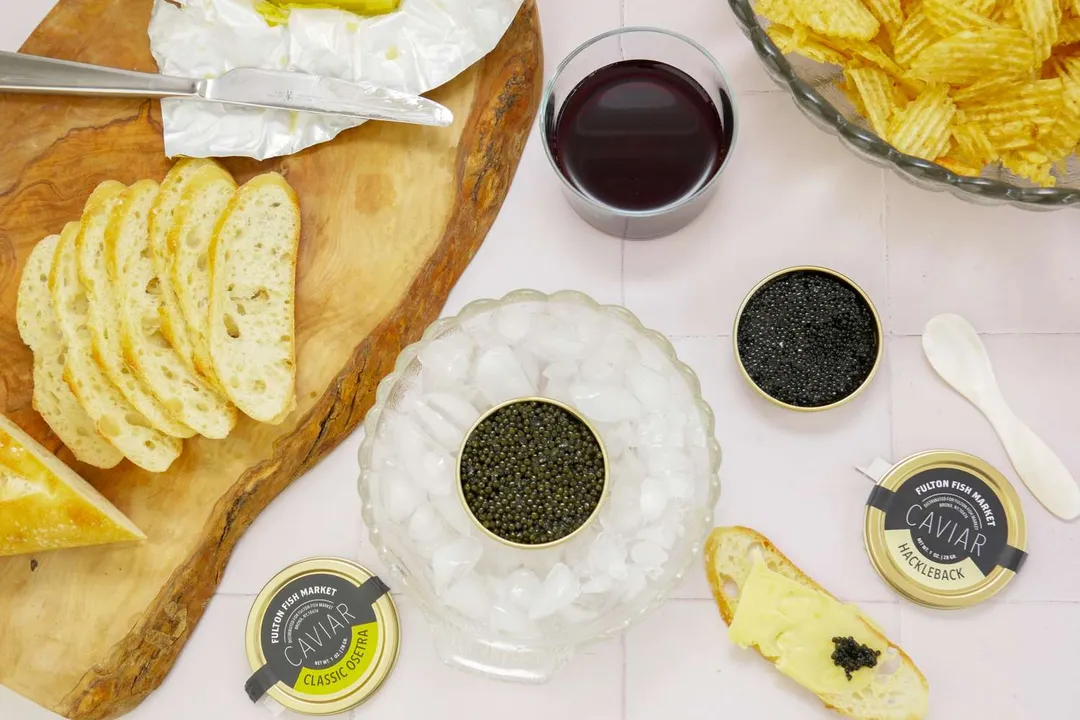
The decision between Osetra and Kaluga caviar often comes down to personal taste, texture preference, and what experience one is seeking from this luxury food item. Both varieties represent the pinnacle of sturgeon roe, yet they offer distinctly different sensory profiles derived from their respective origins and the sturgeon species they come from. [5] Understanding the nuances between these two highly regarded caviars moves the conversation past a simple binary choice and into the realm of educated appreciation. [4]
# Osetra Characteristics
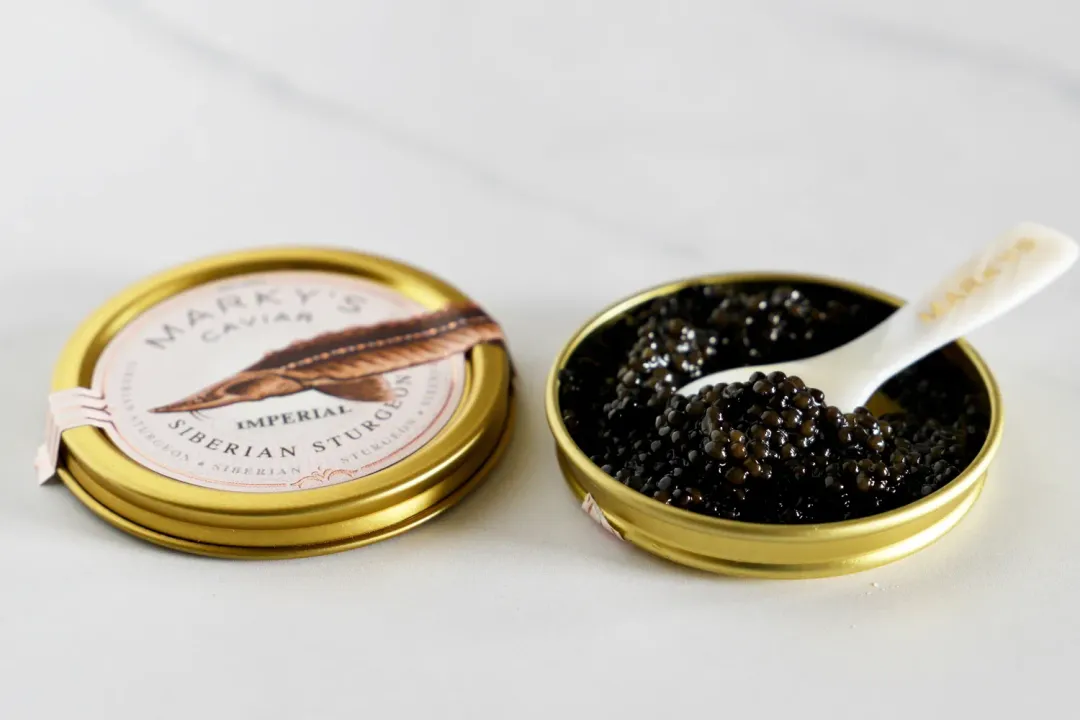
Osetra, sometimes spelled Ossetra, is one of the most iconic and recognized types of caviar, historically prized for its delicate nature. [5] The eggs from the Russian sturgeon, Acipenser gueldenstaedtii, are famous for their complex flavor notes. [9]
# Flavor and Texture
What sets Osetra apart for many connoisseurs is its distinctive flavor profile. It is frequently described as having a rich, nutty, and slightly buttery taste. [1][5] This flavor is often cleaner and less intense than some other varieties, allowing subtle nuances to emerge on the palate. [9] The texture is another hallmark; Osetra eggs are generally smaller to medium in size and possess a firm, satisfying pop when bitten. [1][5]
# Color Variation
A fascinating aspect of Osetra is the wide spectrum of colors the eggs can exhibit, which is often linked to the fish's diet and age. [9] While many people associate fine caviar with deep black, Osetra can range from dark brown or slate-gray to a highly sought-after golden hue. [5] This color variation doesn't always correlate directly with flavor intensity, but the golden variants, sometimes commanding a higher price, are renowned for their refined taste. [9] Specific grades within the Osetra family include Royal, Classic, and Platinum, each offering slight variations in their sensory presentation. [9]
# Kaluga Profile

Kaluga caviar comes from the Huso dauricus sturgeon, often associated with the Amur River region. [1] In the hierarchy of caviar, Kaluga is frequently positioned near the famed Beluga due to the size and richness of its roe. [1][5]
# Size and Richness
The most immediately noticeable feature of Kaluga is the size of its eggs; they are considerably larger than those found in Osetra. [1] This substantial size contributes to a different mouthfeel—less of a sharp "pop" and more of a creamy release of flavor. [5] The color typically falls into the amber to golden-brown spectrum. [1] Flavor-wise, Kaluga is celebrated for being exceptionally rich, buttery, and possessing a lingering finish that coats the mouth pleasantly. [1][5]
# Modern Sourcing
While historically prized, modern availability often involves sustainable aquaculture practices, which helps maintain a consistent supply of this premium product. [1] Because of its large grain size and rich flavor, Kaluga often sits at a higher price point than many standard Osetra selections, though specific grading and sourcing methods influence pricing across the board. [1]
# Direct Comparison Points

When evaluating which is "better," a direct comparison of key attributes provides the clearest framework for decision-making. [4]
| Feature | Osetra Caviar | Kaluga Caviar |
|---|---|---|
| Sturgeon Type | Acipenser gueldenstaedtii (Russian/Iranian Sturgeon) [9] | Huso dauricus (Kaluga Sturgeon) [1] |
| Egg Size | Small to Medium [1] | Large [1] |
| Texture | Firm, distinct "pop" [1] | Creamy, buttery release [5] |
| Primary Flavor | Nutty, slightly buttery, clean [1][5] | Rich, very buttery, long finish [1] |
| Color Range | Black, dark brown, golden [5] | Amber to golden-brown [1] |
When tasting them side-by-side, the contrast is evident. Osetra offers finesse and a classic sturgeon salinity with nutty undertones, a profile that lends itself well to being the star of a simple tasting plate. [9] Kaluga, by contrast, delivers an immediate sense of opulence due to its larger spheres and intense buttery character, almost melting on the tongue. [1]
It is interesting to note how modern aquaculture blurs the lines, sometimes creating Osetra that exhibit richer flavor profiles or Kaluga that are less intensely oily than expected. [9] For a consumer new to caviar, starting with a well-regarded Classic Osetra provides a foundational understanding of sturgeon roe complexity, whereas Kaluga might be considered the next step for those seeking maximal richness and size. [3]
# Serving and Appreciation
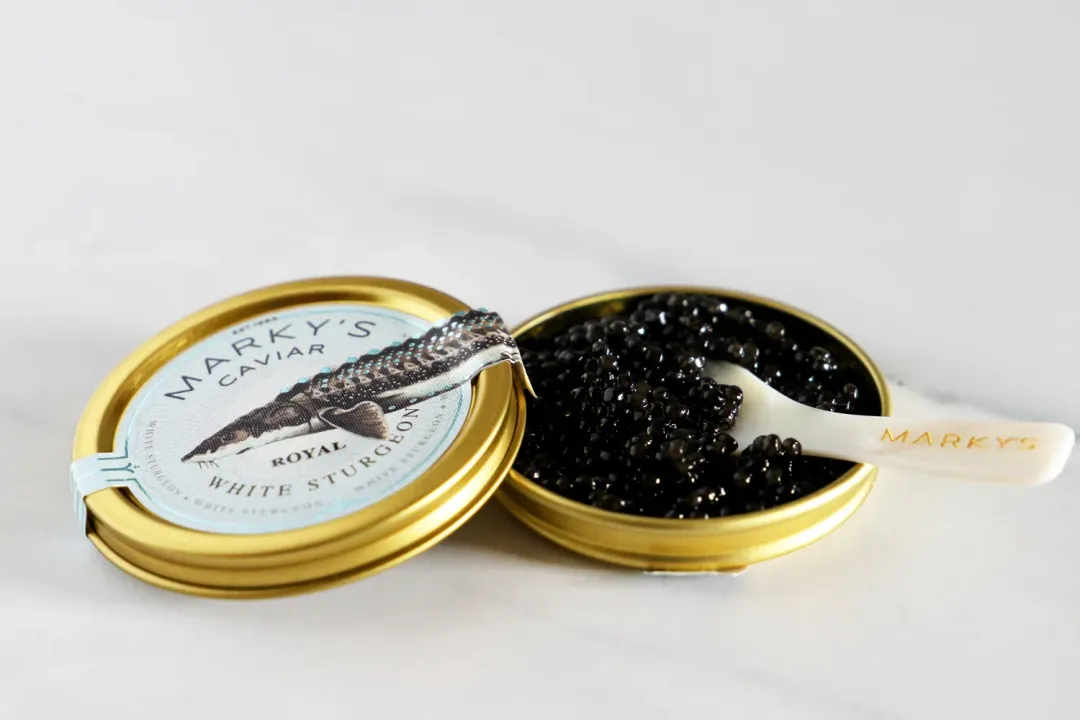
Regardless of which variety is chosen, the way caviar is handled and served dramatically affects the tasting experience. [4] A critical step in appreciating either Osetra or Kaluga is to serve them correctly.
# Temperature Control
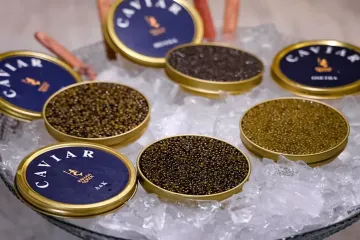
Caviar must always be kept cold to maintain its texture and flavor integrity. [4] The ideal serving temperature is just above freezing, typically between 28°F and 32°F (-2°C and 0°C). [4] Serving it too warm causes the delicate fats and oils to separate, leading to a dull or oily taste, while serving it too cold can mute the subtle flavor notes. [4] Using a caviar server, which involves placing the serving dish nestled within a larger bowl filled with crushed ice, is the standard practice for keeping the roe at the perfect temperature throughout an event. [4]
# Utensils and Pairing
A common point of discussion among aficionados is the choice of utensil. While silver spoons were once avoided due to potential metallic taint, modern high-quality stainless steel or mother-of-pearl implements are preferred as they do not impart any unwanted flavors. [4] The goal is to let the pure taste of the roe dominate. [4]
When considering pairings, Osetra’s nutty profile stands up beautifully to simple accompaniments like unsalted crackers or blinis, often paired with a very cold, dry champagne or vodka. [1][5] Kaluga’s buttery richness means it can handle slightly bolder pairings, perhaps a richer crème fraîche or a slightly less austere white wine, though many purists still insist on the classic, simple presentation to savor its inherent quality. [1] If you are serving Kaluga, consider a small side of thinly sliced, lightly toasted brioche instead of a standard cracker; the slight sweetness and richness of the bread complement the buttery nature of the large Kaluga eggs without overwhelming them. [9]
# Pricing Considerations
The cost of caviar is influenced by many factors, including the species, the difficulty of the harvest, and the sustainability practices employed. [1][3] While specific current prices fluctuate wildly based on the market, a general understanding of the tiers helps frame the purchase. [3]
Osetra is generally considered a high-end product, but within its own grading system, prices vary significantly—a Golden Osetra will cost substantially more than a Classic Osetra. [9] Kaluga, often grouped with or near Beluga in terms of prestige and size, frequently commands a higher baseline price than entry-level Osetra selections. [1] For a first-time buyer looking to sample true sturgeon caviar without entering the highest price brackets, a mid-grade Osetra might offer the best introduction to quality and flavor complexity for the investment. [3] However, if the goal is a luxurious, rich mouthfeel, the investment in Kaluga is often justified by the larger egg size and pronounced buttery flavor. [1][5]
# Sourcing Trust
Given the high value of both Osetra and Kaluga, knowing the source is as important as knowing the type. [5] Trust in the producer is paramount, as counterfeit or poorly handled caviar can ruin the experience. [4] Look for suppliers who clearly state the origin—whether it is wild-caught (increasingly rare) or, more commonly today, sustainably farmed—and who can verify the species. [5] Transparency in processing methods, particularly the salt cure (Malossol, meaning lightly salted), ensures you are receiving a product intended to highlight the natural flavor rather than mask it with salt. [4] When reviewing potential sources, checking for clear, high-resolution images that allow you to see the individual grain structure can be a reliable indicator of quality before the tin is even opened. [6]
Related Questions
#Citations
Kaluga vs. Beluga vs. Osetra: Which Caviar Is Best for You?
A Comprehensive Guide to the Different Types of Caviar
First time buying caviar…what's a good price for 50g Royal Ossetra ...
Types of Caviar: Comparing Taste, Texture, and Price
Caviar Guide 2025–2026: Beluga vs Kaluga vs Osetra vs Sevruga
The 6 Best Caviars You Can Buy Online in 2025, Tested & Reviewed
Comparing Ossetra and Kaluga Caviar - TikTok
Understand Caviar and Its Different Types | Markys
Guide to Different Types of Osetra Caviar – Choose the Perfect Caviar
We Tasted Over 60 Caviars — These Are the 7 Worth the Splurge