Is Caribbean or Atlantic lobster better?
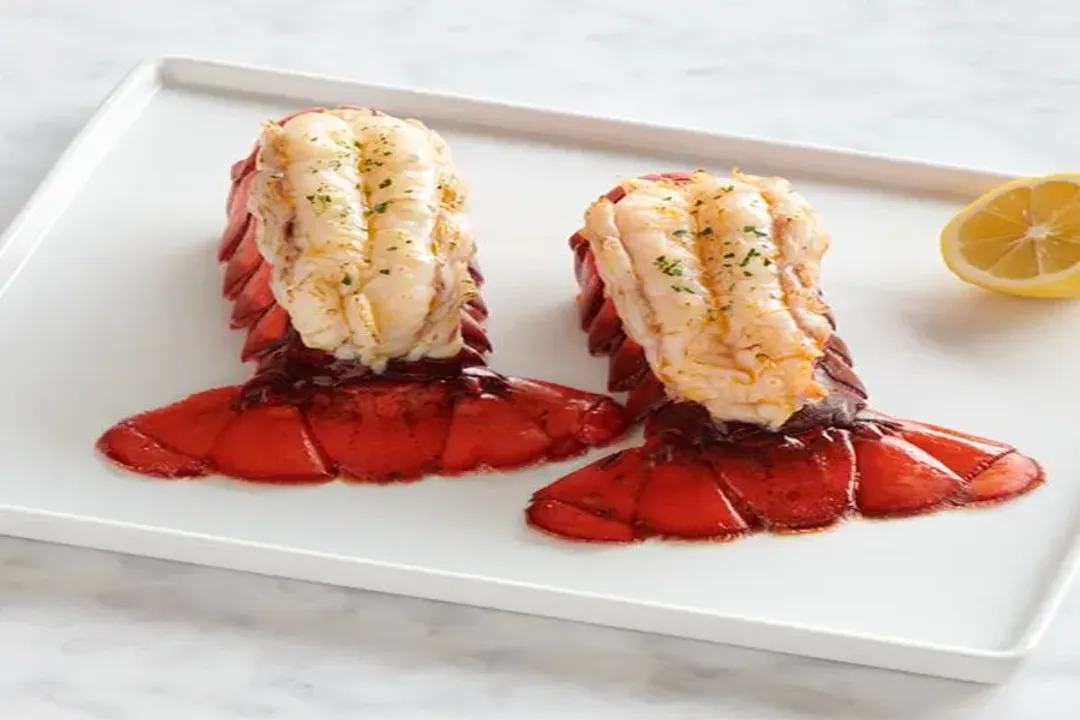
The decision between enjoying a cold-water Atlantic lobster, often sourced from Maine, and a warm-water Caribbean lobster fundamentally changes the dining experience, largely due to anatomical and environmental distinctions between the two species. [1][7] While both are crustaceans highly prized globally, they are not interchangeable substitutes; they offer different textures, flavor profiles, and culinary applications. [2][9] Understanding these inherent differences moves the conversation past simple preference toward appreciating what each environment produces.
# Claw Distinction
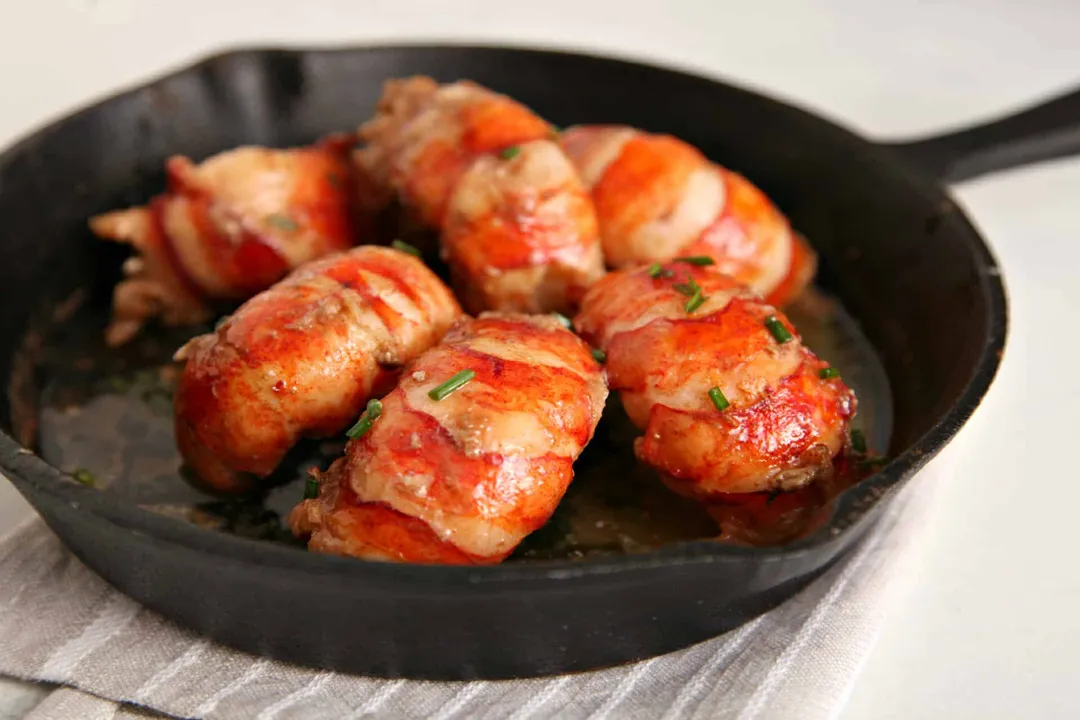
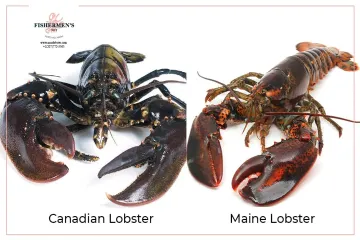
The most immediate and visible difference lies in the claws—or lack thereof. [1] Maine lobsters, scientifically classified as Homarus americanus, are true lobsters and possess large, prominent claws: a crusher claw and a pincher claw. [1][10] These claws contain a significant portion of the desirable meat. [10]
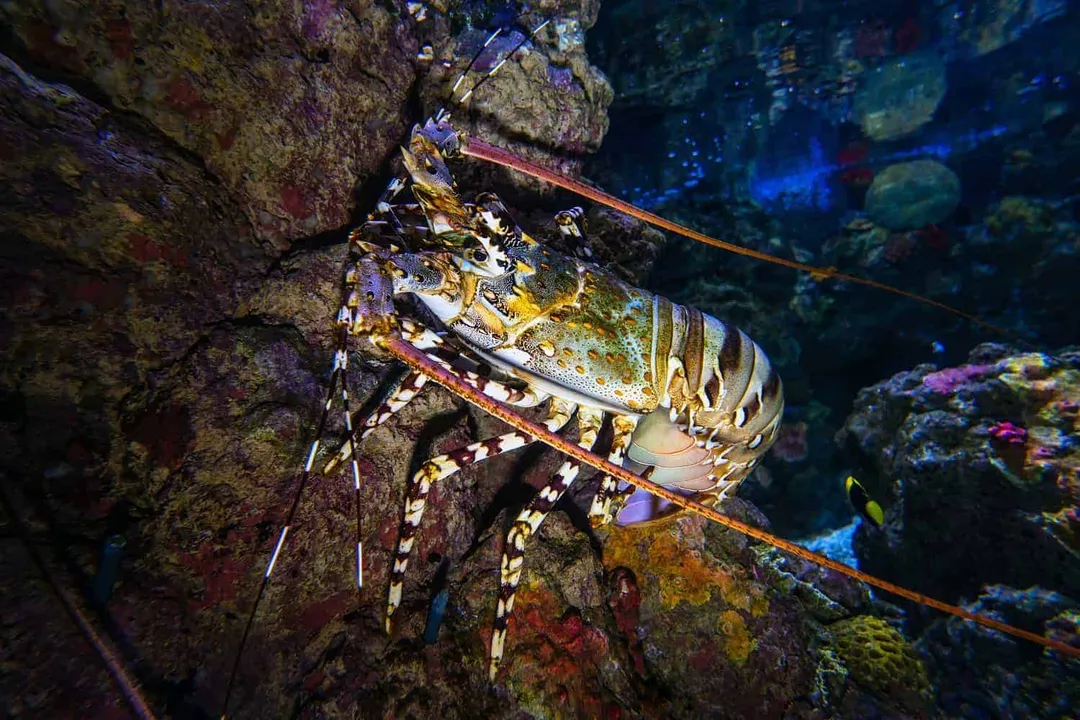
Conversely, the Caribbean lobster, often referred to as spiny lobster or rock lobster (genus Panulirus), does not have these large claws. [1][7][10] Instead of claws, they are characterized by long, sharp, spiny antennae, which are useful for defense but irrelevant for the dinner plate. [7] This absence of heavy claws means the meat yield is concentrated solely in the tail section. [10] For a chef or home cook, this means the preparation methods diverge significantly; boiling or steaming a Maine lobster often involves cracking the claws, whereas Caribbean lobster preparation focuses almost entirely on the tail. [1][7]
# Tail Meat Focus
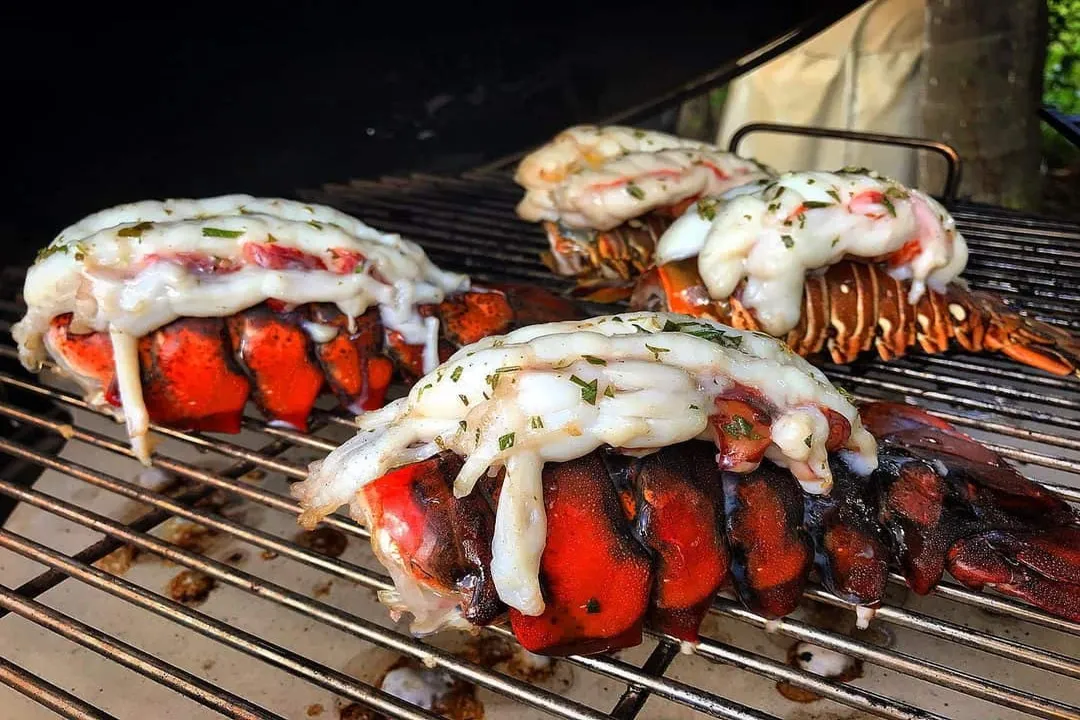
Because the meat is distributed differently, the focus of consumption shifts. Maine lobsters offer meat from both the large tail and the two claws, providing a varied texture experience between the softer tail meat and the often firmer, sweeter claw meat. [1][10]
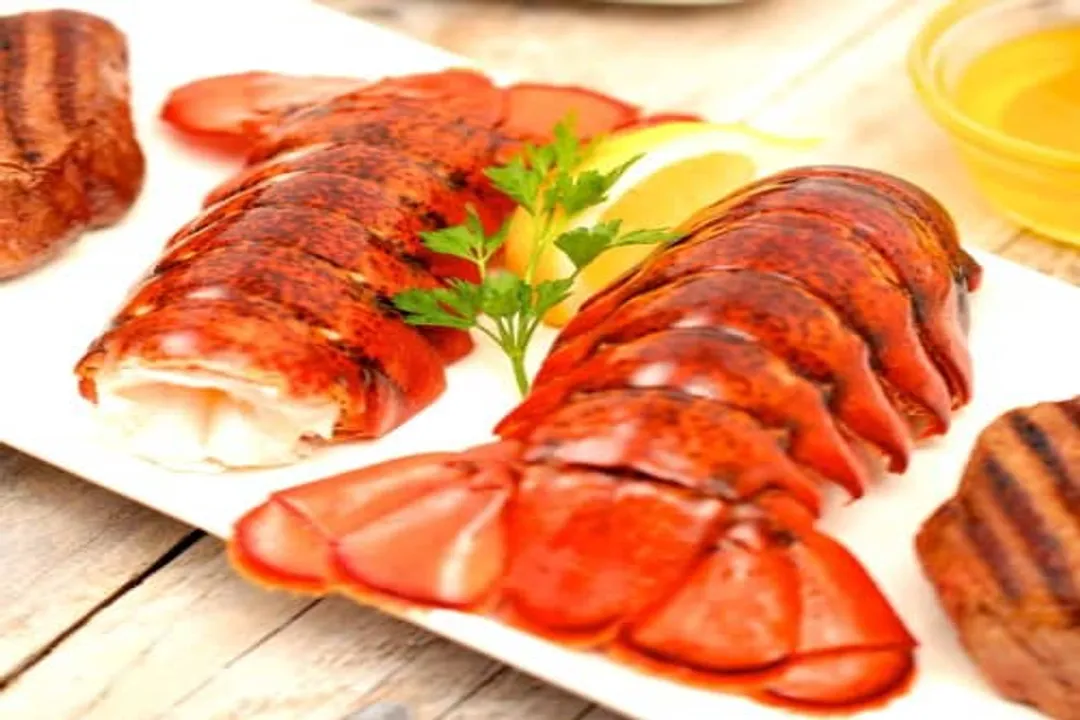
In the Caribbean variety, nearly all the edible meat comes from the tail. [7] Depending on the specific species and its size, some diners report that spiny lobster tails yield a greater overall weight of meat compared to a similarly sized Maine lobster, precisely because the mass is not allocated to large, non-meat-bearing appendages. [7] However, the texture of this tail meat is often a point of contention among connoisseurs. Some find the meat from the spiny lobster to be firmer, chewier, or slightly tougher than its Atlantic counterpart. [1][7]
# Flavor Profiles
When discussing taste, the environmental difference—cold northern waters versus warmer tropical seas—is thought to heavily influence the final flavor, though personal preference plays a large role in the final verdict. [2][7]
The Atlantic or Maine lobster is frequently celebrated for a distinct sweetness and a richer, almost buttery flavor profile. [1][2][7] The texture is generally described as incredibly tender and delicate, melting easily in the mouth, particularly the tail meat. [1][5] This characteristic flavor is often what people picture when they think of classic, high-end lobster dining. [5]
The flavor of the Caribbean or spiny lobster is generally still considered excellent, but it is often characterized differently. [9] Many sources suggest its flavor is milder or less intensely sweet than Maine lobster. [1][7] While some palates prefer this slightly less rich taste, others find the texture too firm or chewy compared to the buttery Atlantic variety. [1][9] One interesting observation is how preparation affects this: since spiny lobster meat tends to be denser, quick cooking methods are critical to prevent it from becoming overly rubbery, a pitfall that is sometimes less pronounced with the more delicate Maine meat. [9]
# Market Presentation
The physical differences translate directly into how these lobsters are typically marketed and sold across the globe. [7] In the United States and elsewhere, Maine lobsters are often sold, shipped, and cooked whole, allowing the consumer to enjoy the distinct textures of the tail, knuckle, and claw meat separately. [1]
In contrast, the Caribbean spiny lobster is almost exclusively sold and shipped as tails. [1][7] This is partly due to logistics—they are easier to transport without claws—but it also reflects consumer expectation regarding the primary edible portion. [7] If you are buying pre-packaged, frozen lobster tails from a supermarket, there is a high probability you are looking at spiny lobster meat, as the tail is the most robust part for freezing and shipping. [1] When purchasing fresh, whole lobsters, the presence of large claws immediately signals that you are dealing with a true, cold-water Homarus species, not a spiny rock lobster. [10]
It is worth noting that due to the often more stable, year-round availability of spiny lobster from warmer regions compared to the seasonal catch fluctuations in the North Atlantic, the price difference can sometimes be misleading. While premium, fresh, live Maine lobster commands the highest price, pre-cooked or frozen spiny tails can sometimes be found at a lower unit cost, especially when accounting for the fact that you are only paying for tail weight, not claw weight. [7] A savvy shopper should always compare the price per pound of edible meat rather than just the sticker price of the whole animal or the tail itself.

# Origin Environments
The native habitats dictate much about the species' biology and, indirectly, the quality of the product available to consumers. [2] Maine lobster thrives in the frigid, deep waters of the North Atlantic, requiring a very specific, cold environment to flourish. [1][2]
Caribbean lobsters inhabit the warmer, shallower waters throughout the Caribbean Sea and down toward the coast of Brazil. [2][7] This temperature difference has implications for harvesting and transport. The cold-water species are hardier out of water for short periods, which is why live Maine lobster can be shipped across continents. Warm-water spiny lobsters, however, are much more sensitive to environmental stress outside of their habitat, meaning they are often processed—killed and frozen or chilled—much closer to the point of catch to maintain quality, which is why they predominantly arrive as tails. [2] This logistical necessity influences freshness and the final presentation. [7]
# Consumer Takeaway
Ultimately, declaring one "better" relies entirely on what texture and flavor the diner prioritizes. [9] If the desire is for a delicate, intensely sweet, and rich flavor with the satisfaction of cracking into a substantial claw, the Atlantic Maine lobster is the clear winner. [1][7] If the preference leans toward a firmer, slightly chewier texture where the yield is concentrated purely in a dense tail section, the Caribbean spiny lobster presents an excellent alternative. [1][9] For someone preparing a large lobster bake or a seafood boil where whole presentation matters, Maine is standard. For dishes where lobster meat is incorporated into pasta, scampi, or casseroles—where texture and flavor are mixed with other ingredients—the spiny tail is often a more practical and cost-effective choice. [7]
Related Questions
#Citations
Caribbean Lobster vs Maine Lobster: Which Tastes ...
Caribbean v Maine Lobster
Maine lobster vs. caribbean lobster
Maine Lobster is 1000x better than spiny lobster. : r/Seafood
Are Caribbean lobster tails better than Maine ...
Difference between Caribbean lobster and Maine lobster?
Caribbean vs. Maine Lobster
Maine vs South African vs Caribbean Lobster Tails
What is the difference between a Maine and a Caribbean ...
Rock (Spiny) vs Maine Lobster: What's The Difference?