What texture is often attributed to the tail meat of the Caribbean spiny lobster?
Answer
Firmer, chewier, or slightly tougher
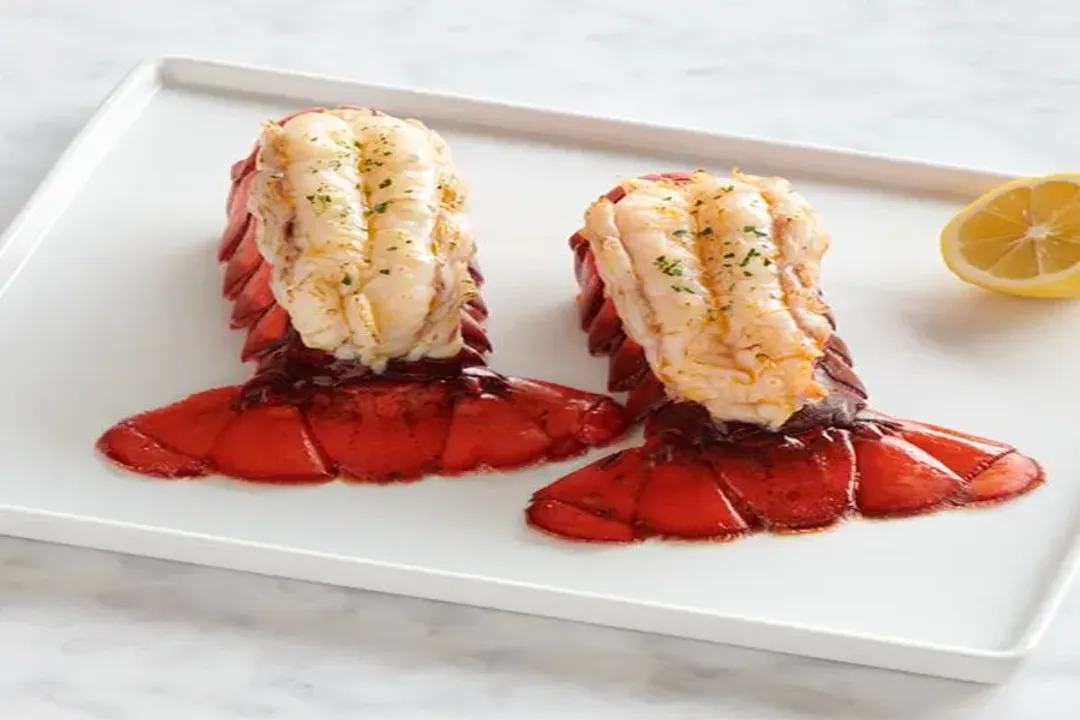
A common point of discussion among those tasting both varieties is the textural difference in the tail meat. Connoisseurs often report that the tail meat harvested from the Caribbean or spiny lobster tends to be noticeably firmer, sometimes possessing a chewier or slightly tougher consistency when compared to the meat from the Maine lobster. This difference is sometimes attributed to the warmer water habitat and the density of the muscle tissue in the tail when it is cooked, requiring careful timing to avoid becoming overly rubbery.
Related Questions
What anatomical feature characterizes the Caribbean lobster (genus *Panulirus*)?For which lobster species is the meat yield concentrated solely in the tail section?How is the flavor of the Atlantic or Maine lobster frequently described?How are Caribbean spiny lobsters almost exclusively marketed and shipped?Which lobster species thrives in the frigid, deep waters of the North Atlantic?What texture is often attributed to the tail meat of the Caribbean spiny lobster?For which dishes is the spiny tail often a more practical choice than whole Maine lobster?Which scientific classification denotes the lobster possessing a crusher claw and pincher claw?Why are warm-water spiny lobsters often processed near the point of catch?What offers a varied texture experience in the Maine lobster?