What physiological adaptation allows the Spotted Wolffish to inhabit cold, deep waters like the Barents Sea?
Answer
It possesses a natural antifreeze in its blood to survive the extreme temperatures.
The Spotted Wolffish, known for inhabiting very cold environments such as the Barents and North Seas, has evolved a specific biological mechanism to thrive in these frigid conditions. This adaptation is the presence of a natural antifreeze agent within its circulatory system, or blood. This biological compound prevents the formation of ice crystals within the fish's tissues, which would otherwise be fatal in the sub-zero or near-freezing temperatures characteristic of those deep, cold marine habitats. This antifreeze is crucial for maintaining cellular function and survival in such extreme thermal ranges.
Related Questions
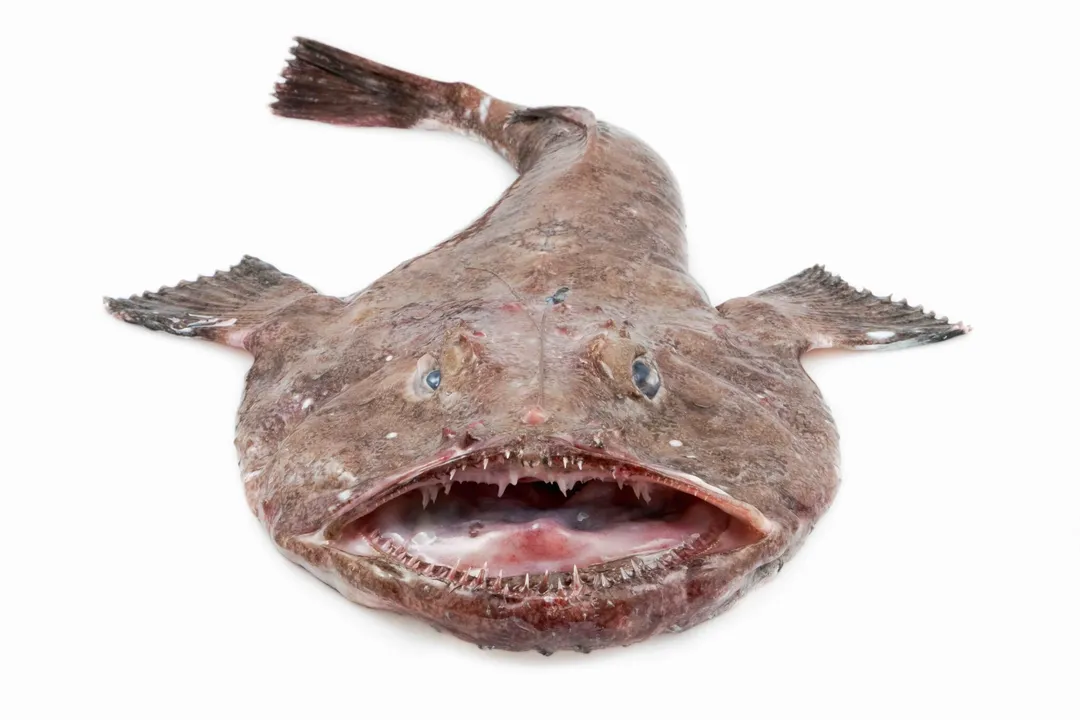
Why is the Monkfish nicknamed the Anglerfish due to its physical appearance?What physiological adaptation allows the Spotted Wolffish to inhabit cold, deep waters like the Barents Sea?How does the texture of Monkfish and Wolffish contrast with groundfish like cod or haddock?What characteristic earns Monkfish tail meat the moniker 'poor man's lobster' in Europe?What key preparation advantage does the skin of the Spotted Wolffish offer chefs?How is the flavor profile of Wolffish typically described in contrast to the Monkfish's mild sweetness?What significant sustainability advantage is associated with the Spotted Wolffish supply chain originating from Norway?Which two fish are chefs often cited as having a consistency similar to that of Wolffish flesh?What physical feature contributes to the Monkfish receiving the common moniker 'allmouth'?If a home cook shops early in the year (February through May), which fish is potentially in its prime wild fishing season?What is the specific characteristic of Monkfish tail meat that requires slightly longer cooking times than delicate white fish?