Which is better, sockeye or keta salmon?
Comparing Sockeye and Keta salmon involves looking closely at what makes each species distinct, from their physical appearance in the water to their rich qualities on the dinner plate. While both fall under the banner of wild Alaskan salmon—a mark of quality for many consumers—they offer different culinary experiences driven by variations in diet, fat composition, and life cycle. [1][4] Understanding these differences helps a consumer decide which fish best suits a specific preparation, whether it's a simple summer grill or a long, slow smoke.
# Color Distinction

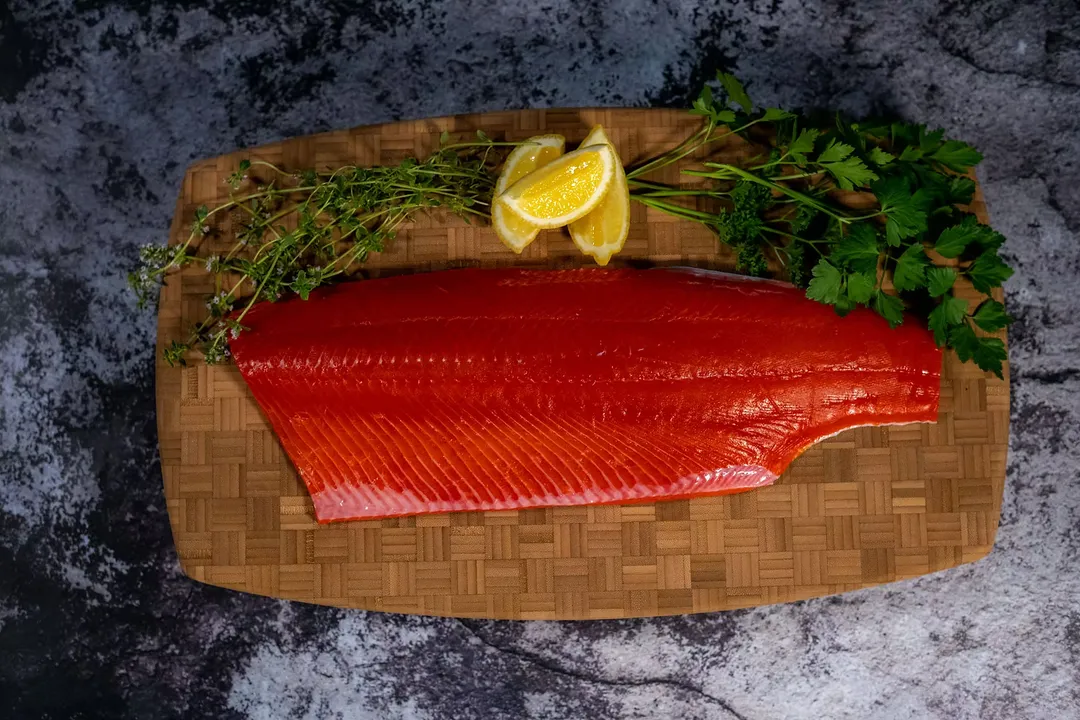
One of the most immediate ways to differentiate these two types of salmon is by observing the color of their flesh. Sockeye salmon are famous for their consistently vibrant, deep red hue. [1] This striking color comes from their diet, rich in crustaceans that contain high levels of astaxanthin, the natural pigment responsible for the red shade. [4]
Keta salmon, which are also known as Chum salmon, [6] present a much different visual profile. Their flesh tends to be considerably lighter, ranging from a pale pink to a light orange-red color. [1][6] This less intense pigmentation means they don't offer the same dramatic visual appeal as Sockeye when served, but their lighter color is often preferred by those who find the deep red of Sockeye too assertive for certain dishes. [5] The variation in color is a direct indicator of the underlying fat and pigment content that influences texture and flavor. [4]
# Flavor Profile

The flavor profile is where consumer preference often diverges sharply between the two species. Sockeye salmon is generally characterized by its strong, distinct, and somewhat gamey flavor. [1] This richness is a direct result of its higher fat content compared to Keta. [3][4] For those who seek that classic, intense "salmon" taste, Sockeye is often the top choice, making it excellent for grilling or broiling where that robust flavor can shine. [1]
Keta salmon, conversely, possesses a milder flavor. [1] Because it is leaner and has lower oil content, its taste is much more delicate. [4] Some sources suggest that Keta's flavor can be less assertive, which is sometimes seen as a positive when pairing with nuanced sauces or when serving people less accustomed to strong-flavored fish. [5] However, a user experience note on Keta suggests that if the fish is not handled perfectly, its milder nature can sometimes allow other off-flavors to become more noticeable, leading to a perception that it is slightly "fishy" compared to oilier varieties. [2] When fresh and properly processed, its mildness is its strength. [1]
# Oil and Texture
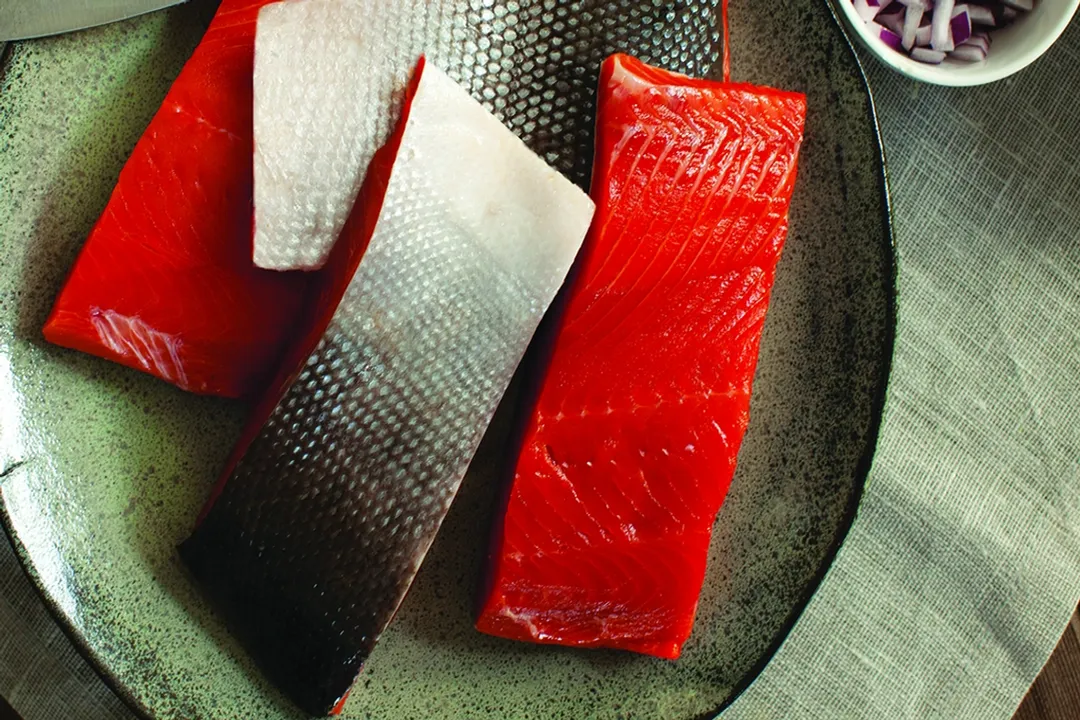
The fat content is perhaps the most significant physical difference influencing cooking and texture. Sockeye salmon carries more fat than Keta, which contributes to its deep color and strong flavor. [3][4] This higher oil content typically translates to a richer, moister mouthfeel when cooked correctly. [1]
Keta salmon is noticeably leaner. [4] Its lower oil content means its texture is less rich; it can be somewhat drier if overcooked, though this leanness also makes it a preferred choice for specific preparations that benefit from a firmer fish. [1][4] For instance, Keta's firmer texture and lower oil make it well-suited for smoking, where the process itself adds moisture and the leaner structure holds up well to longer cooking times, or for grinding applications. [1]
When placing these characteristics side-by-side, a consumer can build a quick reference chart:
| Feature | Sockeye Salmon | Keta (Chum) Salmon |
|---|---|---|
| Flesh Color | Deep, vibrant red | Pale pink to light orange-red |
| Flavor Intensity | Strong, distinct, rich | Milder, more delicate |
| Oil Content | Higher fat content | Leaner, lower oil content |
| Best Suited For | Grilling, eating fresh | Smoking, grinding, milder dishes |
This comparison highlights a fundamental trade-off: intensity versus versatility. [1][4] If the goal is a standout, bold flavor, Sockeye delivers. If the preparation calls for a fish that integrates subtly or requires a leaner structure for smoking, Keta is the stronger candidate. [1] One helpful consideration for cooks is to adjust cooking times; because Keta lacks the internal oil buffers of Sockeye, being attentive to temperature is even more critical to avoid a dry final product, even though its lean nature makes it less likely to feel heavy on the palate. [3]
# Health Aspects
Both Sockeye and Keta salmon are excellent sources of high-quality protein and essential nutrients, reflecting the health benefits associated with wild-caught fish. [3] Both species contribute significantly to dietary intake of Omega-3 fatty acids, which are vital for heart and brain health. [3]
However, due to its higher fat concentration, Sockeye generally edges out Keta in total Omega-3 content per serving. [3] If one is specifically seeking the maximum concentration of these beneficial oils in their salmon, Sockeye is often cited as being among the healthiest types available. [3] Nevertheless, Keta remains a very healthy option because it is lean, providing fewer overall calories while still delivering substantial amounts of these crucial fats. [4] The health decision often comes down to whether one prioritizes the higher concentration of fats found in Sockeye or the lower overall fat/calorie count of the leaner Keta. [3]
# Roe Comparison
The differences extend even to the eggs, or roe, produced by these species. Both Sockeye and Keta produce popular types of ikura, or salmon roe, but they are not interchangeable in certain traditional preparations. [8]
Sockeye roe is often prized for its deep, rich color, sometimes described as being almost ruby-red, and its eggs tend to have a smaller diameter. [8] The flavor of Sockeye roe is intense and highly favored in certain culinary contexts. [8]
Keta roe, on the other hand, generally features larger eggs compared to Sockeye. [8] The color is typically paler or more orange than Sockeye roe, and the texture of the individual eggs can differ, sometimes being described as having a less aggressive 'pop' than its Sockeye counterpart. [8] For purists seeking the richest, most intensely colored roe, Sockeye is typically preferred, while Keta roe offers a larger bead size and a slightly different textural experience. [8]
# Sourcing and Sustainability
When selecting salmon, understanding the source and sustainability rating can be important for environmentally conscious buyers. Keta, or Chum, salmon often receives attention for its sustainable fishing practices. For instance, Keta salmon harvested from MSC certified fisheries meets rigorous standards for environmental responsibility. [6]
While Sockeye is also widely available from well-managed fisheries, noting the specific certification—such as the Marine Stewardship Council (MSC) stamp—on packaging allows consumers to easily verify the environmental stewardship behind their purchase, regardless of whether they choose the leaner Keta or the oilier Sockeye. [6] A useful practice when shopping is to look not just at the species name but also for specific origin and certification marks, as management practices can vary even within the same species across different regions or fishing seasons. [4]
# Culinary Choices
The choice between Sockeye and Keta often boils down to the intended cooking method. Sockeye, with its pronounced flavor and higher fat content, excels in preparations where it is the star of the show and doesn't need heavy masking flavors. [1] Grilling or pan-searing Sockeye quickly preserves its moisture and lets the natural richness come forward. [1]
Keta's characteristics lean it toward methods that complement its leaner profile. Its relative mildness makes it a good canvas for smoking, whether hot or cold, as the curing and smoking process imparts the needed depth of flavor and texture. [1] Furthermore, because of its lower fat, Keta fillets are often recommended for grinding into fish patties or using in recipes where a firmer, less oily structure is required, offering a functional alternative to more expensive or oilier stocks. [1]
Ultimately, choosing between these two Alaskan favorites is less about declaring one definitively "better" and more about matching the fish's inherent qualities—color, oil, and flavor intensity—to the desired outcome of the meal. A careful consideration of these natural attributes ensures the best possible result from the water to the table. [4][5]
#Videos
Packaged Salmon Comparison | Keta vs Sockeye Salmon. - YouTube
Related Questions
#Citations
Understanding The Different Types of Wild Salmon
Anyone else have this experience with Keta Salmon? - Reddit
The Healthiest Types of Salmon | Vital Choice
Wild Alaskan Keta and Copper River Sockeye Salmon
Keta Salmon vs. Sockeye Salmon: The Undervalued Differences
Keta or Chum - Salmon - Marine Stewardship Council
Packaged Salmon Comparison | Keta vs Sockeye Salmon. - YouTube
Is socket or keta salmon best for dogs both wild caught in the pasific ...
Sockeye vs. Keta Salmon: A Comprehensive Comparison