Is bigeye or yellowfin better?
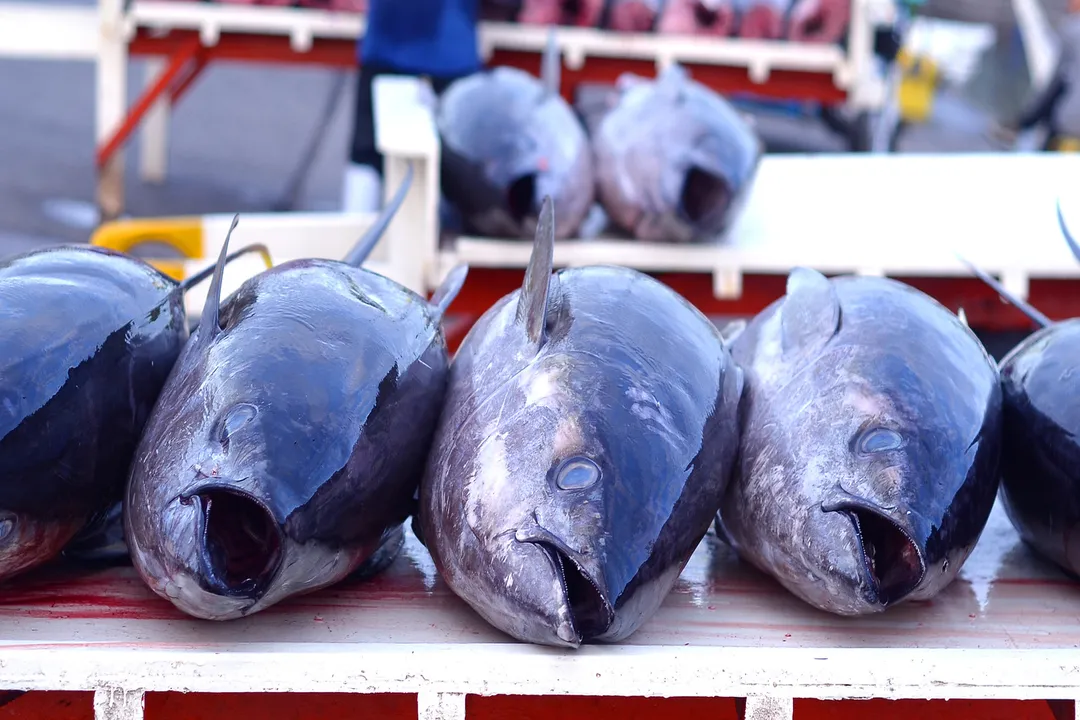
Distinguishing between Yellowfin and Bigeye tuna, especially when they are both presented as Ahi, can be genuinely confusing for even seasoned seafood lovers. Both species fall under the Ahi umbrella in Hawaiian contexts, yet subtle differences in their physical characteristics, habitat, and resulting culinary quality make them distinct choices for the plate. [2][9] The preference between the two often boils down to personal taste regarding fattiness and flavor intensity, leading to lively debates among chefs and consumers alike. [1][8]
# Eye Size
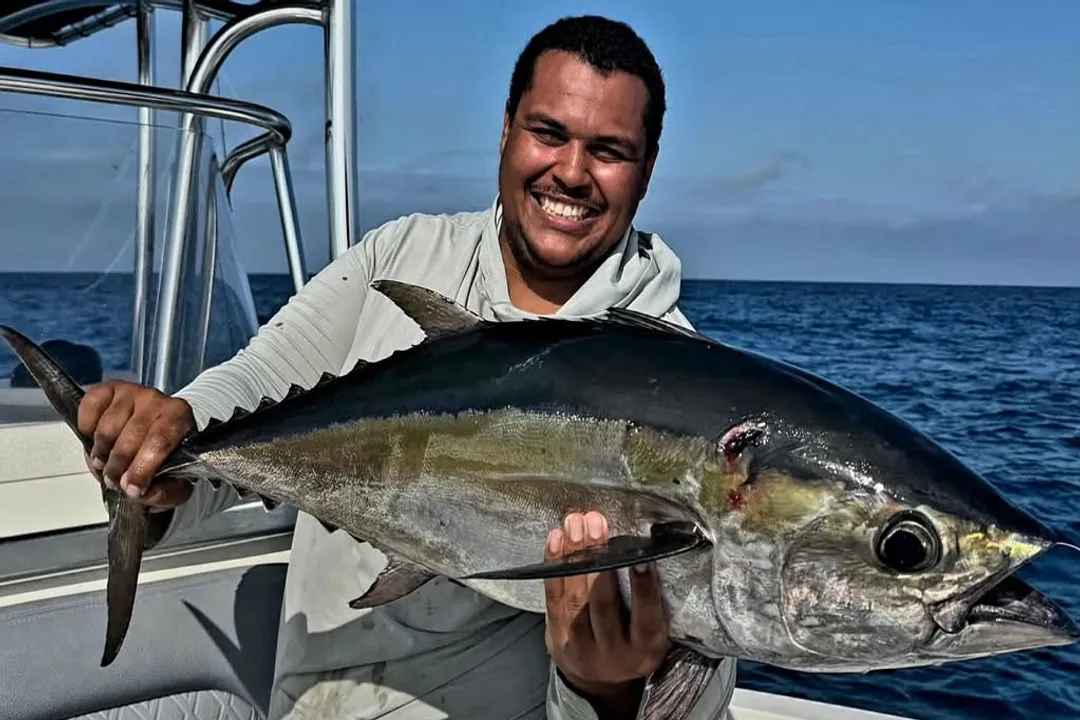
One of the most reliable ways to visually separate Bigeye (Thunnus obesus) from Yellowfin (Thunnus albacares) when you are examining a whole fish or a large loin section involves looking at the eyes. [6] Bigeye tuna is named quite literally for its distinguishing feature: it possesses proportionally larger eyes relative to the size of its head compared to Yellowfin. [2][6] This difference is more pronounced than one might initially expect, offering a key identifier for those familiar with the physical nuances of the species. [6]
# Flesh Color
Beyond the eyes, the color of the raw flesh provides another significant clue, particularly in the Hawaiian market where these fish are frequently sold. [6] Yellowfin tuna typically displays a lighter color, often described as a bright or crimson red. [3][9] In contrast, Bigeye tuna presents a deeper, darker shade of red. [3][6][9] This darker hue in Bigeye is often associated with its richer composition, signaling a difference in how the fish handles and presents itself raw. [2][3]

# Oil Content
The fat content is arguably the single most important factor influencing how consumers and chefs perceive the quality and desirability of one over the other. [3][7] Bigeye tuna is notably richer and fattier than Yellowfin. [2][3] This higher oil content translates to a more luxurious mouthfeel and a more pronounced tuna flavor that many find superior for raw consumption. [1][3] Yellowfin, by comparison, is generally regarded as leaner. [2][3][9] While leaner fish can certainly be excellent, the inherent richness of Bigeye often gives it an edge when the goal is an intense, melt-in-your-mouth texture, such as in high-end sushi preparation. [3][9]
Here is a comparison summarizing the primary physical and textural distinctions:
| Feature | Bigeye Tuna (Thunnus obesus) | Yellowfin Tuna (Thunnus albacares) |
|---|---|---|
| Eye Size | Larger in proportion to the head [2][6] | Smaller in proportion to the head [6] |
| Flesh Color | Deeper, darker red [3][6][9] | Lighter, more crimson red [3][9] |
| Fat/Oil Content | Higher; richer [2][3][9] | Leaner [2][3][9] |
| Flavor | More pronounced, richer tuna taste [1][3] | Milder [9] |
# Water Temperature
The environment in which these two species thrive also contributes to their characteristic differences. Bigeye tuna generally prefers and swims in colder waters. [5][10] Yellowfin, while also migratory and found across wide oceanic regions, tends to inhabit shallower and generally warmer waters than its Bigeye cousin. [5][10] It is fascinating to consider how this habitat difference might manifest in the final product; for instance, the colder waters Bigeye frequent might lead to a slower metabolic rate, allowing for greater accumulation of the desirable fats that distinguish its flesh. [5][10] This connection between cold-water habitation and increased oil concentration is a subtle factor that favors Bigeye for dishes where fat equals flavor. [3][5]

# Culinary Suitability
The differences in fat and flavor mean that each species naturally lends itself better to certain preparations. For anyone seeking the purest expression of tuna flavor and texture, Bigeye is often the preferred choice for sashimi or high-grade nigiri sushi. [3][9] Its high oil content ensures that the raw slices remain succulent and flavorful, providing that characteristic richness that defines premium tuna. [7][8]
However, Yellowfin is by no means inferior; it simply shines in different applications. [2] Because it is leaner, Yellowfin holds up exceptionally well to cooking, making it a favorite for searing into steaks or incorporating into grilled dishes. [2][7] When cooked, the leaner structure of Yellowfin resists drying out as easily as a very high-fat cut might, provided it is not overdone. [3] If you are planning on grilling or pan-searing tuna steaks, selecting a good grade of Yellowfin often provides excellent structural integrity and a clean flavor that complements rubs and marinades well. [2]
For the home cook bringing fish home from the market, understanding this utility can guide purchasing decisions. If you plan to slice it thinly for raw consumption, actively seek out the darker-fleshed Bigeye, even if it carries a slightly higher price tag due to its demand in the sushi world. [3][9] If you are looking for a firm fish that can withstand the heat of a grill, a vibrant, deep crimson Yellowfin loin will likely serve you better and perhaps save you a few dollars on the purchase. [2][7] The choice isn't about inherent "better," but rather about matching the specific attributes of the fish to the intended dish—a principle that applies across all high-quality seafood procurement. [2][3]
#Videos
Yellowfin vs. Bigeye vs. Bluefin Tuna – What's the Difference?
Related Questions
#Citations
Bluefin, yellowfin, and big eye tuna? Taste differences and uses?
Ahi: Clearing Confusion Between Yellowfin and Bigeye
Yellowfin Vs. Bigeye Ahi Tuna: What's The Difference? - Tasting Table
Yellowfin vs. Bigeye vs. Bluefin Tuna – What's the Difference?
Page 5 - Gallery 3.2: Bigeye and Yellowfin Tuna - ISSF Guidebooks
If I am in Hawaii and buying a fish called 'ahi', how can I tell I ... - Quora
yellowfin or bigeye? - The Hull Truth - Boating and Fishing Forum
How do you tell the difference between big eye tuna and blackfin?
Bigeye Tuna (Ahi) - Hawaii-Seafood.org