Is Maine or Canadian lobster better?
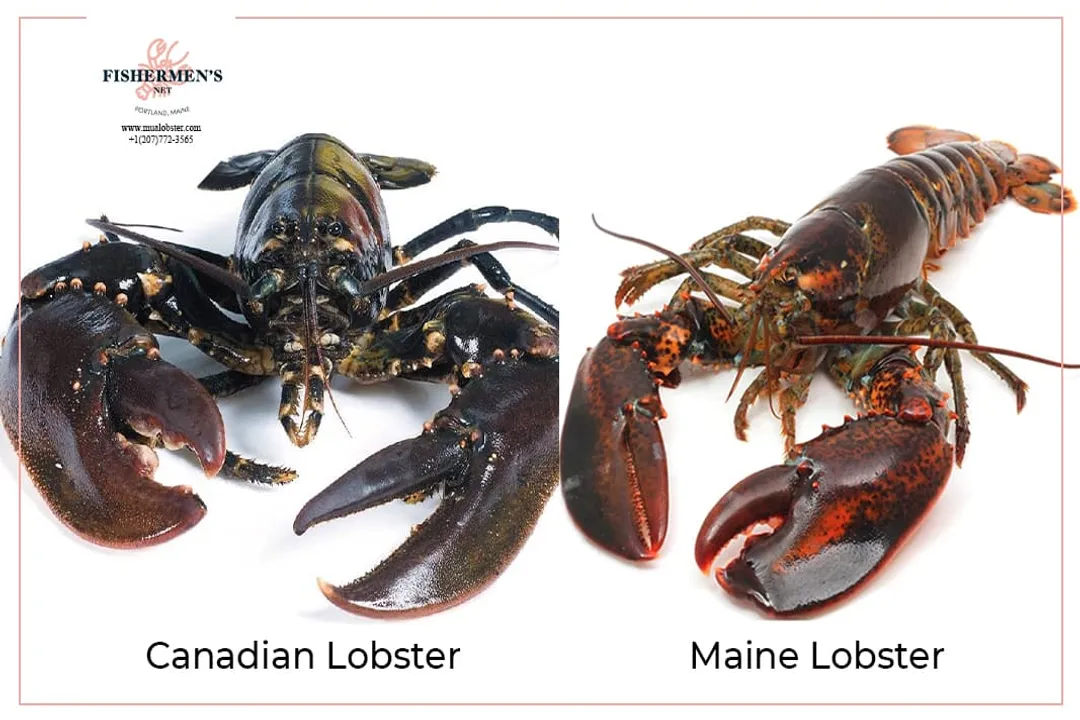
The rivalry between Maine and Canadian lobster isn't just about cuisine; it’s a debate steeped in geography, regulation, and prestige. While both varieties hail from the cold, rich waters of the northwestern Atlantic, enthusiasts and chefs often argue vehemently over subtle, yet supposedly critical, distinctions in flavor and texture. Both Maine lobsters and Canadian lobsters are members of the Homarus americanus species, also known as the American lobster, or sometimes referred to as Northern or true lobster. [2][3] However, the fact that they are genetically identical does not automatically settle the matter, as environment and harvesting practices play significant roles in the final product. [1]
# Same Species
To be clear, when you are comparing a lobster caught off the coast of Maine with one caught off the coast of Nova Scotia or New Brunswick, you are comparing two members of the same biological family. [2][4] It’s a useful comparison point to remember that variations exist within a species, much like a Great Dane and a Chihuahua are both Canis familiaris but possess dramatically different characteristics. [2] The waters that sustain these crustaceans overlap significantly; in fact, some Canadian fishing districts, like those bordering Maine, are geographically situated within what is often considered the Gulf of Maine ecosystem. [1] This leads some experts to suggest that the distinction is less about a hard border and more about local conditions and marketing narratives. [1]
# Water Temperature
The most frequently cited differentiator centers on the ambient water temperature of their immediate habitat. [2][3] Canadian waters, particularly further north in areas like the Gulf of St. Lawrence, are generally colder than the waters in the Gulf of Maine. [4] This temperature differential is believed to directly impact the lobster’s physical makeup. [3]
For the Maine lobster, the slightly warmer environment is said to result in meat that is more tender and possesses a noticeable sweetness. [2][3] The perception is that the meat breaks off in tender chunks, highly desirable for applications like lobster rolls. [3]
Conversely, lobsters thriving in the consistently colder Canadian waters develop denser and harder shells. [2][3] This increased shell density is thought to correlate with meat that is slightly less tender and less overtly sweet when compared side-by-side with its southern cousin. [2][3] Yet, this concept is complicated by the seasonal shifts that affect both regions. [4]
# Shell Hardness Survival
The density of the shell has a practical implication far beyond texture: survivability outside of the water. [2] A lobster’s shell is not static; it changes throughout its life cycle, particularly when the animal undergoes molting—shedding its old shell to accommodate growth. [4]
Canadian lobsters, with their characteristically harder shells, possess a distinct logistical advantage. They can often survive out of water for up to 72 hours. [2] Maine lobsters, sometimes exhibiting softer shells (especially during the summer molting season), tend to have a shorter viable survival window, often cited as around 48 hours. [2][3] Because of this extended hard-shell survival time, Canadian suppliers can more easily distribute them live across greater distances, meaning that many supermarkets across the globe frequently stock Canadian catches. [2]
It is worthwhile to note that shell hardness is strongly tied to the time of year and the molting cycle, which is dictated by water temperature fluctuations. [4] When coastal waters warm up, lobsters inshore to molt, growing thinner shells and absorbing seawater, which can make the meat more succulent and tender. [4] Therefore, a "hard shell" Maine lobster caught in winter might present qualities closer to a typical Canadian catch than a "soft shell" Maine lobster caught in summer. This observation suggests that the actual stage of the molt may be a more accurate predictor of meat quality than the country of origin alone. [1][4] If you plan on transporting your lobster home over a long distance, favoring a hard-shell specimen, whether American or Canadian, is a sound strategy to ensure the animal arrives in peak condition. [3]
# Regulation Volume Price
The economics of the lobster trade introduce another layer of differentiation, primarily concerning volume and marketplace demand. [4] The Canadian lobster fishery is generally credited with yielding a significantly higher volume, accounting for over 60% of North American landings. [4] This massive supply tends to keep the general price point for Canadian lobster lower than for Maine lobster. [2][4]
Regulations also differ between the two nations regarding what can be kept. [1][2] In the United States, for example, fishermen are required to measure every catch, releasing lobsters below a minimum length (around 8.5 centimeters) and also releasing those deemed too large for harvesting (often above 13 centimeters) to protect the breeding stock. [2] One observation from the seafood business is that while US regulations aim to protect stocks by setting upper limits, Canadian systems might have different size standards, sometimes leading to different size distributions in the market. [1] The prestige associated with the "Maine Lobster" name, coupled with a historically smaller overall harvest, contributes to its higher price tag, regardless of whether the subtle flavor difference is truly discernible. [1][4]

# Perception Prestige Reality
The debate surrounding flavor difference often circles back to the famous incident on Kitchen Nightmares, where a chef argued against labeling Canadian lobster as "Maine lobster". [1] The core issue in such instances is frequently false advertising rather than inherent quality flaws in the Canadian product. [1] Consumers often pay a premium for the "Maine" label, expecting local support or perceived superior quality, and receiving a cheaper, though still high-quality, Canadian lobster constitutes a rip-off. [1]
However, dismissing the perceived difference entirely can be short-sighted. While the species is the same, the environment matters immensely, similar to how oysters from nearby bays can taste different based on their micro-environment. [1] It is plausible that subtle variances in local water characteristics, diet, or specific harvesting regulations create a genuine, albeit minor, textural or flavor shift between specific catches that a discerning palate might pick up on. [1]
In high-end dining, sourcing the best ingredient should supersede geographic origin, but for the average consumer, the Maine name carries a strong historical and marketing weight. [1]
# Choosing Your Lobster
Deciding which is "better" ultimately depends on what you value most for your meal. Since both are superior cold-water lobsters compared to their warm-water counterparts (like those from the Caribbean, which are generally smaller with softer meat and only the tail is commonly eaten), [3] you are starting with a premium product either way. [3]
If your priority is maximum tenderness and perceived sweetness for a delicate preparation, aim for a lobster during the American peak season (late June through December) when shells are naturally thinner, or seek out a Canadian lobster caught just after their colder season when they begin to fill out their shells but haven't yet hardened for winter. [4]
If logistics, durability, and budget are key, Canadian lobster is an excellent choice. [2] Their hardier shells provide a buffer against rough shipping and they hold up well in tanks, though be cautious about the longevity of tank-kept specimens, as flavor can degrade if they remain stored for too long. [2] In general, the fresh harvest, regardless of latitude, offers the best outcome. [1] You should always prioritize buying from a supplier who can confirm the freshness and stage of the shell, as this knowledge is more valuable than knowing only the country of origin. [4]
| Feature | Maine Lobster (Perception) | Canadian Lobster (Perception) |
|---|---|---|
| Species | Homarus americanus | Homarus americanus |
| Water Temp | Slightly Warmer | Colder |
| Shell Density | Softer/Varies | Denser/Harder |
| Meat Quality | Tenderer, Sweeter | Slightly Denser, Less Sweet |
| Survival Out of Water | Up to 48 Hours | Up to 72 Hours |
| Price Point | Generally Higher (Prestige/Demand) | Generally Lower (Higher Volume) |
| Regulatory Notes | Strict size regulation, including upper limit | Different size standards can result in larger specimens |
Remember that a lobster that has been held too long in a closed tank, even if local, is generally a poor choice because the meat quality suffers, and aggressive cannibalism can occur if one dies in the tank. [2] The real secret to the best tasting lobster lies not in reading the map border, but in confirming that the crustacean you buy was recently, and humanely, removed from its natural environment. [1]
Related Questions
#Citations
Everything You Need to Know About Maine vs. Canadian Lobster
Black Pearl: Are lobsters that different? : r/KitchenNightmares - Reddit
Is There A Difference Between Maine And Canadian Lobsters? -
What causes the difference between Maine and Canadian lobsters?
Canadian Lobster Vs Maine Lobster Differences | Fishermen's Net
Maine Lobster vs Canadian Lobster: What's the Difference?