Is lobster tender or chewy?
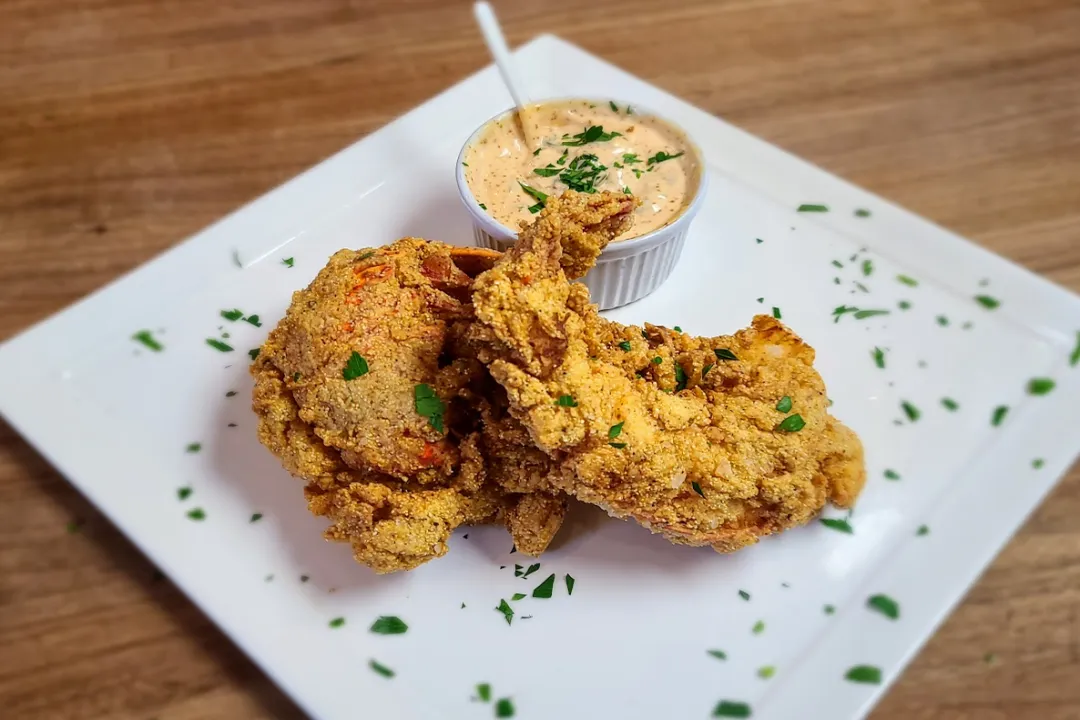
The ultimate texture of lobster—that prized sweet spot between yielding and firm—is perhaps one of the most debated aspects of fine dining, often leading to consumer disappointment. For many patrons, especially those paying a premium in high-end establishments or tourist hubs like Boston, the experience results in meat that is disappointingly rubbery or tough rather than melt-in-your-mouth tender. [2] This recurring issue suggests that while the potential for exquisite tenderness exists, the reality often defaults to chewiness. [1] Understanding this dichotomy requires looking beyond mere preference and investigating the precise mechanics of cooking this delicate shellfish.
# Texture Debate
The texture dichotomy is clearly illustrated across public forums where diners express their frustration. Some individuals genuinely believe that all lobster is inherently chewy and unappealing, viewing it as overhyped seafood. [1] Others, however, insist that a properly prepared specimen should never be rubbery; they argue that if the meat resists tearing or feels tough, the fault lies entirely with the preparation rather than the ingredient itself. [2] One common observation is the reported difference in quality experienced at fine dining venues versus home cooking, leading some to question if they should simply stop trying altogether. [2] Yet, those familiar with perfectly cooked lobster describe it as something that flakes apart easily, with a satisfying, supple resistance rather than a hard chew. [3]
# Cooking Factors
The primary determinant separating tender succulence from undesirable chewiness appears to center on the cooking process, specifically time and temperature. [5] Lobster muscle fibers, like those in other meats, firm up as they cook; overcooking causes these proteins to contract too much, squeezing out moisture and resulting in a dense, rubbery texture. [7] If the lobster is undercooked, the texture will be translucent and mushy, lacking the desired firmness. [5]
# Method Comparison
The method chosen for cooking significantly impacts the final outcome. The Kitchn notes that while boiling, steaming, and grilling are popular methods, they each present different challenges in controlling the precise moment of doneness. [3]
Steaming is often recommended because it is gentler than boiling. Since the meat is not submerged in water, it cooks slightly more slowly and evenly, offering a bit more forgiveness if the cook loses track of time for a minute or two. [3] Boiling, conversely, can overcook the exterior quickly because the water temperature remains constant at (), forcing a very precise timing window. [3] Grilling introduces smoke and char flavor, but it requires careful management to prevent direct, intense heat from seizing up the meat nearest the grate. [3]
An insightful consideration for any home cook is realizing that different cooking vessels retain heat differently, which affects the necessary timing. For instance, when steaming, the recovery time for the water temperature to return to a boil after adding the cold lobster can vary drastically between a small pot and a large stockpot. A larger volume of water will lose more energy, extending the actual cooking time needed after it returns to a simmer, meaning a standard recipe time might result in slightly undercooked lobster unless the cook accounts for this thermal lag. [5] This lag, if not anticipated, can lead to the appearance of tenderness upon initial checking, only for the meat to firm up significantly as it rests.
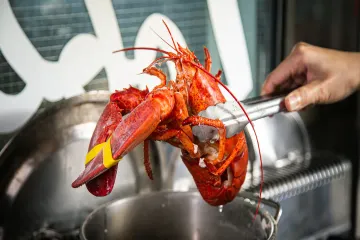
# Doneness Indicators
Accurately determining when to pull the lobster from the heat is the critical juncture between perfect and tough. Relying solely on visual cues or generalized time charts can be risky, particularly when dealing with varying sizes of lobster or different cooking apparatuses. [5]
# Temperature Reading
The most reliable indicator, advocated by seafood experts, is internal temperature. The consensus among those focused on perfect texture is that lobster meat is considered done when it reaches an internal temperature of approximately (), though some guidance suggests stopping closer to () to account for carryover cooking. [5] The mark ensures the proteins are fully set and opaque. [5] Stopping earlier, say around the to range, is often employed by chefs who favor a more succulent, slightly less firm texture, banking on the residual heat to complete the process safely without overshooting the mark. [3] The key takeaway is that the meat must transition from translucent to opaque white; if any clear or glassy material remains, it needs more heat. [5]
# Visual Cues
While temperature is king, visual checks provide immediate feedback. The shell is a primary indicator; when cooked, a live lobster’s shell turns a bright, vibrant red. [5] For the meat itself, the internal flesh should become opaque white throughout. [5] If the meat nearest the shell is white but the center is still clear or gelatinous, it requires further cooking. [5][7]
# Shell Variations
Another factor that subtly influences cooking time and final texture relates to the lobster's shell itself. There is a known distinction between cooking hard-shell and soft-shell lobsters. [8]
Hard-shell lobsters have fully calcified shells, which act as a natural insulator. This insulation means they require a longer cooking time to transmit enough heat to the internal muscle to reach the target temperature. [8] Conversely, the soft-shell lobster, typically caught right after molting, has a much thinner, pliable shell. Because this barrier is less insulating, the meat cooks considerably faster. [8] A home cook moving from a recipe designed for a standard hard-shell to a soft-shell without adjusting the time downwards risks rapidly overcooking the more vulnerable soft-shell meat, turning what should be an exceptionally tender treat into a chewy disappointment within seconds. [8] This difference in thermal resistance is an often-overlooked variable that skews expected cooking charts.
# Flavor Profile
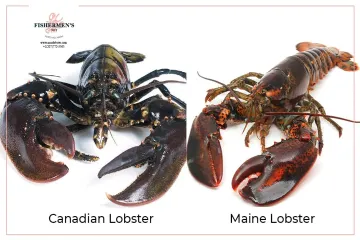
Texture is inextricably linked to flavor perception. A tough, rubbery piece of lobster provides an unpleasant mouthfeel that detracts from its natural taste, leading some diners to deem it unflavorful. [1][9] Lobster possesses a unique profile described as having a distinct, naturally sweet flavor profile that sets it apart from other crustaceans. [9] When the texture is correct—tender and moist—this inherent sweetness and delicate oceanic character can fully express themselves. [9] When the texture is compromised by being cooked too long, the meat becomes dry, and the subtle sweetness is masked by the overwhelming sensation of chewiness. [1]
# Achieving Tenderness
To consistently achieve the tender result that justifies the cost and reputation of lobster, a systematic approach is necessary, prioritizing precision over speed.
- Start Fresh or Properly Thawed: If purchasing live lobster, ensure it is lively; if using frozen, thaw it completely and carefully in the refrigerator before cooking. [3]
- Select the Right Vessel: Use a pot large enough to hold the lobster comfortably without overcrowding, especially if boiling or steaming, to maintain temperature stability. [3]
- Control the Heat: For steaming, bring the water to a rolling boil before adding the lobster. [3] For grilling, manage the heat source diligently to avoid direct, high-intensity exposure to the meat. [3]
- Monitor Constantly: Have a meat thermometer ready. Instead of guessing, check the thickest part of the tail meat. [5] Pull the lobster when it registers to for the softest result, or for fully opaque meat, recognizing the trade-off between ultimate safety/opacity and maximum tenderness. [3][5]
- Rest Briefly: Allow the cooked lobster to rest for a few minutes off the heat before cracking and serving. This allows the juices to redistribute slightly, preventing immediate dryness while the carryover heat finishes the setting process. [5]
The journey from potentially chewy seafood to a tender delicacy is a precise calibration of physics and timing. It confirms that the texture of lobster is not an inherent flaw in the animal but rather a direct report card on the cook’s technique. [2] When execution is flawed, the result is the rubbery texture that drives customers away, [2] but when done correctly, the lobster delivers its celebrated, subtle sweetness encased in perfectly yielding flesh. [9]
Related Questions
#Citations
Lobster is chewy and unflavorful… : r/unpopularopinion - Reddit
I've had lobster at high-end restaurants, and even in Boston, and it's ...
The Best Way to Cook Lobster Tail (I Tried 7 Ways to Find Out)
How are lobsters cooked in Maine? - Facebook
How to Tell When Lobster is Done: 3 Foolproof Methods + ...
The Lowdown on Lobster - The Chopping Block
Problem with lobster tail - Cooking - eGullet Forums
Dissecting the Unique and Delectable Taste of Lobster - Ocean Palace