What is the texture of undercooked lobster?
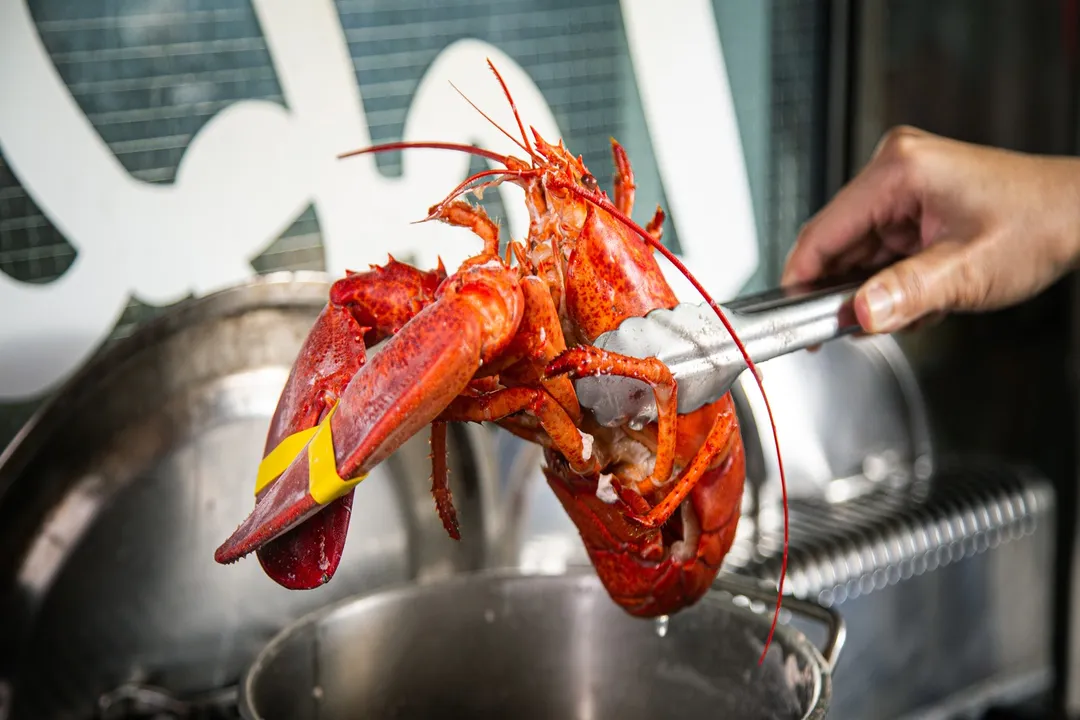
The moment you crack into a lobster tail, the texture of the meat instantly reveals whether you’ve achieved culinary perfection or fallen short. Getting lobster cooked just right is a delicate balance; too little time results in an unpleasant eating experience, while too much renders the prized meat tough. For those unfamiliar with the telltale signs, recognizing undercooked lobster relies on a combination of visual checks and, most importantly, tactile assessment of the meat's structure. [1][2]
# Visual State
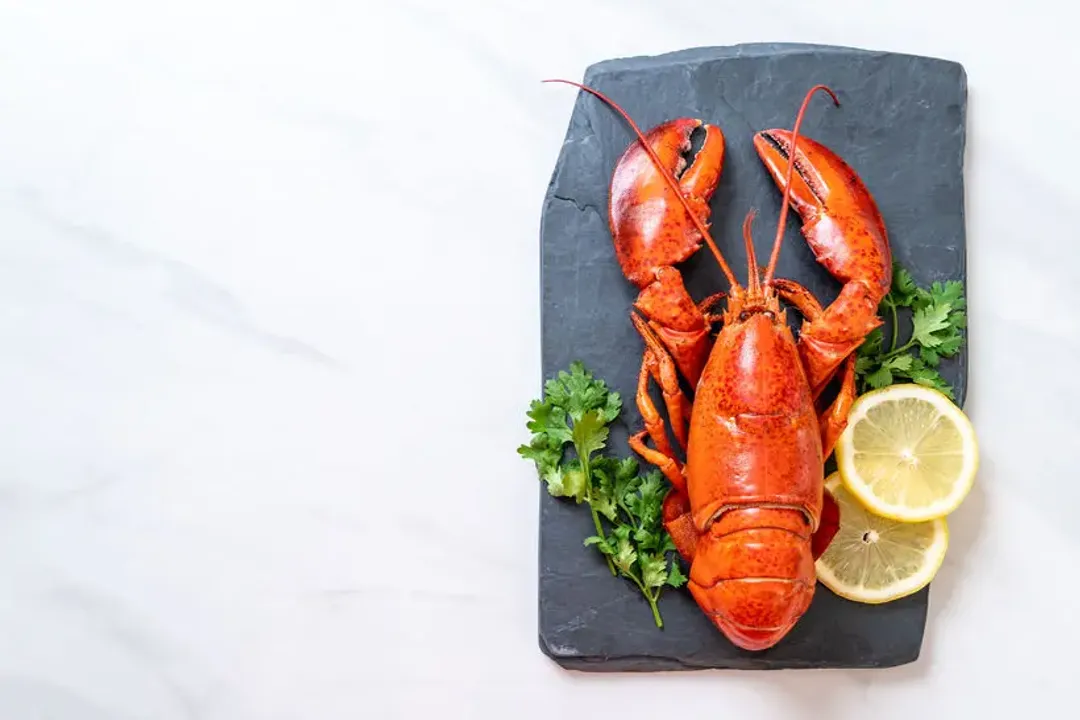
The most immediate and unmistakable indicator that lobster meat has not finished cooking is its appearance, specifically the degree of translucence. [1] Perfectly cooked lobster meat, whether from the claw or the tail, transforms entirely from its raw state into an opaque white color. [2] If any part of the meat, especially the thicker sections near the joint or the center of the tail, retains a clear or glassy look, it is decidedly undercooked and requires further heat application. [1][6]
This visual cue points directly to the underlying biology of the cooking process. Lobster muscle fibers, like those in many shellfish, are composed of proteins that remain relatively transparent when raw. Heat causes these proteins to denature and coagulate, meaning they unfold and then link together, effectively scattering light and creating that characteristic solid, white appearance. [2] When that coagulation process is incomplete, the light passes through the structure too easily, leaving behind that undesirable glassy sheen. [1] A failure to reach full opacity means the protein structure has not stabilized, leading directly to the textural issues described by many diners.
# Mouthfeel Gummy
When the visual check suggests a potential issue, the mouthfeel of the meat provides definitive confirmation. Undercooked lobster meat is frequently characterized by a distinctly gummy or slightly rubbery texture when bitten into. [4] This is the direct sensory manifestation of incomplete protein setting. Instead of yielding with a tender snap, the flesh might feel slightly resistant, clinging unpleasantly, or exhibiting a texture that suggests uncooked gelatin rather than firm muscle fiber. [1]
In contrast, properly cooked lobster meat should be firm yet tender, offering a satisfying resistance without being tough. [2][3] If you encounter meat that feels significantly more rubbery than firm, or that seems to resist separation on the fork, it is a strong indicator that the interior temperature has not reached the necessary point for safe consumption and optimal texture. [1]
# Assessing Thickness
It is essential to remember that the cooking time can vary dramatically across different parts of the same lobster. The claws and knuckles often cook faster than the thickest part of the tail or the body meat. [6] Because of this uneven heating, a lobster might appear perfectly white and firm on the outside or in thinner sections, yet still be quite translucent and gummy deep within the main tail muscle. [1][4]
When testing doneness, a reliable method involves probing the thickest part of the tail. If you are using a thermometer, the internal temperature should reach about 180 degrees Fahrenheit for the meat to be fully set and firm. [2] If you lack a thermometer, use a small knife or skewer to gently pierce the thickest section of the tail meat. If the juices that run out are clear rather than cloudy or opaque white, the lobster needs more time on the heat. [6] Relying solely on the appearance of the thinner tail tip or claw meat can lead to a mixed plate experience where some bites are perfect and others are disappointingly undercooked. [1]
# Contrasting Textures
Understanding what undercooked texture is requires understanding what it is not. The texture of undercooked lobster (gummy, rubbery, translucent) is distinct from that of spoiled lobster, though both are undesirable. [9] Spoiled or old lobster might exhibit a slimy texture or an off-putting odor, which is a safety concern regarding bacterial growth, something distinct from the textural issue caused merely by insufficient heat. [8][9]
More often, diners confuse undercooked texture with overcooked texture. Overcooked lobster is typically tough and stringy, often pulling apart into thin, dry strands that are difficult to chew. [4] The undercooked texture, however, is characterized by a lack of structural integrity—it is soft, maybe a bit slimy, and certainly gummy. [4] The goal is the sweet spot: meat that has just reached opacity, offering a gentle firmness without the stringy resistance of overcooking.
Editor's Observation: The difference between 'gummy' (undercooked) and 'tough' (overcooked) is a critical distinction for seafood lovers. Gummy means the proteins haven't fully bound together yet, resulting in a semi-liquid, dense chew. Tough means the proteins have bound too tightly and expelled too much moisture, resulting in dry, fibrous resistance. Visually identifying translucence is your primary defense against the gummy stage.
# Safety and Preparation Notes
While the texture of undercooked lobster is primarily a matter of quality and palatability, consuming severely undercooked seafood does carry a low risk of foodborne illness. [8] The general consensus is that ensuring the meat is opaque white throughout is the safest path. [2] If you suspect a significant portion of your lobster is raw—perhaps it was steamed briefly or boiled unevenly—it is always advisable to return it to the heat source, covered loosely, until the internal sections show the correct color transformation. [6]
When reheating, be cautious not to overcompensate. A brief steam or a short time in a hot oven is usually enough to finish the cooking process without turning the already cooked sections tough. The goal is targeted heating of the center mass until that final translucent section firms up and turns white. [3]
Culinary Insight: When dealing with a large, freshly steamed lobster, chefs often account for 'carryover cooking.' Even after removal from the heat, the residual heat within the thick shell continues to penetrate the meat for several minutes. If you pull your lobster when it is almost perfectly white—just a hint of glassiness remaining—the carryover heat during the resting period often completes the coagulation process perfectly, yielding a superior, non-tough texture that might be missed if you wait for 100% visual confirmation on the stove.
Understanding the texture of undercooked lobster—that glassy, translucent appearance giving way to a gummy or rubbery mouthfeel—is key to enjoying this delicacy. The immediate shift to opaque white and firm texture signals success, while any lingering clarity is a clear signal to apply more heat.[1][2][6]
Related Questions
#Citations
Telltale Signs Your Lobster Is Undercooked - Tasting Table
How to Tell When Lobster is Done: 3 Foolproof Methods + ...
What are the signs of a properly cooked lobster at restaurants? - Quora
Explain the look, mouth feel, and taste of a Maine lobster cooked ...
What is the black gelatinous substance in boiled lobster? - Facebook
The Failproof Method To Tell When Your Lobster Is Fully Cooked
Is Your Lobster Fresh? Here Are 3 Warning Signs to Look for
How to Tell if Your Lobster Has Gone Bad