How are Caribbean spiny lobsters almost exclusively marketed and shipped?
Answer
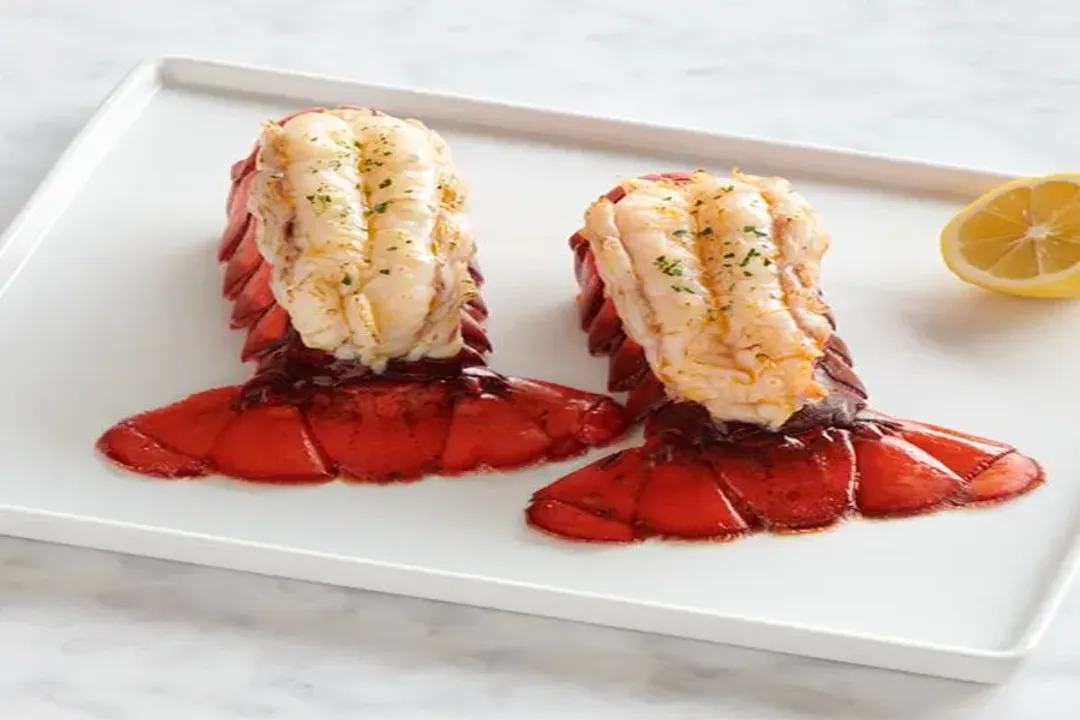
As tails
The logistical realities and consumer expectations surrounding the Caribbean spiny lobster dictate that they are almost always sold and transported as tails. This method is practical because the tail is the sole substantial source of meat, making it the most robust part for freezing and shipping processes. Furthermore, because they lack the large claws of the Maine species, there is no incentive or need to ship them whole; selling them as tails simplifies distribution and directly reflects the primary edible portion that consumers anticipate receiving when purchasing this warm-water variety.
Related Questions
What anatomical feature characterizes the Caribbean lobster (genus *Panulirus*)?For which lobster species is the meat yield concentrated solely in the tail section?How is the flavor of the Atlantic or Maine lobster frequently described?How are Caribbean spiny lobsters almost exclusively marketed and shipped?Which lobster species thrives in the frigid, deep waters of the North Atlantic?What texture is often attributed to the tail meat of the Caribbean spiny lobster?For which dishes is the spiny tail often a more practical choice than whole Maine lobster?Which scientific classification denotes the lobster possessing a crusher claw and pincher claw?Why are warm-water spiny lobsters often processed near the point of catch?What offers a varied texture experience in the Maine lobster?