Why are warm-water spiny lobsters often processed near the point of catch?
Answer
They are much more sensitive to environmental stress outside their habitat
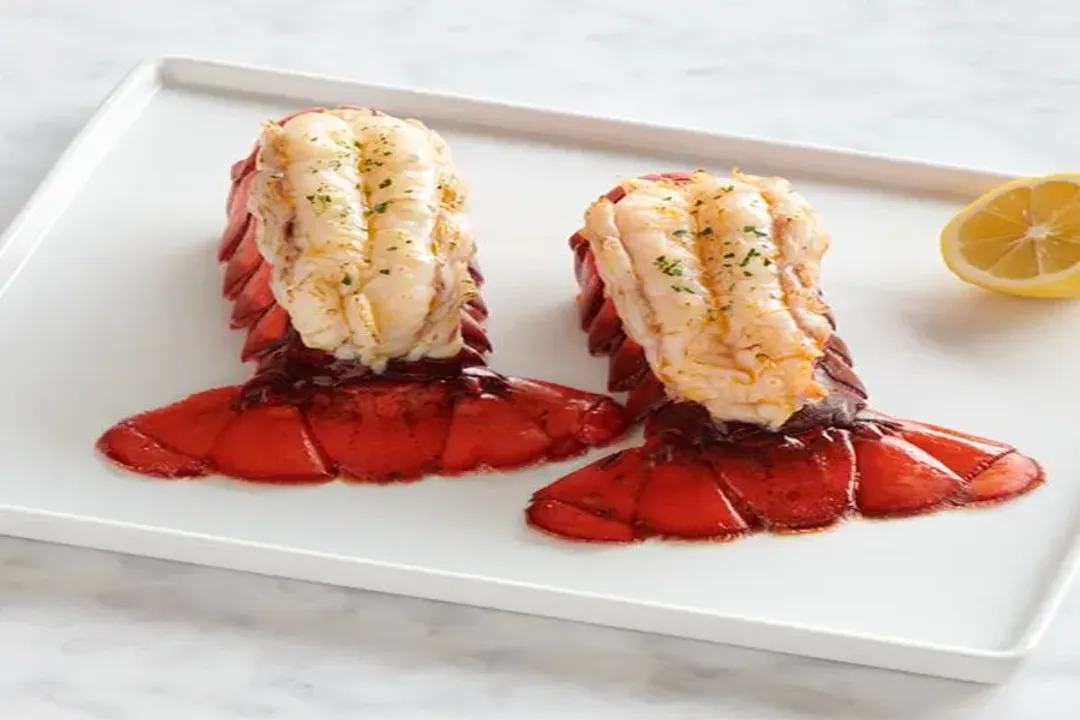
A key logistical factor influencing the processing of Caribbean spiny lobsters is their high sensitivity to environmental changes and stress when removed from their native warm, shallow waters. Unlike the hardier cold-water Maine lobsters that can survive shipment live across continents, warm-water spiny lobsters must often be killed, chilled, or frozen much closer to where they are harvested to ensure that quality is maintained before they reach international markets. This necessity results in them predominantly arriving as processed tails rather than whole, live specimens.
Related Questions
What anatomical feature characterizes the Caribbean lobster (genus *Panulirus*)?For which lobster species is the meat yield concentrated solely in the tail section?How is the flavor of the Atlantic or Maine lobster frequently described?How are Caribbean spiny lobsters almost exclusively marketed and shipped?Which lobster species thrives in the frigid, deep waters of the North Atlantic?What texture is often attributed to the tail meat of the Caribbean spiny lobster?For which dishes is the spiny tail often a more practical choice than whole Maine lobster?Which scientific classification denotes the lobster possessing a crusher claw and pincher claw?Why are warm-water spiny lobsters often processed near the point of catch?What offers a varied texture experience in the Maine lobster?