How long do coffee filters last?
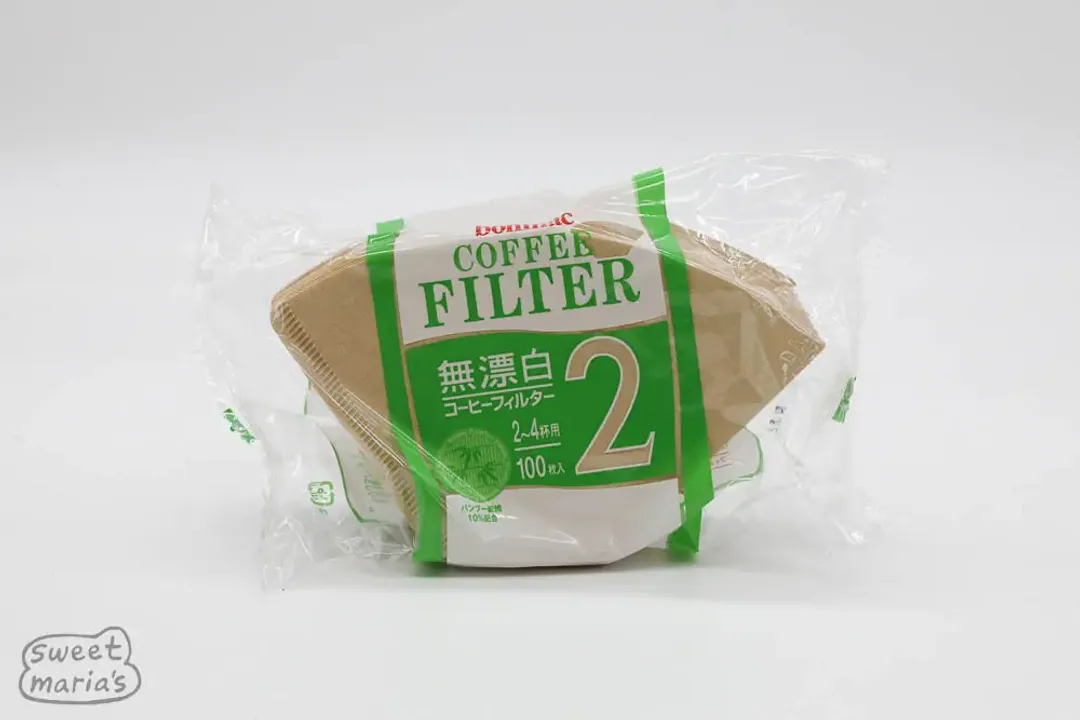
The longevity of a coffee filter is less about a single expiration date and more about the type of filter you are using and how you treat it after brewing. Many coffee drinkers default to treating all filters as single-use items, but the reality, particularly for those using reusable cloth or metal options, is quite different. Understanding the material science behind your filter is the first step toward brewing consistency and minimizing waste. [7][4]
# Paper Filter Use

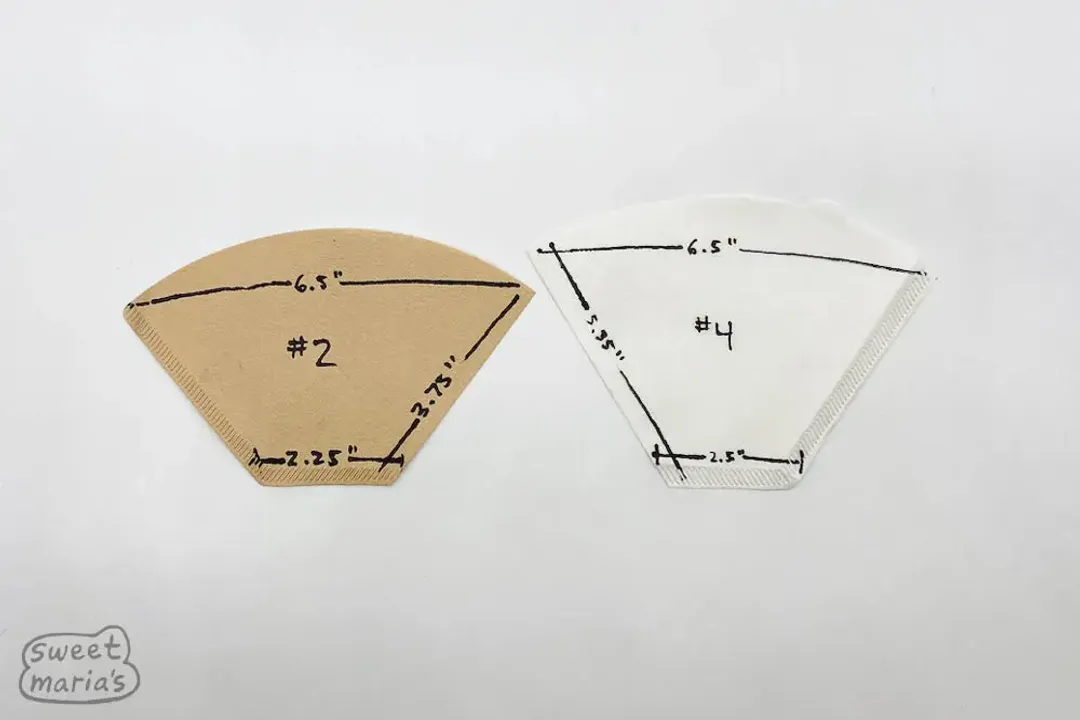
For the vast majority of automatic drip coffee makers and pour-over setups, the standard filter is made of paper, usually bleached or natural brown. [9] These are designed primarily for one-time use. The paper acts as a barrier to keep grounds out of your final cup while allowing the desirable coffee solubles and oils to pass through. [7]
# Single Use
The fundamental recommendation from manufacturers and coffee experts is to dispose of paper filters immediately after brewing. [4][10] Once you have run hot water through the grounds, the paper has absorbed oils, fine sediment, and residual coffee compounds. [7] When the paper dries, these trapped residues remain sticky and can become rancid or develop off-flavors over time. [9][6] Even if you rinse a used paper filter, the microscopic structure of the paper has changed, and it will not perform as effectively on a second attempt. [7] Furthermore, storing a damp, used paper filter simply creates an environment ripe for mold and bacterial growth, which you certainly do not want near your next pot of coffee. [9]
# Reusing Paper
Despite the recommendations, some home brewers, especially those focusing on manual pour-over methods, attempt to stretch the life of their paper filters, often driven by cost-consciousness or environmental concerns. [2][6] This practice is generally only viable for two successive brews, provided the filter is immediately and thoroughly rinsed with hot water after the first use. [2][6]
For the dedicated pour-over enthusiast, reusing a good quality rinsed paper filter twice might be acceptable to save money, but recognizing that the second cup is a compromise rather than an ideal brew is key. A pack of 300 high-quality filters costs around $10, meaning one cup costs approximately 3.3 cents. Reusing it for a second cup drops the cost to 1.65 cents per cup. This minor saving rarely outweighs the negligible but present risk of flavor dullness or sediment transfer, as the oils remain embedded in the paper structure. [7] If you notice sludge in your second cup or a muted flavor profile, it’s time to retire that filter. [6]
# Paper Storage
Even brand new paper filters have a shelf life and require mindful storage. If left in humid conditions, near sources of strong odors like spices or cleaning chemicals, the paper can absorb those external elements. [9] When you brew, the hot water will extract these undesirable smells directly into your coffee, leading to a noticeably unpleasant taste even though the filter itself is technically unused. [9] Always store new, unopened packs in a cool, dry, and neutral-smelling location to preserve their intended neutrality.
# Reusable Filter Types
When you move away from disposable paper, the concept of "lifespan" shifts from "how many brews" to "how many months or years," dependent entirely on material and maintenance. [3][5]
# Cloth Filters
Cloth coffee filters are favored by some for producing a cup with a heavier body and mouthfeel than paper, often allowing more natural coffee oils (diterpenes) to pass through. [3] These filters are typically made from cotton or linen and offer a middle ground between paper and metal concerning filtration quality. [3]
The lifespan of a quality cloth filter can be substantial. With rigorous, daily cleaning, one source suggests a cloth filter can handle hundreds of brew cycles. [3] Companies specializing in these reusable options note that they can last for a long time, but they must be actively cared for to prevent oil saturation and souring. [5] The key to maximizing this life is eliminating the residue after every use.
When dealing with cloth filters, the most critical step for longevity happens immediately post-brew. After thoroughly rinsing the grounds away, many users store the damp filter in the refrigerator or freezer between uses, often submerged in a small amount of clean water. This practice prevents the rapid development of sour or moldy flavors that thrive at room temperature, effectively buying the filter extra time before a deep soak in vinegar or specialized cleaner becomes necessary. [5] If the cloth begins to tear, stain significantly, or imparts a consistently stale flavor despite deep cleaning, replacement is warranted. [3][5]
# Metal Filters
Metal filters, usually made of fine stainless steel mesh, represent the longest-lasting option available. [4] These are generally considered permanent fixtures in a brewer setup, provided they are not physically damaged. [1] Since metal does not absorb oils or retain flavor compounds like paper or cloth, their longevity is limited only by physical wear or corrosion, which is rare with proper care. [4]
For metal filters, the focus is entirely on cleaning, not replacement frequency. A quick rinse after brewing is often enough for daily use, but mineral deposits and deeply set coffee oils will eventually accumulate in the tiny mesh openings. [1][4] To restore a metal filter to its optimal state, it requires periodic deep cleaning. This often involves soaking the filter in a solution of hot water and a specialized coffee equipment cleaner, or a mixture of water and white vinegar, to dissolve the baked-on residue that simple rinsing misses. [1] If you notice your metal filter slowing down the flow rate or producing significantly muddier coffee than normal, a deep clean is overdue. [4]
# Machine Water Filters
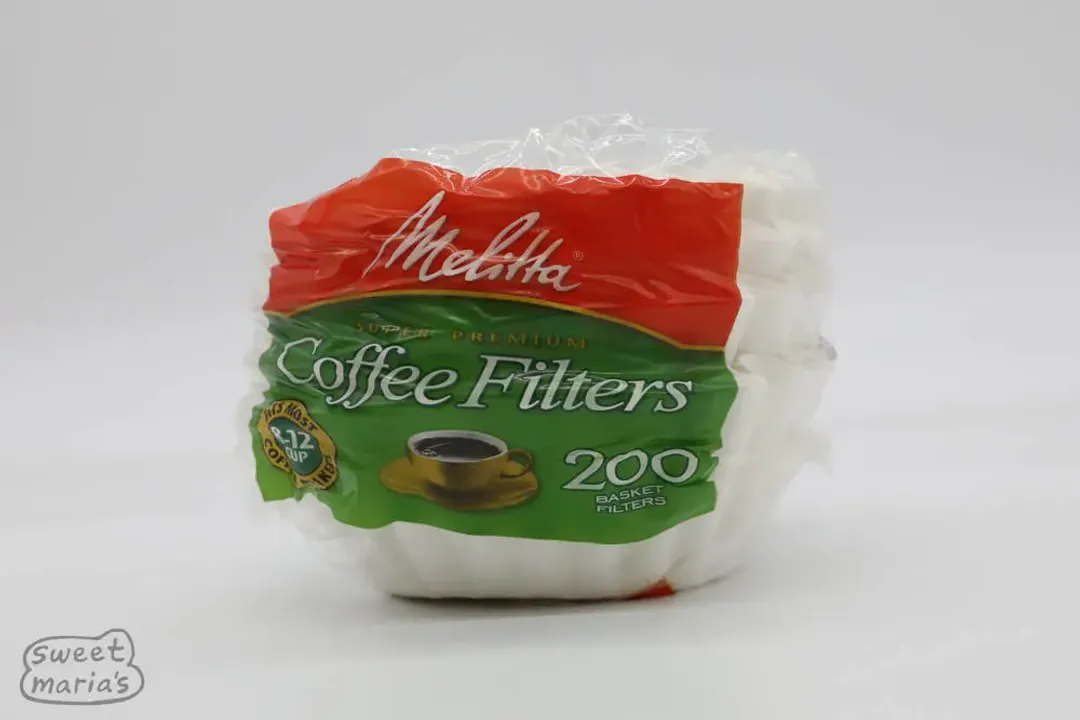
A common point of confusion when discussing coffee filter lifespan relates to the water filter found inside many automatic drip coffee makers and espresso machines. [1][10] These are distinct from the basket filter that holds the grounds. The charcoal or carbon water filter is designed to remove chlorine, sediment, and mineral content from the water used for brewing. [1]
These water filters are consumables with a defined service life that directly impacts machine health and, subsequently, coffee taste. [10] If you ignore this component, you risk hard water scale building up inside your machine's heating elements, which necessitates costly descaling or repairs. [10] The general rule of thumb for these internal charcoal filters is replacement every two months or after approximately 40 gallons of water have passed through them, whichever comes first. [1] If you live in an area with very hard water, or if your machine starts sounding louder as it struggles to pump, you should replace the water filter sooner than the two-month guideline suggests. [10]
# Summary of Lifespan Expectations
The expectation for filter replacement varies wildly depending on the material chosen, reflecting different philosophies on convenience versus quality and sustainability. [3][4] The choice effectively boils down to a trade-off between time invested in cleaning and initial purchase cost. [5]
Here is a quick comparison to help frame your decision-making process:
| Filter Type | Intended Use Cycle | Primary Failure Mode | Maintenance Required |
|---|---|---|---|
| Paper | Single Brew | Oil absorption, degradation, mold risk | None (discard after use) [4][7] |
| Cloth | Hundreds of Brews | Staining, souring, physical tearing | Daily rinsing, periodic deep soaking [3][5] |
| Metal Mesh | Indefinite | Clogging, physical damage | Daily rinsing, periodic deep cleaning [1][4] |
| Machine Water | ~2 Months / 40 Gallons | Saturation of carbon media | Periodic replacement [1][10] |
When considering the convenience factor, single-use paper filters save time immediately but create ongoing waste and cost. [7] Conversely, reusable filters require a small but dedicated cleaning ritual—perhaps five minutes of rinsing and soaking per day—to ensure they do not impart stale flavors, but this habit drastically reduces both environmental impact and long-term material expense. [5] Ultimately, the "best" lifespan is the one that aligns with your commitment to cleaning versus your tolerance for potential flavor deviations from an overused medium. [2][3]
Related Questions
#Citations
How Often Should You Replace or Clean Your Coffee Filter?
r/Coffee on Reddit: Anyone rinsed, dried and re-used pour-over filters
HOW MANY TIMES CAN YOU BREW WITH CLOTH COFFEE ...
How Often to Change Coffee Filter: A Comprehensive Guide
FAQ's - CoffeeSock
How Often You Can Actually Reuse Paper Coffee Filters
How often do i need to replace the filter, and where do i buy them?
Coffee Filter FAQ - Sweet Maria's Coffee Library
Can paper filters "go bad" ? | Coffee Forums
How often should we change the filters in our coffee machine? - Quora