What is the tastiest bug?
The initial foray into the world of edible insects often centers on a single, unavoidable question: what does this creature actually taste like? The answer is far from monolithic; it is a spectrum dependent less on the insect's order and more on its diet, life stage, and, most critically, the preparation method employed. [2][4] Dismissing entomophagy based on the idea that all bugs taste the same is like saying all meat tastes like beef—it ignores the subtle, diverse palate that seasoned foragers and modern entomoculturists have cataloged.
# Flavor Categories
Experts in the culinary field tend to group the flavors of edible insects into three broad, unofficial categories that provide a useful starting point for the uninitiated. [3]
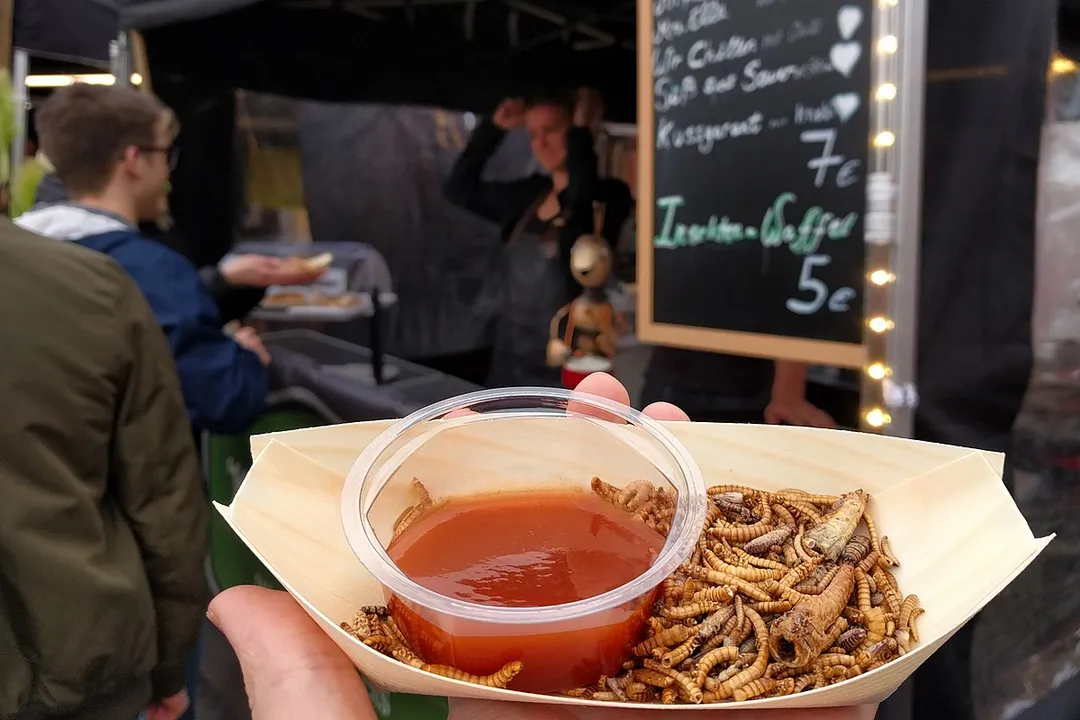
The first is the nutty and earthy profile. This group includes widely farmed staples like crickets and mealworms. [3] When unseasoned, crickets often present an earthy umami quality, frequently compared to edamame, though some detect a woodsy note or even a faint shrimp-like characteristic, possibly due to their omega-3 content. [2][3] Mealworms, the larvae of the darkling beetle, are generally milder and can be described as having a super mild flavor when raw, becoming slightly nutty when roasted. [1][2] This earthy quality sometimes links to mushroom flavors reported for other insects, such as cockroaches. [2]
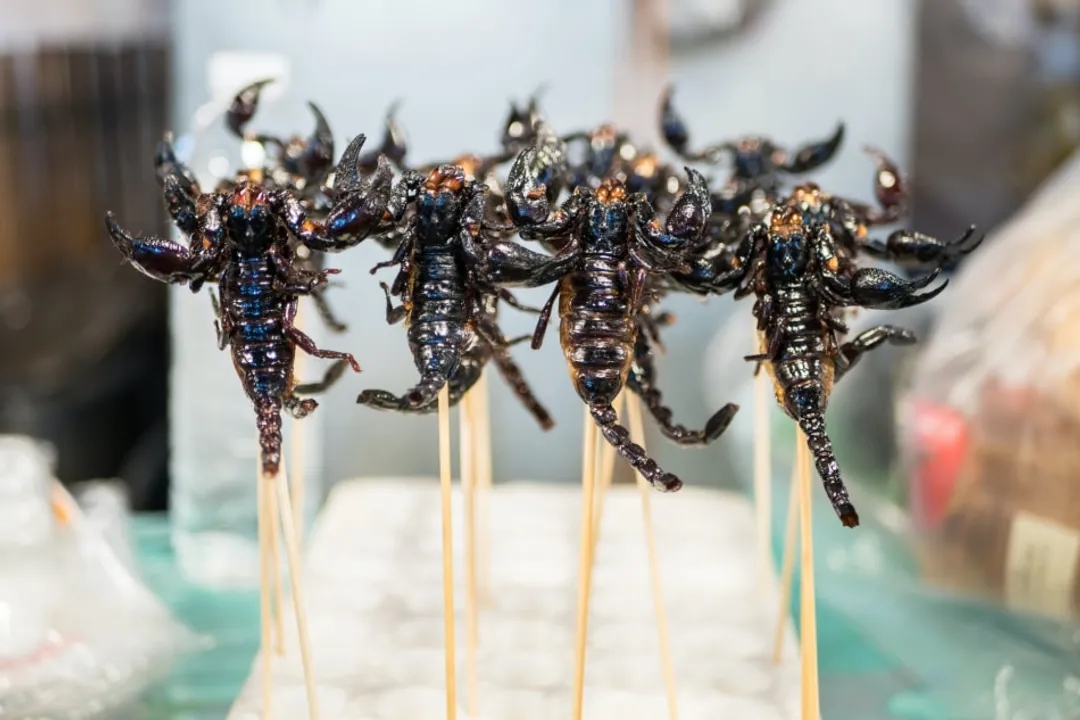
The second profile leans toward the fishy and seafood-like. This category is where several of the more adventurous options fall. Scorpions, for instance, have been likened to crab, [3] and one taster described the taste as similar to very good beef jerky, albeit with a subtle fishiness that might push it into this category. [2] Similarly, pill bugs (woodlice) are reported to develop a flavor remarkably similar to shrimp when sautéed in butter, leading one writer in 1885 to declare wood-louse sauce superior to shrimp sauce. [3] Aquatic insects, such as water boatmen larvae, naturally carry a fish flavor, though terrestrial insects like crickets and grasshoppers can also exhibit these notes. [4]
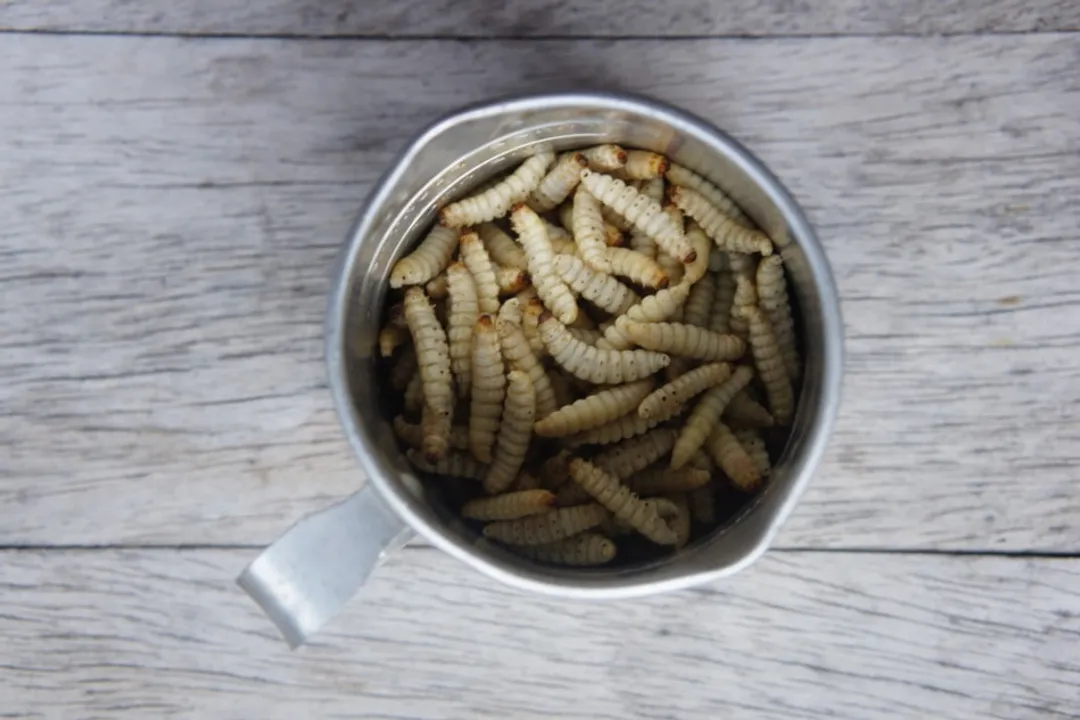
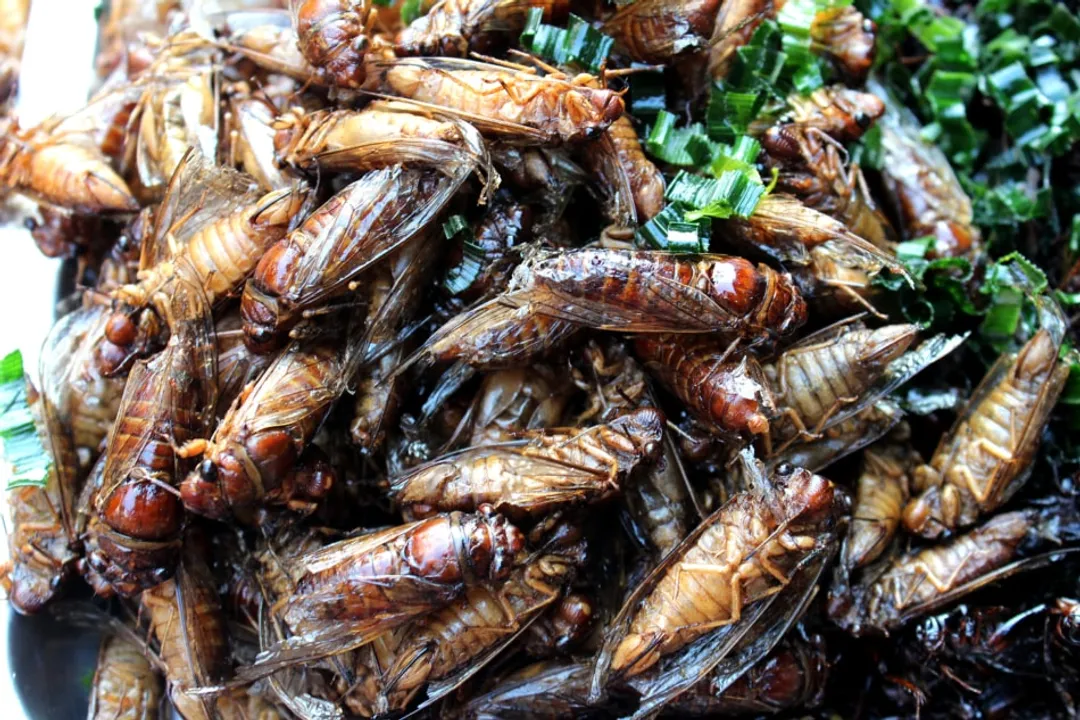
The final category is meaty and savory, the most reassuring profile for traditional Western palates. Sago grubs, commonly eaten across Southeast Asia, are frequently called the "bacon of the bug world". [1][3] These hearty grubs reportedly lack the typical "buggish" flavor and are often roasted. [1] Grasshoppers, too, can fit here. When prepared plainly, they are described as having a savory umami flavor, reminiscent of miso, or possessing an earthy mushroom note. [3] In the American context, cicadas are often referred to as the "shrimp of the land". [3]
# Specific Insect Spotlights
Moving past the general categories reveals fascinating flavor juxtapositions where the expected aroma is often contradicted by the actual taste:
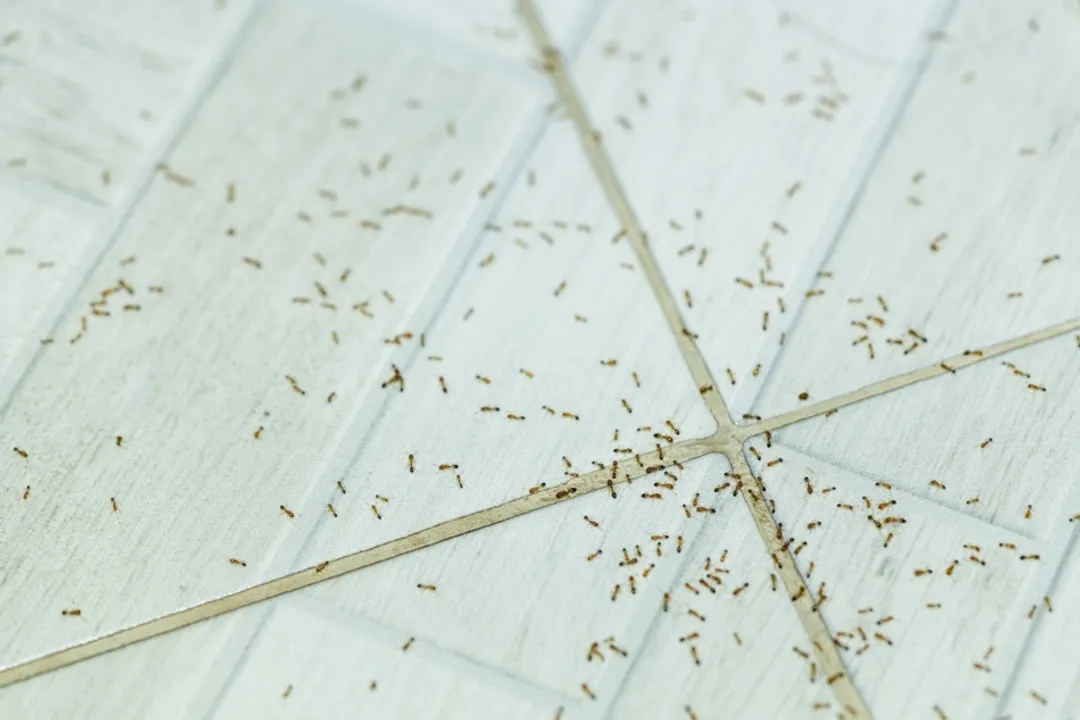
- Ants: These tiny arthropods offer a significant textural and flavor contrast. While ant larvae and pupae are considered a high-quality protein source, [1] the adults, particularly Lemon Ants, are prized for their acidity. [2] Black ants, often used as garnishes or flavor-enhancers, possess a zesty lemon-pepper taste due to the formic acid present in their systems, leading some to affectionately call them the "caviar of the bug world". [3] Other reports suggest ants generally taste sour, sometimes like vinegar. [3]
- Grasshoppers and Locusts: Often enjoyed as Chapulines in Oaxacan cuisine, seasoned grasshoppers offer a complex flavor bomb of smoky spice, sour hints, and sometimes a touch of pine or fruitiness after being treated with lime and chili. [3] Their texture is frequently noted as meaty and chewy, with a satisfying skeletal crunch that differs from crickets. [3]
- Scorpions and Tarantulas: These arachnids, though not technically insects, often appear in discussions of crunchy cuisine. [2] Deep-fried scorpions can taste like soft-shell crab, [3] or as noted before, like savory beef jerky. [2] Tarantula legs are famously compared to chicken wings, though the thorax can be overly meaty for some palates. [2]
- Unexpected Flavors: Some insects exhibit profiles that are perhaps the most surprising. Stink bugs, despite their notorious odor, are said to taste slightly like apples. [2] Termites, especially when roasted or fried, have been compared to carrots. [3] Wax worms, the larvae of the wax moth, are reported to have a flavor reminiscent of pine nuts. [3]
# Preparation: The Ultimate Flavor Architect
The true tastiness of any insect often lies in the chef's hand, whether that chef is a street vendor in Bangkok or a survivalist in the woods. [2] The cooking method is considered the single strongest influence on the final flavor. [4]
Wet-cooking techniques, such as boiling, steaming, or scalding, are known to strip away many of the volatile compounds, including pheromones and strong odor components, resulting in a significantly milder flavor. [2][4] For instance, boiling or sautéing mealworms can mute their natural flavor profile, making them excellent carriers for other tastes. [1]
In contrast, dry-cooking methods like frying or roasting encourage the development of more complex, nuanced flavors. [4] Roasting is highly recommended for many species, from grasshoppers to crickets. [1] When crickets are dry roasted, their inherent nutty flavor is emphasized, and they easily absorb added seasonings like BBQ or lime. [3] A suggestion for those intimidated by texture is to bypass chewing entirely: boiling or steaming the insects, chopping them finely, and swallowing them like pills, perhaps mixed into a sauce or wild greens to extract the nutritional value without the sensory commitment of texture. [3]
One useful technique, particularly for grasshoppers in a survival context, is to gather only solid-colored specimens, as multi-colored ones may be toxic, and always cook them, which simplifies the process of incorporating nutrients like protein and fat. [1]
The concept of flavor malleability is critical. Insects, particularly crickets, readily adopt the flavor of their feed, meaning mint-fed crickets will taste minty, or preparation ingredients like chili powder or lemon zest can completely transform the profile. [2] This ability to absorb flavor is why they are often called flavor vehicles, much like a potato chip. [3]
# Comparative Rankings and Community Consensus
While flavor is subjective, community discussions and published lists attempt to rank the "tastiest" options, revealing some overlap but also notable differences between survival guides and gourmet descriptions.
The Self Reliance Outfitters list places Grasshoppers first, followed by Crickets, and then Ants high on their "tasty meter". [1] Cicadas and Mealworms follow, suggesting a preference for more familiar textural profiles (crunchy or mild/mushy). [1]
Conversely, a look at a common Reddit thread suggests a preference hierarchy based on texture and seasoning potential. Crickets were cited as the "king" by one user who had tried cricket, grasshopper, and candied scorpion snacks. [2] However, June beetles, when slow-roasted with salt, oil, and pepper, were dubbed the "best" by another commenter. [2]
When comparing textures:
It's interesting to note the differing opinions on Scorpions: one source says they taste like beef jerky, [2] while another implies they are relatively flavorless when candied, making texture the main event. [2]
For readers new to the concept, starting with cooked varieties is usually recommended over attempting them raw. [3] The success of insects in Western diets may hinge on presentation, mirroring how sushi evolved via the California Roll—a less intimidating vehicle—or by obscuring the insect entirely, such as using cricket powder in baked goods. [3]
# Beyond Taste Nutritional Value and Acceptance
While the primary focus here is flavor, the context surrounding edible insects reveals why the search for the "tastiest" is important: insects are excellent sources of nutrition. [1][4] Globally, over 2,000 species are documented as edible, with an estimated 2 billion people consuming them daily. [4] They are dense in protein, fat, and minerals, and are generally considered more environmentally sustainable than conventional livestock, requiring less space and feed. [4]
However, Western aversion remains a significant barrier; polling suggests that while interest is emerging, many consumers see insects as a complement to their diet rather than a replacement for meat. [4] This "yuck factor" is directly tied to the visual experience. An original insight drawn from this data is that the tastiest insect may not be the one with the most inherently complex flavor profile, but rather the one whose texture and appearance are most easily masked or stylized by familiar flavors—hence the popularity of processing crickets into powder for bars or bread, or seasoning grasshoppers with robust, familiar profiles like BBQ or chili. [3] The success story of the sago grub tasting like bacon, or the tarantula leg tasting like chicken wing, is rooted in their ability to mimic highly valued traditional meats. [1][2]
Another key point emerges when considering processing for industrial scale: the FDA in the United States and similar bodies in Canada allow for the import and sale of insects, requiring them to meet standard food safety and GMP regulations. [4] The EU, however, classifies many as novel foods, requiring scientific safety authorization. [4] The flavor differences between wild-harvested and farmed insects are significant, as the latter are often fed specific diets to optimize flavor or nutrient content—a controlled environment that is hard to replicate in survival settings. [2][4] For example, some farmers intentionally feed insects sweet treats to enhance the final product's profile. [3]
Ultimately, the quest for the single tastiest bug leads to a delicious paradox: the tastiest insect is often the one that tastes least like an insect, whether it’s the salty banana notes of a Giant Water Bug or the bacon-like richness of a Sago Grub. [1][2] For the adventurer willing to embrace the crunch, the answer likely lies in a perfectly seasoned grasshopper or a slow-roasted June beetle, bridging the gap between survival staple and culinary delicacy. [1][2][3]

Related Questions
#Citations
Which insects are the tastiest (most delicious) ones you've ever had ...
What Do Insects Taste Like? - - Bugible
10 Best Edible Insects We Dare You To Try - Farmers' Almanac
Exploring the Flavor Profiles of Bugs | Institute of Culinary Education
Best Tasting Bugs to Eat [Part 1] | Self Reliance Outfitters
Insects as food - Wikipedia